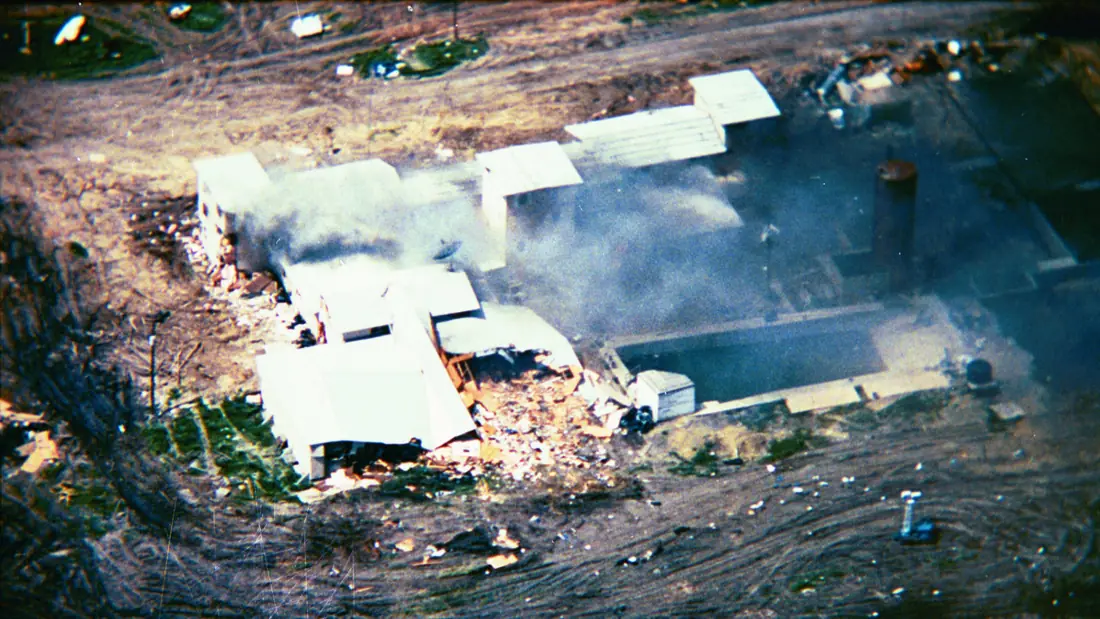
When the dust finally settled, the city of Oklahoma City was left to pick up the pieces of a devastating tragedy that would forever change the lives of its residents. It had all begun just hours earlier, on April 19, 1995, when a domestic terrorist attack shook the very foundations of the city. The events leading up to this moment were complex and multifaceted, involving a mix of extremist ideologies and a deep-seated anger towards the federal government. The bombing of the Alfred P. Murrah Federal Building was carried out by Timothy McVeigh and Terry Nichols, two American extremists who were motivated by a desire for revenge against the government for its handling of the Ruby Ridge and Waco sieges. At 9:02 a.m. on that fateful day, a rented Ryder truck packed with over 4,800 pounds of ammonium nitrate fertilizer, fuel oil, and other explosives detonated in front of the building, causing widespread destruction and chaos. The blast killed 168 people, including children in a daycare center, federal employees, and visitors to the building, and injured over 680 others. The immediate aftermath of the bombing was one of shock, grief, and confusion, as emergency responders and rescue workers rushed to the scene to search for survivors and provide aid to those affected. In the years and decades that followed, the Oklahoma City bombing would have a lasting impact on the nation, leading to significant changes in domestic terrorism laws and emergency response procedures. Today, the bombing remains one of the deadliest acts of domestic terrorism in American history, a stark reminder of the dangers of extremism and the importance of vigilance and preparedness. The legacy of the Oklahoma City bombing continues to be felt, with the city and the nation coming together each year on April 19 to remember the victims and honor the survivors of this tragic event.
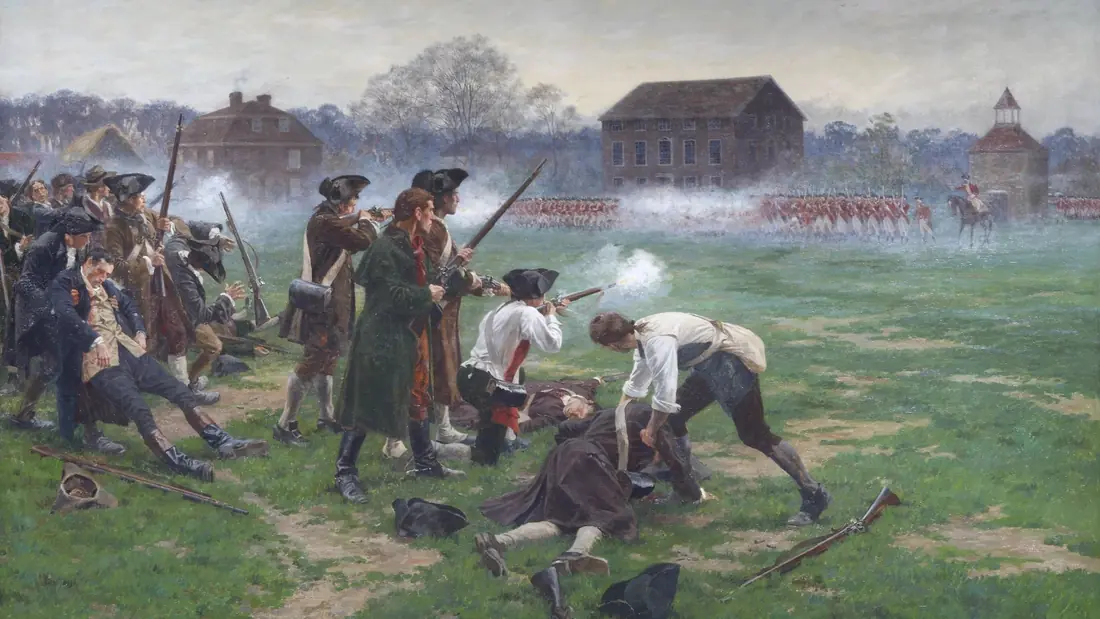
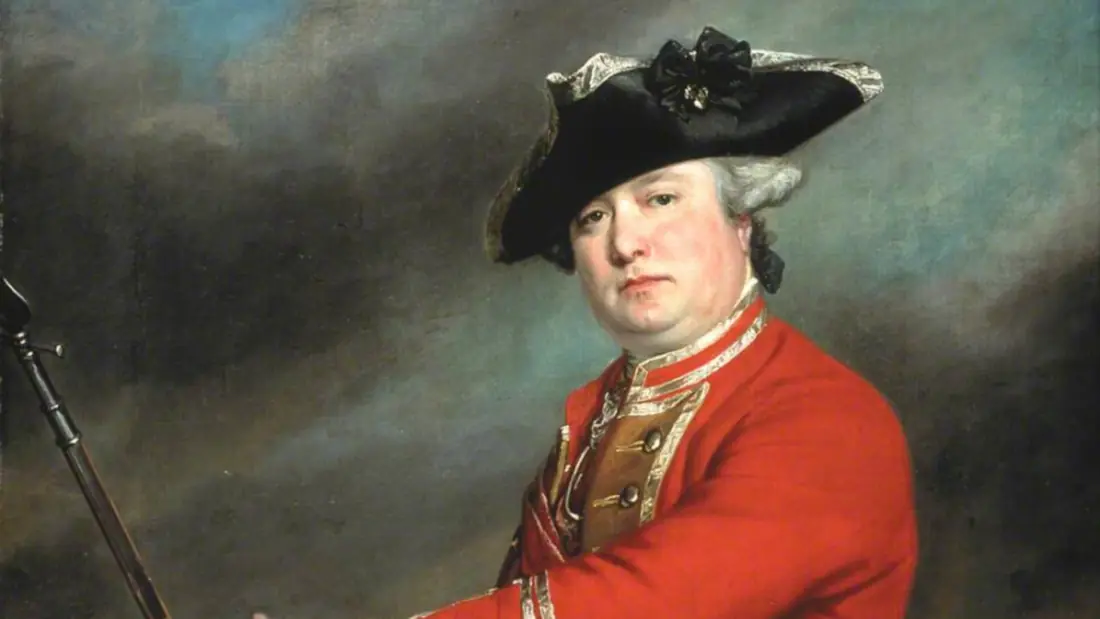
Across the rolling hills and verdant forests of colonial Massachusetts, the air was alive with tension on a crisp spring morning. In one small town, Lexington, the quiet was about to be shattered by the sound of muskets and the dawn of a new era, for on April 19, 1775, the first battles of the American Revolutionary War were about to unfold. The context for this pivotal moment had been building for years, as the British government imposed its will on the colonies, disregarding their rights and freedoms. The Intolerable Acts, a series of laws passed in 1774, had particularly inflamed passions, leading to the formation of the First Continental Congress and the eventual call to arms. As the British army, under the command of General Thomas Gage, marched towards Lexington and Concord to seize colonial munitions, they were met by a determined group of militiamen, known as the Lexington militia, who had been warned of the impending arrival of the British troops. The Lexington militia, numbering around 70, stood their ground on the town's common, refusing to disperse, and at dawn, the British troops, over 200 strong, approached, leading to a brief but intense skirmish that would become known as the Battle of Lexington. Eight militiamen were killed and ten were wounded in this initial clash. The British then proceeded to Concord, where they encountered more resistance, leading to the Battle of Concord, and the famous 'shot heard round the world.' The immediate impact of these battles was a rallying cry for the colonies, as news of the British aggression spread, galvanizing support for the revolutionary cause. The legacy of April 19, 1775, extends far beyond the battlefields of Lexington and Concord, as it marked the beginning of the American Revolution, a struggle that would give birth to a new nation, founded on the principles of liberty, democracy, and self-governance. Today, the Battles of Lexington and Concord are remembered as a testament to the power of courage and conviction in the face of overwhelming odds, inspiring generations to stand up for their rights and freedoms.