In the tranquil suburbs of Littleton, Colorado, students at Columbine High School were chatting and laughing as they walked through the hallways, unaware of the horror that was about to unfold. Meanwhile, in a nearby park, two students, Eric Harris and Dylan Klebold, were preparing to carry out a heinous act of violence that would shake the nation to its core. The events that led to this moment were complex and multifaceted, involving a combination of social isolation, mental health issues, and easy access to firearms. As the morning of April 20, 1999, progressed, Harris and Klebold, armed with an assortment of guns and explosives, made their way to the school, where they would ultimately claim the lives of 12 students and one teacher, and injure many more. The attack, which lasted approximately 45 minutes, was marked by chaos and terror, as students and faculty members scrambled to escape the carnage. The immediate aftermath of the massacre was one of shock and grief, as the community struggled to come to terms with the scale of the tragedy. In the years that followed, the Columbine High School massacre would have a profound impact on the national conversation about gun control, mental health, and school safety, leading to significant changes in the way that schools approach these issues. Today, the legacy of Columbine continues to be felt, serving as a stark reminder of the devastating consequences of unchecked violence and the importance of addressing the root causes of such tragedies. The date, April 20, 1999, will forever be etched in the memories of those who lived through it, a poignant reminder of the fragility of life and the importance of working towards a more compassionate and peaceful society.
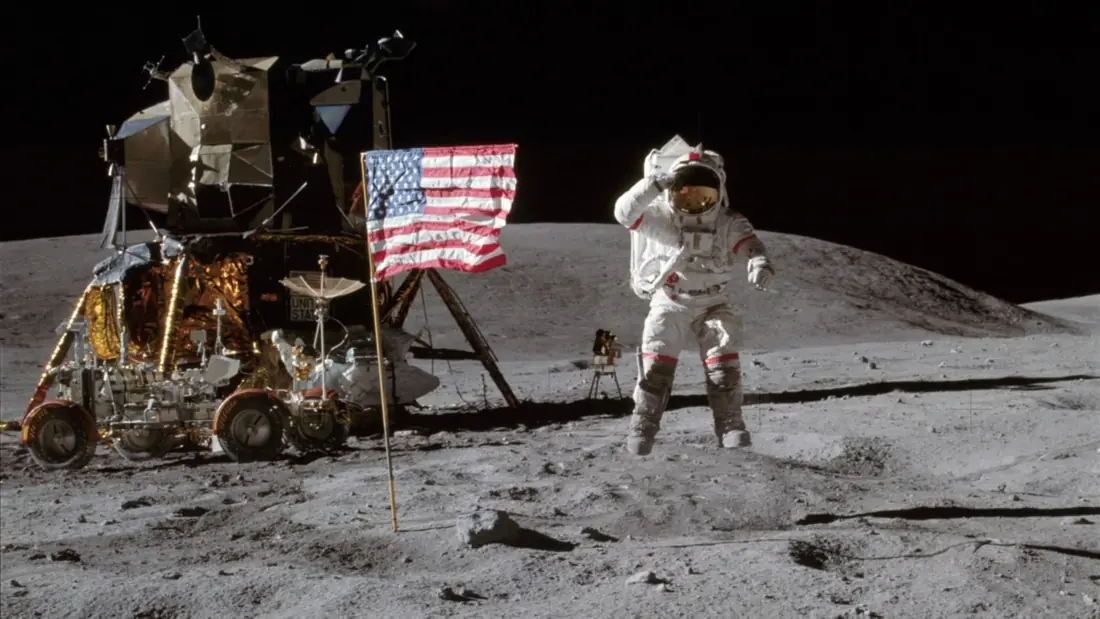
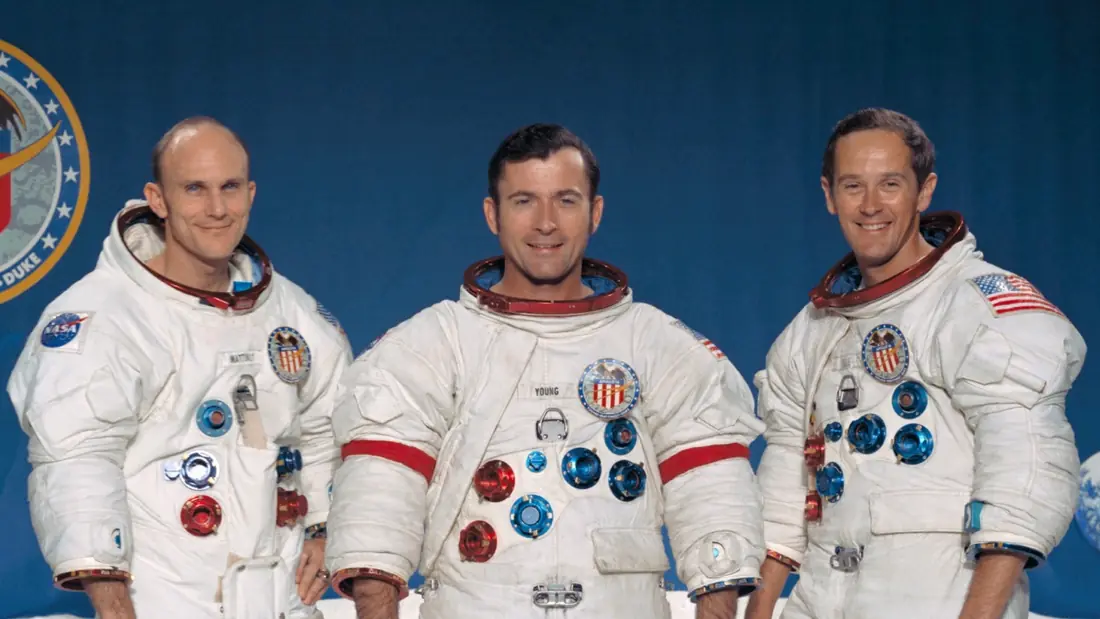
When the dust finally settled on the lunar surface, the United States had once again achieved a monumental feat in space exploration. It had all begun just hours earlier when the Apollo 16 mission, crewed by astronauts John Young, Charles Duke, and Kenneth Mattingly, embarked on its extraordinary journey to the Moon. The context for this mission was set by the ambitious goals of the Apollo program, initiated by President John F. Kennedy in 1961, which aimed to land humans on the Moon and return them safely to Earth. As part of this endeavor, Apollo 16 was designed to explore the Moon's Cayley Formation, a region characterized by its volcanic deposits and ancient cratered terrain. On April 20, 1972, the Lunar Module Orion, piloted by John Young, touched down on the Moon's surface in the Cayley Formation, while Kenneth Mattingly remained in orbit around the Moon in the Command Module Casper. The successful landing marked the fifth time humans had visited the Moon, with Young and Duke spending nearly 71 hours on the lunar surface, including over 20 hours of extravehicular activity. The immediate impact of the Apollo 16 mission was the wealth of scientific data and samples it provided, significantly expanding our understanding of the Moon's geology and history. The legacy of Apollo 16 extends beyond its immediate achievements, as it contributed to a broader understanding of space exploration and paved the way for future missions. Today, the Apollo 16 mission remains an important milestone in the history of space exploration, inspiring new generations of scientists, engineers, and astronauts to pursue their dreams of exploring the cosmos.