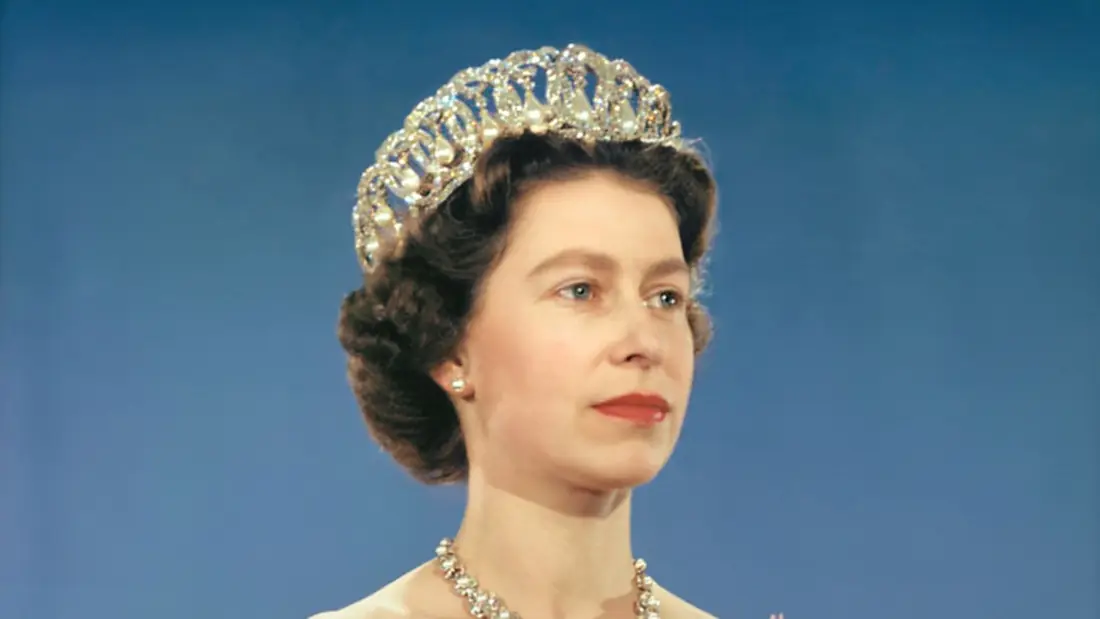
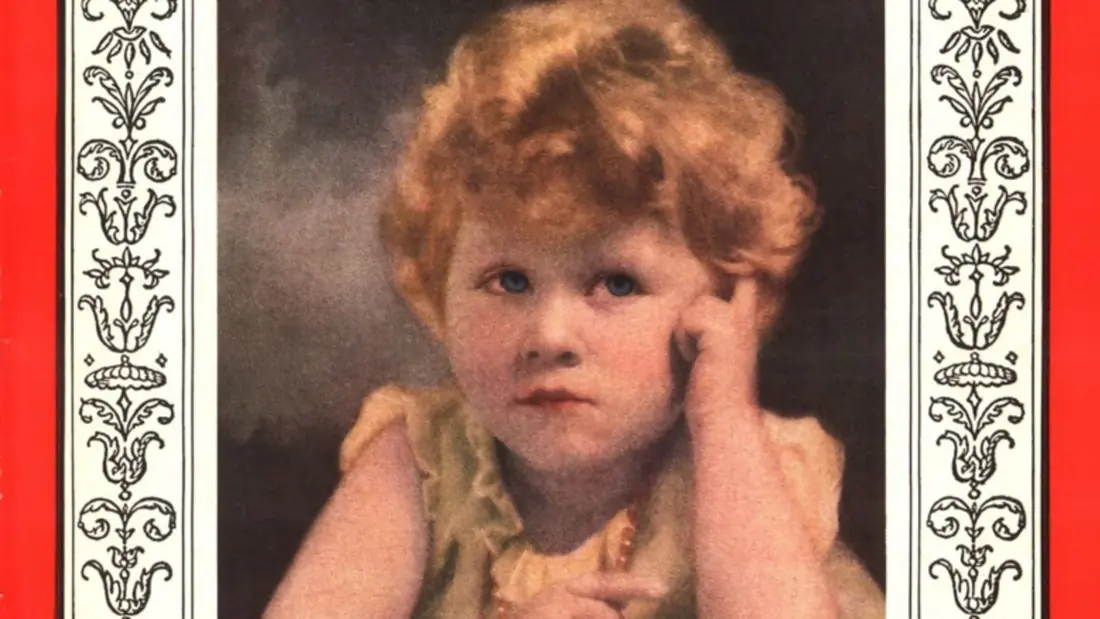
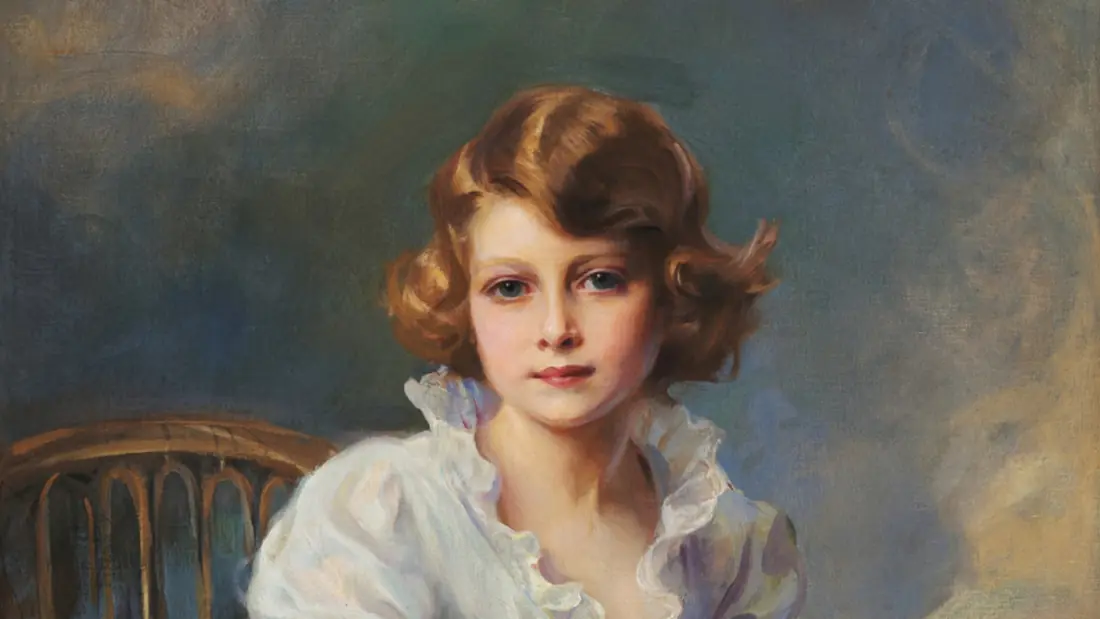
What happens when the birth of a single individual sets the stage for a reign that would surpass all others in a nation's history? This question finds its answer in the life of Elizabeth II, whose birth on April 21, 1926, marked the beginning of an extraordinary journey. The context of her birth was one of significant change and upheaval in the British monarchy, with the aftermath of World War I still resonating and the Roaring Twenties in full swing. The world was evolving rapidly, and the British Empire, though still vast, was facing the challenges of a changing global landscape. In this backdrop, Elizabeth Alexandra Mary Windsor was born in her maternal grandfather's London home, the daughter of Prince Albert, Duke of York (later King George VI), and his wife, Elizabeth, Duchess of York (later Queen Elizabeth The Queen Mother). The event of her birth was significant not just because of her lineage but also because it occurred at a time when the British monarchy was adapting to a more modern role. As the first child of the Duke and Duchess of York, Elizabeth was not expected to ascend to the throne, given that her uncle, Edward, Prince of Wales, was next in line. However, on April 21, 1926, no one could have predicted the future that awaited her. The immediate impact of her birth was, of course, felt within the royal family, but it would take years for the full significance of this event to unfold. Elizabeth's path to the throne was paved by the abdication of her uncle, Edward VIII, in 1936, which made her father the king and her the heir presumptive. Her legacy, as the longest-reigning British monarch, is a testament to her dedication, adaptability, and the enduring institution of the monarchy. Today, Elizabeth II's reign is remembered not just for its longevity but also for the modernization of the monarchy and its continued relevance in a rapidly changing world. The date of April 21, 1926, thus marks the beginning of an era that would see the British monarchy navigate through the challenges of the 20th and 21st centuries, with Elizabeth II at its helm, leaving an indelible mark on history.
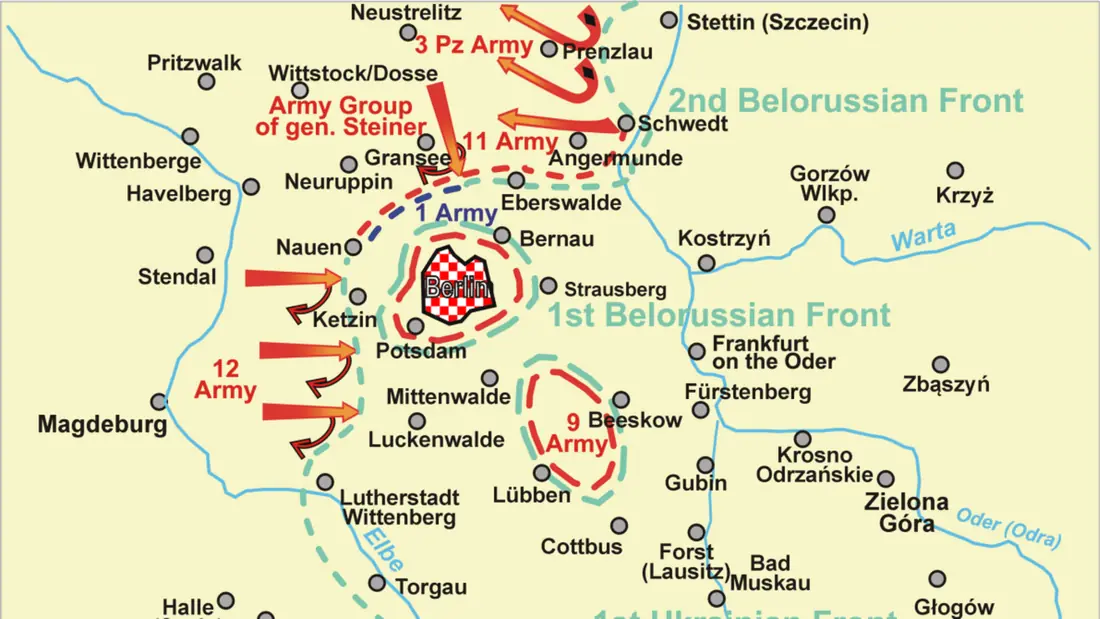
As the sun rose over the battered cityscape of Berlin, civilians were emerging from their shelters, unaware that the day, April 21, 1945, would etch itself in history as the moment when the Soviet Union's forces finally captured the city, marking a pivotal turn in the tide of World War II. The ordinary routines of life, such as queuing for rationed food and tending to makeshift gardens, were about to be overshadowed by the extraordinary events that would change the course of the war. The context of this moment was rooted in the relentless push by the Soviet Army, led by General Georgy Zhukov, who had been advancing on Berlin since January, facing fierce resistance from the German army. The Soviet strategy involved encircling the city, cutting off supply lines, and then launching a massive assault on the city's defenses. As the Soviet forces closed in, the German High Command, realizing the inevitability of defeat, began to crumble. On April 21, 1945, the Soviet Union's 1st Belorussian Front, supported by thousands of artillery pieces and air support, breached the city's defenses, pushing deep into the heart of Berlin. The German army, vastly outnumbered and outgunned, fought valiantly but in vain. The immediate impact of the Soviet capture of Berlin was the realization by the German High Command that the war was lost, leading to a series of surrender negotiations. The fall of Berlin also marked the beginning of the end of the Third Reich, as Allied forces closed in from the west. The legacy of this event still resonates today, as it symbolizes the determination and sacrifice of the Soviet people and the Allied forces in the face of overwhelming odds, ultimately leading to the defeat of Nazi Germany and the end of World War II in Europe. The capture of Berlin on April 21, 1945, will forever be remembered as a testament to the bravery and resilience of those who fought for freedom and democracy, shaping the course of modern history.