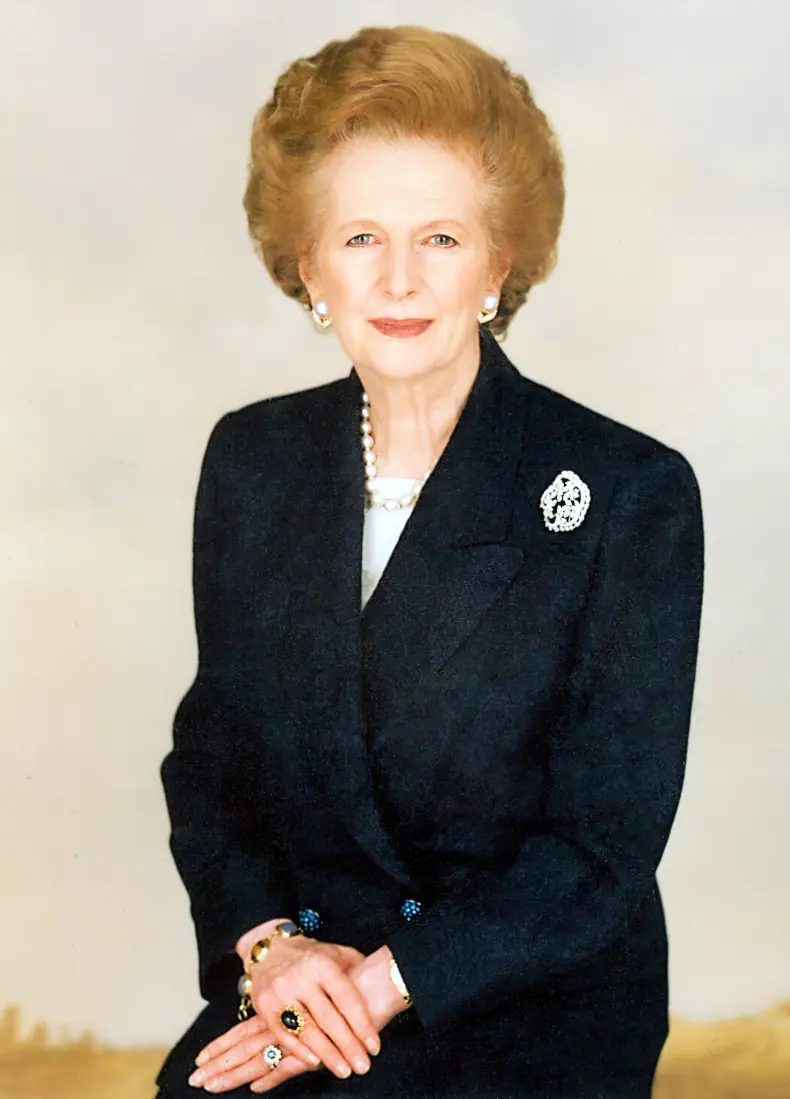
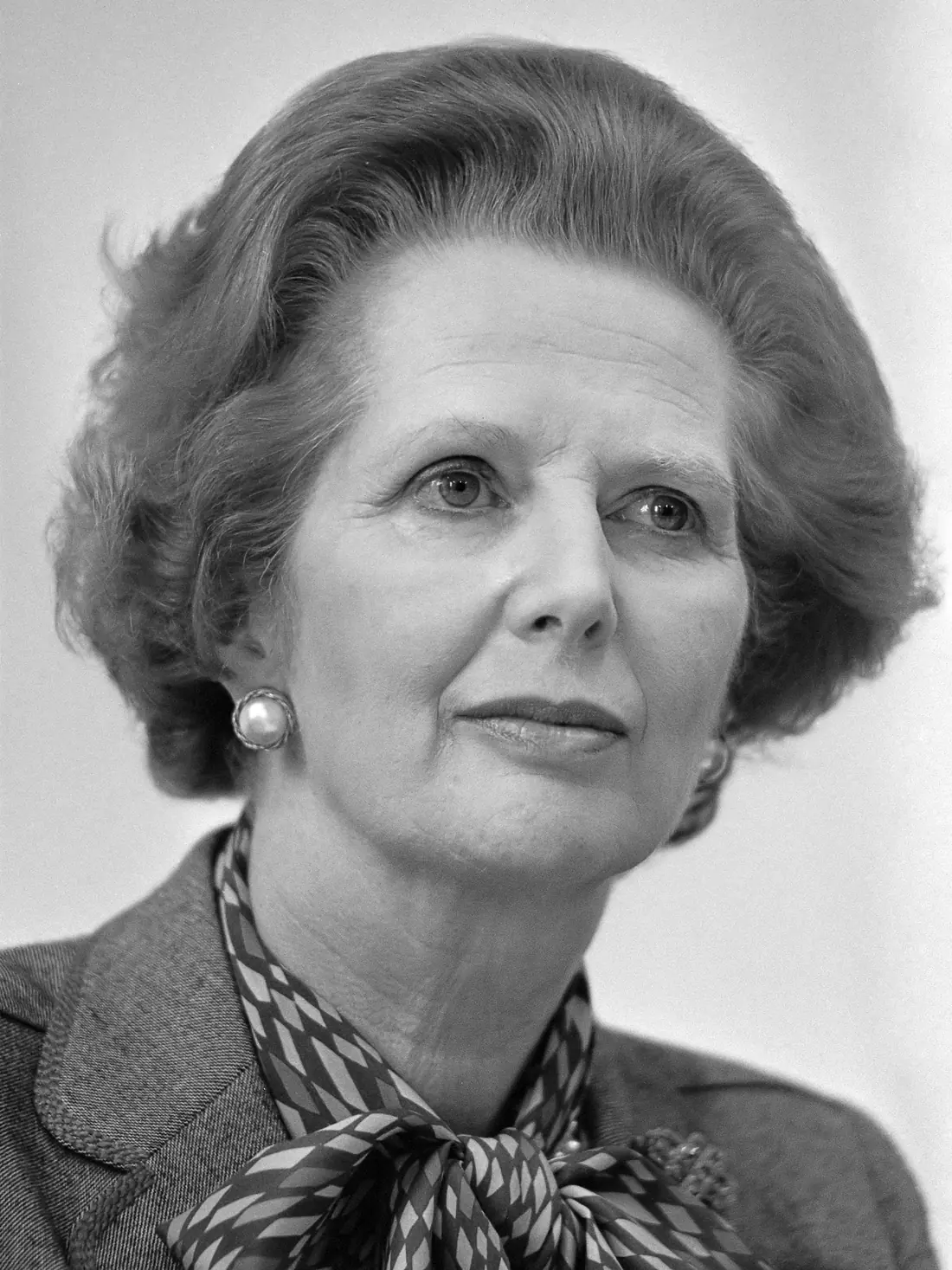
In just one day, on May 04, 1979, in London, United Kingdom, a woman made history by becoming the first female Prime Minister of the country. It happened in the heart of the city, where thousands of people gathered to witness the event. On that day, Margaret Thatcher, a conservative politician, stood outside 10 Downing Street, ready to take on the new role. As she walked into the building, she was aware of the weight of responsibility on her shoulders, and the eyes of the nation were upon her. Thatcher was not a newcomer to politics; she had been a member of Parliament since 1959 and had served as the Education Secretary from 1970 to 1974. Her journey to the top was not easy, but she had worked tirelessly to prove herself in a male-dominated field. The world was a different place back then, with the Cold War still looming and the United Kingdom facing economic struggles. The country was looking for a change, and Thatcher's strong personality and vision for the future resonated with many voters. As the results of the election were announced, it became clear that the Conservative Party had won, and Thatcher would become the new Prime Minister. In the days and weeks that followed, Thatcher faced many challenges, from dealing with the economy to navigating the complexities of world politics. Her leadership style was often described as firm and decisive, and she quickly gained a reputation as a strong and determined leader. The aftermath of her election saw a significant shift in the way the country was governed, with Thatcher implementing policies that aimed to reduce the power of the government and increase individual freedom. As the months went by, the effects of her policies began to be felt, and the country started to change in many ways. The impact of Thatcher's leadership can still be felt today, and her legacy continues to shape the world of politics. She paved the way for future generations of women in politics and left a lasting mark on the history of the United Kingdom. Her story is a testament to the power of hard work and determination, and it continues to inspire people around the world.
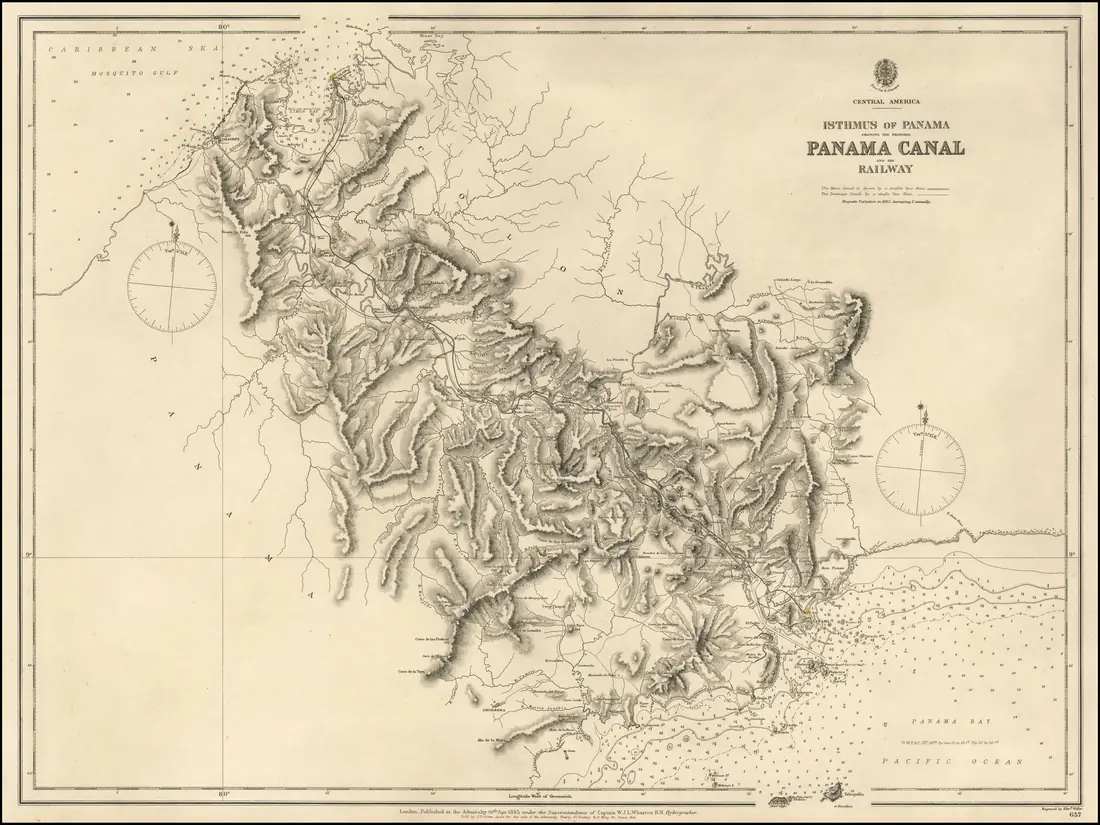
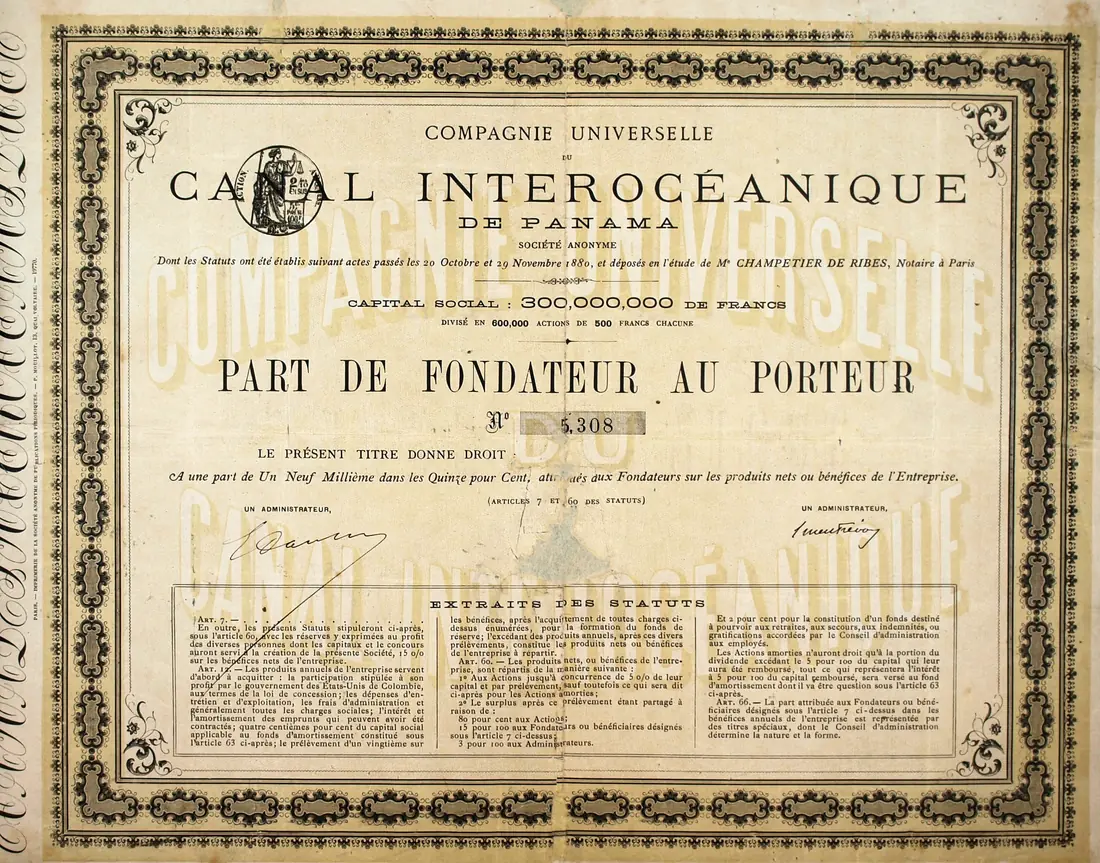
On May 04, 1904, the tropical nation of Panama would change forever as the United States began construction of the Panama Canal. It was a sweltering morning in Panama, with the sounds of nature and the hum of anticipation filling the air. This day was different because it marked the start of a monumental project that would connect the world's two largest oceans, revolutionizing global trade and commerce. The idea of a canal through Panama had been around for centuries, but it wasn't until the late 19th century that the United States, under the leadership of President Theodore Roosevelt, decided to take on the challenge. Thousands of workers, engineers, and laborers from all over the world gathered in Panama to work on the canal, facing numerous challenges such as malaria, yellow fever, and treacherous terrain. As the construction began, the world watched with bated breath, wondering if this ambitious project would succeed. The need for a canal through Panama had been building up for years, with ships having to navigate the treacherous Cape Horn at the tip of South America, a journey that was not only long but also dangerous. The United States, having recently acquired Puerto Rico, Guam, and the Philippines from Spain, needed a faster and more efficient way to move its ships between the Atlantic and Pacific oceans. After years of negotiations with Panama, the United States finally secured the rights to build the canal, and the construction began. In the days and weeks that followed, the city of Panama became a bustling hub of activity, with workers, engineers, and supplies pouring in from all over the world. The Panamanian government, having gained independence from Colombia just a year earlier, was eager to cooperate with the United States, seeing the canal as an opportunity for economic growth and development. As the canal began to take shape, the world started to realize the enormity of the project and its potential impact on global trade and commerce. The Panama Canal would go on to become one of the most important waterways in the world, shaping the course of history and leaving a lasting legacy that still matters today, a testament to human ingenuity and perseverance.