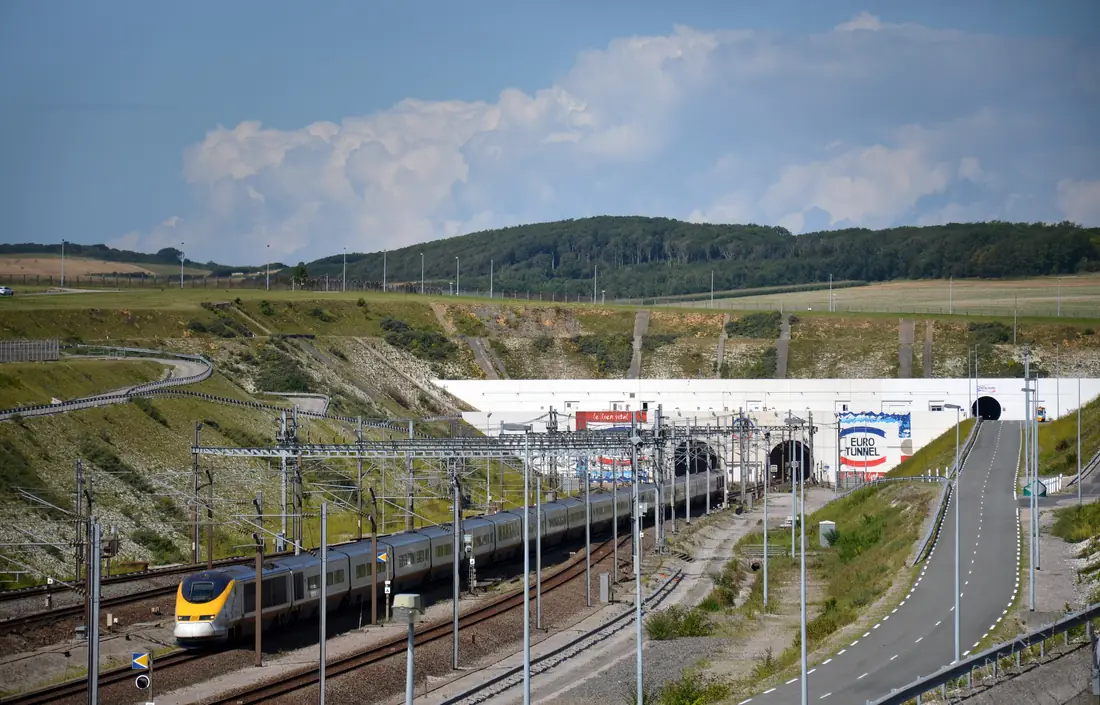
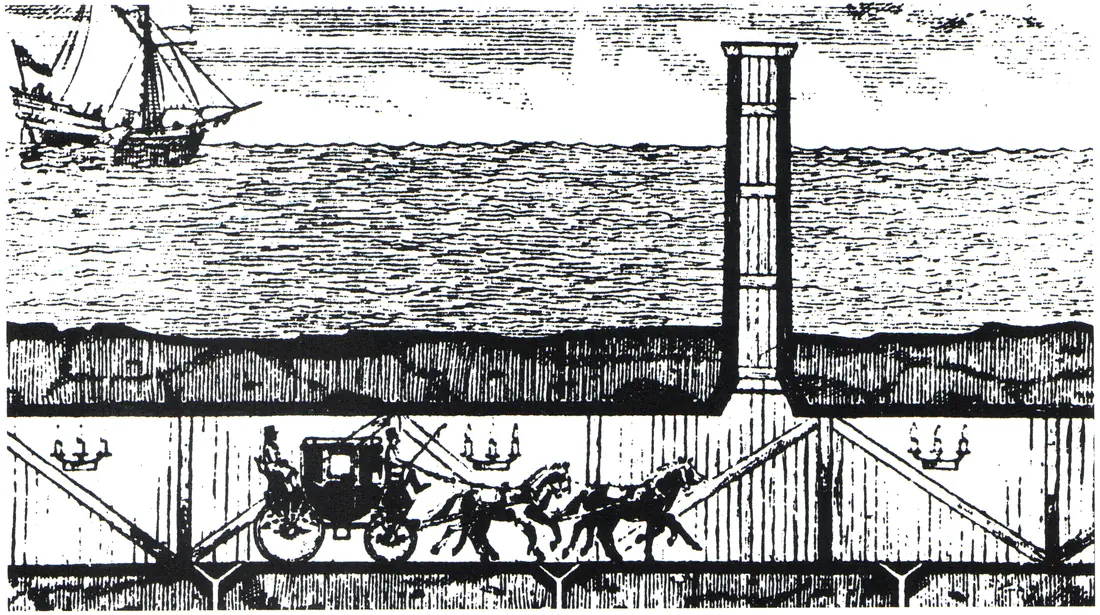
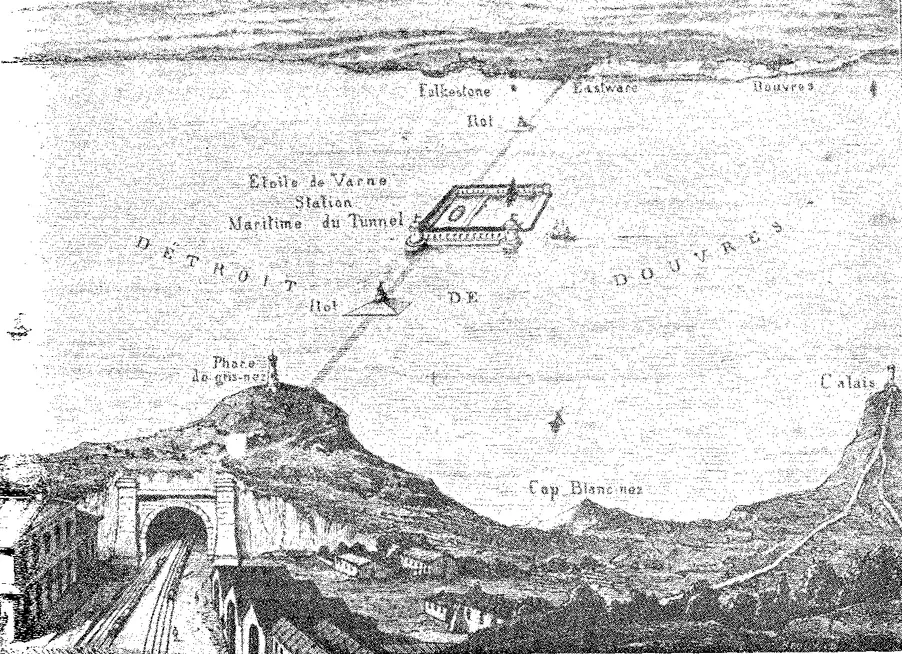
On May 06, 1994, in Folkestone, England, a momentous occasion was unfolding, one that would change the face of European history. The date marked the official opening of the Channel Tunnel, a feat of engineering that would connect England and France like never before. As the sun rose over the English Channel, dignitaries and workers gathered to witness the culmination of years of tireless effort. The Channel Tunnel, also known as the Eurotunnel, was the brainchild of visionaries who sought to bridge the gap between two nations, fostering greater cooperation and understanding. Queen Elizabeth II and French President Francois Mitterrand were among the esteemed guests who attended the inauguration ceremony, symbolizing the unity and friendship between the two countries. As they made their way through the tunnel, they were flanked by cheering crowds and the sound of chirping seagulls, a stark contrast to the eerie silence of the tunnel's earlier days. The tunnel's opening was the result of decades of planning, negotiation, and perseverance, driven by the desire to create a more integrated and interconnected Europe. Before the tunnel's construction, the English Channel had long been a barrier, separating the two nations and hindering the flow of people, goods, and services. The idea of a tunnel had been floated as early as the 19th century, but it wasn't until the 1980s that the project gained momentum, with the signing of the Canterbury Treaty in 1986, which paved the way for the tunnel's construction. The aftermath of the tunnel's opening was marked by a surge in travel and trade between England and France, with thousands of passengers and tons of freight passing through the tunnel every day. As the news of the tunnel's opening spread, people from all over Europe flocked to experience the marvel of modern engineering, marveling at the sheer scale and complexity of the project. The tunnel's impact was felt far beyond the shores of England and France, as it helped to reshape the world of transportation, commerce, and tourism. Today, the Channel Tunnel remains an iconic symbol of European unity and cooperation, a testament to human ingenuity and the power of collaboration. As we look back on that momentous day in May 1994, we are reminded of the boundless potential that arises when nations come together to achieve a common goal, and the lasting legacy that can be forged in the process.
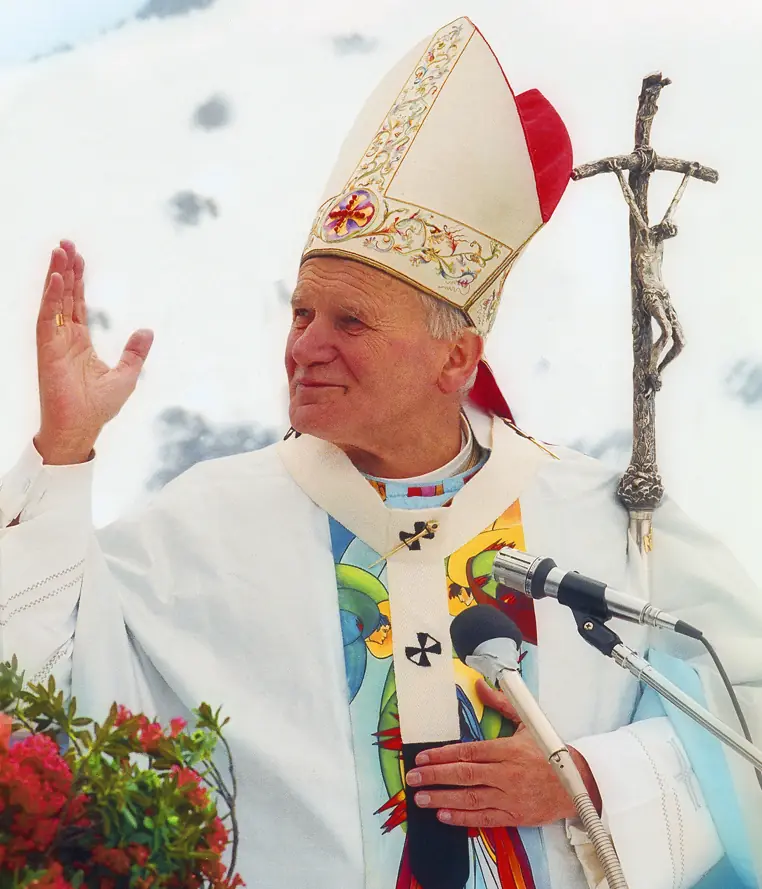
On May 06, 2001, in Damascus, Syria, a rare moment of unity and understanding took place, one that would change the way people saw each other across religious divides. The next day, the world was different, as news spread like wildfire of Pope John Paul II becoming the first pope to enter and pray in an Islamic mosque. This historic event marked a significant shift in world politics, as the leader of the Catholic Church stepped into the Umayyad Mosque, a place of immense historical and religious significance for Muslims. As the Pope walked through the mosque's grand courtyard, he was met with a mix of curiosity and respect from the Syrian Muslims who had gathered to witness this momentous occasion. The Pope's actions were simple yet profound: he removed his shoes, a sign of respect, and then prayed alongside the Grand Mufti of Syria, Sheikh Ahmad Kuftaro. The two religious leaders stood together, a powerful symbol of peace and coexistence, as they sought to bridge the gap between their faiths. The world was watching, and the implications were vast, as this gesture of goodwill and mutual respect had the potential to ease tensions between Christians and Muslims worldwide. For years, there had been growing tensions and misunderstandings between the two faiths, fueled by misconceptions and a lack of dialogue. However, Pope John Paul II had long been an advocate for interfaith dialogue, and his visit to the mosque was the culmination of years of efforts to build bridges between different religious communities. After the Pope's visit, the reactions were varied, with some hailing it as a groundbreaking moment in interfaith relations, while others were more skeptical. Nonetheless, the aftermath saw a renewed commitment to dialogue and cooperation between Christians and Muslims, as both sides began to explore ways to work together and understand each other better. In the months and years that followed, there were numerous initiatives and meetings between religious leaders from both faiths, all aimed at fostering greater understanding and respect. The legacy of that day continues to inspire people around the world, as it reminds us that even in the face of deep-seated differences, it is possible to find common ground and work towards a more harmonious world. The image of the Pope and the Grand Mufti praying together has become an enduring symbol of hope and cooperation, a powerful reminder that, even in a world filled with divisions, unity and understanding are always within reach.