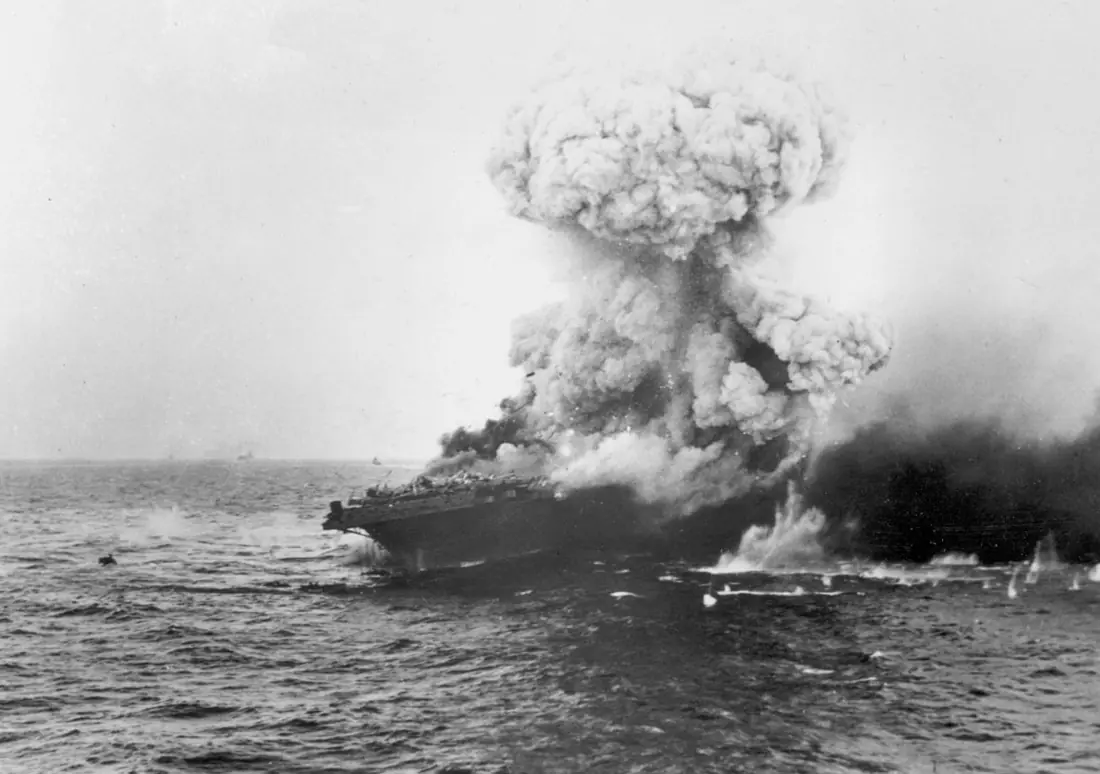
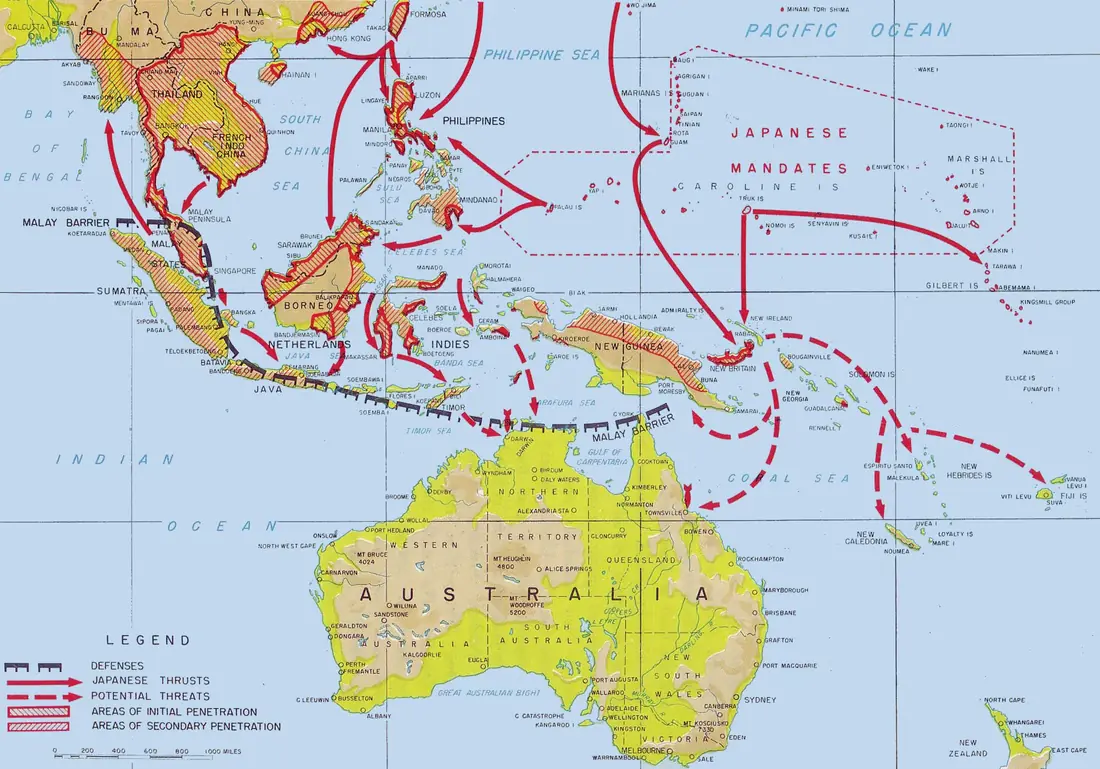
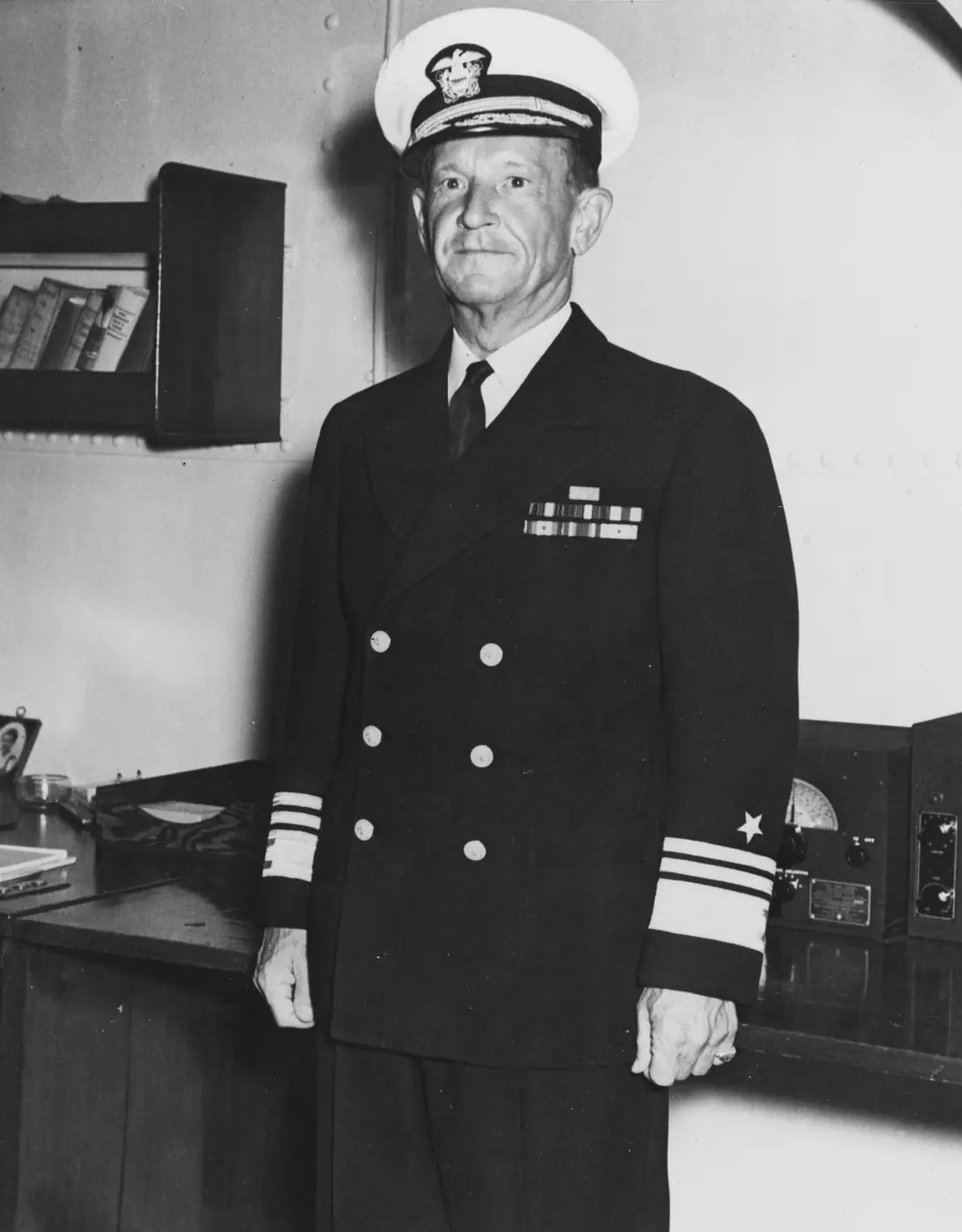
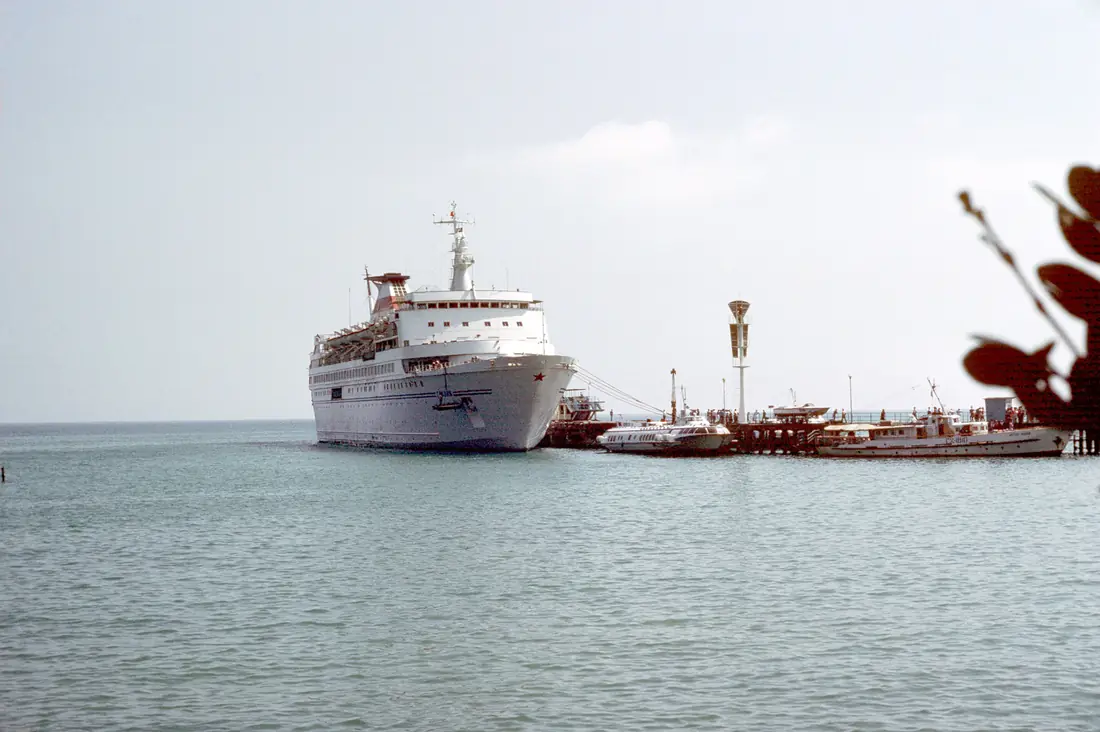
On May 08, 1942, in the Coral Sea, a pivotal moment in history was unfolding, one that would change the course of World War II. The warm waters of the Coral Sea, located off the coast of Australia, were about to witness a clash of naval forces that would decide the fate of the Pacific. As the sun rose over the horizon, Japanese and American ships faced off, their crews ready for battle. The Japanese fleet, under the command of Admiral Isoroku Yamamoto, aimed to capture the strategic port of Port Moresby in New Guinea, while the American fleet, led by Admiral Chester Nimitz, sought to thwart this plan and protect Australia. The two forces engaged in a fierce battle, with aircraft carriers, battleships, and cruisers exchanging blows. The sound of explosions and gunfire filled the air as the ships maneuvered for position. The Japanese carrier Shoho was sunk, and the American carrier Lexington suffered significant damage. The battle was intense, with both sides suffering heavy losses. The world was at war, and the Coral Sea was just one of many fronts where Allied and Axis forces were clashing. The Japanese had been expanding their empire, conquering large swaths of Asia and the Pacific, and the Allies were determined to stop them. The Battle of the Coral Sea was a rare moment when the two sides faced off in a decisive naval engagement. After the battle, the Japanese withdrew, and the Allies claimed a strategic victory. The aftermath of the battle saw a significant shift in the balance of power in the Pacific, as the Japanese advance was halted and the Allies gained momentum. The people of Australia and New Guinea felt a sense of relief, knowing that their homes were safer. The governments of the United States and Australia reinforced their military presence in the region, preparing for future battles. The Battle of the Coral Sea was a turning point in the war, marking a shift in the balance of power in the Pacific. It paved the way for future Allied victories, including the Battle of Midway, and ultimately contributed to the defeat of Japan. The legacy of the Battle of the Coral Sea lives on, a reminder of the bravery and sacrifice of the sailors and soldiers who fought to protect their countries and their way of life. The battle will always be remembered as a crucial moment in the history of World War II, a testament to the power of determination and courage in the face of overwhelming odds.
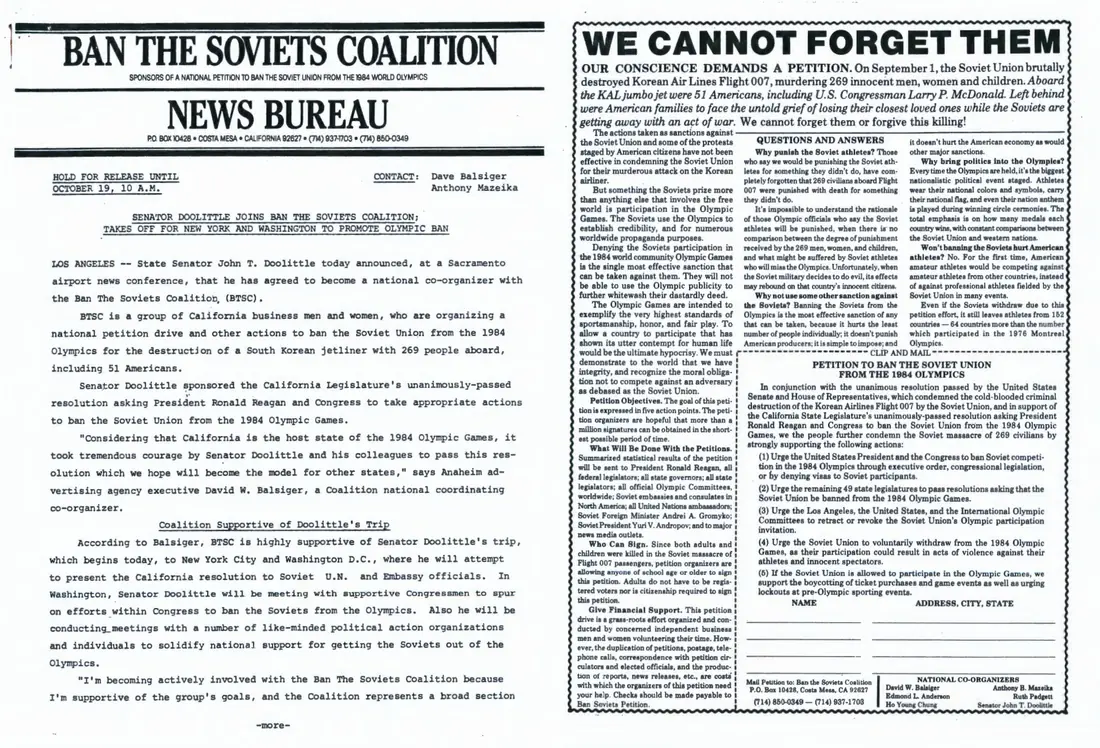
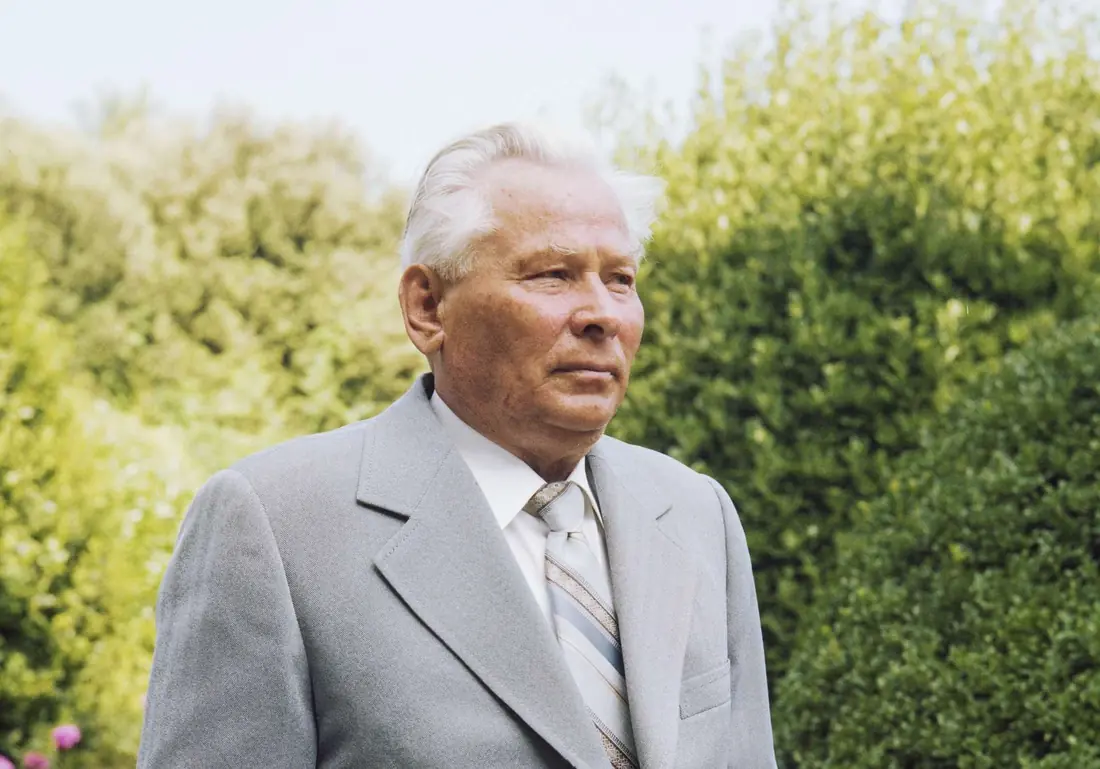
It was a chilly spring morning in Moscow, Soviet Union on May 08, 1984. Across the city, people were going about their daily routines, unaware that a significant announcement was about to shake the world of sports. The Soviet Union, a global superpower at the time, was home to a thriving athletic community, with many of its citizens eagerly anticipating the upcoming Summer Olympics in Los Angeles. On this particular day, the Soviet government made a shocking declaration: it would boycott the 1984 Summer Olympics. The decision was made by the Soviet leadership, led by Konstantin Chernenko, who cited concerns over the safety of their athletes and the alleged commercialization of the Games. This move was not entirely unexpected, given the tense relations between the Soviet Union and the United States at the time, with the Soviet Union still reeling from the United States-led boycott of the 1980 Summer Olympics in Moscow. The Soviet Union's decision was likely motivated by a desire to retaliate against the United States and to assert its dominance in the world of sports. After the announcement, the international community was left stunned, with many athletes and officials expressing disappointment and frustration. In the days and weeks that followed, other Eastern Bloc countries, such as East Germany and Poland, also announced their decision to boycott the Games, citing similar concerns. The boycott had a significant impact on the Olympics, with many events being contested by fewer athletes than usual. Despite the challenges, the 1984 Summer Olympics still managed to be a success, with the United States topping the medal table. The boycott, however, marked a low point in the history of the Olympic Games, highlighting the deep divisions and tensions of the Cold War era. The legacy of the 1984 boycott continues to be felt today, serving as a reminder of the complex and often fraught relationship between sports and politics. The event also marked a turning point in the history of the Olympic Games, as the International Olympic Committee began to take steps to prevent similar boycotts in the future, and to promote a more inclusive and peaceful spirit of competition.