On May 09, 1960, in Washington D.C., United States, a quiet revolution was unfolding, one that would change the course of history for women around the world. It was a day like any other in the nation's capital, but behind the scenes, a significant decision was being made that would have far-reaching consequences. The FDA, the Food and Drug Administration, was on the verge of approving a new medication, one that had been years in the making. This medication was the first commercially available birth control pill, and its approval would mark a major turning point in the struggle for women's reproductive rights. The pill, developed by a team of scientists led by Dr. Gregory Pincus, was the result of years of research and testing, and it had already shown promising results in clinical trials. Dr. John Rock, a renowned fertility expert, had also played a crucial role in its development, working closely with Pincus to refine the formula. As the FDA gave its final approval, the room was filled with a sense of anticipation and excitement, knowing that this moment would pave the way for a new era of freedom and choice for women. The world before this moment was very different, with limited options for birth control and a societal pressure on women to prioritize family and childrearing above all else. The development of the pill was not just a scientific breakthrough, but also a response to the growing demand for women's liberation and equality. Women like Margaret Sanger, a pioneering birth control activist, had spent decades fighting for access to safe and effective contraception, and their efforts had finally come to fruition. In the days and weeks that followed the FDA's approval, the news of the pill's availability spread like wildfire, sparking both excitement and controversy. Many women saw it as a liberating force, allowing them to take control of their own bodies and make choices about their reproductive health. Others, however, were more cautious, raising concerns about the pill's safety and potential side effects. As the debate raged on, one thing was clear: nothing would ever be the same again. The approval of the birth control pill marked a rare moment in history, one that would have a lasting impact on the world. It paved the way for a new generation of women to pursue careers, delay marriage, and make choices about their own lives. Today, the legacy of that moment can still be felt, as women around the world continue to fight for reproductive rights and equality. The story of the birth control pill is a testament to the power of human ingenuity and the importance of standing up for what is right, even in the face of adversity.
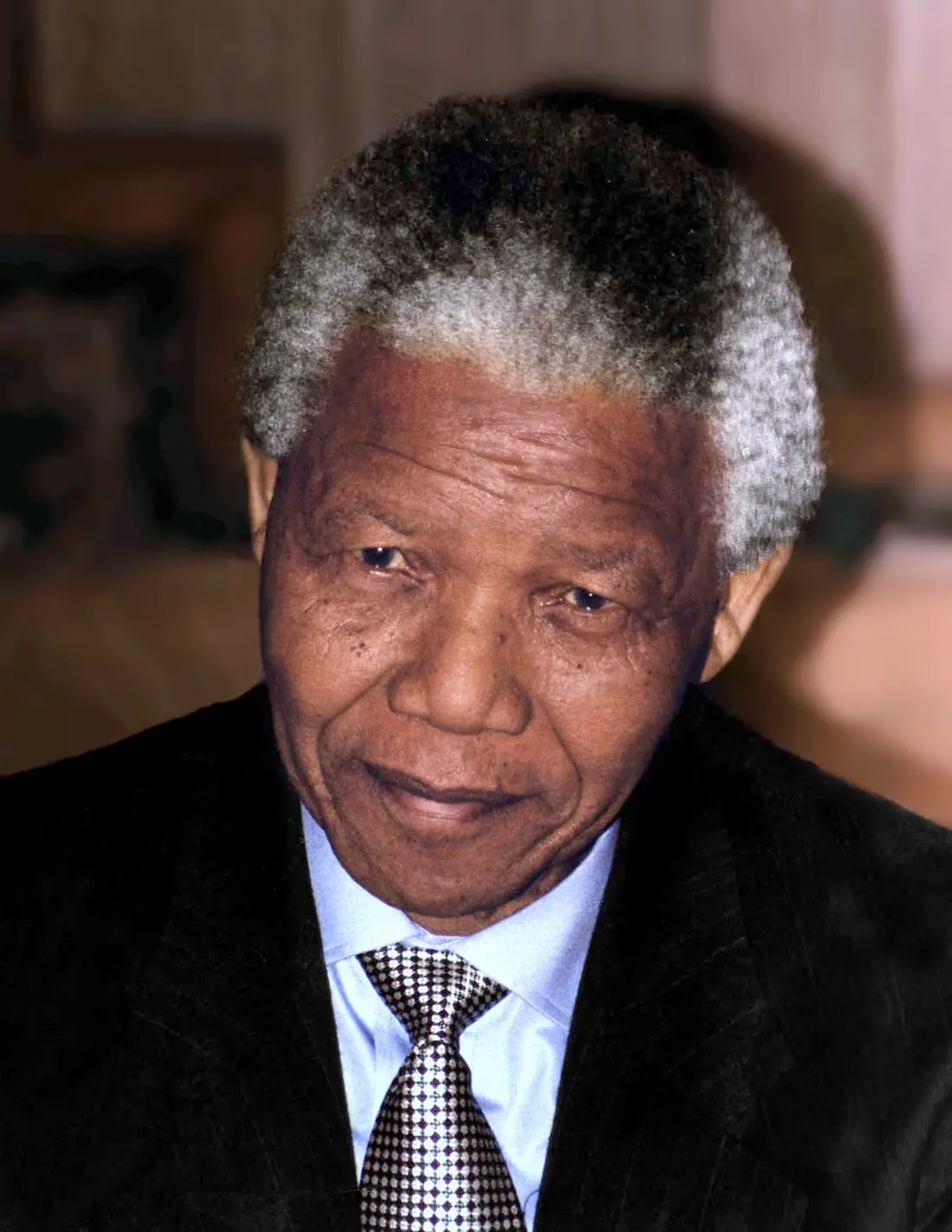
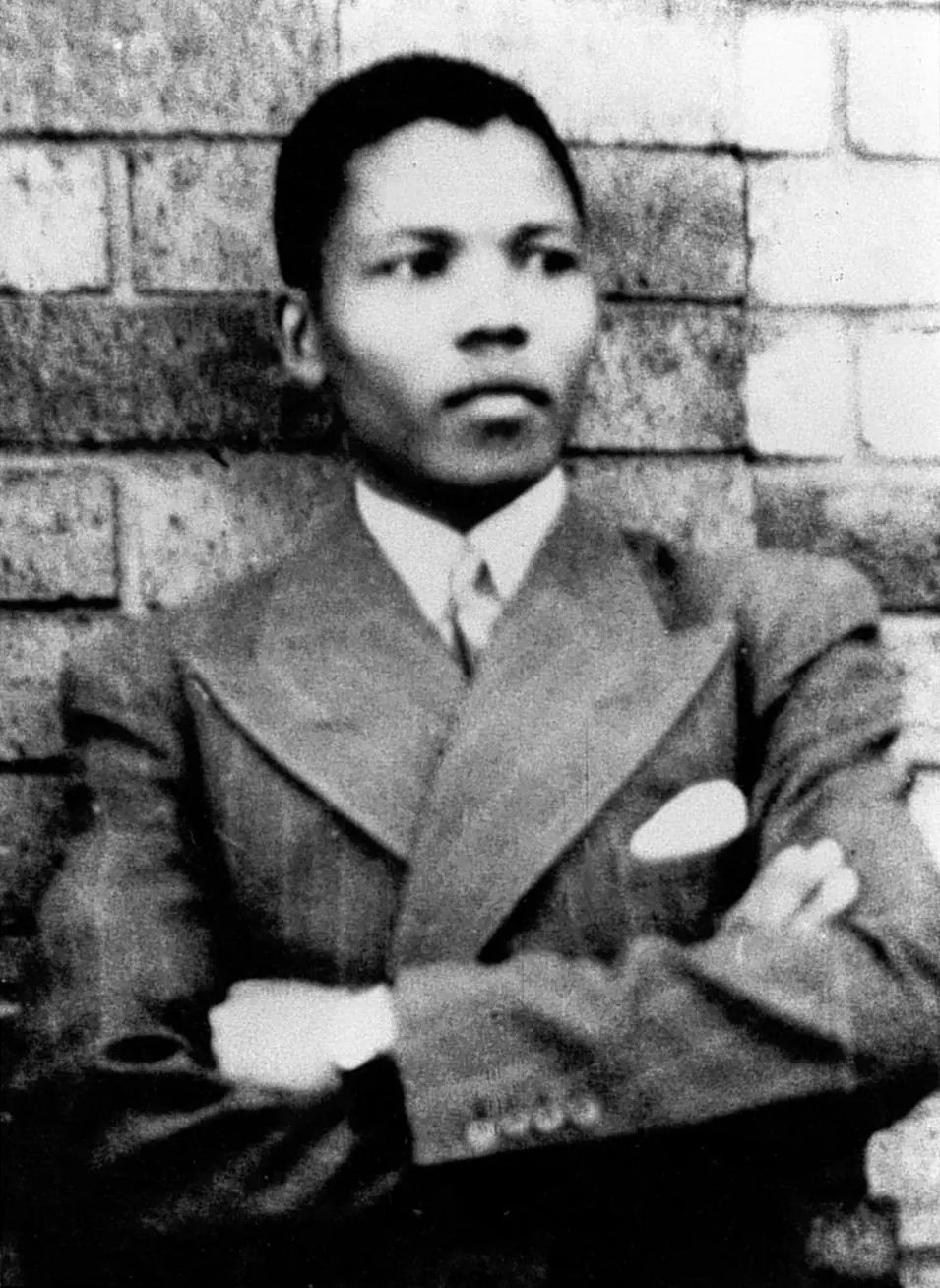
It was a sunny spring morning in Pretoria, South Africa on May 09, 1994. Across the city, people were gathering to witness a momentous occasion that would change the course of history - the inauguration of Nelson Mandela as the country's first black president. The air was filled with excitement and anticipation as crowds of all colors and ages made their way to the Union Buildings, the seat of government. As the day began, life in Pretoria was a mix of old and new, with the remnants of apartheid still visible, but a sense of hope and freedom was palpable. The city was a complex tapestry of cultures, with people from different backgrounds and races living together, yet still divided by the legacy of apartheid. On this day, however, the focus was on unity and a new beginning. Nelson Mandela, a man who had spent 27 years in prison for fighting against apartheid, was about to take the oath of office, marking a significant shift in the country's history. As he stood on the steps of the Union Buildings, surrounded by his supporters and former enemies, he called for reconciliation and forgiveness, urging South Africans to work together to build a brighter future. The crowd erupted in cheers as Mandela was sworn in, and the atmosphere was electric with emotion. This moment was the result of years of struggle and sacrifice by Mandela and countless others who had fought against the injustices of apartheid. The system of institutionalized racism had been in place for decades, causing immense suffering and inequality, but the resistance movement had grown in strength, leading to international pressure and eventually, the collapse of the apartheid regime. After Mandela's inauguration, the country began to transform, with the new government working to address the deep-seated issues of poverty, inequality, and social injustice. In the days and weeks that followed, South Africans from all walks of life came together to celebrate their newfound freedom and to begin the process of healing and rebuilding. The inauguration marked a rare moment of joy and hope in a world often filled with conflict and division. As the years passed, Mandela's leadership and vision inspired a nation to move forward, and his legacy continues to shape the world we live in today, reminding us of the power of forgiveness, compassion, and the human spirit to overcome even the darkest of times.