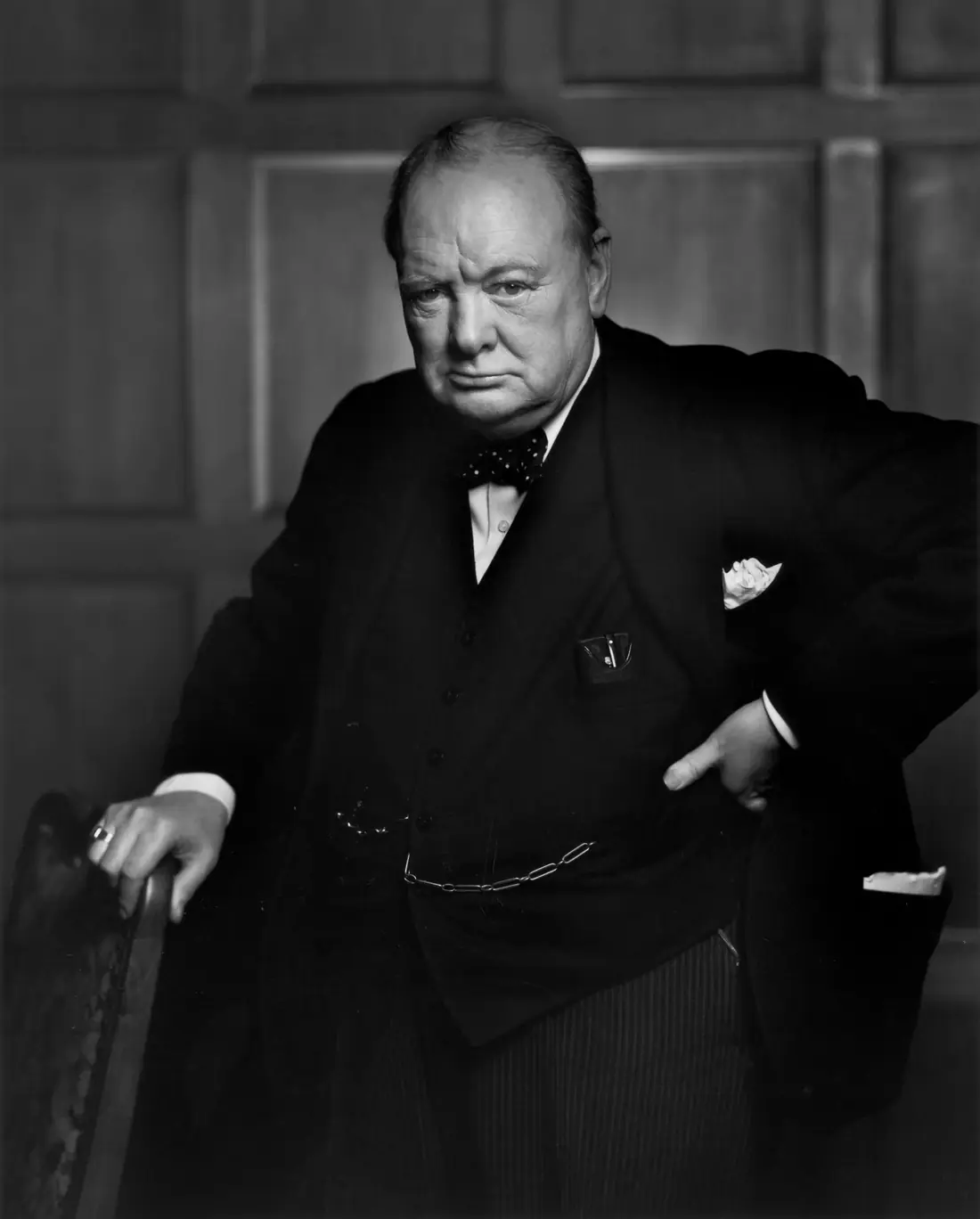
On May 10, 1940, in London, United Kingdom, a significant shift in power was about to change the course of history. It was a tense time, with the world watching as the threat of war loomed over Europe. As the Nazi forces advanced, the British government was in disarray, and a new leader was desperately needed. Winston Churchill, a seasoned politician with a strong vision, was the man of the hour. He became the Prime Minister of the United Kingdom, taking the reins of a country on the brink of war. Churchill's appointment was a surprise to many, but his experience and charisma made him the ideal candidate to lead the nation through its darkest hour. As he stood in the House of Commons, he delivered a speech that would rally the British people and set the tone for the war effort. With his distinctive voice and unwavering resolve, Churchill proclaimed that he had nothing to offer but 'blood, toil, tears, and sweat,' but he was determined to lead Britain to victory. The road ahead would be long and arduous, but Churchill was ready to face the challenge. The world was a complex and volatile place in the months leading up to Churchill's appointment, with the Nazi regime expanding its reach and the British government struggling to respond effectively. The British people were anxious and fearful, unsure of what the future held, but Churchill's leadership and oratory skills helped to galvanize the nation and prepare it for the trials ahead. As the news of Churchill's appointment spread, the British people felt a sense of hope and determination that they had not felt in months. In the days and weeks that followed, Churchill worked tirelessly to mobilize the British war effort, meeting with military leaders, visiting troops, and delivering speeches to rally the nation. The British people responded with courage and resilience, coming together to support the war effort and defend their country against the Nazi threat. As the war raged on, Churchill's leadership and vision played a crucial role in shaping the course of history, and his legacy continues to inspire and influence people around the world today. His unwavering commitment to freedom and democracy helped to shape the post-war world, and his iconic speeches and writings remain a testament to the power of leadership and the human spirit.
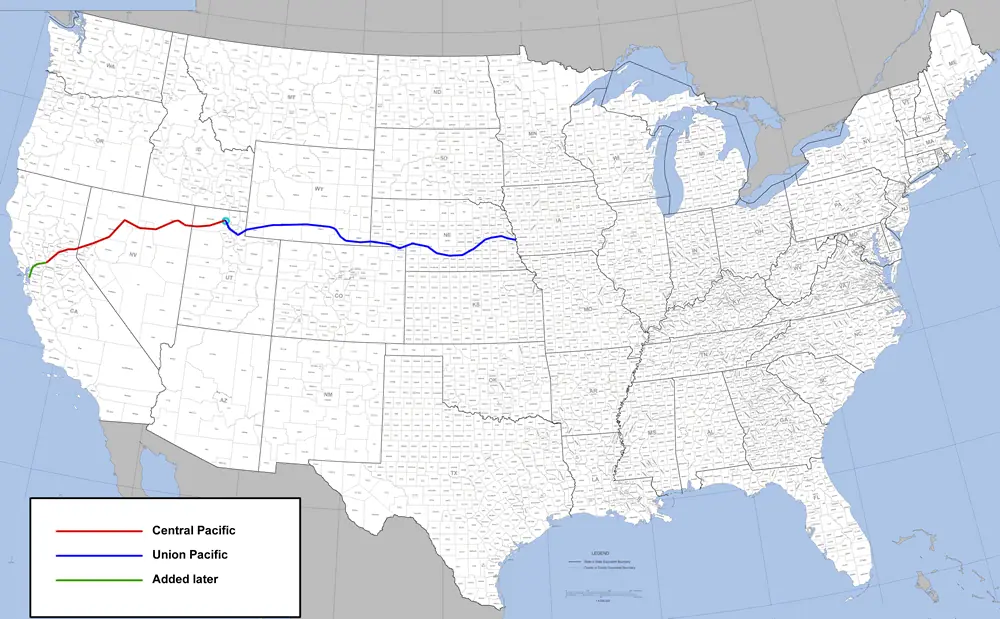
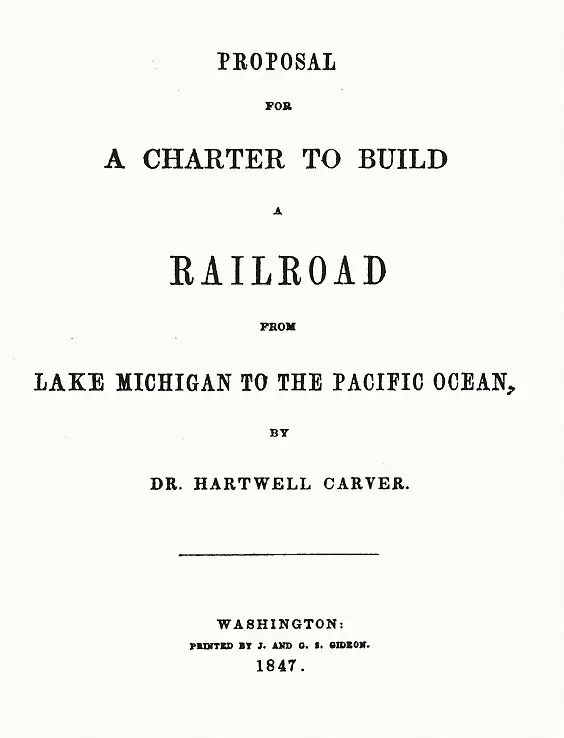
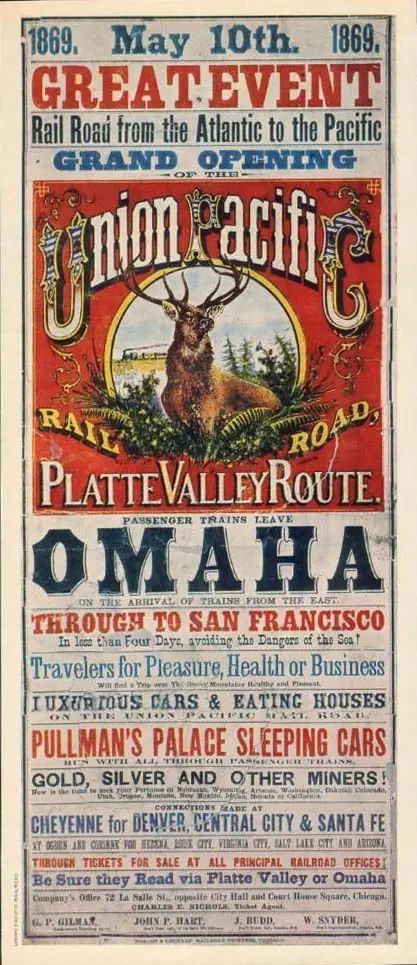
It was a sunny spring morning on May 10, 1869, in Promontory Summit, Utah, a day that would change the course of American history. As the sun rose over the vast desert landscape, a sense of excitement and anticipation filled the air, for today was the day the First Transcontinental Railroad would be completed. The sound of hammering and cheering could be heard in the distance, as workers from the Union Pacific and Central Pacific railroads worked tirelessly to finish the final stretch of track. Before this moment, traveling across the United States was a long and arduous journey, taking months by horse or stagecoach, but with the completion of the railroad, the country would be connected like never before. On this day, Leland Stanford, the governor of California, would drive the final golden spike, marking the completion of the railroad, as hundreds of workers, dignitaries, and journalists looked on. The scene was one of jubilation, with workers cheering and hugging each other, as the reality of their achievement sank in. The completion of the railroad was the result of years of planning, negotiation, and hard work, driven by the vision of a connected America, where people and goods could move easily and quickly across the country. The idea of a transcontinental railroad had been around for decades, but it wasn't until the 1860s, with the passage of the Pacific Railroad Act, that the project gained momentum. The act provided funding and land grants to the Union Pacific and Central Pacific railroads, which began building the track from Omaha, Nebraska, and Sacramento, California, respectively. As the railroad neared completion, the excitement grew, and people from all over the country came to witness the historic moment. In the days and weeks that followed, the impact of the railroad was felt across the country, as travel times were cut dramatically, and the movement of goods and people became faster and more efficient. The railroad also brought new opportunities for trade and commerce, as businesses and industries began to flourish along the route. The completion of the First Transcontinental Railroad was a rare moment in American history, one that marked the beginning of a new era of growth, expansion, and connection, and its legacy can still be felt today, as it paved the way for the modern transportation systems that we use today.