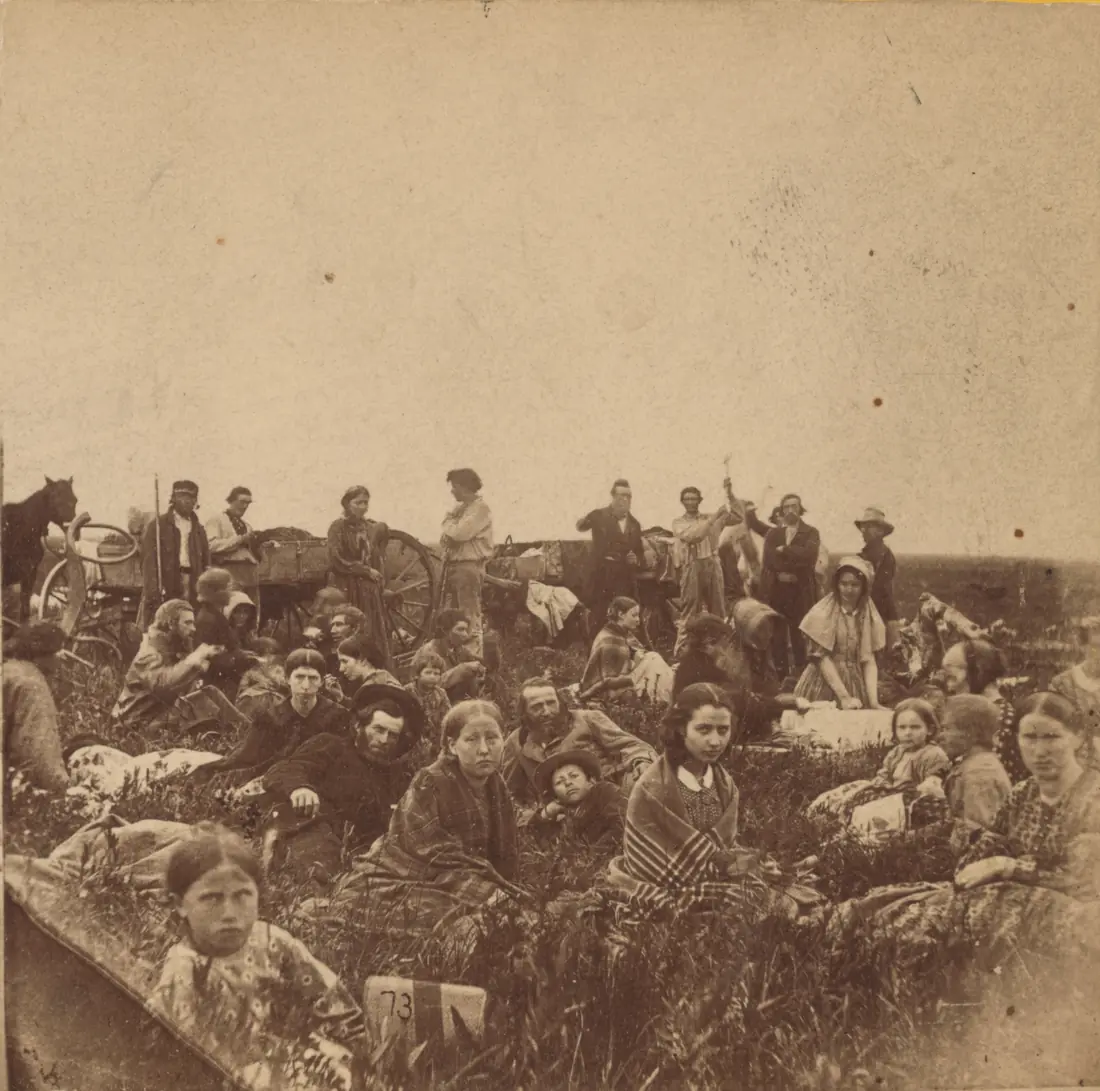
It was a quiet spring morning in Washington, D.C., USA on May 11, 1858. Across the country, a new chapter in American history was about to unfold as the U.S. Congress prepared to vote on a significant decision. The streets of Washington were bustling with activity as politicians, journalists, and citizens alike eagerly awaited the outcome of this momentous day. On this day, Minnesota was on the cusp of becoming the 32nd state to join the United States of America. The journey to this moment had been long and arduous, with years of lobbying and negotiation by the people of Minnesota to achieve statehood. As the day wore on, the U.S. Congress convened to cast their votes, and after a tense debate, the decision was made: Minnesota would indeed become a state. The news spread like wildfire, and people from all over the country began to celebrate this historic moment. The admission of Minnesota as a state was not just a victory for its residents but also a testament to the country's westward expansion and the relentless pursuit of growth and progress. Before this moment, the area had been inhabited by indigenous tribes and later by European settlers, but it wasn't until the mid-19th century that the push for statehood gained momentum. The discovery of natural resources, the construction of the railroad, and the influx of immigrants all contributed to the region's rapid growth, making it an attractive candidate for statehood. In the days and weeks that followed, the people of Minnesota rejoiced at their newfound status, and the state began to take shape. The government established a new constitution, and the first elections were held to choose the state's leaders. As the news of Minnesota's statehood spread, it also sparked a new wave of interest in the American West, with many more settlers and adventurers flocking to the region in search of opportunity. This moment marked a rare moment in American history, one that would shape the course of the country's development for generations to come. The admission of Minnesota as the 32nd state was more than just a footnote in history; it represented a new era of growth, exploration, and possibility, one that continues to inspire and captivate people to this day.
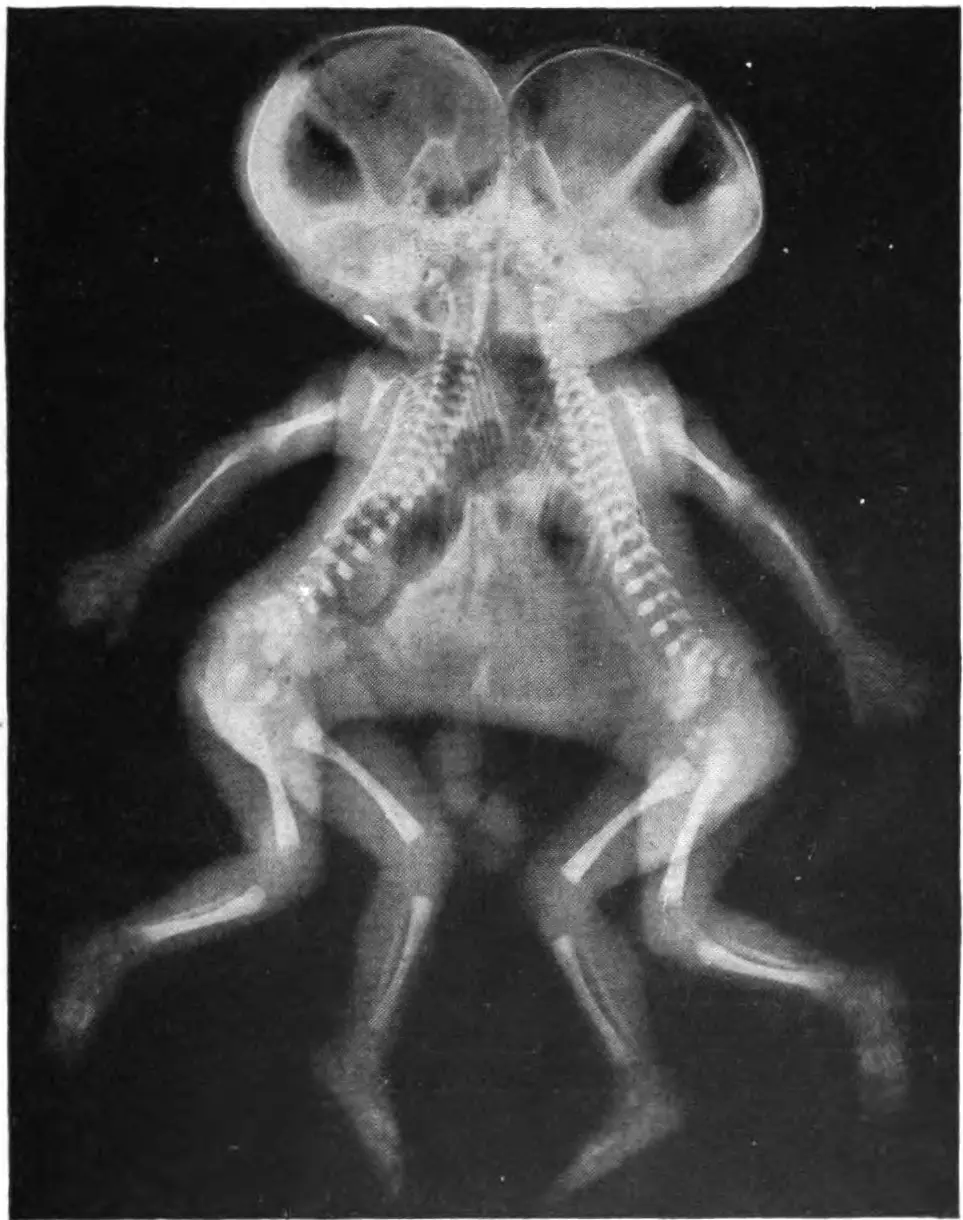
On May 11, 1980, the city of Philadelphia, Pennsylvania, USA, would witness a groundbreaking medical achievement. It was an ordinary Monday morning — until a team of skilled surgeons at Children's Hospital of Philadelphia made history by successfully separating conjoined twins. The stakes were high, as the lives of these two young girls hung in the balance, their fate dependent on the precision and skill of the medical team. The twins, born joined at the chest, had been given little chance of survival, but the surgeons were determined to give them a fighting chance. Led by Dr. C. Everett Koop, the team of doctors, nurses, and anesthesiologists worked tirelessly to separate the twins, carefully navigating the complex web of shared organs and tissues. As the surgery progressed, the tension in the operating room was palpable, with every snip of the scalpel and every beat of the heart monitor holding the team's rapt attention. The world was a very different place before this moment, with conjoined twins often being seen as a curiosity or a tragedy, rather than individuals with a chance at a full and separate life. However, advances in medical technology and a deeper understanding of human anatomy had created an environment where such a daring procedure could be attempted. The buildup to this moment had been years in the making, with countless hours of research, experimentation, and innovation paving the way for this rare moment of medical triumph. After the successful separation, the twins, who had been given a second chance at life, began their long and arduous journey of recovery, with their families and medical team by their side. As news of the successful surgery spread, the medical community and the general public were amazed by the results, and the twins' story inspired countless others to pursue careers in medicine and to push the boundaries of what was thought possible. The legacy of this event still resonates today, as it marked a significant shift in the way the world viewed conjoined twins and paved the way for future medical breakthroughs, giving hope to families and individuals facing similar challenges. This moment will forever be etched in the annals of medical history, a testament to human ingenuity and the unwavering dedication of medical professionals to saving lives and improving the human condition.