In just one day, on May 12, 2017, a global cyberattack affected more than 200,000 computers in over 150 countries worldwide, with the impact felt from Asia to Europe and the Americas. It happened on a typical Friday, when people were at work or school, unaware of the chaos that was about to unfold. The attack, known as the WannaCry ransomware, targeted computers using the Windows operating system, locking users out of their devices and demanding a ransom in bitcoin to restore access. As the day progressed, the true scale of the attack became clear, with hospitals, banks, and transportation systems all being hit, causing widespread disruption and panic. The attack was so severe that it forced the UK's National Health Service to cancel surgeries and divert ambulances, while in Russia, the Interior Ministry reported that over 1,000 of its computers had been affected. The cyberattack was not just a random event, but the result of a combination of factors, including a vulnerability in the Windows operating system that had been discovered by the US National Security Agency, and a group of hackers known as the Shadow Brokers, who had stolen the NSA's hacking tools and released them online. The world was still reeling from the attack when it became clear that it could have been prevented, or at least mitigated, if companies and governments had kept their software up to date and taken basic cybersecurity precautions. After the attack, there was a scramble to contain the damage and find a solution, with cybersecurity experts working around the clock to develop a fix. In the days and weeks that followed, the attack led to a major overhaul of cybersecurity practices, with companies and governments investing heavily in new technologies and training to prevent similar attacks in the future. The WannaCry attack also led to a greater awareness of the importance of cybersecurity, with individuals and organizations taking steps to protect themselves from the growing threat of cybercrime. Today, the legacy of the WannaCry attack can still be felt, serving as a reminder of the importance of cybersecurity and the need for constant vigilance in the face of evolving threats. The attack marked a rare moment when the world came together to fight a common enemy, and it led to a new way of thinking about cybersecurity, one that emphasizes cooperation and shared responsibility.
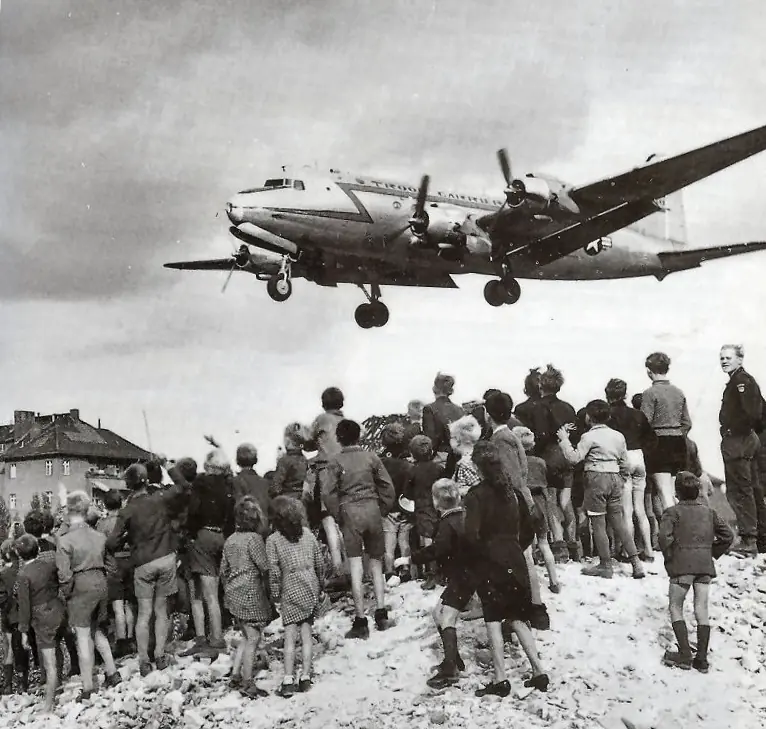
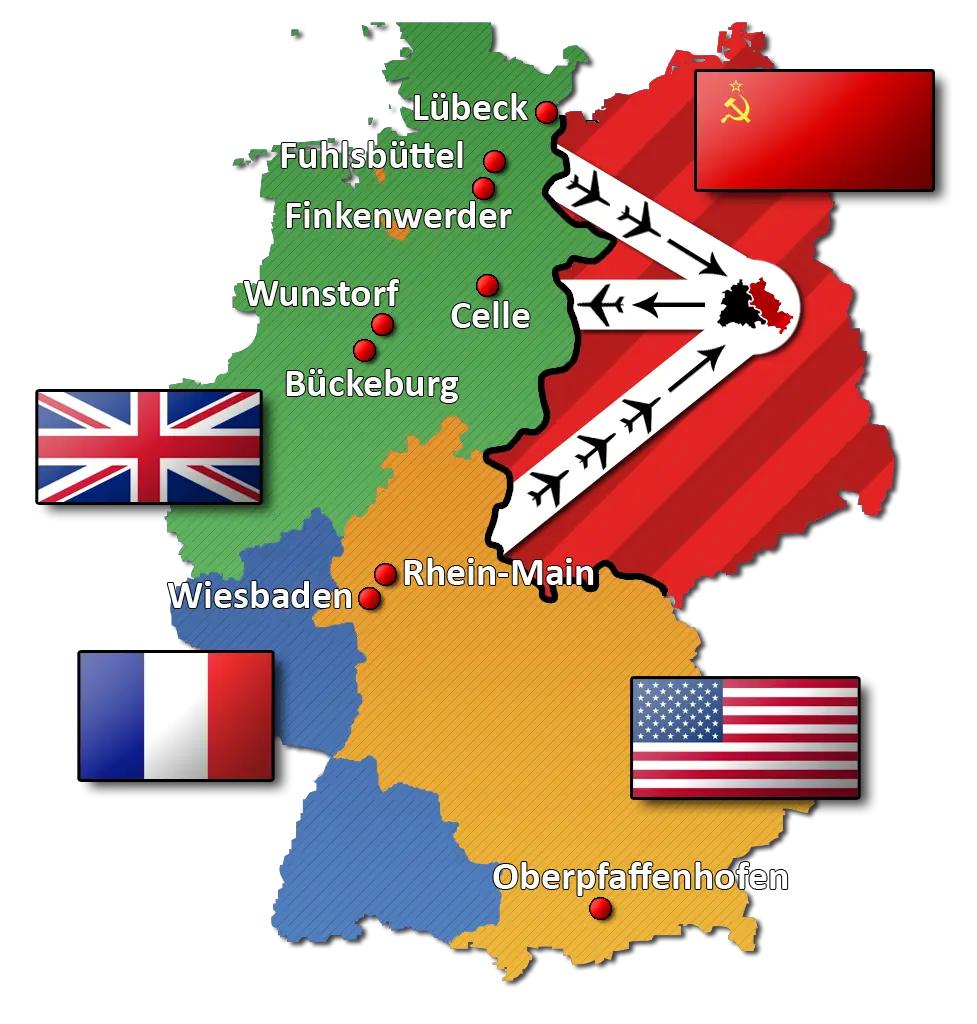
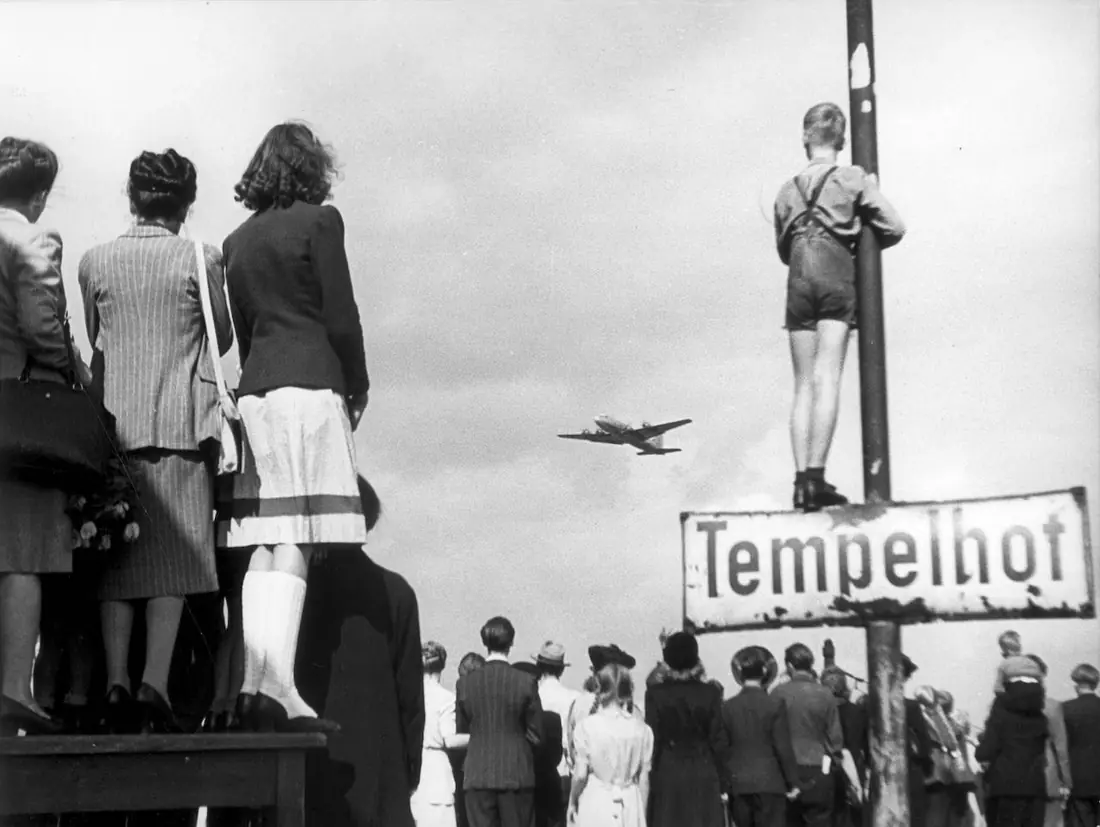
On May 12, 1949, in Berlin, Germany, the world changed as the Soviet Union lifted its blockade of the city, marking a significant shift in the delicate balance of power in post-war Europe. The next day, the streets of Berlin were filled with a sense of relief and hope as supplies began to flow into the city once again, bringing an end to the hardships and struggles of the previous year. The blockade, which had been in place since June 1948, had been a major point of tension between the Soviet Union and the Western powers, with the United States and Britain responding with a massive airlift to keep the city supplied. As the blockade was lifted, the people of Berlin were finally able to breathe a sigh of relief, knowing that they would no longer have to rely on the airlift to survive. The Soviet Union's decision to impose the blockade had been a response to the introduction of a new currency in West Germany, which they saw as a threat to their control over the eastern sector of the city. The Western powers had refused to back down, and the resulting standoff had brought the world to the brink of war. The blockade had been a major test of wills, with the Soviet Union trying to strangle the city into submission, but the Western powers had refused to give in. After the blockade was lifted, the city of Berlin began to return to a sense of normalcy, with supplies flowing in and the economy beginning to recover. The people of Berlin were grateful for the end of the blockade, and the city began to flourish once again. The lifting of the blockade marked a significant turning point in the Cold War, as it showed that the Western powers were willing to stand up to the Soviet Union and defend their interests. The aftermath of the blockade saw a strengthening of the alliance between the United States and Western Europe, and paved the way for the creation of the North Atlantic Treaty Organization (NATO). The legacy of the Berlin blockade can still be felt today, as it marked a rare moment of cooperation and determination among the Western powers, and showed that even in the darkest of times, there is always hope for a better future. The bravery and resilience of the people of Berlin during this time will always be remembered, and their story will continue to inspire generations to come.