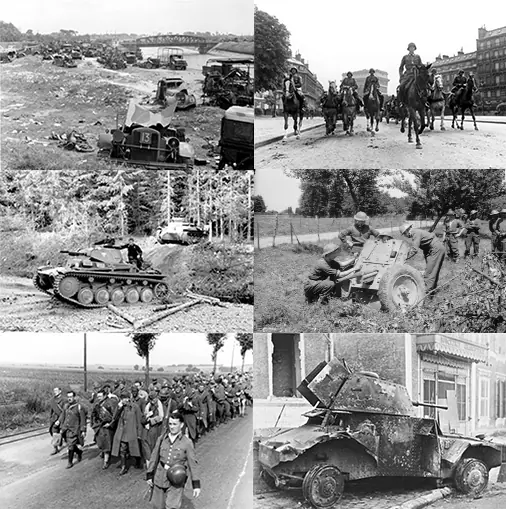
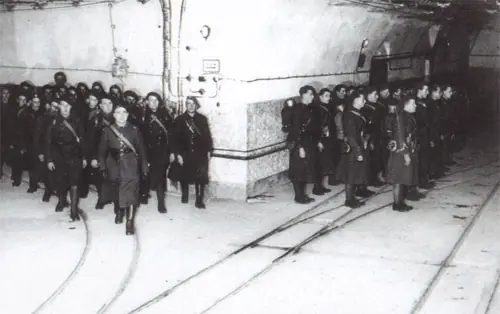
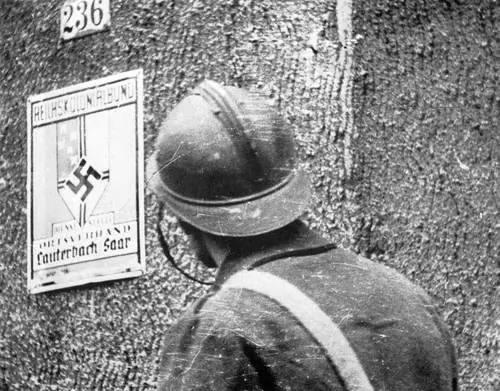
On May 13, 1940, the city of Paris, France, was on the brink of a catastrophic event that would change the course of history. It was an ordinary Tuesday morning in the French capital, with people going about their daily lives, until the sound of gunfire and explosions filled the air. The Battle of France had begun, and the fate of the country hung in the balance. As the German army, led by Adolf Hitler, launched a surprise attack on France, the French military, led by General Maurice Gamelin, scrambled to respond. The Germans had been planning this invasion for months, and their strategy was to quickly overwhelm the French defenses and push deep into the country. The French army, however, was not prepared for the speed and ferocity of the German attack, and they were quickly pushed back. The battle was intense, with both sides suffering heavy losses, and the French people were in a state of panic. The world was watching as the Battle of France unfolded, and the consequences of a German victory would be dire. The Germans had been building up their military strength for years, and their aggressive expansion into Europe had been met with appeasement from the British and French governments. However, the invasion of Poland in 1939 had finally prompted the British and French to declare war on Germany, and now the war had come to France. As the battle raged on, the French government was in disarray, and the people were struggling to come to terms with the reality of their situation. In the days and weeks that followed, the French army was unable to hold back the German advance, and the country was eventually occupied by the Germans. The French people were forced to live under German rule, and the country was plundered for its resources. The Battle of France was a turning point in the war, and it marked the beginning of a long and difficult period for the French people. The legacy of the Battle of France can still be felt today, as it serves as a reminder of the devastating consequences of war and the importance of standing up against aggression. The bravery and resilience of the French people during this time are an inspiration, and their story continues to captivate people around the world.
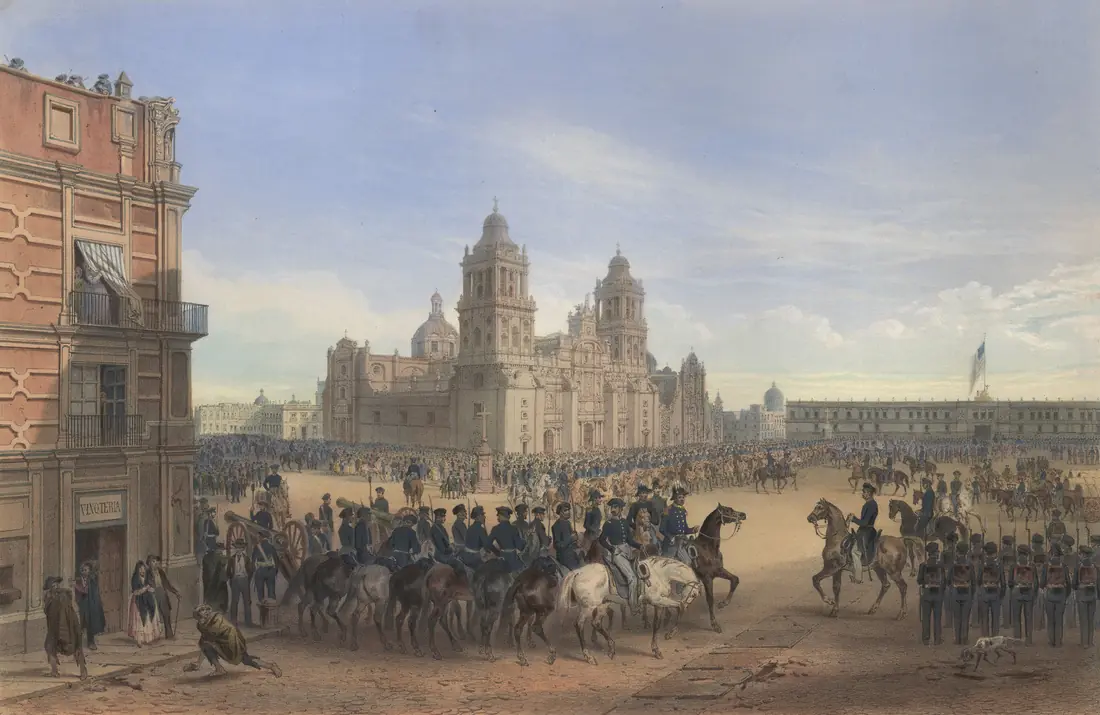
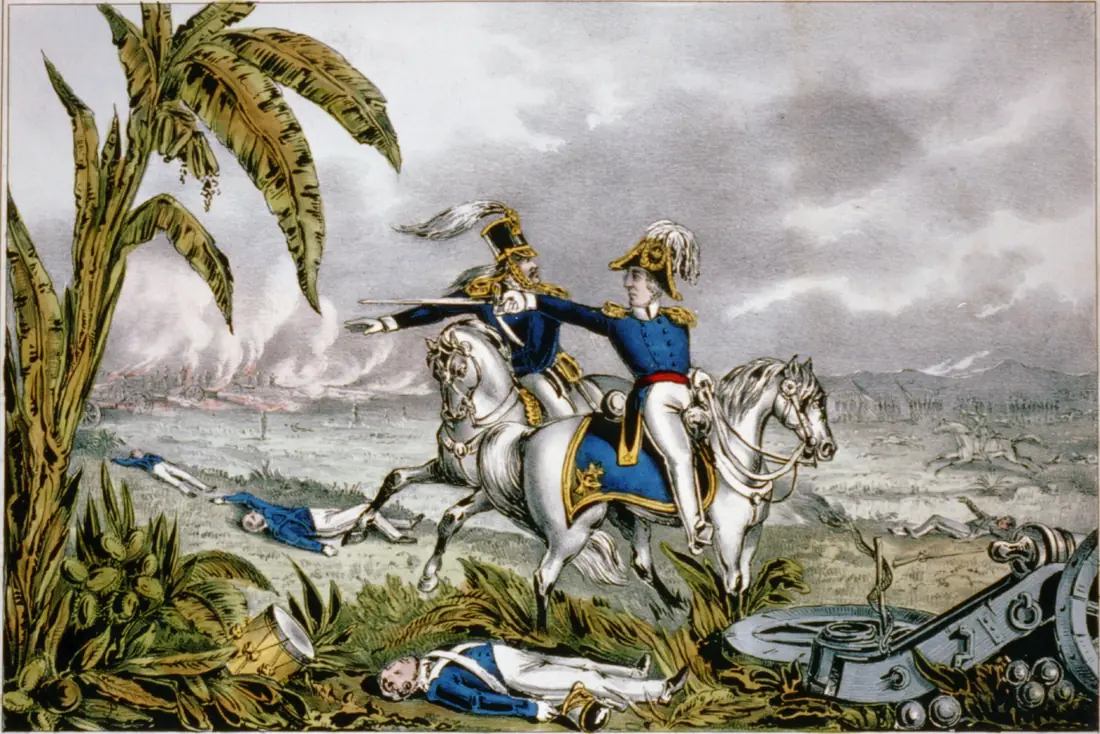
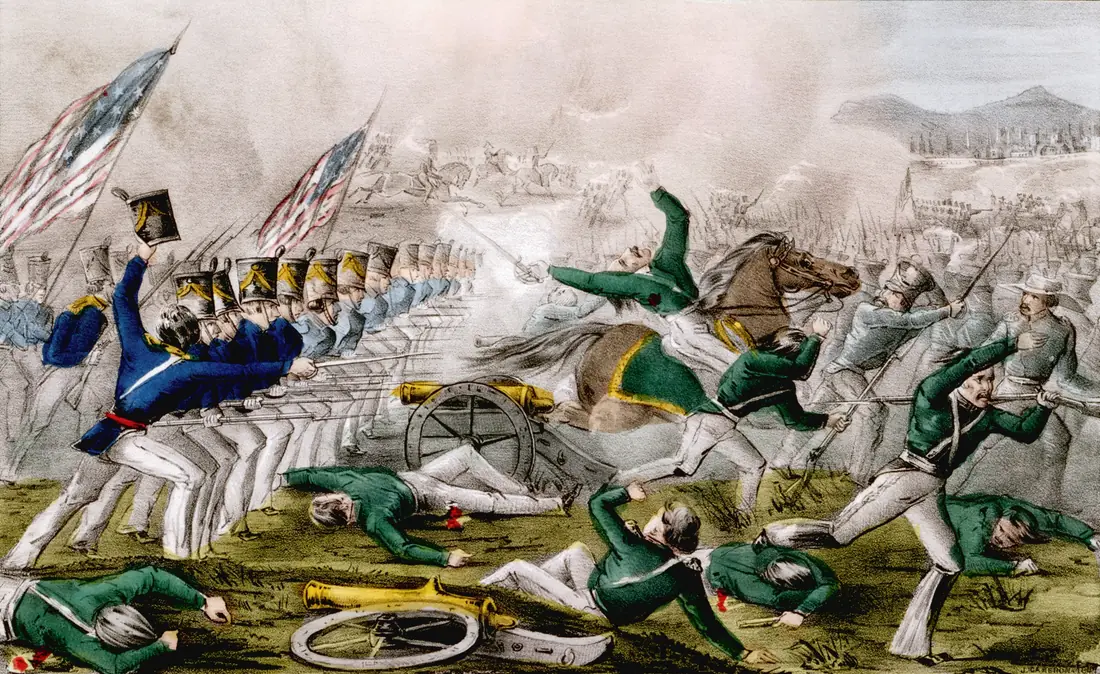
In just two years, from 1846 to 1848, the United States would gain over 529,000 square miles of land, but it all started on May 13, 1846, in Washington, D.C., United States, when the U.S. Congress declared war on Mexico. It was a pivotal moment in American history, one that would change the face of the country forever. On that day, President James K. Polk signed a declaration of war, which would lead to a conflict that lasted for nearly two years, resulting in the loss of thousands of lives and a significant shift in the world politics. The war was sparked by a series of events, including the U.S. annexation of Texas, which Mexico considered part of its territory, and the desire of the U.S. government to expand its territory westward. The U.S. government had long been interested in acquiring the Mexican territories of California and New Mexico, and the war provided the perfect opportunity to do so. As the war began, American troops, led by General Zachary Taylor, marched into Mexico, capturing key cities and territories, while the Mexican army, led by General Mariano Arista, fought back with all their might. The war was brutal, with both sides suffering heavy losses, but in the end, the U.S. emerged victorious, gaining control of a vast amount of land, including present-day California, Nevada, Utah, Arizona, New Mexico, Texas, and parts of Colorado, Kansas, Oklahoma, and Wyoming. The aftermath of the war was marked by a significant shift in the balance of power in North America, with the U.S. emerging as a dominant force, while Mexico was left to pick up the pieces and rebuild. The war also had a profound impact on the indigenous populations of the region, who were forcibly removed from their lands and relocated to reservations. The legacy of the Mexican-American War can still be felt today, with the U.S.-Mexico border remaining a contentious issue, and the war serving as a reminder of the complex and often fraught history between the two countries. The war marked a rare moment in American history, one in which the country's expansionist dreams were realized, but at a great cost in human lives and suffering.