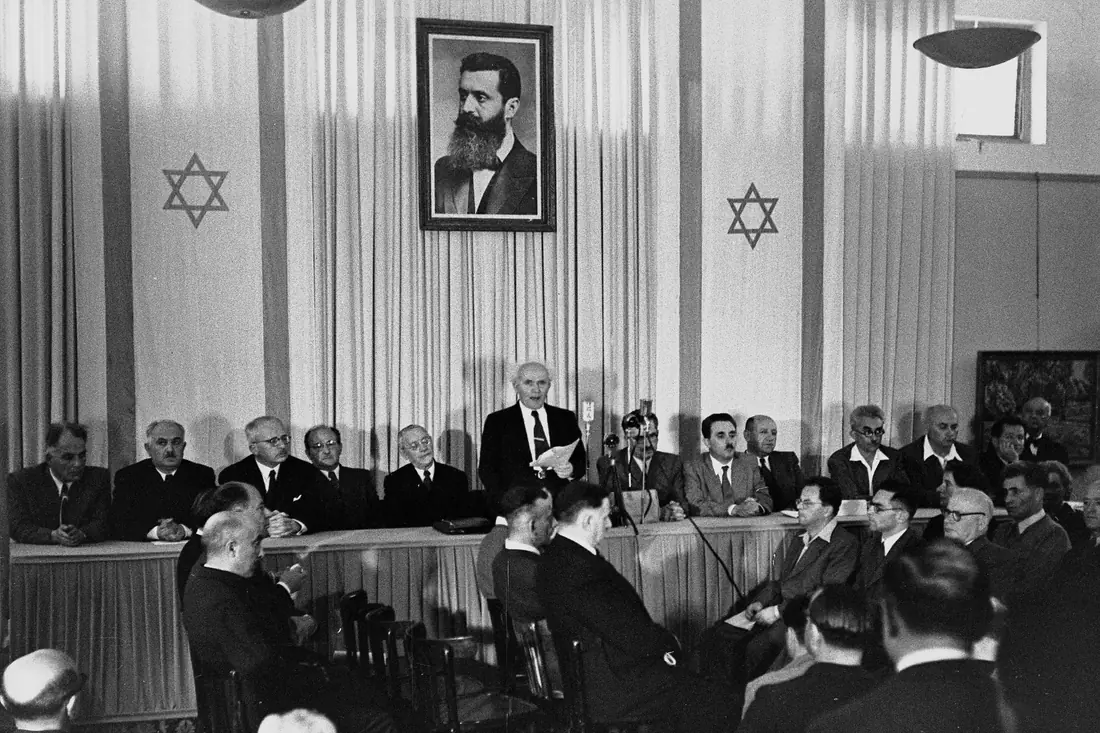
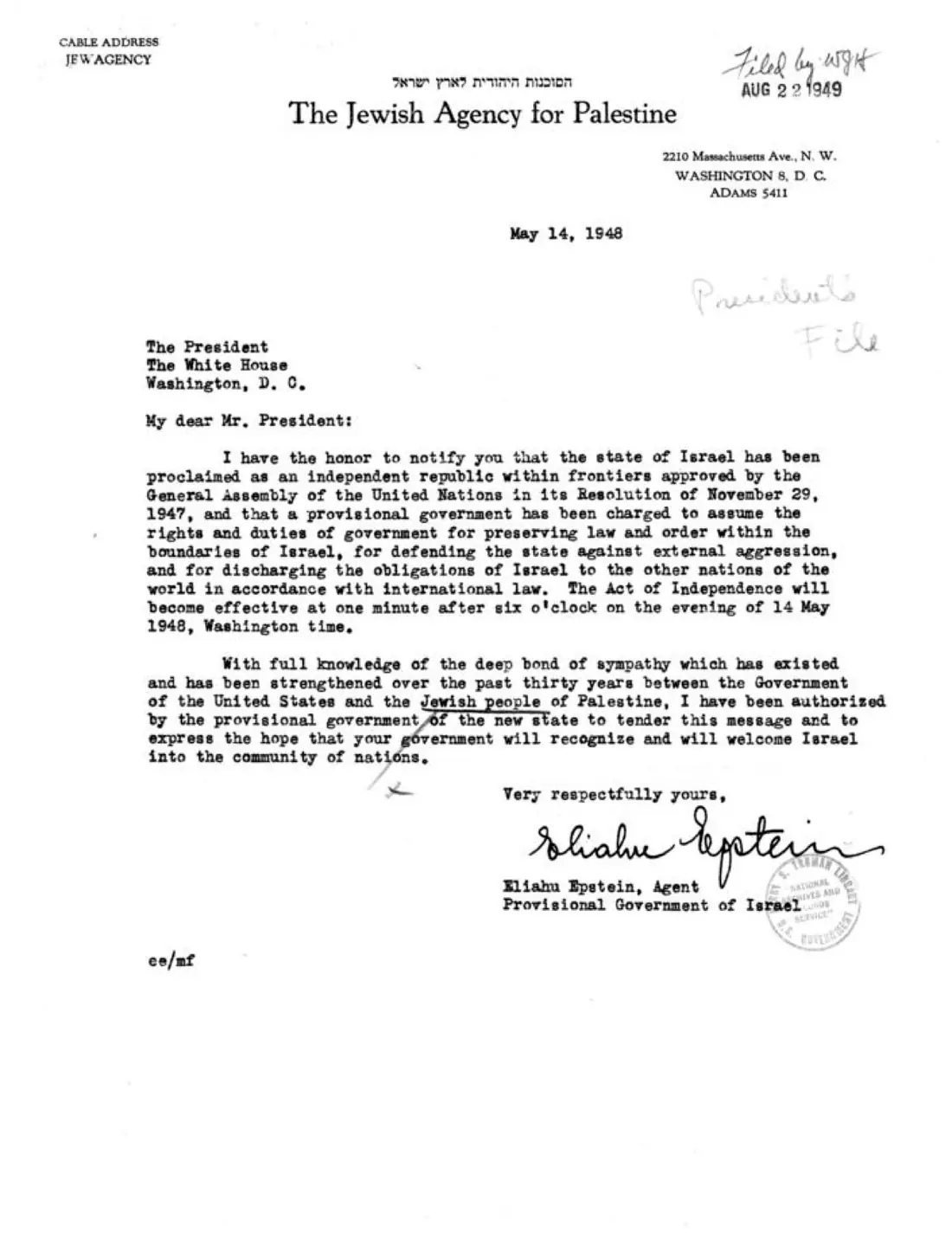
On May 14, 1948, the city of Tel Aviv, Israel, would change forever. It was a tense Friday morning in a region that had been a battleground for decades. The air was thick with anticipation as the Jewish People's Council, led by David Ben-Gurion, gathered at the Tel Aviv Museum to make a historic declaration. At 4:00 PM, Ben-Gurion stood before the crowd and proclaimed the establishment of the State of Israel, marking the end of the British Mandate for Palestine and the beginning of a new era for the Jewish people. The room erupted in cheers as the declaration was read, and the crowd spilled out into the streets to celebrate. The declaration was the result of years of struggle and perseverance by the Jewish community, who had faced persecution and violence in their quest for a homeland. The world was a very different place before this moment, with the Jewish people scattered across the globe, facing discrimination and hatred. The Holocaust had left deep scars, and the need for a safe haven had become desperate. After the declaration, the new state was immediately recognized by the United States, the Soviet Union, and other countries, but it was also met with resistance and violence from neighboring Arab states. In the days and weeks that followed, Israel fought for its survival, facing attacks from all sides, and the world watched as the young nation struggled to establish itself. The establishment of Israel had far-reaching consequences, shaping the course of world politics and inspiring hope and resilience in people around the globe. It remains a powerful symbol of the human quest for freedom, self-determination, and a place to call home, and its legacy continues to shape the world we live in today.
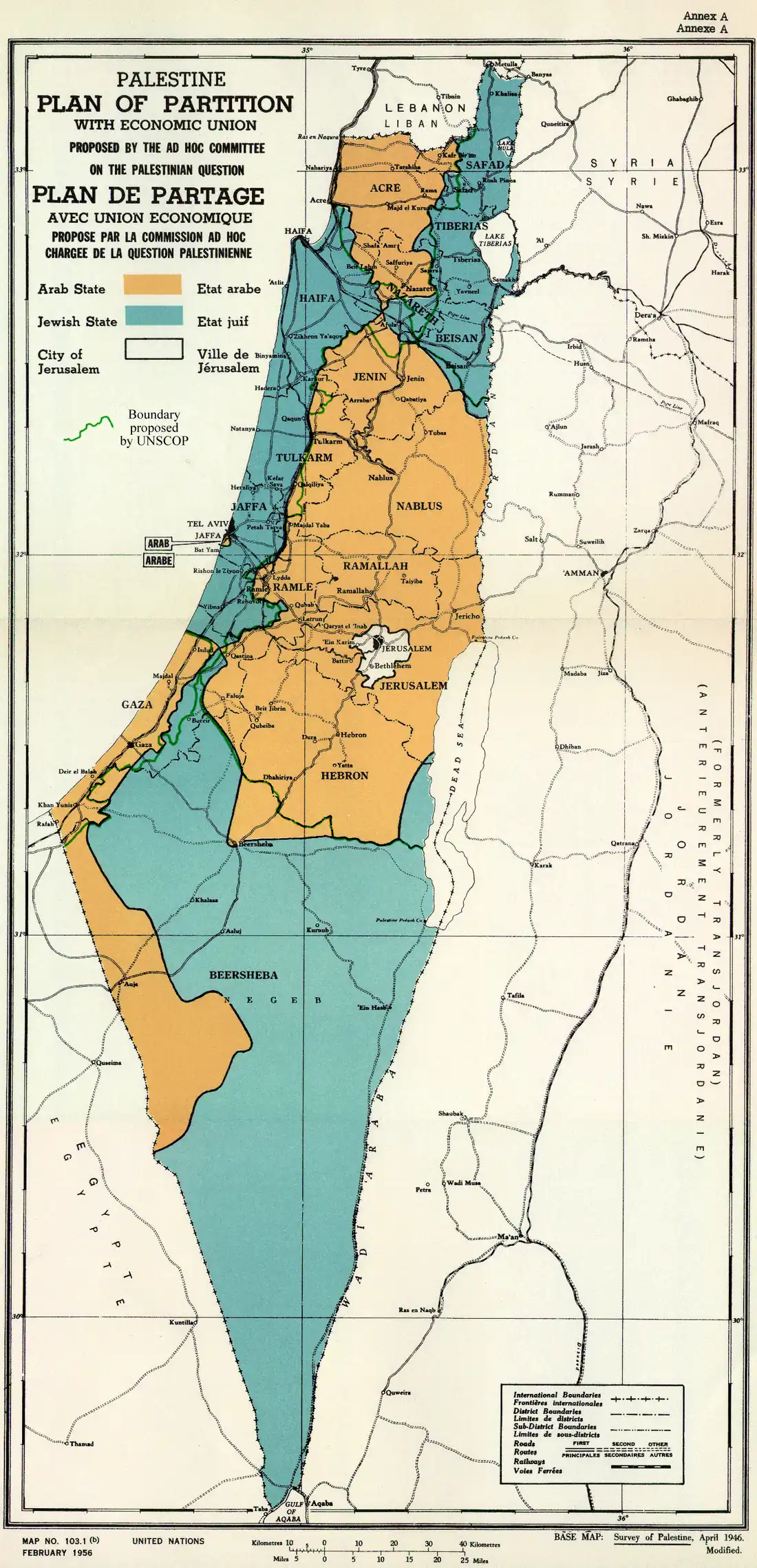
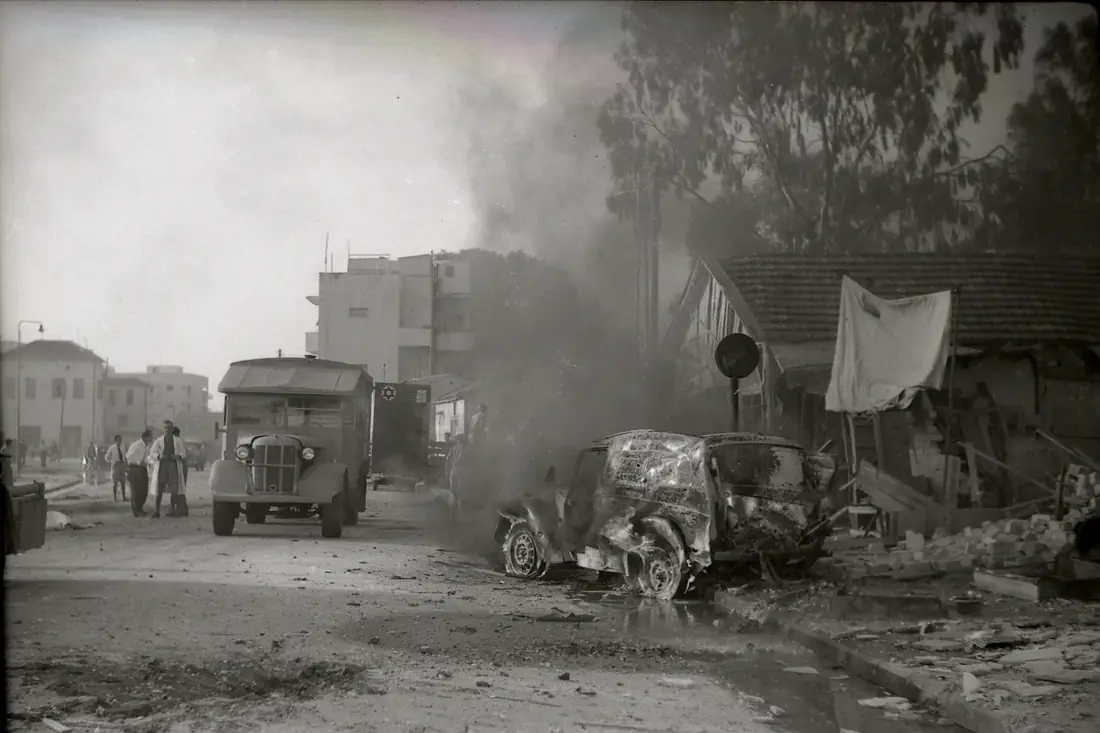
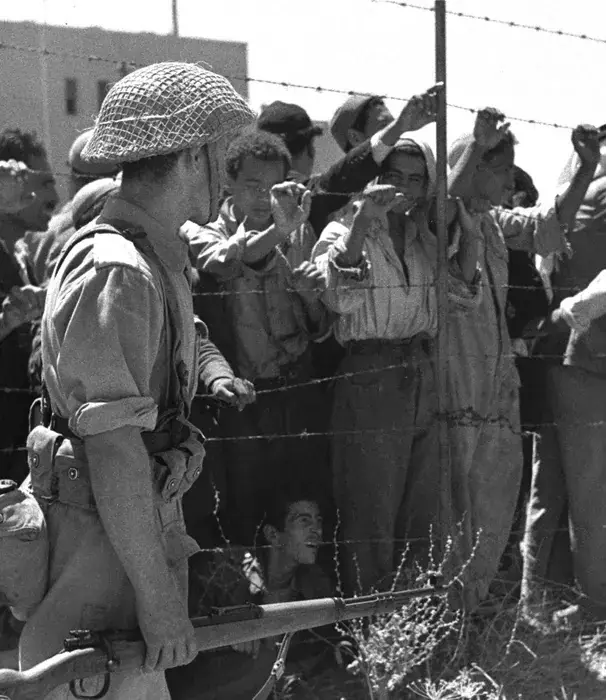
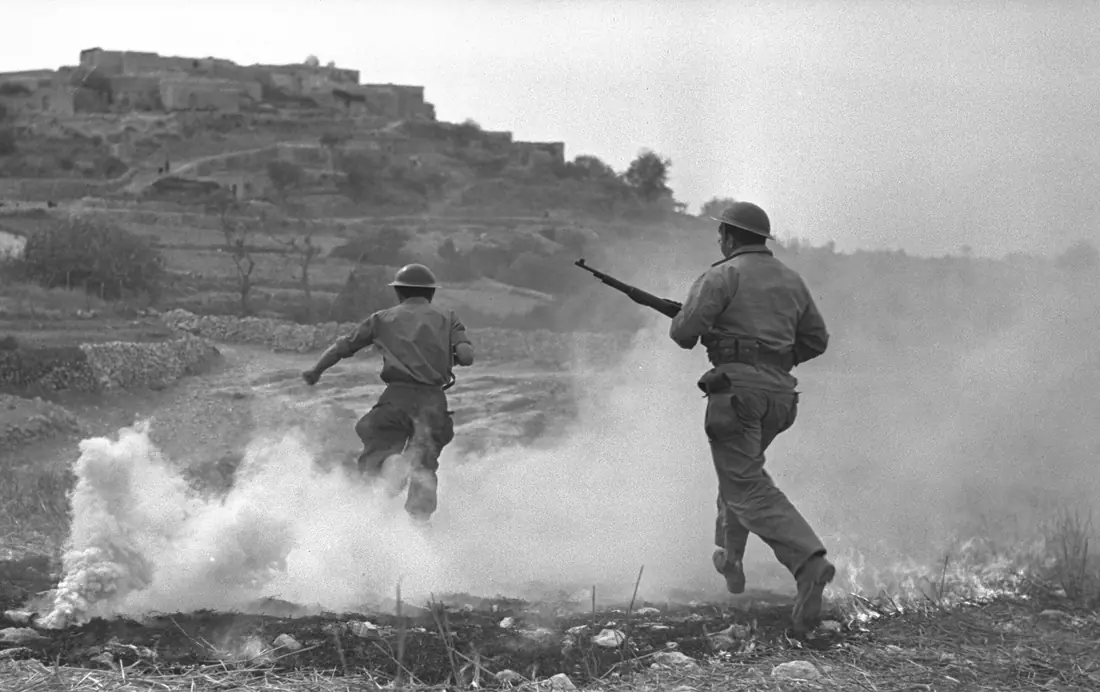
In just five minutes on May 14, 1948, in Tel Aviv, Israel, David Ben-Gurion declared the establishment of the State of Israel, marking a pivotal moment in world history. It happened at 4:00 PM, in the middle of the day, while the world watched with bated breath. The declaration was the culmination of decades of struggle for a Jewish homeland, with over 600,000 Jews having already made their way to Palestine, then under British rule. As the news spread, thousands of people gathered in the streets, waving flags and cheering, while others wept tears of joy. The room where the declaration was made was filled with emotion, as the weight of the moment sank in for the 250 people in attendance, including Ben-Gurion and other prominent Jewish leaders. They had worked tirelessly to make this moment a reality, and now it was finally here. The declaration was the result of years of planning and negotiation, with the international community playing a significant role in the lead-up to the event. The world was a very different place before this moment, with the horrors of the Holocaust still fresh in people's minds, and the need for a Jewish homeland more pressing than ever. The British government, which had controlled Palestine since the end of World War I, had announced its intention to withdraw, leaving a power vacuum that the Jewish and Arab populations were eager to fill. The United Nations had proposed a plan to divide the territory into separate Jewish and Arab states, but the Arab leadership had rejected it, leading to the outbreak of violence and the eventual declaration of independence. After the declaration, the new state was immediately recognized by the United States and the Soviet Union, but the surrounding Arab countries responded with force, launching a military attack on the fledgling nation. The war that followed, known as the 1948 Arab-Israeli War, lasted for several months, resulting in the displacement of hundreds of thousands of Palestinians and the establishment of Israel as a sovereign state. The aftermath of the war saw the creation of refugee camps, the rise of new political leaders, and a fundamental shift in the balance of power in the region. The legacy of this moment can still be felt today, as the world continues to grapple with the complexities of the Israeli-Palestinian conflict, and the dream of a peaceful and secure homeland remains an elusive goal for many. The declaration of independence marked a rare moment of hope and triumph, one that continues to inspire people around the world, and serves as a reminder of the power of determination and perseverance in the face of overwhelming adversity.