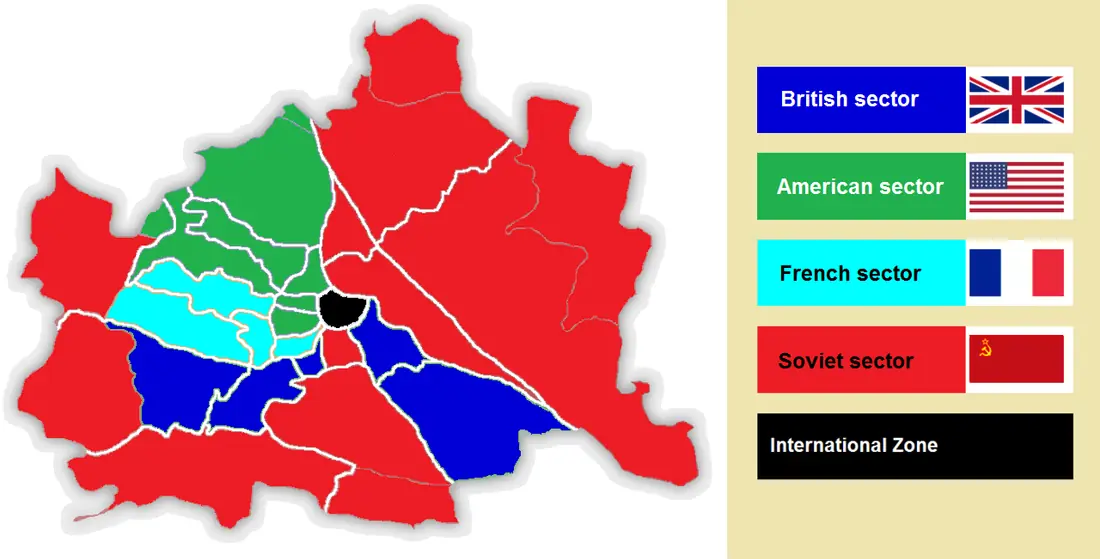
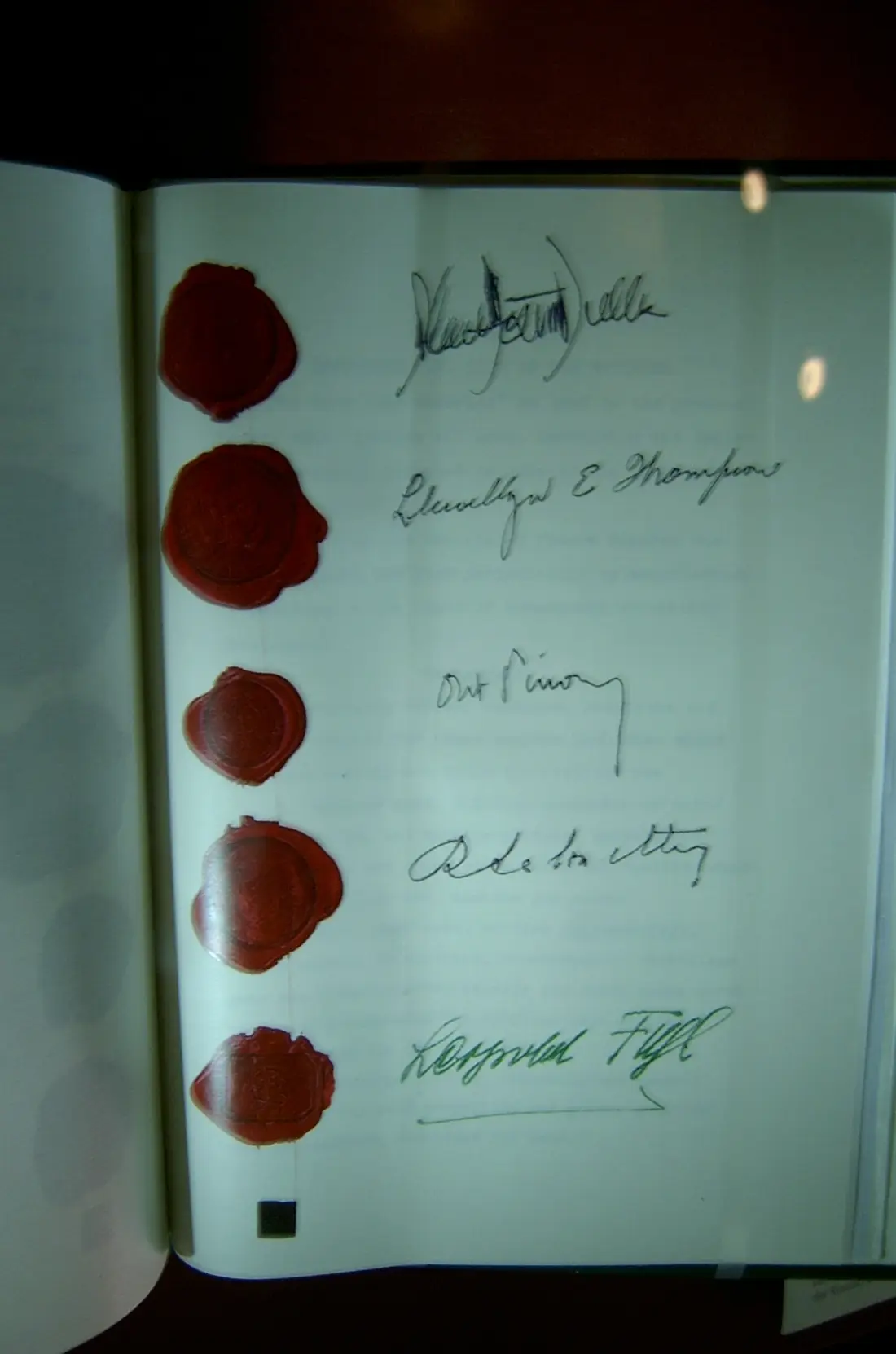
On May 15, 1955, in Vienna, Austria, a young diplomat named Leopold Figl stood at the forefront of a historic moment, one that would change the course of his country's future. As he looked out at the city, he knew that this day, May 15, would be etched in the memories of Austrians for generations to come. The grand halls of the Belvedere Palace, where Figl and other dignitaries had gathered, buzzed with anticipation as they prepared to sign the Austrian State Treaty. This treaty was the culmination of years of negotiation and tension, aiming to re-establish Austria as a sovereign state after the devastating effects of World War II. The war had left Austria occupied by the Allied Powers, and the country's future hung in the balance. Figl, along with other key figures like Soviet Foreign Minister Vyacheslav Molotov and U.S. Secretary of State John Foster Dulles, played a crucial role in the negotiations that led to this moment. As they signed the treaty, the weight of history was palpable, marking the beginning of a new era for Austria. The aftermath of the signing was met with a mix of emotions - relief, hope, and a sense of uncertainty about what the future held. In the days and weeks that followed, Austrians began to feel a sense of freedom they had not known in over a decade. The treaty not only recognized Austria's sovereignty but also paved the way for the country's economic and social recovery. As the news of the treaty spread, people from all walks of life came together to celebrate this rare moment of unity and peace. The Austrian State Treaty's legacy extends far beyond the moment it was signed. It marked a significant shift in world politics, showing that even in the midst of the Cold War, nations could come together to forge peace. Today, the treaty remains a powerful symbol of what can be achieved through diplomacy and determination, a reminder that even the most daunting challenges can be overcome when nations work together towards a common goal.
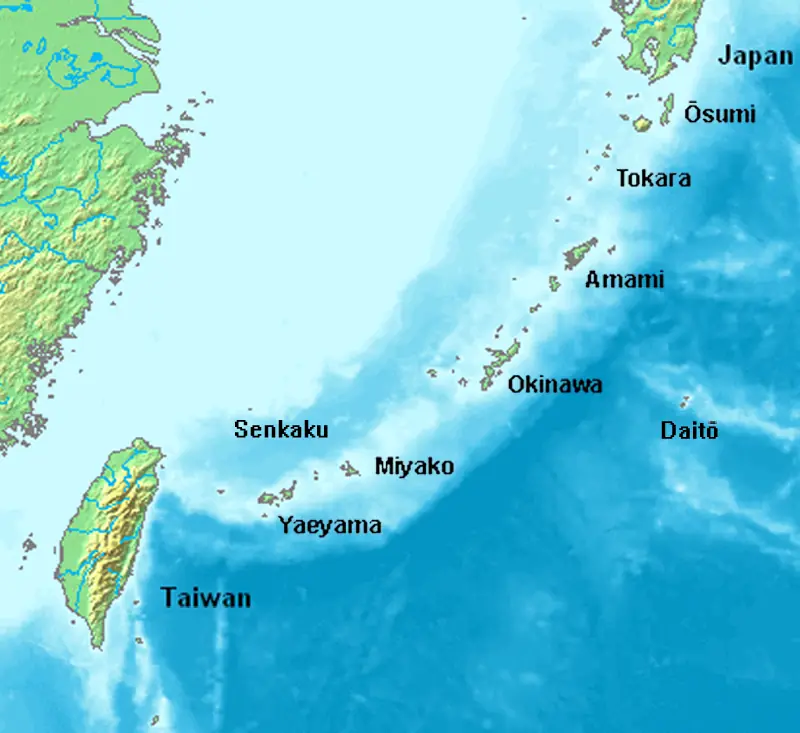
It was a sunny spring morning in Okinawa, Japan on May 15, 1972. Across the island, a sense of anticipation filled the air as people went about their daily routines, unaware that their lives were about to change forever. The streets were bustling with activity, the smell of fresh seafood and traditional Okinawan cuisine wafting through the air, as the sound of chatter and laughter filled the streets. On this day, the Ryukyu Islands, including Okinawa, were returned to Japan from the United States, marking the end of a nearly three-decade-long period of American occupation. The handover ceremony took place at the Okinawa Prefectural Hall, where Japanese and American officials gathered to sign the official documents, marking the transfer of power. The ceremony was attended by Japanese Prime Minister Kakuei Tanaka, who had been a key figure in the negotiations leading up to the handover, as well as American officials, including the United States Ambassador to Japan, Armin H. Meyer. As the documents were signed, the crowd erupted in cheers and applause, marking a new era for the people of Okinawa. The return of the islands to Japan was the result of years of negotiations between the two countries, driven by Japan's desire to regain control over its territory and the United States' need to reassess its military presence in the region. The occupation had been in place since the end of World War II, and over the years, tensions had been building between the Japanese government and the American military, which had maintained a significant presence on the islands. The handover was seen as a way to ease these tensions and improve relations between the two countries. In the days and weeks that followed, the people of Okinawa began to adjust to their new status as part of Japan, with many expressing a sense of relief and optimism about the future. The Japanese government quickly moved to reintegrate the islands into the country, investing in infrastructure and promoting economic development. The return of the Ryukyu Islands to Japan marked a significant turning point in the country's history, paving the way for a new era of growth and development. It also marked a rare moment of cooperation between two former enemies, showing that even in the aftermath of conflict, it is possible to find common ground and work towards a more peaceful future. The legacy of this event continues to be felt today, serving as a reminder of the power of diplomacy and the importance of cooperation in shaping a more peaceful world.