It was a sunny spring morning in California, USA, on May 16, 1960. Across the state, people were going about their daily lives, unaware that a groundbreaking event was about to take place in the city. On that day, the world was on the cusp of a technological revolution, and Theodore Maiman was at the forefront, working tirelessly in his laboratory to perfect his invention. As Maiman carefully assembled the components of his experiment, he was about to demonstrate the first working laser, a device that would change the world forever. With the help of his team, Maiman successfully demonstrated the laser, and the room was filled with an intense, concentrated beam of light that left everyone in awe. The event was the result of years of research and experimentation by Maiman, who had been driven by his passion for physics and his determination to push the boundaries of what was thought possible. Before this moment, scientists had been struggling to create a device that could produce a concentrated beam of light, but Maiman's innovative approach and perseverance had finally paid off. The world was not yet aware of the vast potential of the laser, but Maiman's discovery would soon have a profound impact on various fields, from medicine to telecommunications. In the days and weeks that followed, news of the laser spread like wildfire, and scientists from around the world began to take notice of Maiman's achievement. As the news sank in, people began to realize the enormous potential of the laser, and researchers started exploring its applications in various fields. The discovery of the laser marked the beginning of a new era in technology, and it paved the way for countless innovations that would shape the world in the decades to come. Today, the laser is an integral part of our daily lives, from the scanners at the supermarket to the fiber optic cables that connect us to the internet, and it is a testament to the power of human ingenuity and the boundless potential of scientific discovery.
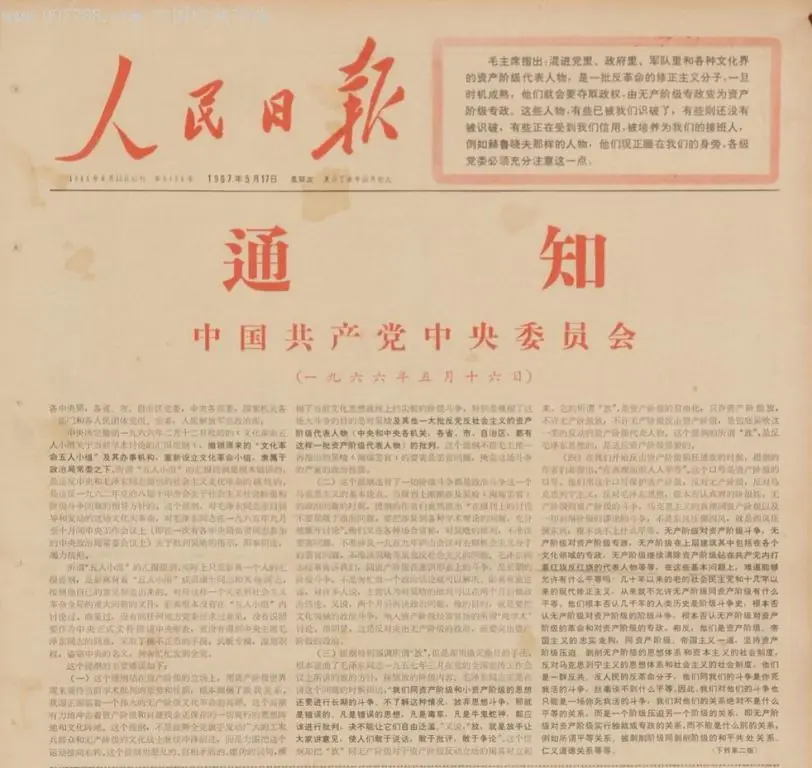
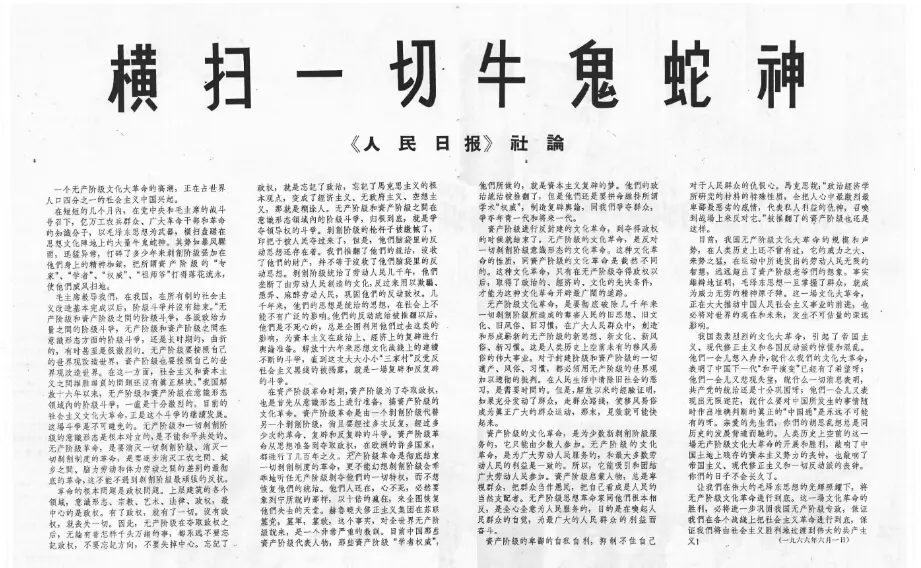
On May 16, 1966, in Beijing, China, a significant event was unfolding that would change the course of history. It was a typical day in the bustling city, with people going about their daily routines, unaware of the storm that was brewing. The Chinese Communist Party, led by Chairman Mao Zedong, was on the verge of issuing a notice that would mark the beginning of a tumultuous period in Chinese history. The 'May 16 Notice' was a call to action, urging the masses to rise up against the old ways and embrace a new era of revolution. As the notice spread like wildfire, people from all walks of life began to mobilize, eager to be a part of this historic moment. The streets of Beijing were filled with the sound of chanting and the sight of red flags waving in the air. Chairman Mao, a charismatic leader with a vision for a new China, had been building up to this moment for years, fueled by his desire to purge the country of its old ways and create a truly socialist society. The world was a complex and volatile place in the 1960s, with the Cold War raging and social unrest simmering beneath the surface. China, in particular, was struggling to find its place in the world, and Mao's vision for a revolution was seen as a way to assert the country's independence and strength. As the Cultural Revolution gained momentum, the results were chaotic and often violent. In the days and weeks that followed, schools and universities were closed, and students were encouraged to form paramilitary groups to attack and criticize those deemed to be counter-revolutionary. The streets were filled with the sound of struggle sessions, where people were forced to confess their supposed crimes and denounce their comrades. The aftermath was devastating, with millions of people affected, and the country plunged into a period of darkness and fear. The Cultural Revolution would go on to last for ten years, leaving deep scars that would take decades to heal. Yet, even today, the legacy of that moment can still be felt, a reminder of the power of ideology and the dangers of unchecked passion. The story of the 'May 16 Notice' serves as a cautionary tale, a reminder of the importance of understanding the complexities of history and the need for empathy and compassion in the face of uncertainty.
Image: 人民日报 · Public domainImage: 《人民画报》 · Public domain