Daily History
War & conflict

The Spanish Armada sets sail

Lisbon, Portugal
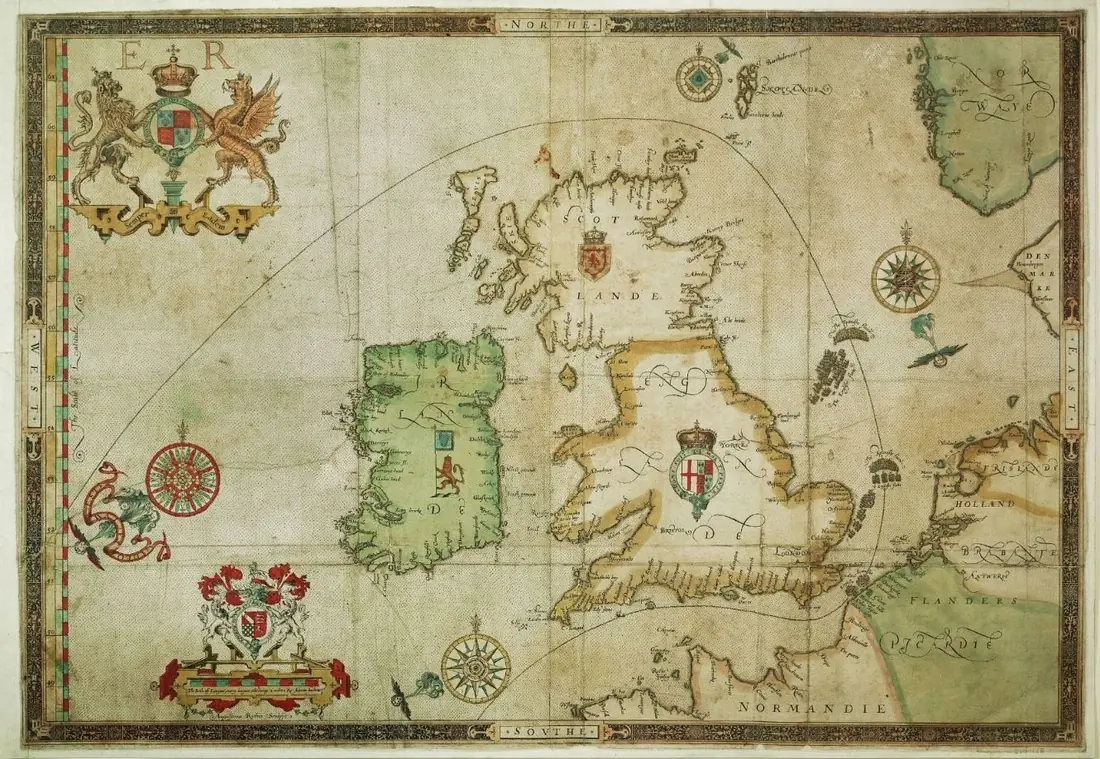
The Spanish Armada sets sail — Lisbon, Portugal
Image: Robert Adams, Augustine Ryther · Public domain

As the Spanish Armada sets sail from Lisbon, Portugal, on May 28, 1588, a sense of unease settles over the English coastline, where Queen Elizabeth I has been preparing for this moment for years. The Armada, consisting of 130 ships and over 25,000 men, is the largest naval force ever assembled, with a mission to overthrow Elizabeth and restore Catholicism in England.

The situation before the Armada's departure was tense, with England and Spain having been at odds for decades. The English had been raiding Spanish ships and colonies, and Spain, under the rule of King Philip II, had been seeking revenge. Philip, who was also the husband of Elizabeth's half-sister, Mary I, had been trying to depose Elizabeth since she took the throne in 1558. The Armada was his last resort, with a budget of over 10 million ducats, a vast amount that would be equivalent to hundreds of millions of dollars today.

As the Armada sails through the English Channel, it is met with fierce resistance from the English navy, which is much smaller but more agile and better equipped. The English ships, led by Sir Francis Drake and Sir John Hawkins, employ innovative tactics, such as breaking formation and attacking the Spanish ships from the sides and rear. The Spanish, on the other hand, are weighed down by their heavy armor and cumbersome ships, which make it difficult for them to maneuver. Over the next few weeks, the English navy inflicts significant damage on the Armada, sinking or capturing several ships and killing over 15,000 Spanish sailors and soldiers.
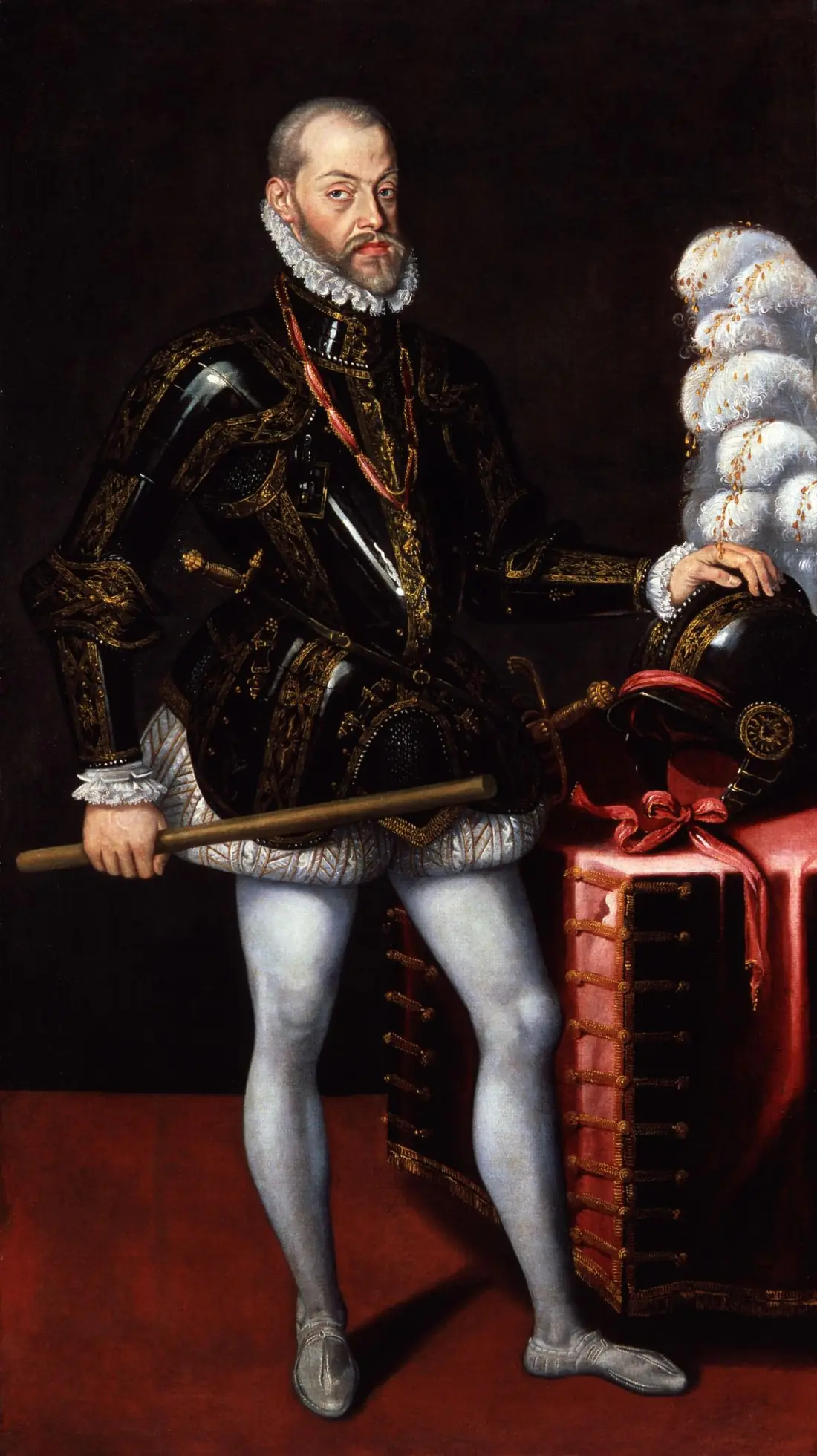
The Spanish Armada sets sail — Lisbon, Portugal
Image: anonymous · Public domain

The defeat of the Armada marks a turning point in English history, as it secures Elizabeth's position as queen and establishes England as a major naval power. The English navy, which had been considered inferior to the Spanish navy just a few years earlier, emerges as a dominant force, with a new generation of naval commanders who will go on to shape the course of English history. The defeat of the Armada also has significant consequences for Spain, which loses a vast amount of money, men, and prestige. The Spanish economy, which had been thriving in the 16th century, begins to decline, and the country becomes increasingly isolated from the rest of Europe.

In the years and decades that follow, the aftermath of the Armada's defeat continues to be felt. The English navy becomes a major force in European politics, and England establishes itself as a dominant world power. The Spanish, on the other hand, are forced to rebuild their navy and economy, a process that takes decades. As the English and Spanish continue to clash, the memory of the Armada's defeat becomes a rallying cry for the English, a symbol of their bravery and cunning in the face of overwhelming odds. And yet, despite the significance of the event, the man who led the Armada, Alonso Pérez de Guzmán, the 7th Duke of Medina Sidonia, returns to Spain a hero, where he is welcomed back by King Philip II, who blames the defeat on the weather and the English, rather than on his own naval commander.
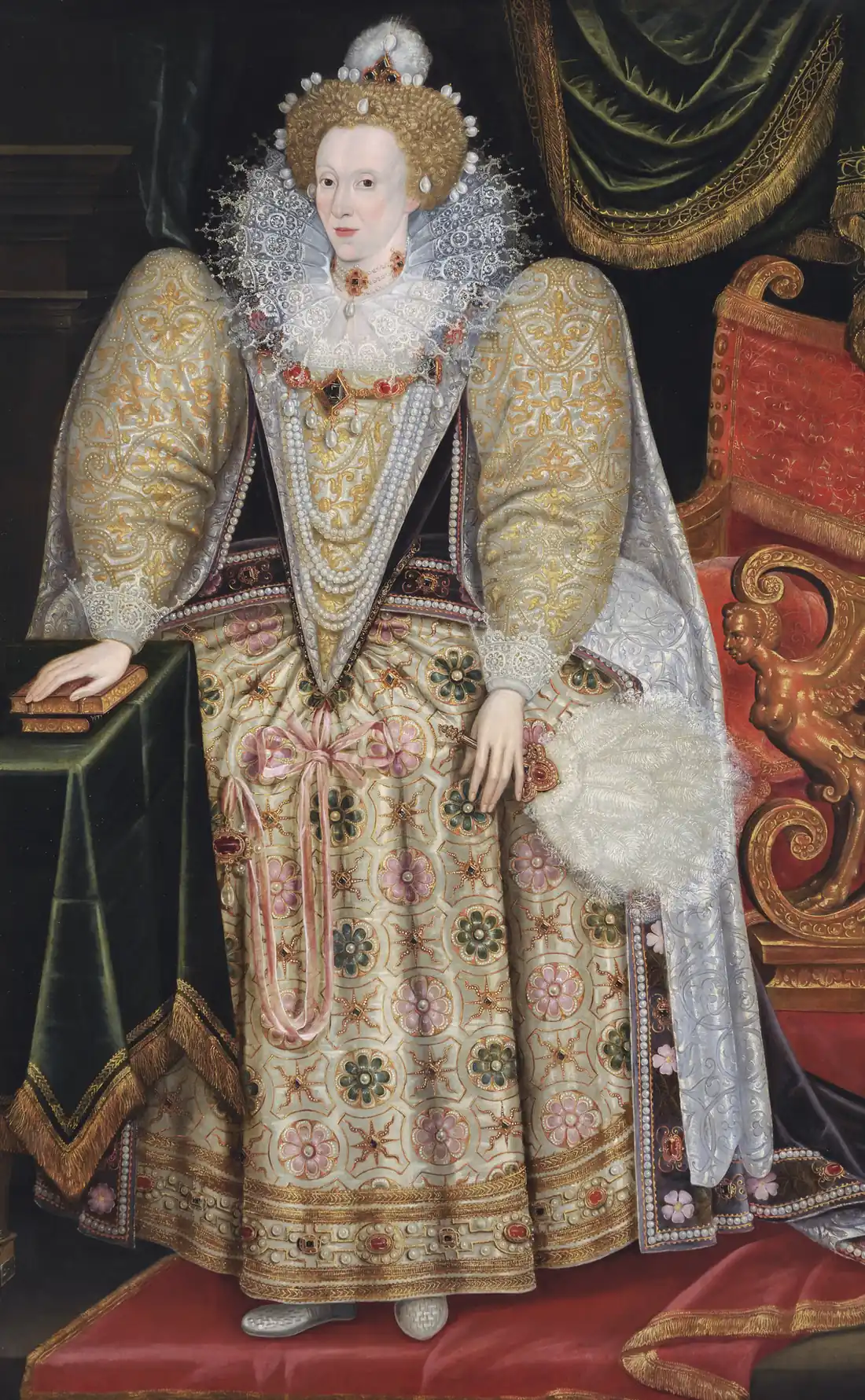

The Spanish Armada sets sail — Lisbon, Portugal
Image: Marcus Gheeraerts the Younger · Public domain

Source: en.wikipedia.org/wiki/Spanish Armada

Science & discovery

Pakistan's first nuclear test

Chagai, Pakistan

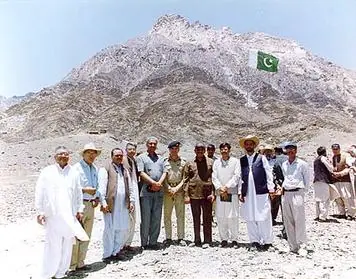
Pakistan's first nuclear test — Chagai, Pakistan
Image: Government of Pakistan · CC BY 4.0

On May 27, 1998, the world was a very different place, with the threat of nuclear war seemingly relegated to the dusty pages of Cold War history. But in the scorching deserts of Chagai, Pakistan, a team of scientists and engineers were putting the final touches on a project that would shatter this illusion forever. The next day, May 28, 1998, Pakistan would conduct its first nuclear test, codenamed Chagai-I, sending shockwaves around the globe and redefining the balance of power in the region.

The situation before the test was one of heightened tensions between Pakistan and its arch-rival, India. Just two weeks earlier, on May 11 and 13, 1998, India had conducted a series of nuclear tests, codenamed Pokhran-II, which had caught the world off guard. The tests had been a response to the growing threat posed by Pakistan's nuclear program, and had sparked a furious reaction from Islamabad. Pakistan's Prime Minister, Nawaz Sharif, had vowed to respond in kind, and the country's nuclear scientists had been working around the clock to prepare for the test.

As the day of the test approached, the team of scientists and engineers at the Chagai test site were filled with a mix of excitement and nerves. The test was the culmination of years of hard work and dedication, and the team knew that the success of the test would be a major milestone for Pakistan's nuclear program. The test itself was a complex operation, involving the detonation of a nuclear device at a depth of 100 meters below the surface of the earth. The device was a uranium-based bomb, with a yield of around 15 kilotons, roughly equivalent to the bomb dropped on Hiroshima in 1945.

Pakistan's first nuclear test — Chagai, Pakistan
Image: NASA · Public domain

As the countdown began, the team held their breaths, waiting for the blast to occur. At 10:30 am local time, the device detonated, sending a massive shockwave through the earth and a plume of smoke and debris into the air. The test was a success, and the team erupted into cheers and tears of joy. The news of the test sent shockwaves around the world, with leaders from the United States, China, and other countries condemning the test and calling for restraint.

The human side of the story is one of bravery and sacrifice. The team of scientists and engineers who worked on the test had risked everything to make it happen, including their lives. The test site was located in a remote and inhospitable region, with temperatures often soaring to over 50 degrees Celsius during the day. The team had to endure harsh conditions, including sandstorms and limited access to basic amenities, to prepare for the test. The leader of the team, Dr. Abdul Qadeer Khan, was a renowned nuclear scientist who had dedicated his life to Pakistan's nuclear program. He had faced intense pressure and scrutiny from the international community, but had remained steadfast in his commitment to the program.

Pakistan's first nuclear test — Chagai, Pakistan

The test had significant consequences for the region and the world. It marked a major shift in the balance of power in South Asia, with Pakistan emerging as a nuclear power. The test also sparked a new era of tensions between Pakistan and India, with both countries engaging in a series of tit-for-tat military exchanges and diplomatic rows. The test also had significant economic consequences, with the United States and other countries imposing sanctions on Pakistan in response to the test.

The one detail that reframes the story is that the Chagai-I test was not just a demonstration of Pakistan's nuclear capability, but also a testament to the country's ability to defy international pressure and pursue its own interests. As Dr. Abdul Qadeer Khan would later say, 'We did it because we had to, and we did it despite the odds.' The test site itself was later converted into a national park, with a monument built to commemorate the event. Today, the site is a popular tourist destination, with visitors coming from all over the world to see the place where Pakistan became a nuclear power.

Source: en.wikipedia.org/wiki/Chagai-I

Use the arrow keys to move between days

Browse the full archive →