The Japanese fleet defeated the Russian fleet at the Battle of Tsushima
Tsushima Strait, Japan
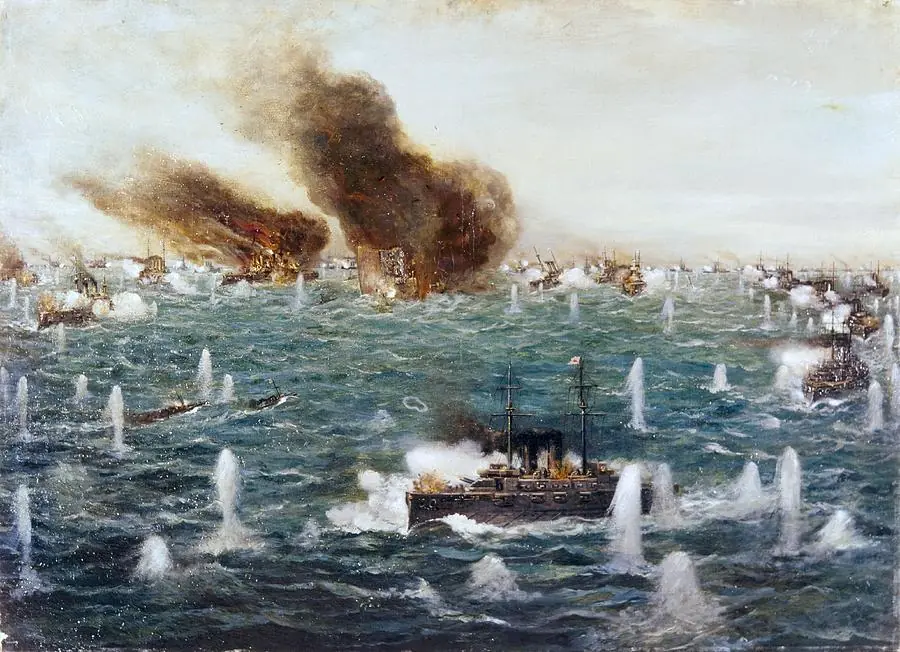
On the eve of May 27, 1905, the world was a very different place. The Russian Empire, under the rule of Tsar Nicholas II, was considered one of the greatest powers on earth, with a navy to match. Meanwhile, Japan, a small island nation, was still seen as a newcomer to the world stage, having only recently emerged from centuries of isolation. The idea that Japan could take on Russia in a naval battle and win was almost laughable. Yet, that's exactly what happened at the Battle of Tsushima, a clash that would change the course of history in a matter of hours.
The Russian Baltic Fleet, led by Admiral Zinovy Rozhdestvensky, had been at sea for over seven months, traveling over 18,000 miles from the Baltic Sea to the Tsushima Strait in Japan. The fleet consisted of 11 battleships, 9 cruisers, and numerous smaller ships, with over 30,000 sailors and officers on board. The Japanese Combined Fleet, led by Admiral Heihachiro Togo, had been waiting patiently for the Russians to arrive, knowing that the strait was the perfect place for an ambush. The Japanese had 4 battleships, 27 cruisers, and 21 destroyers, with over 20,000 sailors and officers.
As the Russian fleet entered the strait, the Japanese were ready. At 1:45 PM on May 27, the Japanese ships opened fire on the Russians, who were quickly overwhelmed. The Japanese had the advantage of newer ships, better training, and knowledge of the waters. The Russian ships were old and slow, and their crews were tired and demoralized from the long journey. The battle raged on for over 10 hours, with the Japanese sinking or capturing 21 Russian ships, including 8 battleships. The Russians suffered over 3,000 deaths and 6,000 captured, while the Japanese lost just 117 men and 3 torpedo boats.
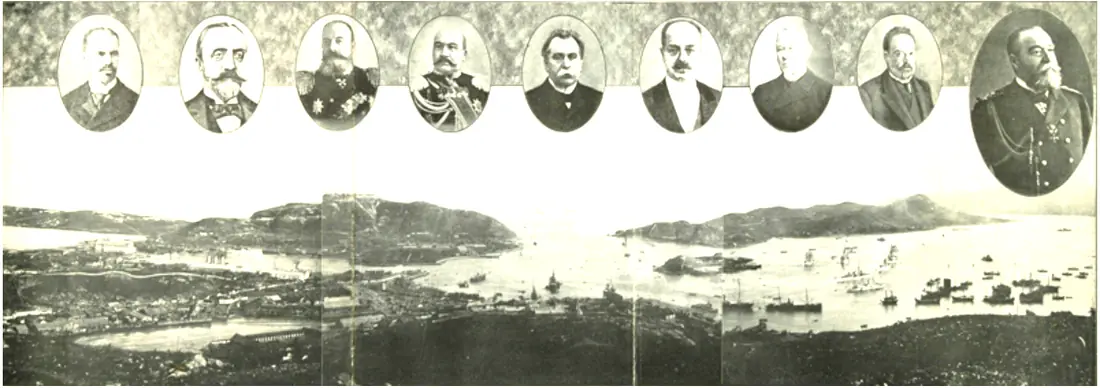
The aftermath of the battle was chaotic. The Russian sailors who survived the battle were left stranded in Japanese waters, with many being taken prisoner. The Japanese, on the other hand, were jubilant, knowing that they had pulled off one of the greatest upsets in naval history. The battle marked the end of the Russo-Japanese War, which had begun in 1904 over control of Korea and Manchuria. The war had been a disaster for Russia, with the country suffering a series of humiliating defeats on land and sea. The Battle of Tsushima was the final nail in the coffin, and it led to a revolution in Russia that would eventually overthrow the Tsar.
The Battle of Tsushima also marked a turning point in world history. It showed that a non-European power could take on a European power and win, which was a radical idea at the time. It also marked the emergence of Japan as a major world power, a status that it would maintain for the next several decades. As Admiral Togo said after the battle, 'The victory is not just a victory for Japan, but a victory for all of Asia.' The battle also had a profound impact on the development of naval warfare, as it showed the importance of speed, maneuverability, and wireless communication in modern naval battles.
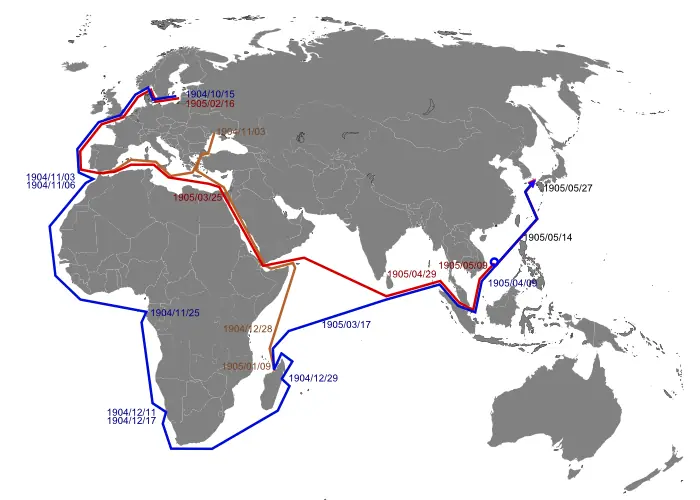
As the dust settled on the Battle of Tsushima, one detail stood out - the Japanese had been using a new type of wireless telegraphy to communicate with each other during the battle, which gave them a crucial advantage over the Russians. This technology, developed by Guglielmo Marconi, allowed the Japanese ships to coordinate their attacks and stay one step ahead of the Russians. It was a small detail, but one that would change the face of naval warfare forever.