First Ascent of Mount Everest
Mount Everest, Nepal
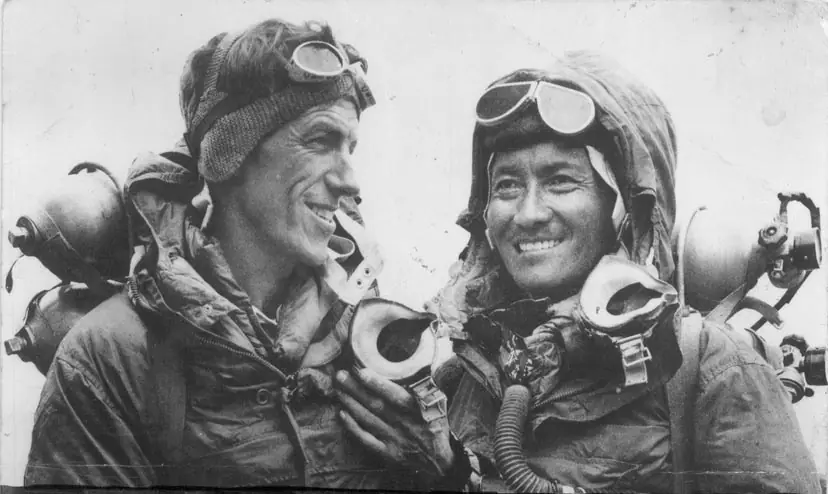
On May 29, 1953, at 11:30 AM, two figures emerged from the snow-covered slopes of Mount Everest, their faces etched with exhaustion and elation. Edmund Hillary, a 33-year-old New Zealand beekeeper, and Tenzing Norgay, a 39-year-old Nepali Sherpa mountaineer, stood at the roof of the world, the first humans to set foot on the summit of the highest mountain on Earth. The air was thin, the winds were fierce, and the temperature was well below freezing, but they felt an overwhelming sense of pride and accomplishment.
The journey to the top of Mount Everest was not an easy one. The 1953 British Mount Everest expedition, led by John Hunt, began on March 12, 1953, with a team of 350 porters, 20 Sherpa guides, and 12 climbers. The team had to trek for 180 miles to reach the base of the mountain, carrying over 10 tons of equipment and supplies. The climb was divided into several stages, with each stage presenting its own unique challenges. The team had to navigate through treacherous ice walls, steep rock faces, and deep crevasses.
Hillary and Norgay were part of the ninth and final assault team, which included two other climbers, Tom Bourdillon and Charles Evans. The team set out from the South Col, a saddle-shaped ridge at an altitude of 26,000 feet, at 11:30 PM on May 28. They climbed through the night, using headlamps to light their way, and reached the South Summit, a subsidiary peak, at 9:00 AM. From there, they had to traverse a narrow ridge, known as the Cornice Traverse, to reach the main summit. The wind was so strong that it threatened to blow them off the mountain, but they persevered, using every ounce of strength and skill they possessed.
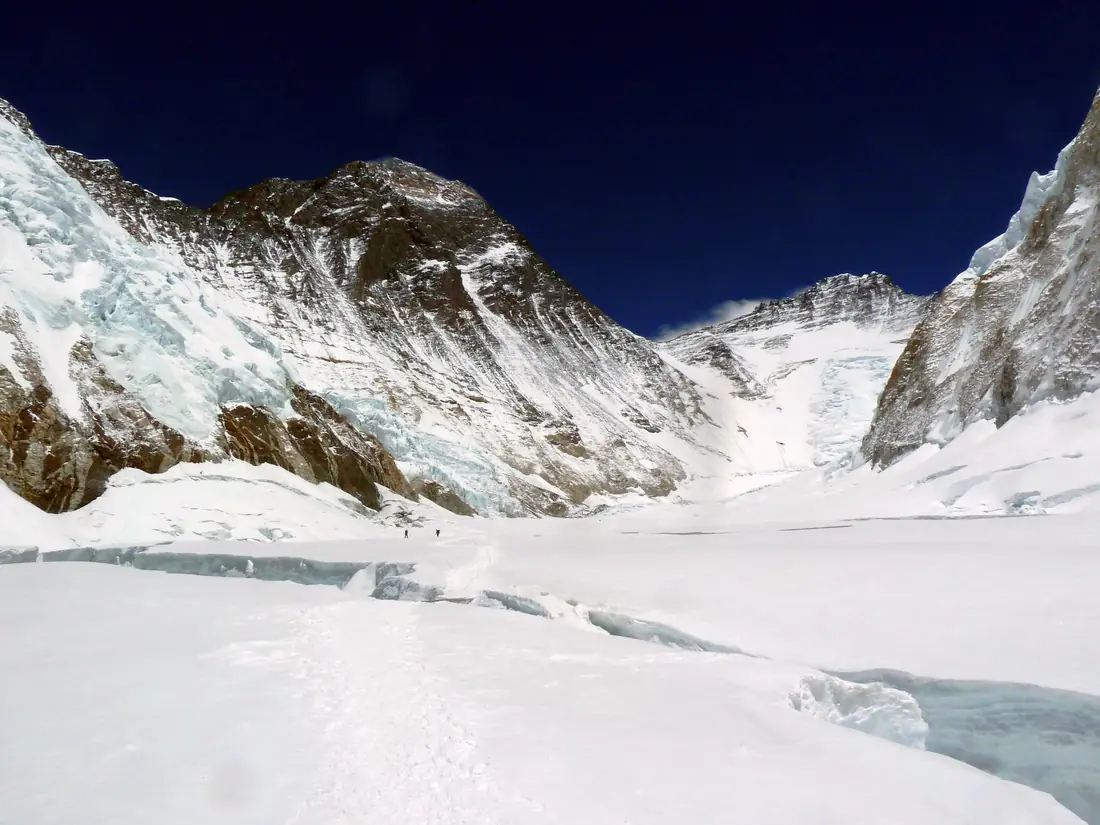
As they reached the summit, Hillary and Norgay hugged each other, tears of joy streaming down their faces. They took photographs, collected samples of rocks, and left behind a few tokens of their achievement, including a crucifix and a small Union Jack flag. The view from the top was breathtaking, with the snow-capped peaks of the Himalayas stretching out as far as the eye could see. The sense of accomplishment was overwhelming, and the two men felt a deep bond, forged in the crucible of their shared experience.
The news of their achievement sent shockwaves around the world. The Times of London reported the story on June 2, 1953, with a headline that read, 'Everest Conquered.' The news was met with widespread acclaim, and Hillary and Norgay became international heroes. They were feted by royalty, politicians, and the public, and their names became synonymous with bravery, skill, and determination. However, the success of the expedition was not without its costs. Two members of the team, Tom Bourdillon and Charles Evans, had to turn back just 300 feet from the summit, due to exhaustion and equipment failure. Another member, Wilfrid Noyce, suffered a serious injury during the descent, and had to be evacuated by helicopter.
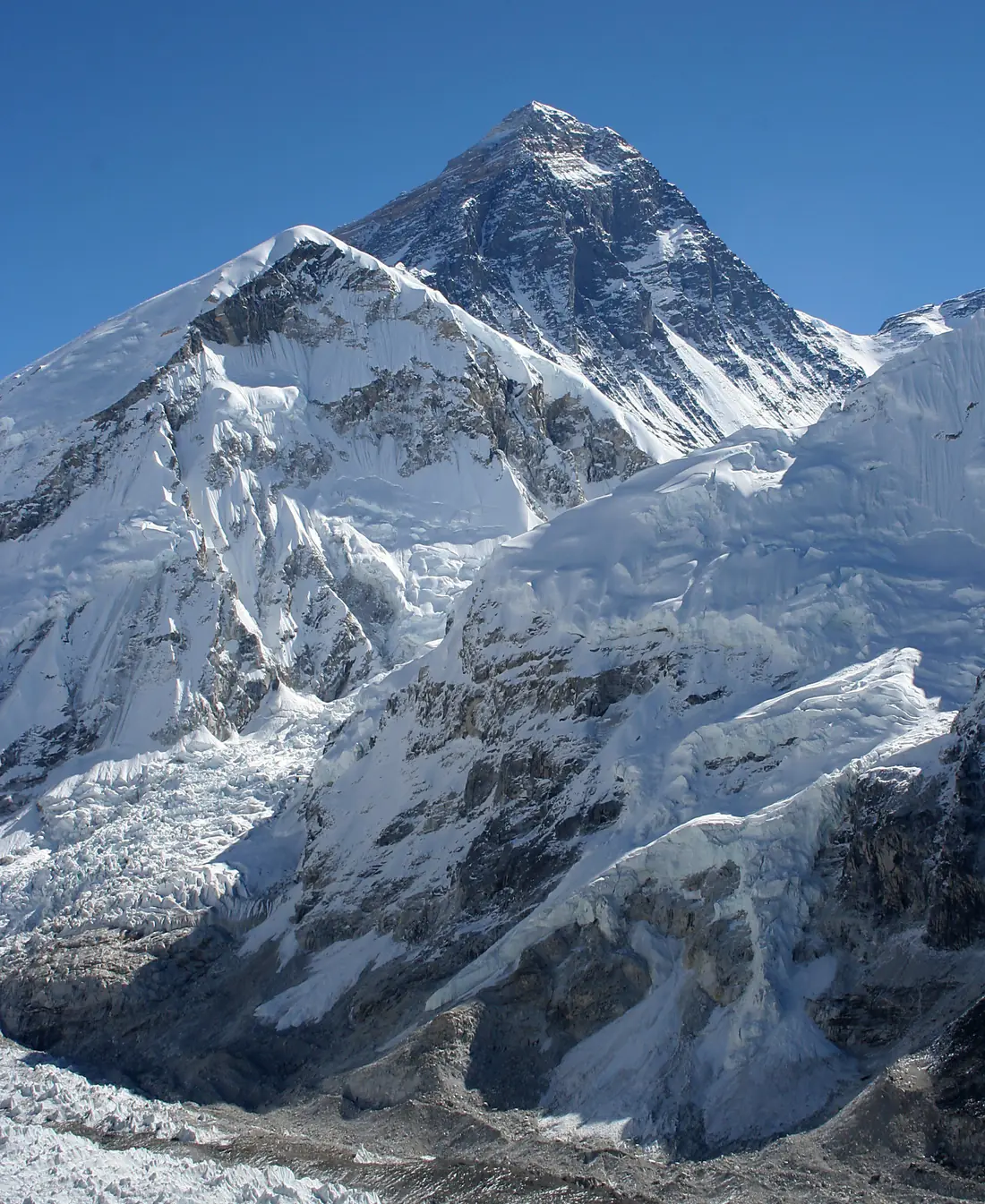
The achievement of Hillary and Norgay also highlighted the crucial role played by the Sherpa guides, who had been instrumental in the success of the expedition. Tenzing Norgay, in particular, had been a vital member of the team, using his knowledge of the mountain and his climbing skills to help the team reach the summit. His achievement paved the way for other Sherpa guides, who went on to become renowned climbers in their own right. The legacy of the 1953 expedition extends far beyond the achievement of Hillary and Norgay. It marked a new era in mountaineering, as climbers began to push the boundaries of what was possible. It also highlighted the importance of teamwork, perseverance, and determination, as the key ingredients of success.
And yet, as we look back on that historic day, we are reminded of a curious irony. Edmund Hillary and Tenzing Norgay, the two men who conquered the highest mountain on Earth, never climbed together again. They went their separate ways, Hillary returning to New Zealand to become a diplomat and a philanthropist, and Norgay settling in India to become a mountaineering instructor. Their partnership, forged in the fire of adventure, was a fleeting moment of greatness, a reminder that even the most extraordinary achievements are often the result of a brief, shining convergence of human talent and determination.
Source: en.wikipedia.org/wiki/1953 British Mount Everest expedition