Wright brothers patent their Flying Machine
Dayton, Ohio, United States
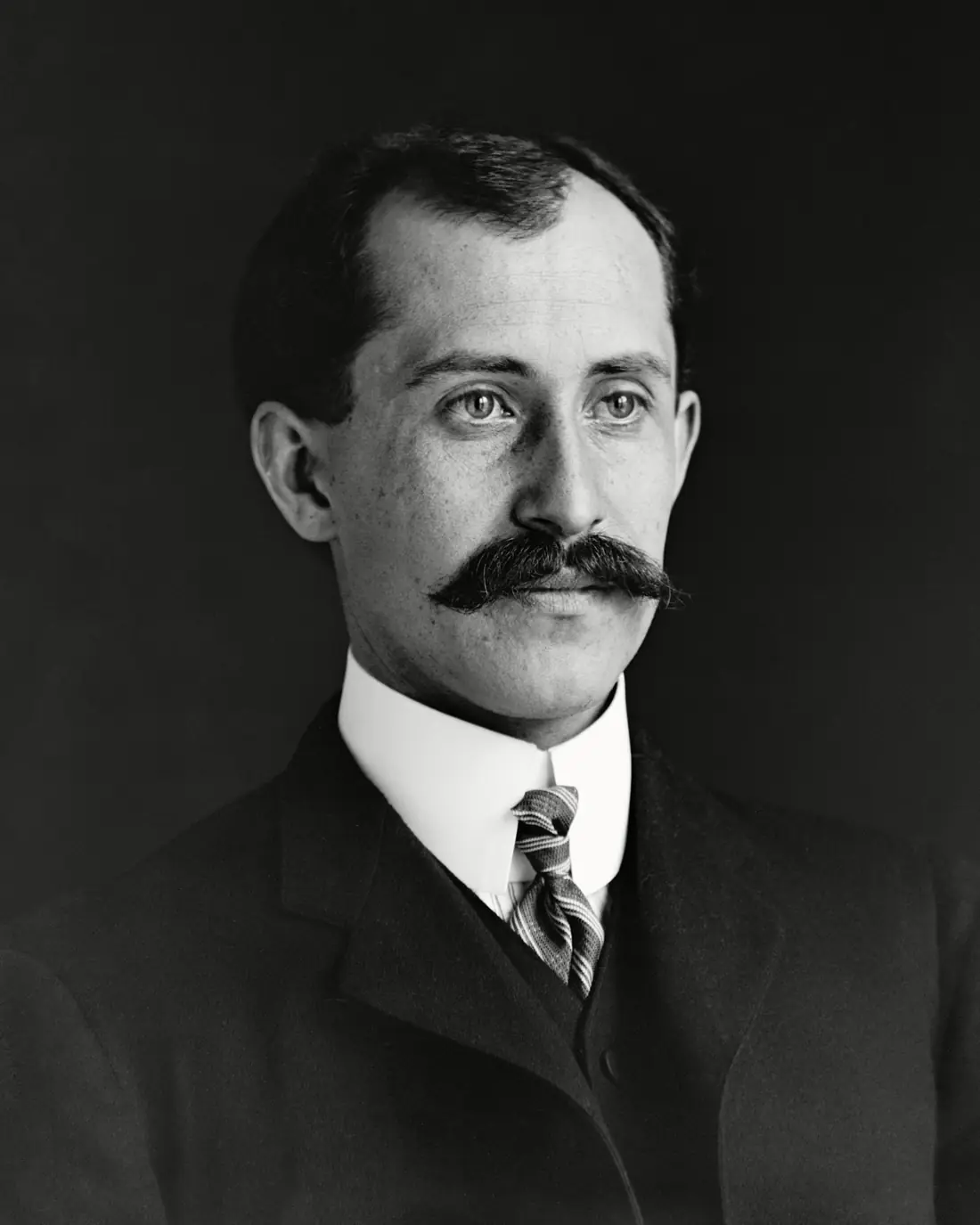
On a sweltering summer day in 1903, two brothers, Orville and Wilbur Wright, sit in their small bicycle shop in Dayton, Ohio, surrounded by tools, wires, and fragments of their latest obsession - a flying machine. They are 36 and 38 years old, respectively, and have spent the last seven years of their lives trying to crack the code of human flight. As they carefully assemble the final pieces of their patent application, they can't help but feel a mix of excitement and trepidation. What if their invention doesn't work? What if someone else beats them to it?
The Wright brothers' journey to this moment began in 1899, when they started experimenting with gliders, testing the principles of lift and drag on the sandy dunes of Kitty Hawk, North Carolina. Over the next four years, they designed, built, and tested numerous gliders, gradually increasing the size and complexity of their creations. In 1902, they made over 1,000 flights, refining their designs and gathering valuable data on the behavior of wings in flight. Their hard work paid off on December 17, 1903, when they successfully flew the first powered, heavier-than-air aircraft, staying aloft for 12 seconds and covering a distance of 120 feet.
As they work on their patent application, the Wright brothers are acutely aware of the risks involved. They have invested their life savings, over $1,000, into their research and development, and the failure of their invention could mean financial ruin. Moreover, they are not the only ones working on a flying machine. Other inventors, such as Octave Chanute and Glenn Curtiss, are also racing to be the first to achieve powered flight. The Wright brothers' patent application, filed on May 30, 1903, is a crucial step in protecting their intellectual property and securing their place in history.
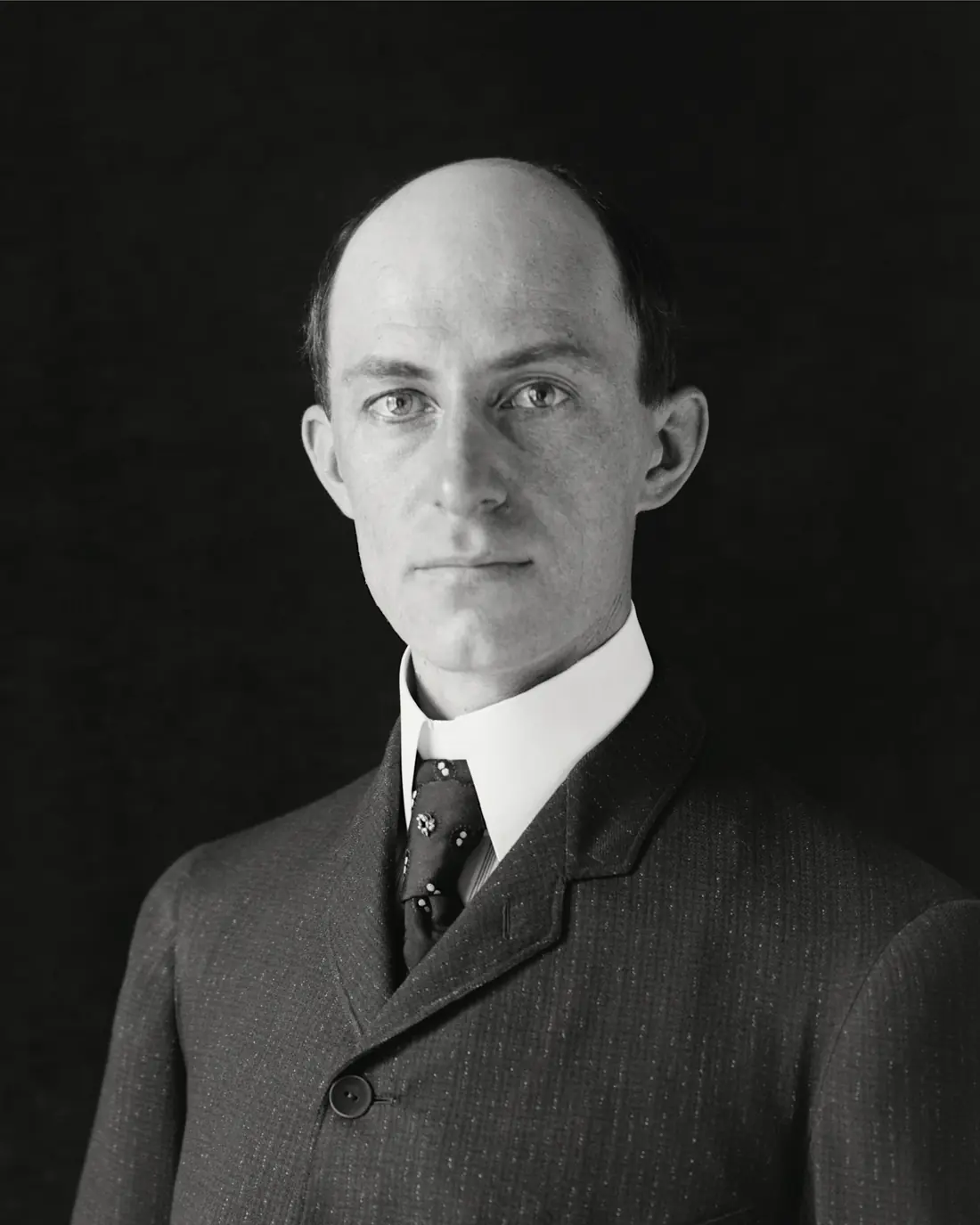
The science behind the Wright brothers' flying machine is surprisingly simple. They use a system of three axes - roll, pitch, and yaw - to control the orientation of the aircraft in flight. The wings are curved on top and flat on the bottom, creating a difference in air pressure that generates lift. The engine, a 12-horsepower gasoline-powered motor, drives two propellers, which provide the forward thrust. The entire machine weighs around 600 pounds and has a wingspan of 40 feet.
As the Wright brothers wait for their patent to be approved, they continue to refine their design, making adjustments and improvements to the aircraft. They also start to think about the potential applications of their invention, from military reconnaissance to commercial transportation. On November 23, 1904, they are granted U.S. Patent 821,393 for their 'Flying Machine,' a milestone that marks the beginning of a new era in aviation.
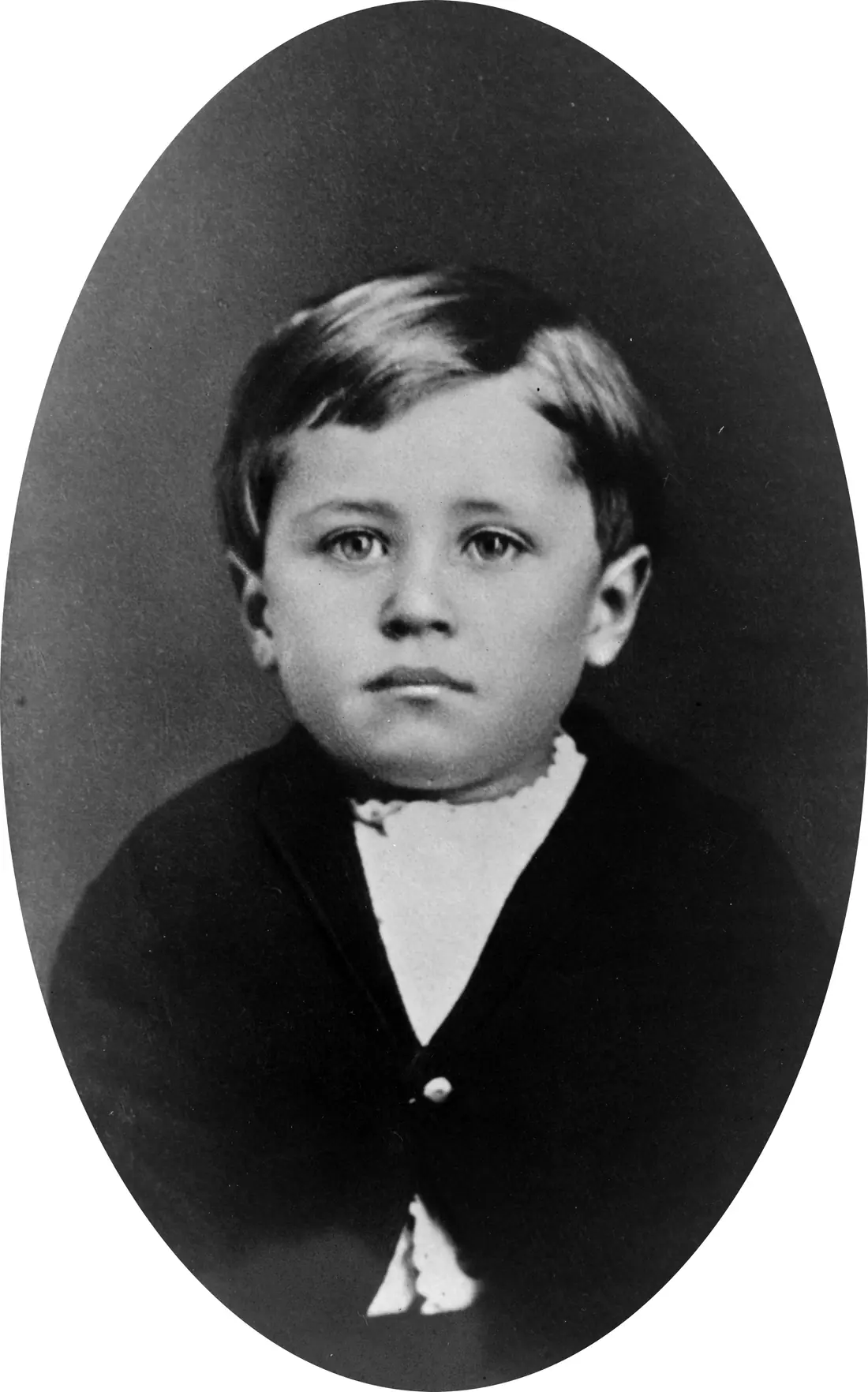
The Wright brothers' achievement is not just a testament to their ingenuity and perseverance but also a reflection of the era in which they lived. The early 20th century was a time of great technological innovation, with inventors and entrepreneurs pushing the boundaries of what was thought possible. The Wright brothers' flying machine is a symbol of this spirit of innovation, a reminder that even the most seemingly impossible ideas can become a reality with dedication and hard work.
The story of the Wright brothers' patent is also a story of the unsung heroes who supported them along the way. Their sister, Katharine, played a crucial role in managing the family's finances and providing emotional support. Their friend and mentor, Octave Chanute, offered valuable guidance and encouragement. And then there are the countless workers and craftsmen who helped build the aircraft, often working long hours for minimal pay. These individuals, though often overlooked, were essential to the Wright brothers' success.
As the Wright brothers' patent is approved, they are unaware of the profound impact their invention will have on the world. They will go on to make over 1,000 flights, refining their design and pushing the boundaries of what is possible. They will also face numerous challenges, from patent disputes to public skepticism. But on this day, May 30, 1903, they are filled with a sense of pride and accomplishment, knowing that they have created something truly remarkable. And as they look to the future, they can't help but wonder what other wonders their flying machine will bring, like the fact that their invention will one day be used to drop bombs on civilians, a consequence they never could have imagined.