Formation of the Union of South Africa
Cape Town, South Africa
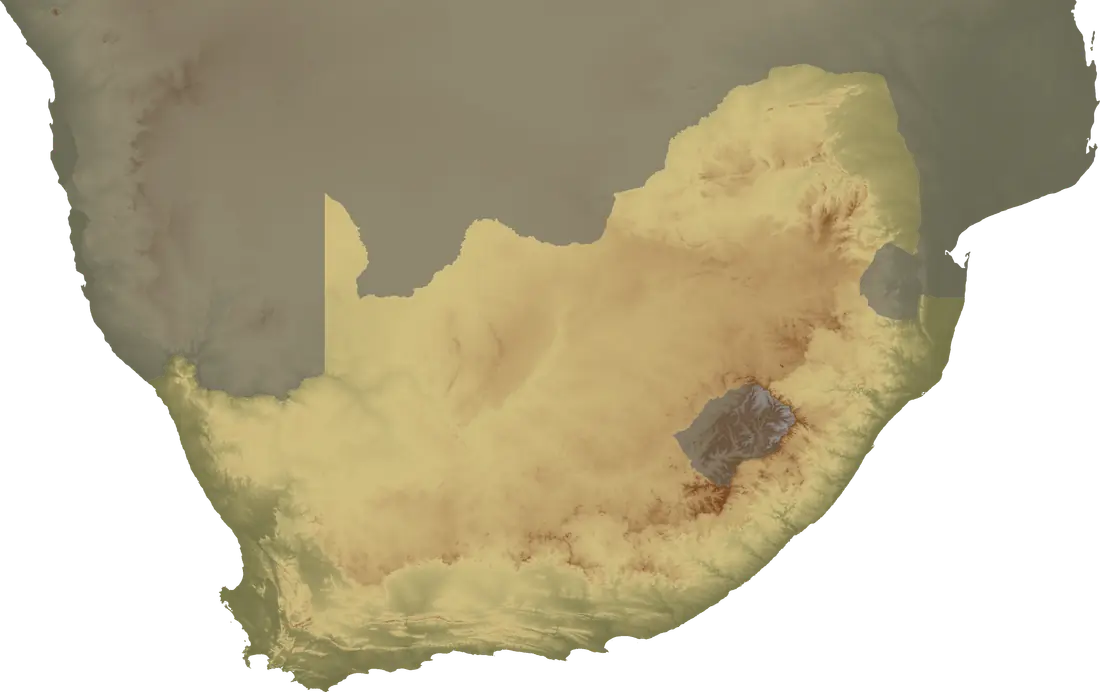
As the clock strikes 12:00 PM on May 31, 1910, in Cape Town, South Africa, the atmosphere is electric with anticipation. Louis Botha, a 47-year-old Boer general, stands tall, ready to take the oath of office as the first Prime Minister of the Union of South Africa. The crowd is abuzz with excitement, comprising Afrikaners, British, and other ethnic groups, all gathered to witness the birth of a new nation. The air is thick with the weight of history, as four British colonies – the Cape of Good Hope, Natal, the Orange River Colony, and the Transvaal – come together to form a single entity, with a shared vision for the future.
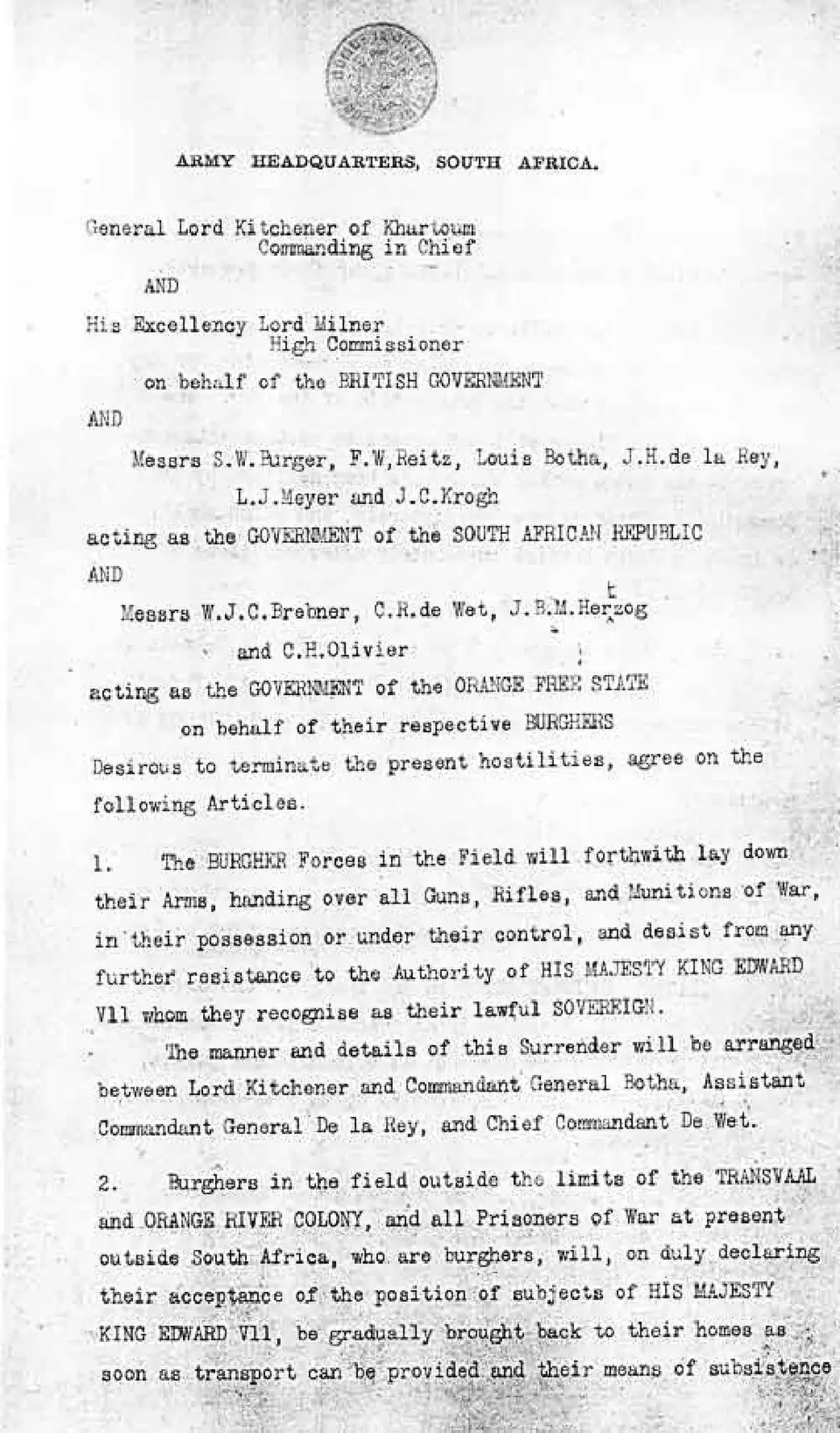
The journey to this moment has been long and arduous, spanning decades of conflict, negotiation, and compromise. The Second Boer War, which lasted from 1899 to 1902, had left deep scars, with the British emerging victorious but at great cost. The war had resulted in the deaths of over 26,000 British soldiers, 18,000 to 28,000 Boer fighters, and an estimated 20,000 to 28,000 Boer civilians, many of whom died in concentration camps. The British government, led by Prime Minister Henry Campbell-Bannerman, had subsequently introduced the concept of self-government for the colonies, paving the way for the creation of a unified South African state.
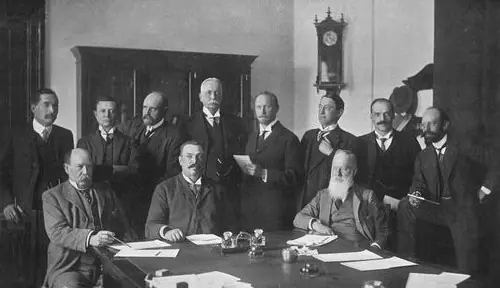
As Botha begins to speak, his voice rings out across the crowd, filled with emotion and conviction. He is joined by other prominent figures, including Jan Smuts, a 40-year-old Afrikaner lawyer, and Jameson, a 57-year-old Scottish doctor, who had played a key role in the Jameson Raid, a botched attempt to overthrow the Boer government in 1895. The ceremony is a carefully choreographed affair, with each participant playing their part in the grand drama of nation-building. The South Africa Act, which had been passed by the British Parliament in 1909, had laid the foundation for the Union, outlining the framework for a constitutional monarchy, with a governor-general representing the British monarch and a bicameral parliament comprising the Senate and the House of Assembly.
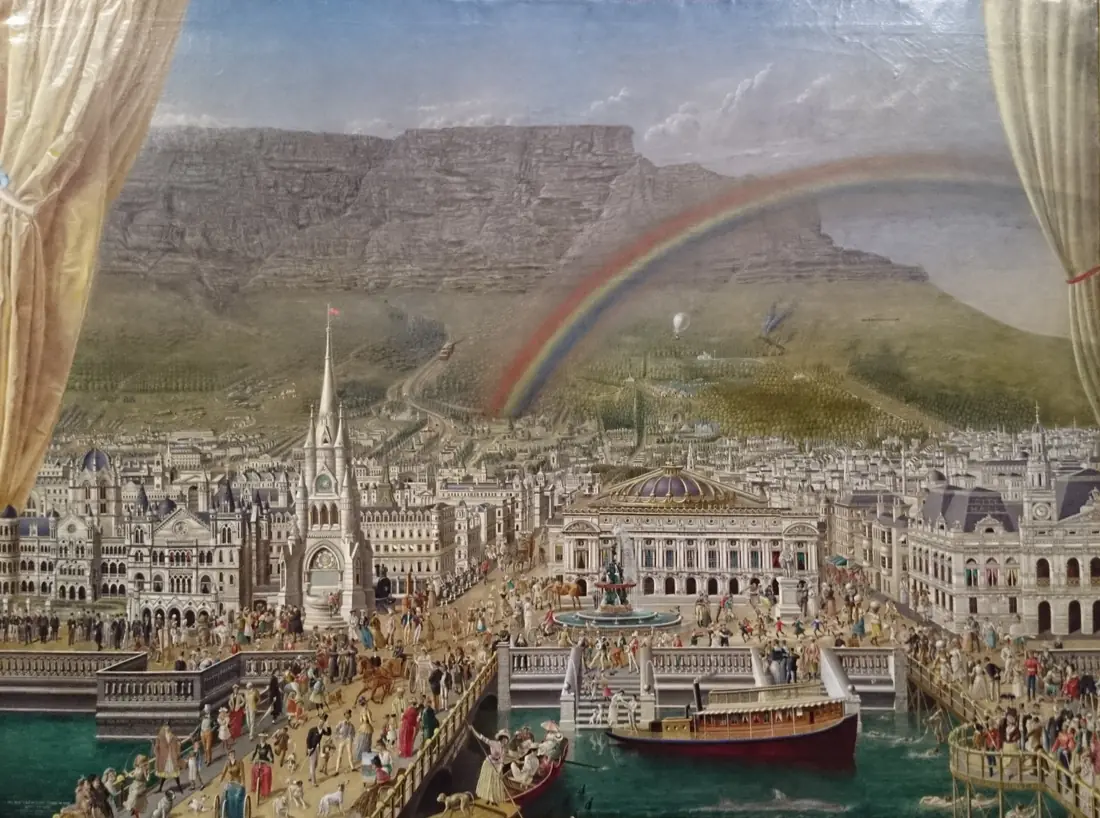
The creation of the Union of South Africa is a complex and multifaceted process, driven by a combination of factors, including economic, political, and social considerations. The discovery of gold in the Witwatersrand in 1886 had transformed the region, attracting thousands of prospectors and miners, and creating a new economy based on mining and industry. The need for a unified state, with a single set of laws and regulations, had become increasingly pressing, as the colonies struggled to cope with the challenges of rapid modernization and urbanization. The Union is expected to have a population of around 5.9 million people, with 2.4 million whites, 3.5 million blacks, and 500,000 coloreds and Indians, each with their own distinct culture and traditions.
As the ceremony comes to a close, the crowd erupts into cheers and applause, with many in attendance overcome with emotion. The formation of the Union of South Africa marks a new chapter in the history of the region, one that is filled with hope and uncertainty. The challenges ahead will be significant, as the new nation grapples with the legacy of conflict and division, and seeks to build a more equitable and just society for all its citizens. And yet, as Botha and his colleagues look out upon the sea of faces before them, they are aware of a deeper irony – that the very act of creating a unified state, one that is designed to bring people together, also serves to entrench the existing power dynamics, with the white minority holding sway over the black majority, a fact that will have far-reaching consequences for the future of South Africa.