Daily History
Politics & state

Magna Carta signing

Runnymede, England
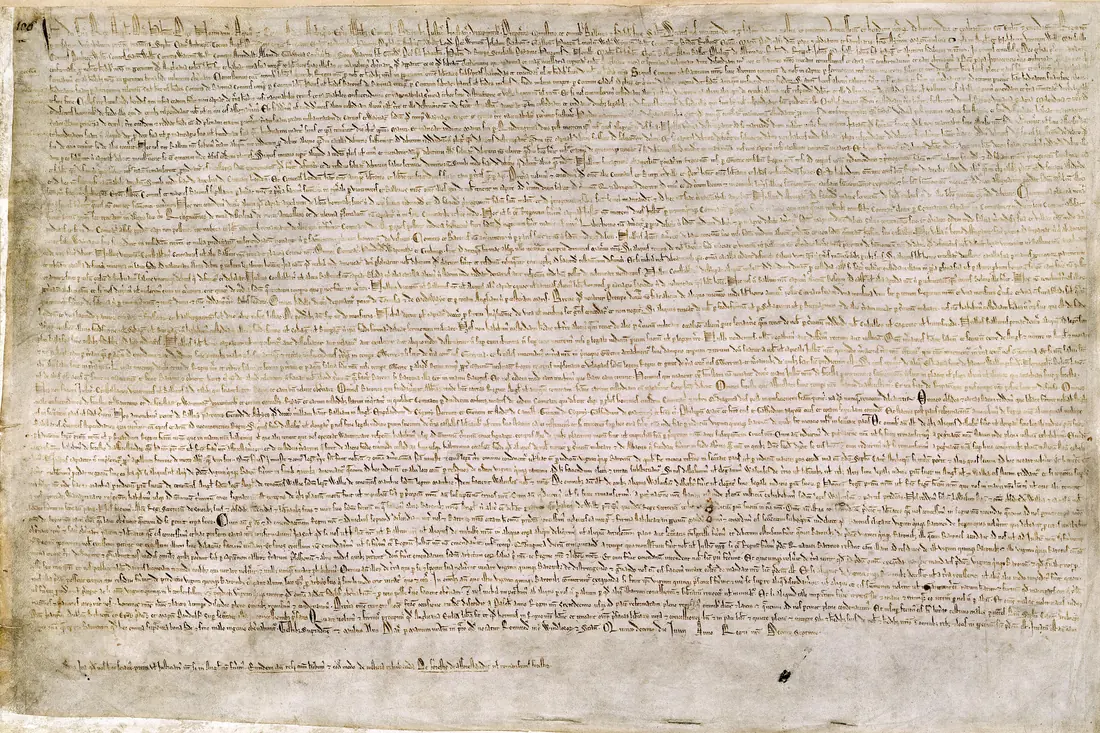
Magna Carta signing — Runnymede, England
Image: Original authors were the barons and King John of England. Uploaded by Earthsound. · Public domain

On a sweltering summer day, June 1, 1215, King John of England stood at Runnymede, a meadow near Windsor Castle, surrounded by a group of rebellious barons who had grown tired of his tyrannical rule. The air was thick with tension as the king, known for his ruthless tactics, was about to sign a document that would limit his power and establish the principle that the king was not above the law. This document, the Magna Carta, would go on to shape the course of English history and influence democracies around the world.

Before this day, the king's word was law, and his subjects lived in constant fear of his wrath. The monarch's power was absolute, and anyone who dared to challenge it would face severe punishment, including imprisonment, torture, and even death. The barons, led by Stephen Langton, the Archbishop of Canterbury, had had enough of King John's abuses of power and decided to take a stand. They presented the king with a list of 63 demands, which would eventually become the Magna Carta.

As the king signs the document, the barons watch with a mixture of relief and skepticism. The document is a lengthy one, filled with clauses and provisions that protect the rights of the nobility and the common man. It establishes the principle of due process, protects the rights of women and children, and limits the king's ability to raise taxes without the consent of his subjects. The signing of the Magna Carta is a momentous occasion, one that will have far-reaching consequences for the future of England and the world.
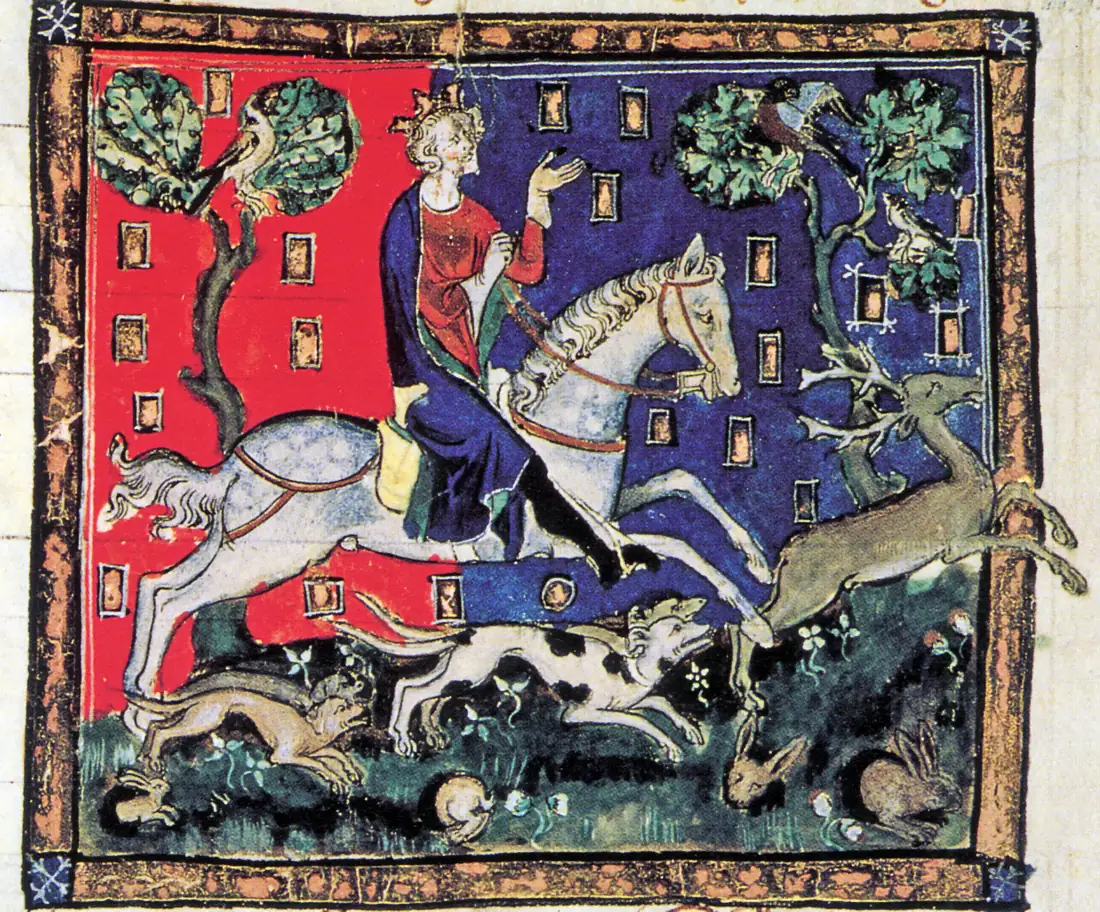
Magna Carta signing — Runnymede, England
Image: See description · Public domain

The story of the Magna Carta is not just about a document; it is about the people who fought for it. Men like Stephen Langton, who risked everything to challenge the king's authority, and women like Matilda de Braose, who suffered greatly at the hands of the king's cruelty. The document is a testament to their bravery and perseverance. It took centuries for the principles enshrined in the Magna Carta to become a reality, but on this day, June 1, 1215, the seeds of democracy were sown.

The Magna Carta's influence can be seen in the many documents that followed, including the English Bill of Rights and the United States Constitution. It has inspired countless movements for freedom and democracy, from the French Revolution to the American Civil Rights Movement. As we look back on this momentous occasion, we are reminded that the struggle for freedom and justice is ongoing, and that the principles enshrined in the Magna Carta are still relevant today.
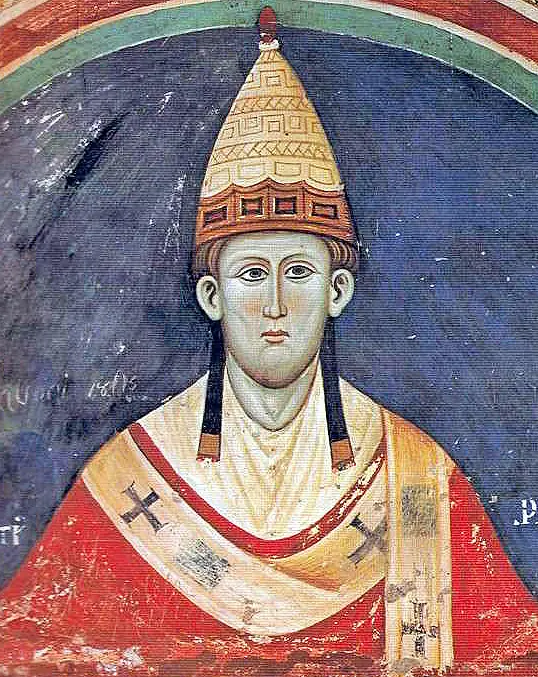
Magna Carta signing — Runnymede, England
Image: Unknown authorUnknown author · Public domain

The king's signature on the Magna Carta was not the end of the story, but rather the beginning of a long and bloody conflict. The king would later repudiate the document, leading to a civil war that would last for years. But the damage had been done, and the idea that the king was not above the law had taken hold. As the centuries passed, the Magna Carta would become a symbol of resistance against tyranny, a reminder that even the most powerful among us are not above the law. And it is this idea that continues to inspire people around the world to fight for their rights and freedoms, even to this day, as a group of activists in a small village in England uncover a long-forgotten copy of the Magna Carta, written in a language that few can understand, but whose principles remain as relevant as ever.
Source: en.wikipedia.org/wiki/Magna Carta

Politics & state

Charles de Gaulle leads France

Paris, France

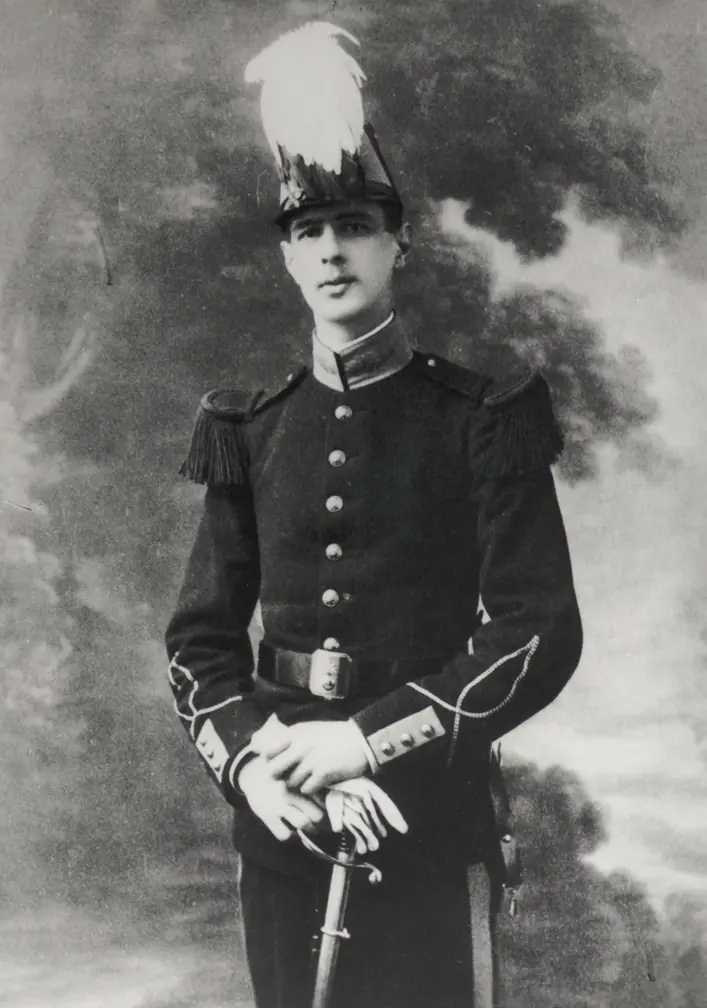
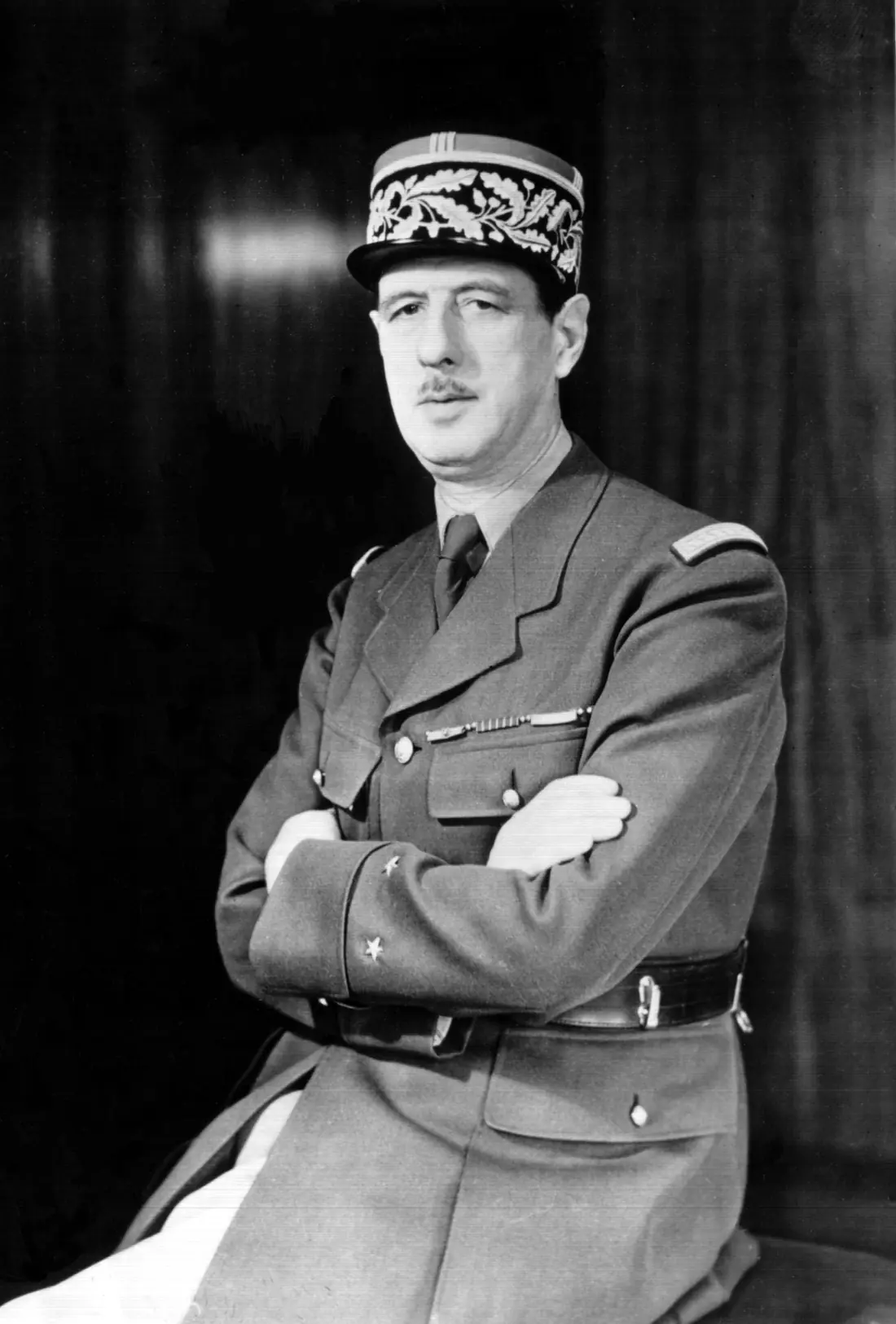
Charles de Gaulle leads France — Paris, France
Image: Office of War Information, Overseas Picture Division. [1] The image prefix (LC-USW3) at the Library of Congress image pa · Public domain

As Charles de Gaulle steps out of his car and onto the steps of the Elysee Palace on June 1, 1958, the weight of France's uncertain future rests on his shoulders. At 67 years old, de Gaulle is coming out of retirement to lead a nation on the brink of collapse, with a crumbling Fourth Republic and a growing insurgency in Algeria. The once-mighty French empire is struggling to maintain control over its colonies, and the country is plagued by political instability, with 24 different governments in the past 12 years. De Gaulle, a decorated war hero and former leader of the Free French Forces, is the last hope for a nation desperate for stability and direction.

The situation in France is dire, with a stagnant economy, a declining standard of living, and a growing sense of disillusionment among the population. The Fourth Republic, established after World War II, has failed to provide effective leadership, and the country is torn apart by political infighting and sectarian violence. De Gaulle, who had retired to his country estate in Colombey-les-Deux-Eglises, is persuaded to return to power by a group of prominent politicians, including Georges Pompidou and Jacques Chaban-Delmas. They believe that only de Gaulle has the charisma and authority to restore order and stability to the country.

As de Gaulle takes the reins of power, he is faced with a daunting task: to establish a new constitution, quell the Algerian insurgency, and restore France's international reputation. He moves quickly, using his emergency powers to push through a series of reforms, including the establishment of a strong presidency and a streamlined parliamentary system. The new constitution, which will become the foundation of the Fifth Republic, is approved by a overwhelming majority of 82.6% of voters in a national referendum. De Gaulle's leadership style is direct and forceful, and he is not afraid to take tough decisions, including the use of military force to crush the Algerian insurgency.

Charles de Gaulle leads France — Paris, France
Image: Unknown authorUnknown author · Public domain

The consequences of de Gaulle's return to power are far-reaching and profound. Over the next decade, France experiences a period of rapid economic growth, with GDP increasing by 50% between 1958 and 1968. The country also undergoes a significant transformation, with the decline of the old aristocracy and the rise of a new generation of technocrats and entrepreneurs. De Gaulle's foreign policy is equally ambitious, with France playing a key role in the development of the European Union and the establishment of a new relationship with the United States. The French people, who had been suffering from a crisis of confidence, begin to feel a sense of pride and purpose once again.

One of the most significant consequences of de Gaulle's leadership is the eventual withdrawal of France from Algeria, which becomes independent in 1962 after a long and bloody conflict. The war in Algeria has claimed the lives of over 25,000 French soldiers and an estimated 150,000 Algerian civilians, and its legacy continues to shape French politics and society to this day. De Gaulle's decision to grant Algeria its independence is a courageous one, and it marks a significant turning point in French history. As he looks out over the city of Paris, de Gaulle knows that his work is far from over, but he is confident that he has set France on a path towards greatness once again.

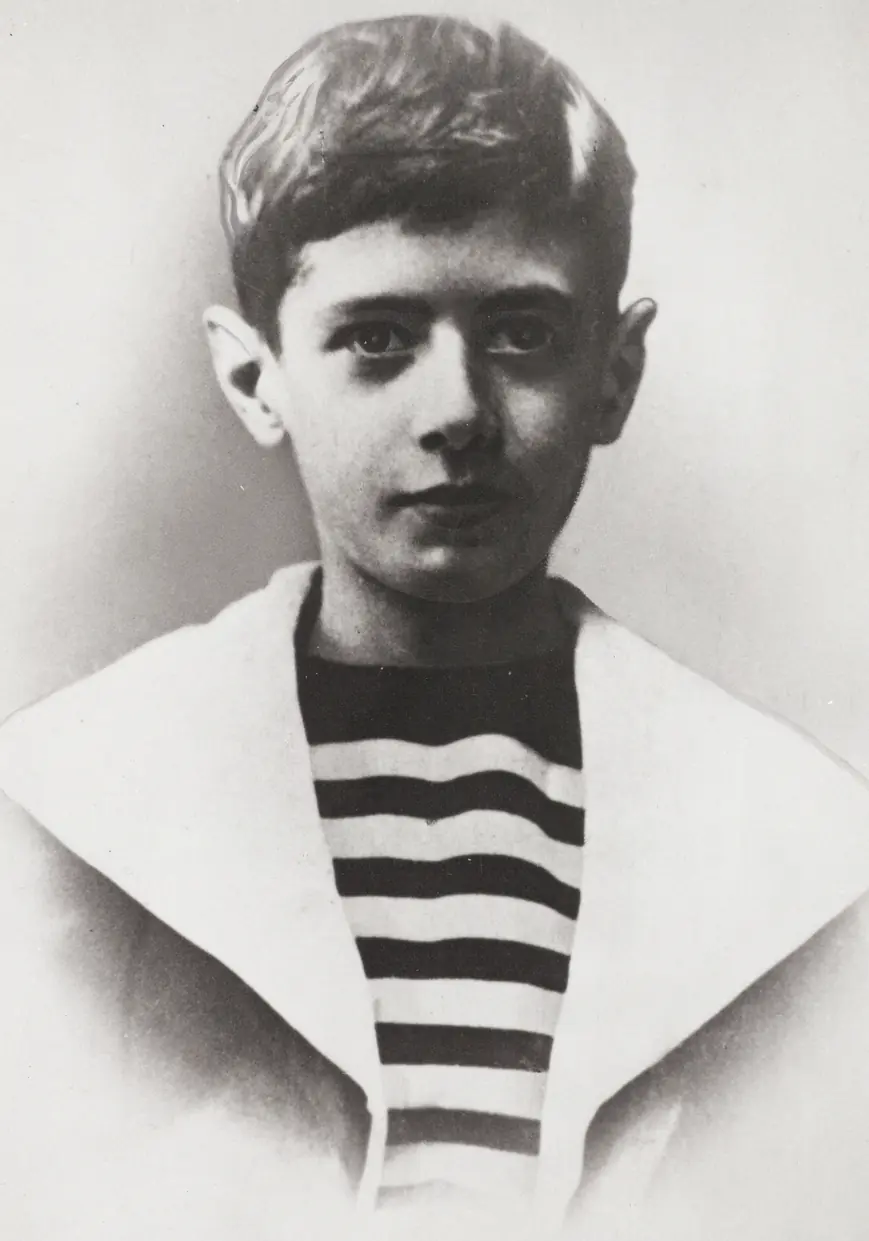
Charles de Gaulle leads France — Paris, France
Image: Unknown authorUnknown author · Public domain

The years that follow de Gaulle's return to power are marked by significant challenges and controversies, including the student-led protests of 1968 and the emergence of a new generation of French politicians. However, de Gaulle's legacy continues to shape French politics and society, and his impact can still be felt today. As the French people look back on the events of 1958, they are reminded of the power of leadership and the importance of vision and determination. And as they consider the future, they are aware that the consequences of de Gaulle's actions will continue to be felt for generations to come. De Gaulle's own words, spoken in 1965, seem particularly prophetic: 'France is not just a country, it is a mission.'

Source: en.wikipedia.org/wiki/Charles de Gaulle

Use the arrow keys to move between days

Browse the full archive →