Dunkirk evacuation ends
Dunkirk, France
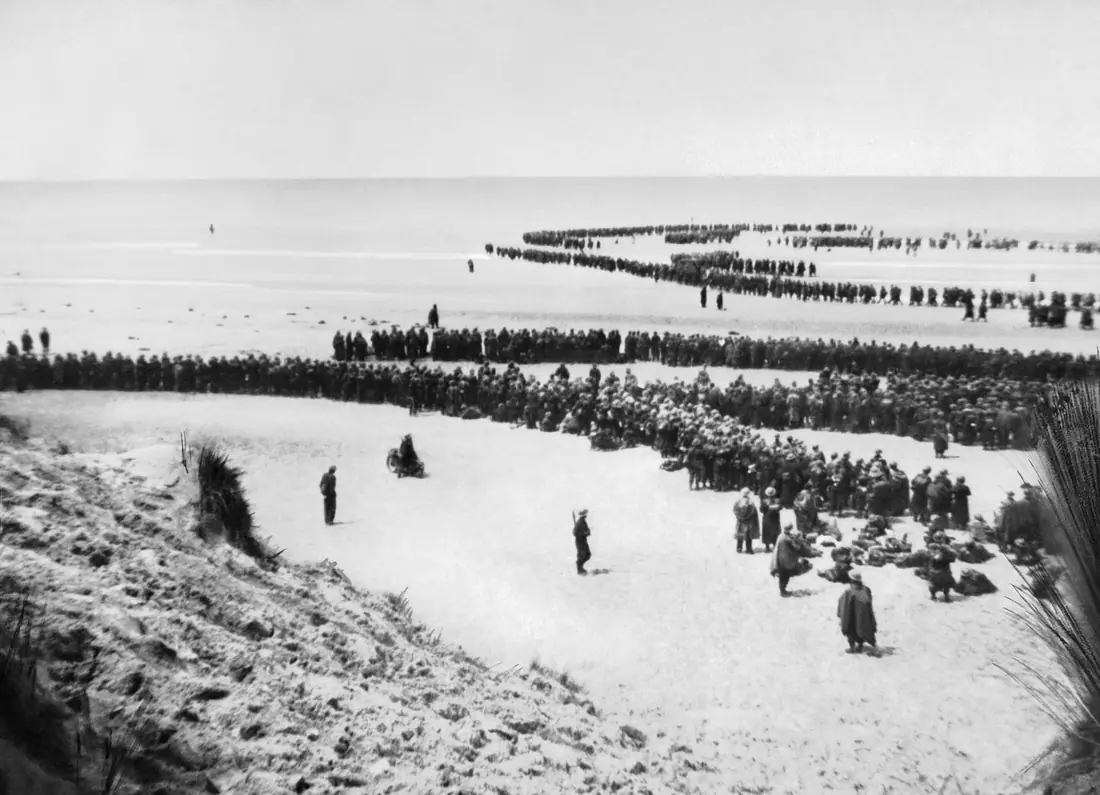
As the last Allied soldier steps off the shore of Dunkirk, France, and onto a waiting ship, the sheer scale of the evacuation becomes clear: over 338,000 men rescued from the jaws of the German army, a feat that will be remembered for generations to come. But what most people don't know is that this miraculous rescue was made possible by a combination of bad weather, a hesitant German commander, and a small group of brave sailors who risked everything to save their comrades.
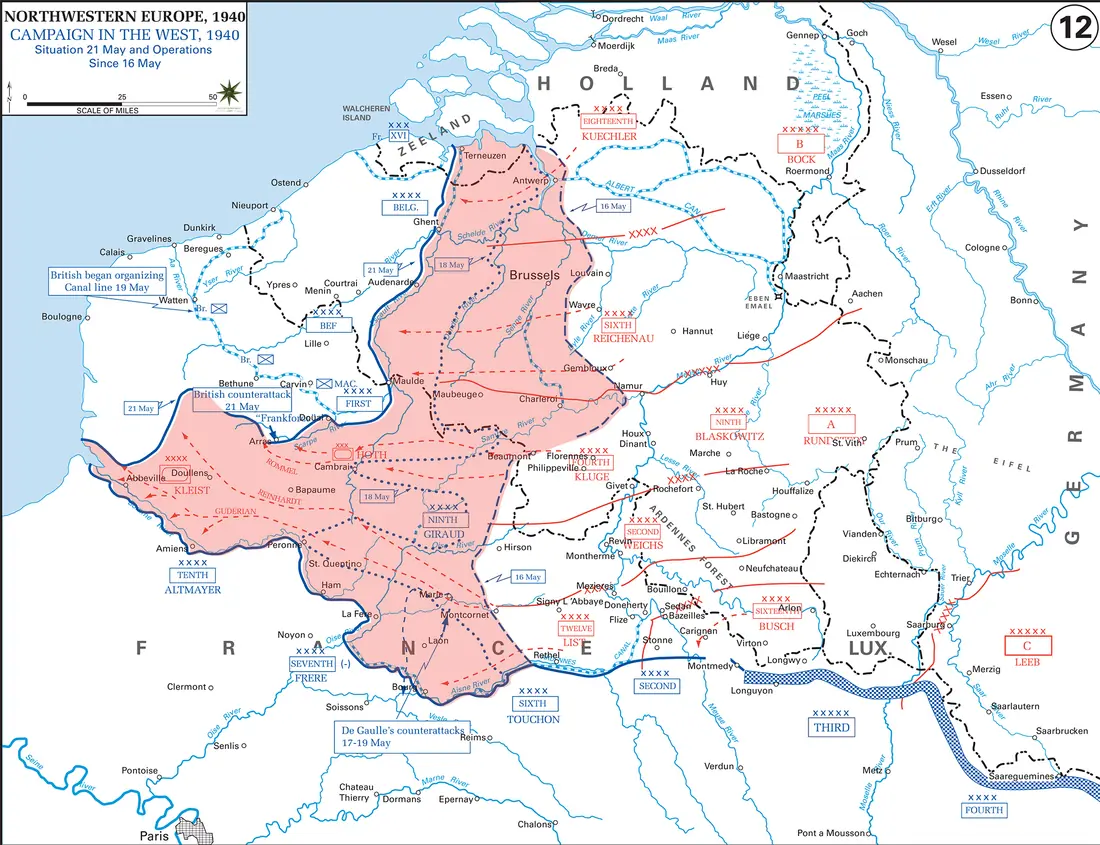
The situation before the evacuation was dire: the German army had pushed the Allies back to the sea, and it seemed inevitable that they would be captured or killed. The British Expeditionary Force, led by General Lord Gort, had been fighting in France for months, but they were vastly outnumbered and outgunned. As the Germans closed in, the British government realized that their only hope was to evacuate as many soldiers as possible from the beaches of Dunkirk.
The evacuation itself was a complex and chaotic operation, involving hundreds of ships and boats of all sizes, from large naval vessels to small civilian yachts. The Royal Navy, led by Vice-Admiral Bertram Ramsay, played a crucial role in organizing the evacuation, but it was the small boats that did much of the heavy lifting, ferrying soldiers from the beach to the larger ships waiting offshore. As the soldiers waited on the beach, they were under constant attack from German aircraft, and many were killed or wounded before they could even get on a boat.
One of the key figures in the evacuation was a man named Charles Lightoller, a retired naval officer who had commanded a ship during World War I. At the age of 66, Lightoller sailed his own yacht, the Sundowner, to Dunkirk, where he helped to evacuate over 130 soldiers. As he later recalled, 'We were under fire the whole time, but we didn't have much trouble getting the men on board.' The Sundowner made two trips to Dunkirk, rescuing a total of 130 soldiers, and Lightoller was later awarded the Distinguished Service Cross for his bravery.
As the evacuation drew to a close, the numbers were staggering: over 338,000 soldiers rescued, including more than 198,000 British and over 140,000 French, Belgian, and Dutch troops. The cost had been high, however: over 68,000 Allied soldiers had been killed or wounded during the Battle of France, and many more had been left behind in the chaos of the evacuation.
The irony is that the Dunkirk evacuation, which is often remembered as a great British victory, was actually a defeat: the Allies had been forced to retreat from France, leaving behind much of their equipment and many of their comrades. As Winston Churchill, the British Prime Minister, later said, 'Wars are not won by evacuations.' And yet, the Dunkirk evacuation remains one of the most famous and inspiring stories of World War II, a testament to the bravery and ingenuity of the soldiers and sailors who took part in it.