The Battle of France begins during World War II
France
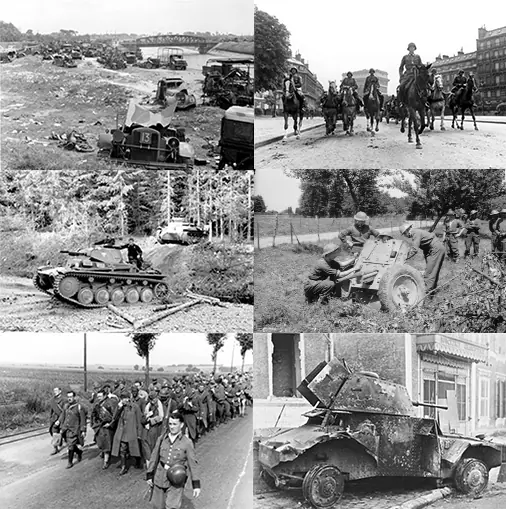
As the sun rises over the French countryside on May 10, 1940, the sound of artillery fire and screams of terrified civilians fill the air, marking the beginning of the Battle of France. The German army, led by Adolf Hitler, has launched a surprise attack on France, Belgium, the Netherlands, and Luxembourg, catching the Allied forces off guard. The French military, commanded by General Maurice Gamelin, is struggling to respond to the rapid German advance, with the enemy already pushing deep into French territory.
The situation before the battle was tense, with Germany having already invaded Poland in September 1939, prompting the United Kingdom and France to declare war. The French military had been preparing for a traditional warfare scenario, with a strong emphasis on defense, while the German army had been secretly developing a new tactic called the 'blitzkrieg,' which involved rapid advances and surprise attacks. As the German army advances, the French air force is quickly overwhelmed, with over 1,000 French planes destroyed in the first few days of the battle.
As the battle rages on, the French army is in disarray, with many units retreating in chaos. The German army, on the other hand, is moving swiftly, with its tanks and infantry advancing up to 20 miles per day. The French government, led by Prime Minister Paul Reynaud, is in crisis mode, with many officials calling for a ceasefire. On June 3, 1940, the German air force launches a massive bombing campaign against Paris, killing over 200 civilians and destroying much of the city. The French army is now in full retreat, with many soldiers fleeing in panic.
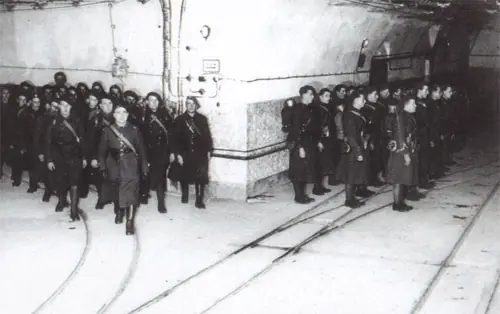
The human side of the battle is one of fear, chaos, and desperation. French civilians are fleeing their homes, trying to escape the advancing German army. Many are trapped, with no way to escape, and are forced to endure the brutal conditions of war. The soldiers on both sides are exhausted, hungry, and scared, with many suffering from injuries and illnesses. As the battle reaches its climax, the French army is on the brink of collapse, with over 100,000 soldiers killed or wounded.
The science behind the German army's success lies in its use of the blitzkrieg tactic, which involves rapid advances and surprise attacks. The German army has developed a new type of tank, the Panzer, which is faster and more maneuverable than traditional tanks. The Panzer tanks are supported by infantry and air power, allowing the German army to quickly overwhelm the French defenses. The French army, on the other hand, is using traditional warfare tactics, which are no match for the German blitzkrieg.
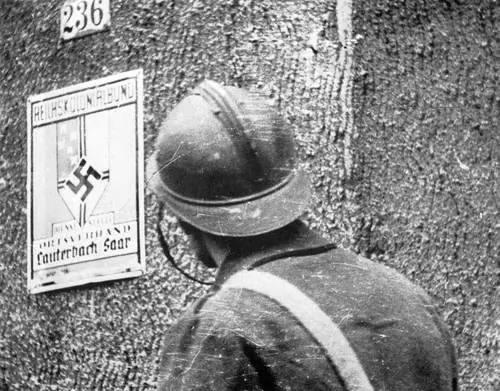
As the battle comes to an end, the French government is forced to sign the Armistice of Compiègne, which effectively surrenders France to Germany. The armistice is signed on June 22, 1940, in the same railway car where the Germans surrendered in 1918. The irony of this moment is not lost on the French people, who are forced to endure the humiliation of defeat in the same location where their ancestors had once triumphed. The consequences of the battle are devastating, with France being divided into two zones, one under German occupation and the other under the control of the French collaborationist government. The battle marks the beginning of a long and brutal occupation, which will last for four years and claim the lives of millions of French civilians.