Daily History
Politics & state

Robert F. Kennedy Assassination Attempt

Los Angeles, California, USA
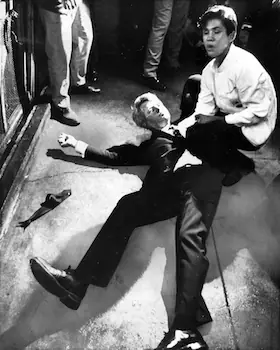
Robert F. Kennedy Assassination Attempt — Los Angeles, California, USA

As the sun set over the Ambassador Hotel in Los Angeles on June 5, 1968, Robert F. Kennedy, the 42-year-old U.S. presidential candidate, walked into the hotel's kitchen, where he was met with a mixture of cheers and chaos. Just moments before, Kennedy had delivered a victory speech to his supporters, having won the California primary, a crucial step in his bid for the Democratic nomination. But as he made his way through the crowded kitchen, a 24-year-old Palestinian immigrant named Sirhan Sirhan stepped forward, a .22 caliber revolver in his hand, and fired several shots at point-blank range.

The situation before that fateful night was tense, with the country still reeling from the assassination of Martin Luther King Jr. just two months prior. Kennedy, who had been a strong advocate for civil rights and social justice, had been gaining momentum in his campaign, and his victory in California was seen as a significant milestone. But Sirhan, who was upset by Kennedy's support for Israel, had been planning his attack for months, and had even written in his diary about his desire to kill the senator.

As Kennedy lay on the ground, bleeding profusely from his head and neck wounds, his supporters were in a state of panic, with many rushing to his side to try and stop the bleeding. The hotel's staff quickly called for an ambulance, and Kennedy was rushed to the hospital, where he underwent emergency surgery. But despite the efforts of his doctors, Kennedy's injuries were too severe, and he died the next day, at 1:44 am, surrounded by his family.
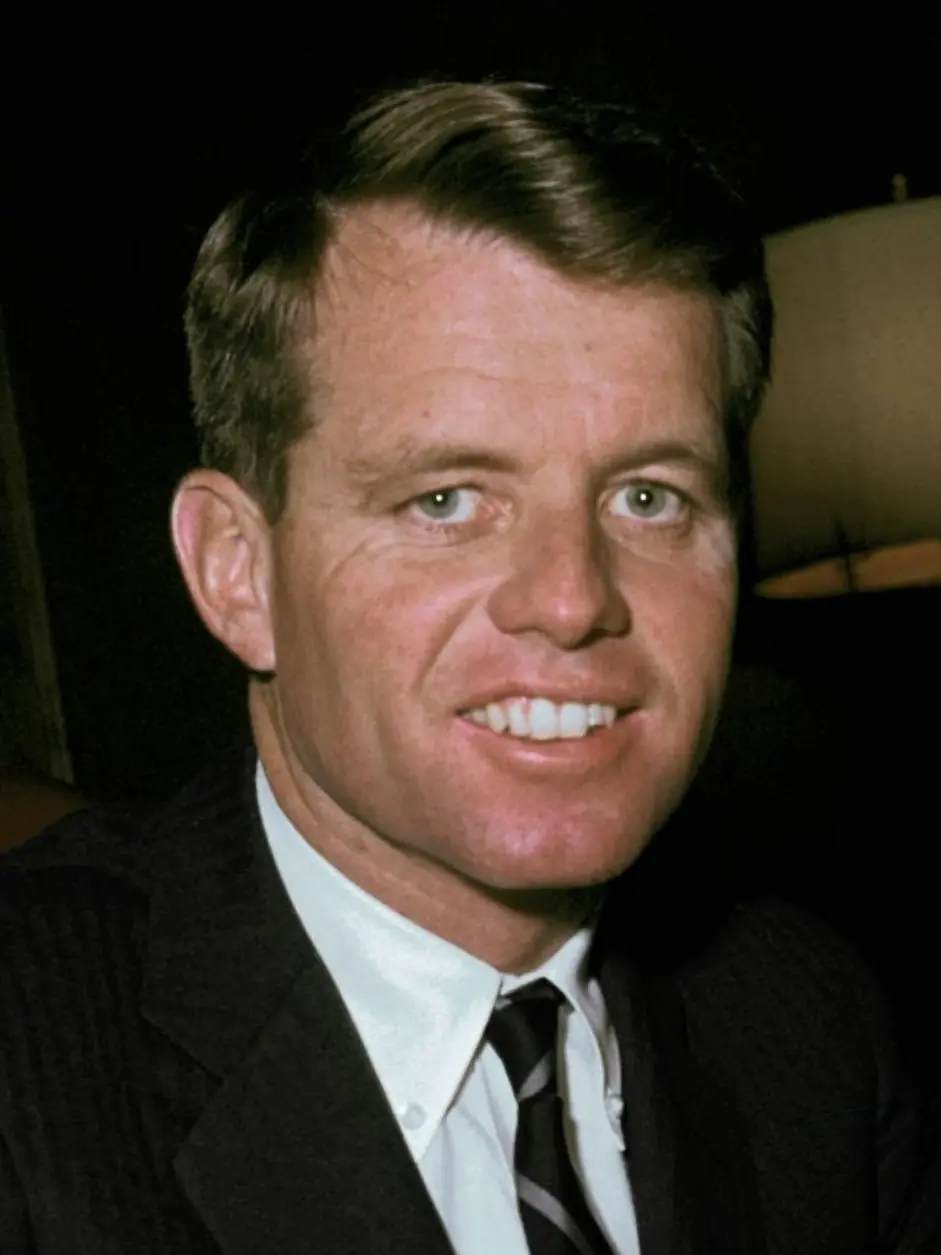
Robert F. Kennedy Assassination Attempt — Los Angeles, California, USA
Image: Unknown author · Public domain

The aftermath of Kennedy's assassination was marked by widespread shock and grief, with many Americans feeling as though they had lost a beacon of hope in a time of great turmoil. Sirhan, who was arrested at the scene and later convicted of Kennedy's murder, was sentenced to life in prison, where he remains to this day. In the years since the assassination, there have been numerous conspiracy theories and investigations, but the official story remains that Sirhan acted alone.

The human side of the story is perhaps the most poignant, with Kennedy's family and supporters still grieving to this day. As his wife, Ethel, remembered, 'Bobby was a remarkable person, with a great sense of humor and a deep commitment to social justice.' His brother, Ted Kennedy, also paid tribute to him, saying 'He was a good and decent man, who had a great love for his family and his country.'
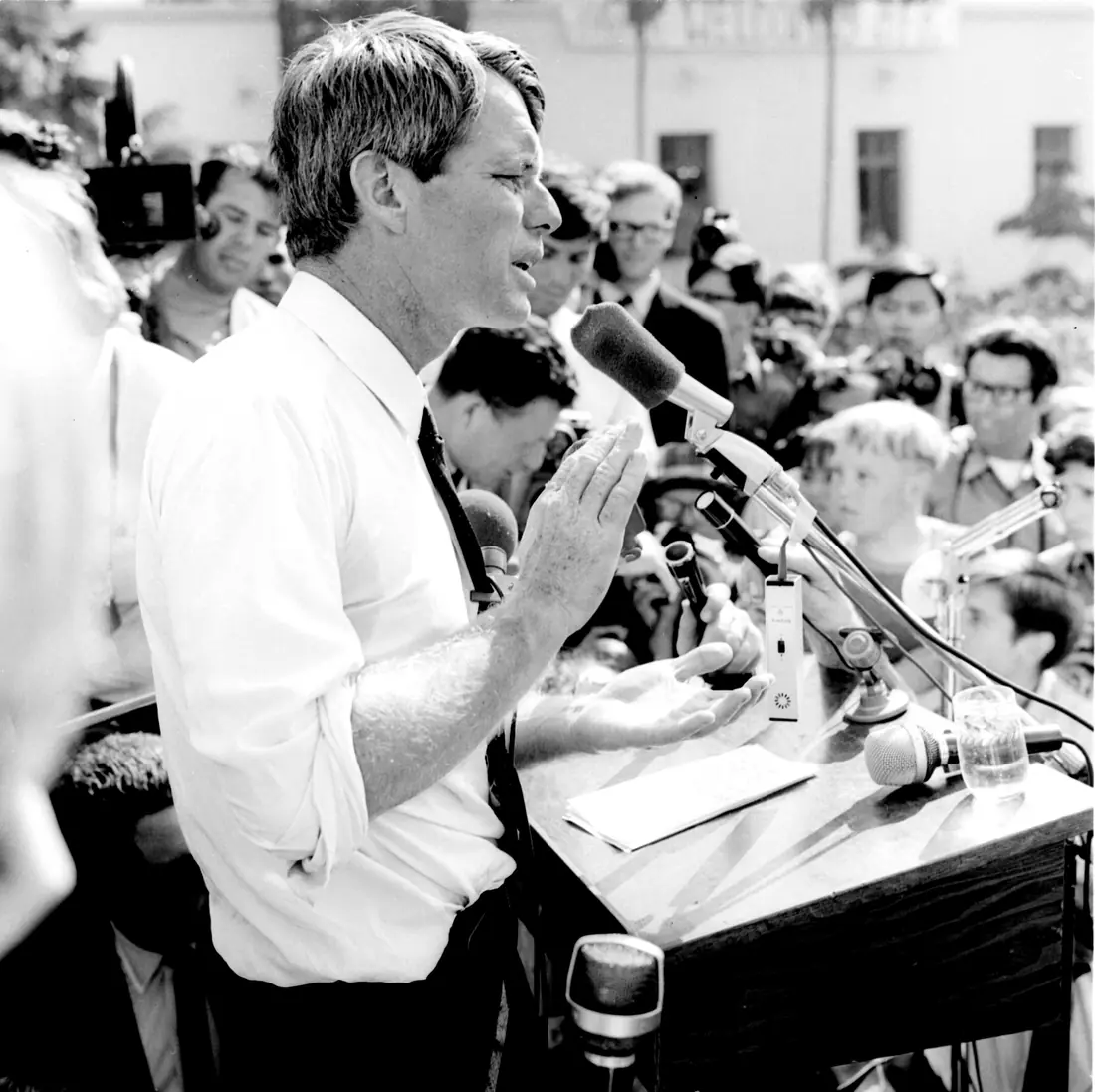
Robert F. Kennedy Assassination Attempt — Los Angeles, California, USA
Image: Evan Freed · Public domain

In the end, it is a small, often-overlooked detail that reframes the story of Robert F. Kennedy's assassination: the fact that the Ambassador Hotel, where Kennedy was shot, was demolished in 2006, erasing the physical location of one of the most pivotal moments in American history, leaving behind only memories and what-ifs.

Source: en.wikipedia.org/wiki/Assassination of Robert F. Kennedy
War & conflict

Second Boer War Concentration Camp Regulations

South Africa

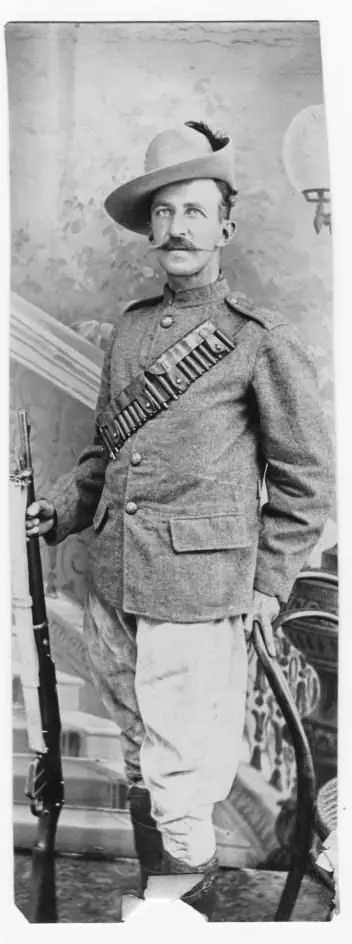
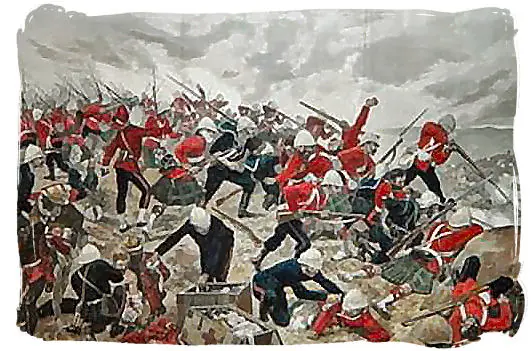
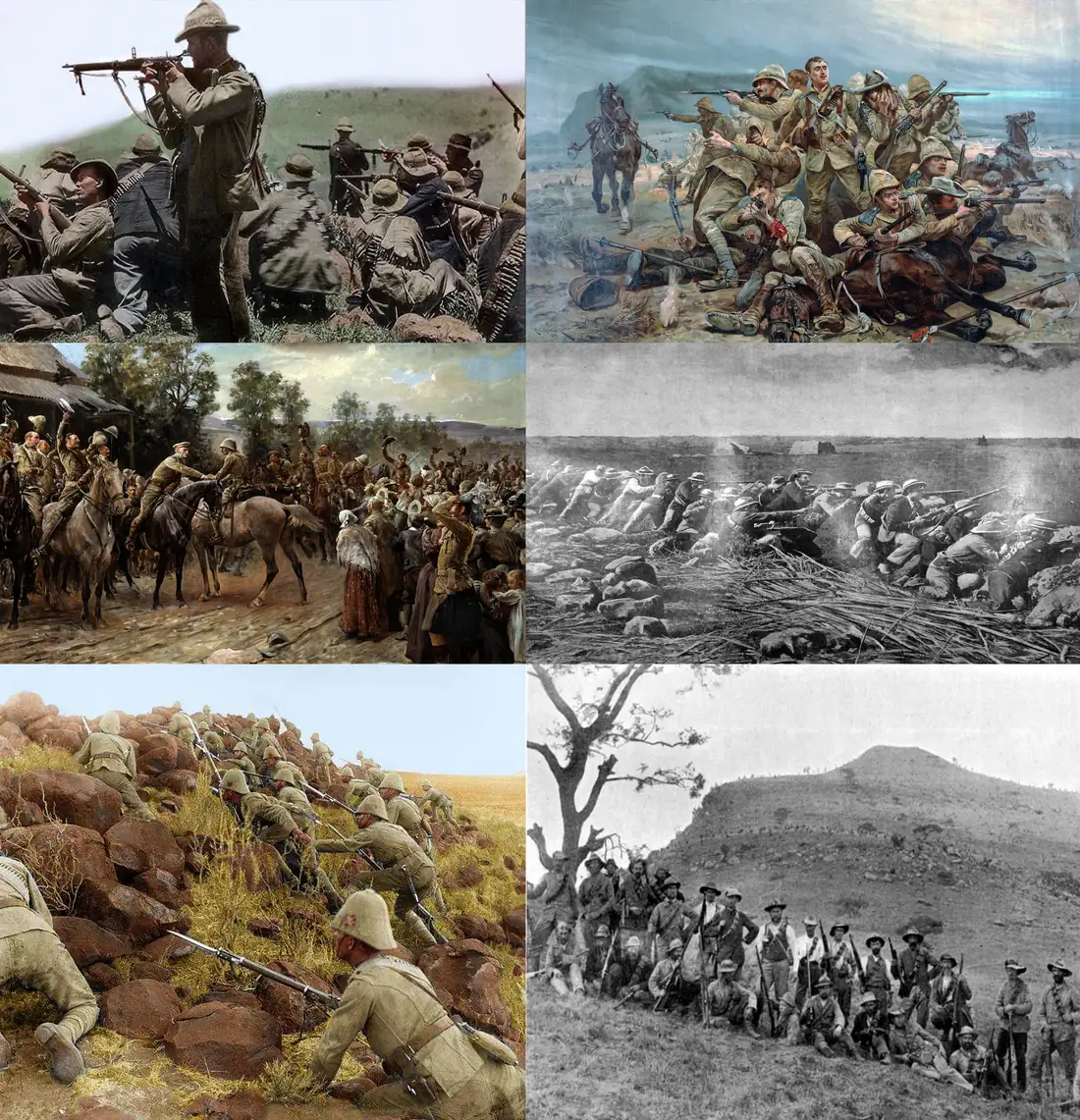
Second Boer War Concentration Camp Regulations — South Africa
Image: The British Army and The Illustrated London News · Public domain

As the sun rises over the barren landscape of South Africa on June 5, 1900, the British government issues a set of regulations that will change the course of the Second Boer War, and the lives of thousands of people, forever. The concentration camp regulations, designed to intern Boer civilians, are presented as a necessary measure to protect them from the fighting and prevent them from aiding the Boer commandos. However, the reality is far more sinister.

The Second Boer War had been raging for over a year, with the British attempting to assert their control over the two independent Boer states, the Orange Free State and the South African Republic. The war had been marked by a series of brutal battles, including the siege of Ladysmith, which had lasted for 118 days, and the battle of Spion Kop, which had resulted in over 1,700 British casualties. The British government, under the leadership of Prime Minister Robert Cecil, had been searching for a way to break the Boer resistance, and the concentration camps seemed like the perfect solution.

The regulations, which were put into effect by Lord Kitchener, the commander-in-chief of the British forces in South Africa, called for the establishment of a series of camps where Boer civilians would be interned. The camps were to be run by the British military, and the inmates would be provided with food, shelter, and medical care. However, the conditions in the camps were appalling, with overcrowding, poor sanitation, and inadequate food leading to the spread of diseases such as typhoid and dysentery. Between June 1900 and May 1902, a total of 48 camps were established, holding over 116,000 Boer civilians, including 26,000 children under the age of 16.

Second Boer War Concentration Camp Regulations — South Africa

The human cost of the concentration camps was staggering. Over 26,000 Boer civilians, mostly women and children, died in the camps, with some camps reporting mortality rates as high as 50%. The conditions in the camps were so bad that even the British government was forced to take notice. In 1901, a report by the British government's own investigators found that the camps were 'unsanitary, overcrowded, and poorly managed', and that the inmates were 'suffering from disease, malnutrition, and neglect'. The report was met with outrage, and the British government was forced to take action to improve the conditions in the camps.

The aftermath of the concentration camps was marked by a period of soul-searching and reflection. The British government was forced to confront the reality of what had happened in the camps, and the impact it had on the Boer people. In the years that followed, the British government implemented a series of reforms, including the establishment of a new government in South Africa, and the creation of a commission to investigate the conditions in the camps. The legacy of the concentration camps can still be seen today, with many regarding them as a symbol of the brutal and inhumane treatment of civilians during wartime. As the South African historian, Sol Plaatje, wrote in his book 'Native Life in South Africa', 'the concentration camps were a stain on the conscience of the British people, and a reminder of the horrors of war'. The concentration camps remain a powerful reminder of the devastating consequences of war, and the importance of protecting human rights, even in the most difficult of circumstances.

Second Boer War Concentration Camp Regulations — South Africa
Image: FAK · CC BY-SA 4.0

Source: en.wikipedia.org/wiki/Second Boer War

Use the arrow keys to move between days

Browse the full archive →