Daily History
Technology

Incorporation of the Ford Motor Company

Detroit, USA

Incorporation of the Ford Motor Company — Detroit, USA
Image: 42-BRT · CC BY 4.0

Henry Ford is pacing back and forth in his office, the sound of his footsteps echoing off the walls as he waits for the final signatures to be penned on June 16, 1903. The room is filled with tension, the weight of $100000 in capital resting on the shoulders of twelve investors who are about to embark on a journey that will revolutionize the automotive industry. John Gray, the company's first secretary, is meticulously reviewing the documents, ensuring every detail is in order before the historic moment unfolds. As the clock ticks closer to 10:00 am, the atmosphere becomes electric, the sense of anticipation palpable.

The Ford Motor Company is about to be incorporated, and with it, a new era of innovation and progress. The story of how this moment came to be is one of perseverance and determination, of a man who refused to give up on his vision, even when the world seemed to be against him. Henry Ford had already failed twice in his previous endeavors, but he was undeterred, driven by a passion to make cars accessible to the average American. With a keen eye for engineering and a mind for business, he was poised to disrupt the status quo and leave an indelible mark on the industry.

As the investors gather around the table, the sense of excitement is palpable. They are about to embark on a journey that will take them to the pinnacle of success, but also through the depths of uncertainty. With $100000 in capital, they are taking a significant risk, but one that could potentially yield enormous rewards. The company's first president, John Gray, looks around the room, his eyes locking onto the faces of the men who are about to change the course of history. "Gentlemen," he says, his voice filled with conviction, "the time has come to put our signatures to paper and make this moment official."
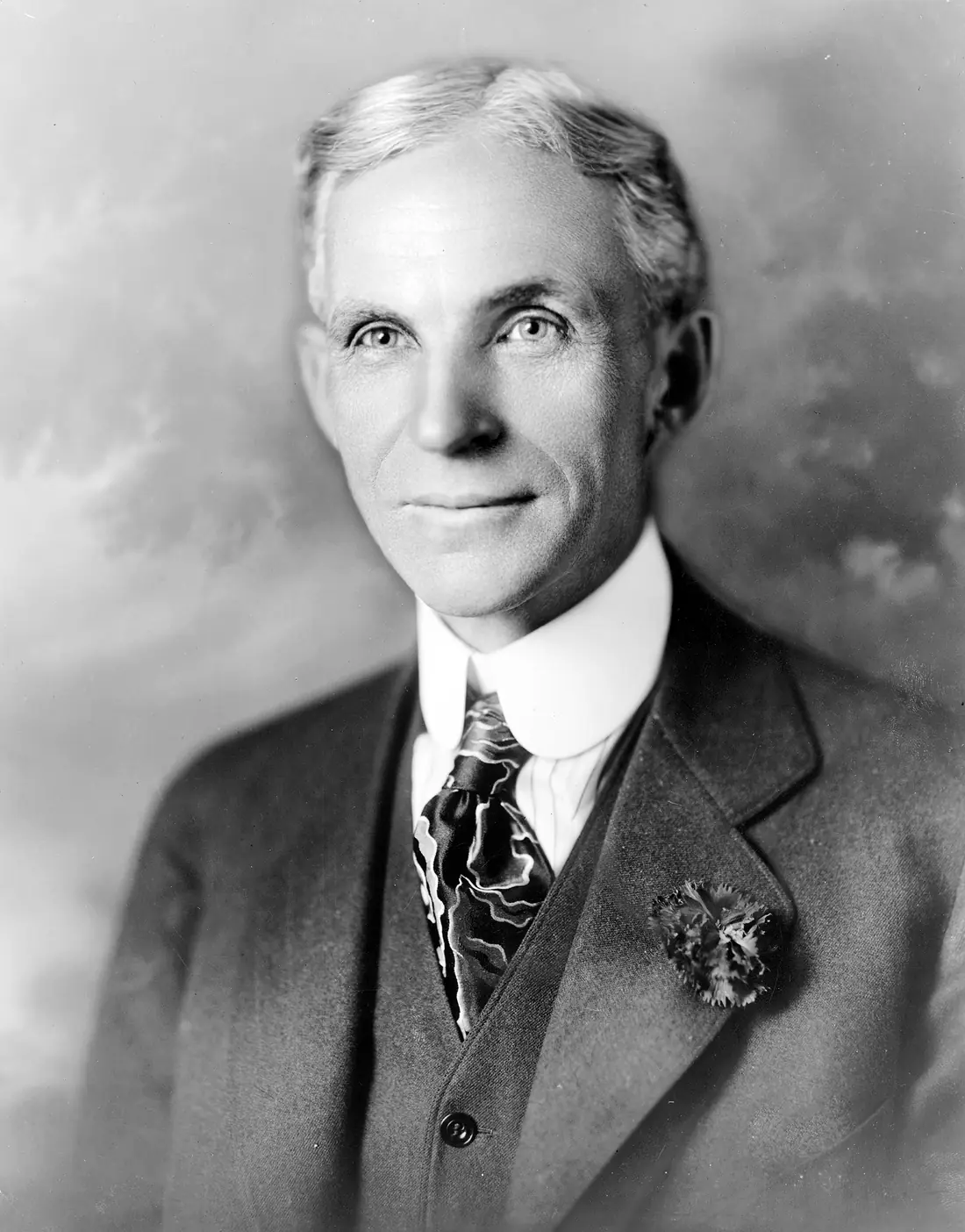
Incorporation of the Ford Motor Company — Detroit, USA
Image: Fred Hartsook · Public domain

The pens begin to move, the scratch of ink on paper the only sound as the investors sign their names, one by one. It's a moment of great significance, one that will be etched in the annals of history forever. As the last signature is penned, a sense of relief washes over the room, followed by a wave of excitement and anticipation. The Ford Motor Company is officially incorporated, and with it, a new era of innovation and progress has begun.

In the years that follow, the company will face numerous challenges, from production delays to financial struggles. But through it all, Henry Ford remains steadfast, his vision unwavering. He is a man on a mission, driven by a passion to make cars accessible to the average American. And with the introduction of the assembly line, he will revolutionize the manufacturing process, reducing production time and costs, and making cars more affordable for the masses. The impact will be staggering, with over 15 million Model T's sold in the first twenty years of production.
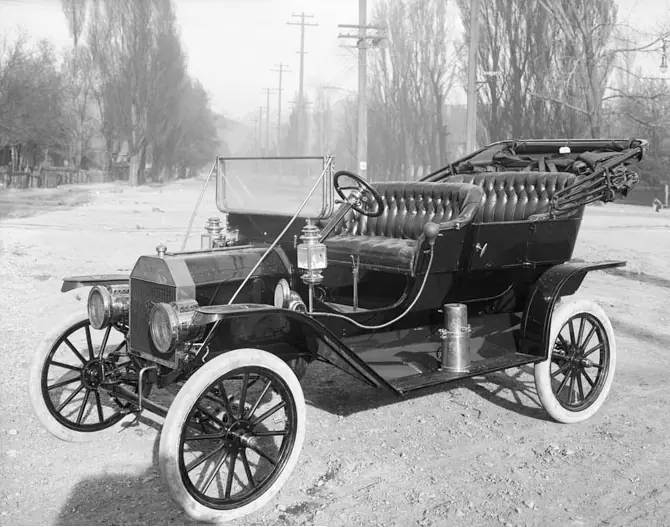
Incorporation of the Ford Motor Company — Detroit, USA
Image: Harry Shipler · Public domain

As the news of the company's incorporation spreads, the city of Detroit is abuzz with excitement. The prospect of a new industry emerging, one that will bring jobs and prosperity to the region, is a tantalizing one. And at the heart of it all is Henry Ford, a man who is about to change the face of America, one car at a time. The irony is not lost on him, that a company founded on the principles of innovation and progress will ultimately become a symbol of American ingenuity and determination. As he looks out over the city, he knows that this is just the beginning, the first chapter in a story that will unfold over the next century.
Source: en.wikipedia.org/wiki/Ford Motor Company

War & conflict

Soweto uprising

Soweto, South Africa

Soweto uprising — Soweto, South Africa
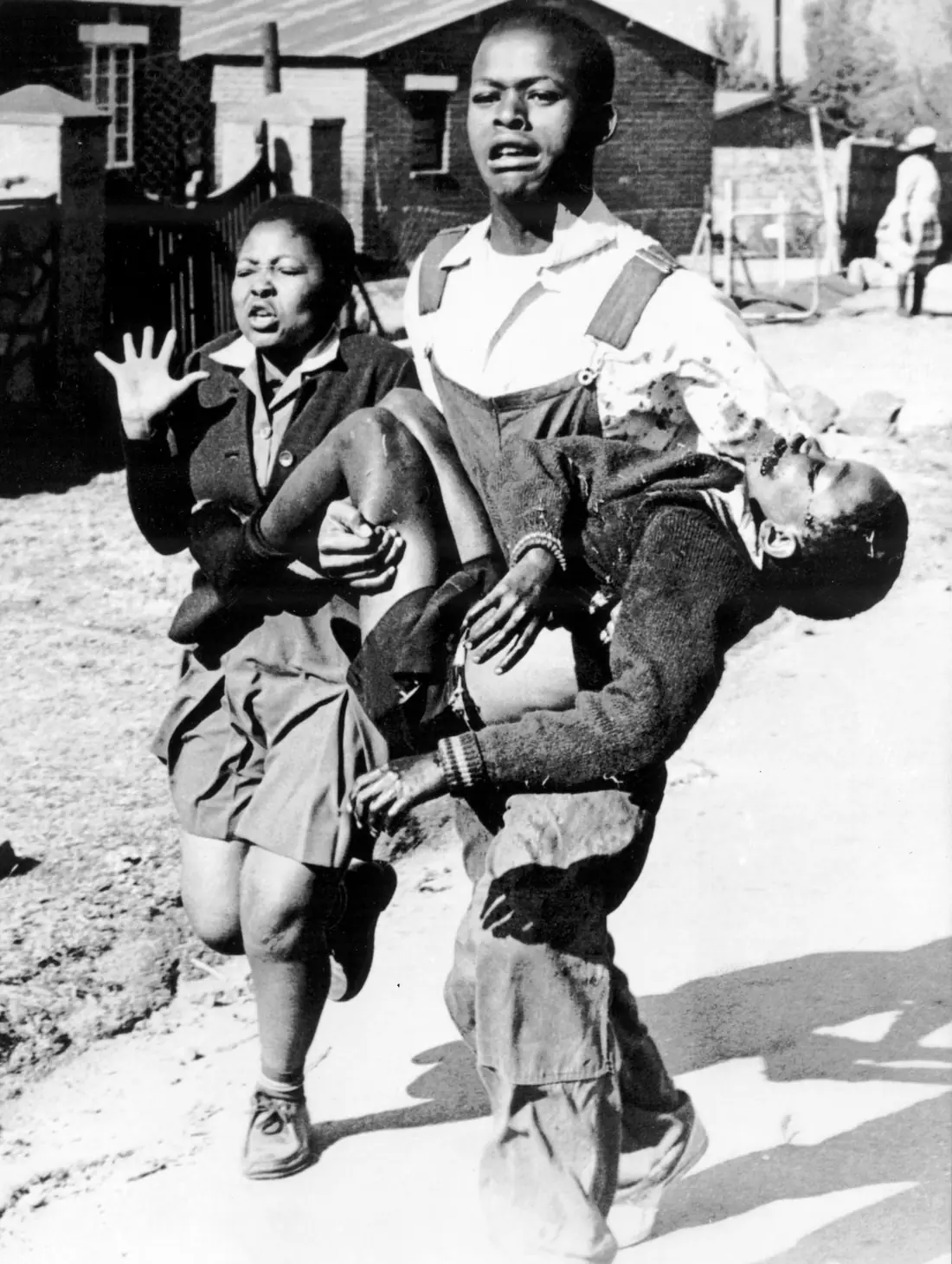
Image: Sam Nzima · Public domain

In the sweltering heat of a South African winter morning, a group of schoolchildren, most of them between the ages of 10 and 19, are walking towards their fate, armed with nothing but a deep-seated desire for equality and a few hastily written protest signs. They are headed to Orlando Stadium in Soweto, where they plan to protest the imposition of Afrikaans as a medium of instruction in their schools, a move they see as an attempt to suppress their native languages and cultures.

The scene is chaotic, with thousands of students, their faces set with determination, flowing through the streets like a human tide. The air is thick with tension as the police, aware of the planned protest, have set up barricades and are waiting with riot gear. Among the crowd are figures like Tsietsi Mashinini, a charismatic 19-year-old who will become one of the faces of the uprising, and Hector Pieterson, a 12-year-old whose fate will be etched in the minds of South Africans forever.

As the students approach the stadium, they are met with a barrage of tear gas and live ammunition. Panic sets in, and the once-unified crowd begins to scatter in all directions. In the chaos, Hector Pieterson falls, his small body crumpling under the impact of a police bullet. His friend, Antoinette Sithole, rushes to his side, screaming in horror as she cradles his head in her lap. This moment, captured by photographer Sam Nzima, will become an iconic image of the Soweto uprising, a stark reminder of the brutality faced by the students.

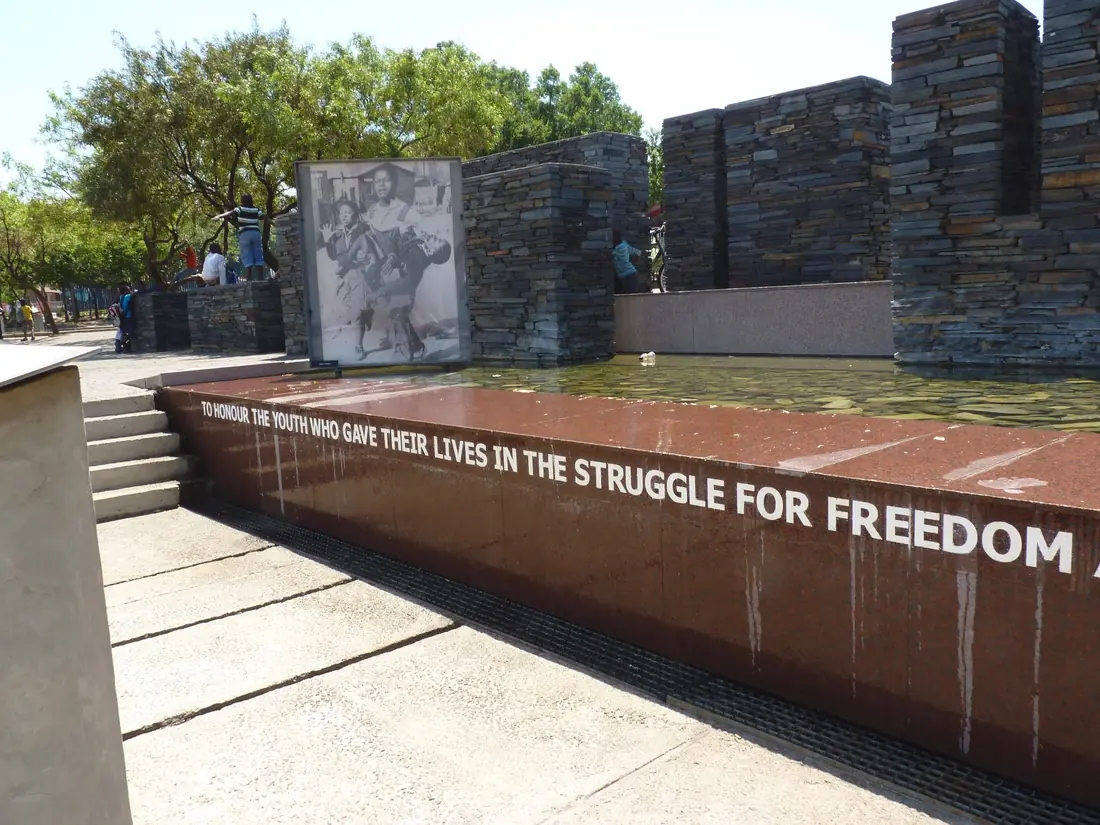
Soweto uprising — Soweto, South Africa
Image: Guinnog · CC BY-SA 3.0

The uprising spreads like wildfire across Soweto, with students and residents alike rising up against the police. The days that follow are marked by widespread violence and destruction, as the apartheid regime, determined to quell the rebellion, unleashes its full force upon the population. By the end of the month, estimates suggest that over 200 people have been killed, with many more injured or detained. The international community begins to take notice, and the Soweto uprising marks a turning point in the fight against apartheid, drawing attention to the plight of South Africa's black population and galvanizing support for the anti-apartheid movement.

In the aftermath of the uprising, as the world begins to condemn the actions of the South African government, a surprising fact emerges: the students' protest was not just about language; it was about the entire system of apartheid. They were fighting against a regime that treated them as second-class citizens, denying them basic rights and freedoms. The Soweto uprising was a catalyst for change, sparking a wave of protests and resistance movements across the country. As the years go by, the impact of that fateful day becomes clear: it was a moment when the tide of history began to shift, ever so slowly, towards equality and justice.

Soweto uprising — Soweto, South Africa
Image: Ina96 · CC BY-SA 3.0

The legacy of the Soweto uprising lives on, a testament to the power of resistance and the unyielding spirit of a generation of young South Africans who dared to challenge the status quo. Today, as South Africa continues to grapple with the challenges of its past, the memory of those who fought and died in Soweto serves as a reminder of the long and winding road to freedom, and the enduring power of the human spirit to overcome even the most daunting obstacles.

Source: en.wikipedia.org/wiki/Soweto uprising

Use the arrow keys to move between days

Browse the full archive →