Mumtaz Mahal's Death and the Taj Mahal
Burhanpur, India
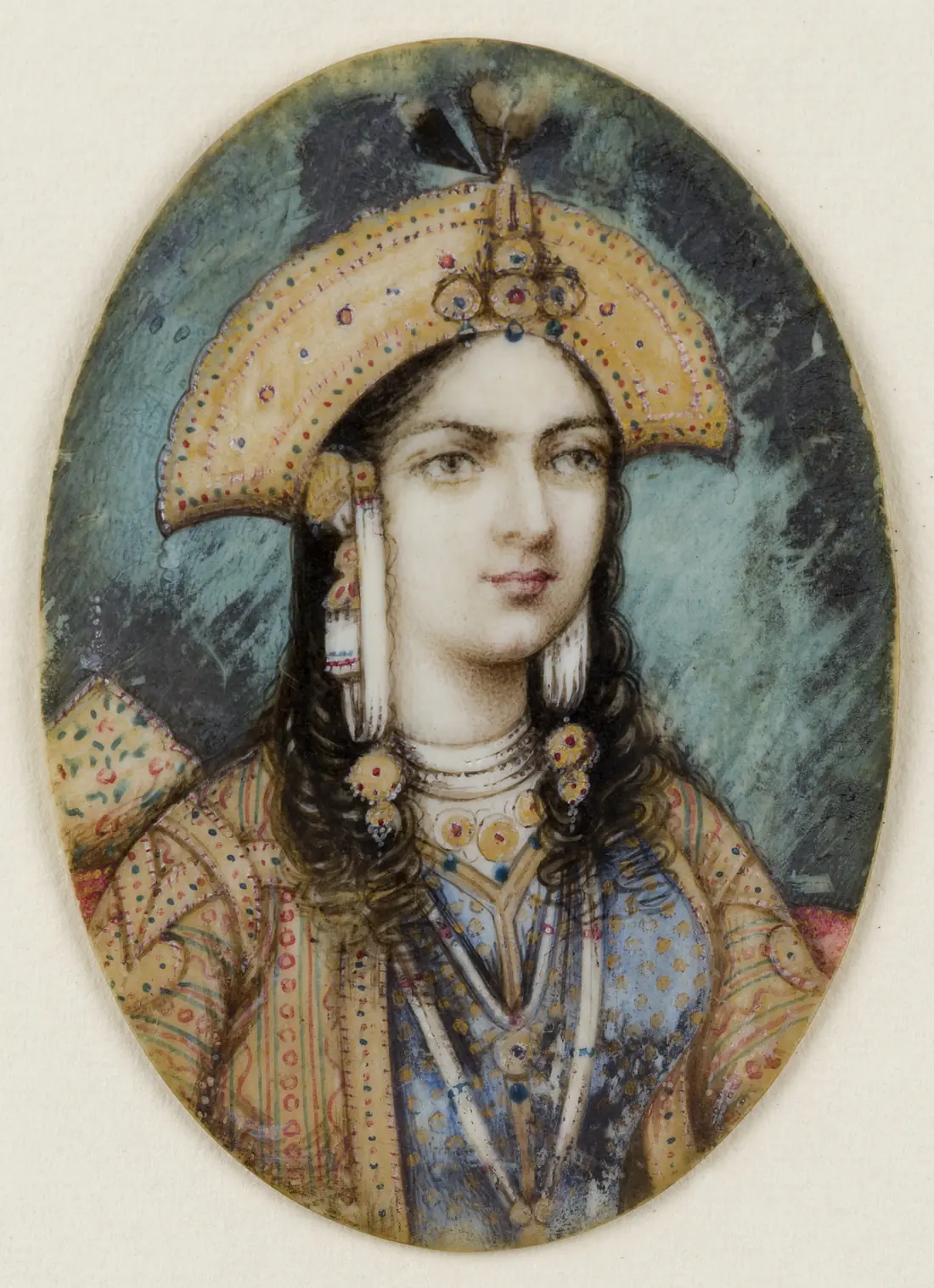
The sound of a newborn's cry fills the air as Mumtaz Mahal, the beloved wife of Shah Jahan, lies on her birthing bed, her 14th child having just entered the world. It's June 17, 1631, in the sweltering heat of Burhanpur, India, and the room is thick with the smell of sweat, blood, and desperation. The 38-year-old empress, exhausted and frail, gazes lovingly at her newborn, her eyes filled with a mix of joy and pain. She knows she won't survive this birth, and as she whispers her final words to Shah Jahan, the weight of her mortality settles upon him like a shroud.
Mumtaz Mahal's death sends shockwaves through the Mughal Empire, with Shah Jahan, 36, plunged into a grief so profound it would change the course of his life. As he cradles his newborn daughter, Gauhara Begum, in his arms, he's tormented by the thought of a life without his soulmate. The memory of Mumtaz's laughter, her smile, and her eyes haunts him, driving him to erect a monument in her honor, a testament to their love that would surpass anything the world had ever seen. The construction of the Taj Mahal, a wonder of the modern world, begins, with thousands of skilled laborers, including stonemasons, calligraphers, and artisans, working tirelessly to bring Shah Jahan's vision to life.
As the sun rises over the dusty plains of Burhanpur, the sound of hammers striking stone, the chatter of workers, and the scent of freshly cut marble fill the air. The project, estimated to cost around 32 million rupees, a staggering sum at the time, will take over 22 years to complete, with over 20,000 workers laboring to create the intricate inlays, the ornate calligraphy, and the perfect proportions that make the Taj Mahal a symphony of beauty and elegance. Amidst the chaos of construction, a surprising fact emerges: the Taj Mahal's four minarets, each 137 feet tall, are designed to lean slightly outward, a deliberate choice made to ensure they don't fall onto the main structure in the event of an earthquake, a testament to the ingenuity of the architects.
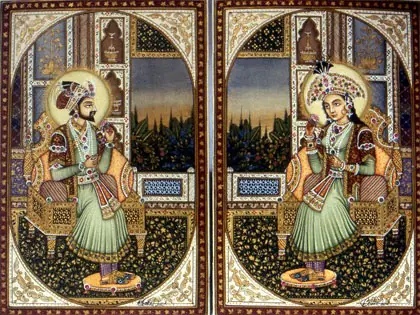
The story of the Taj Mahal is often told as a romance, a tale of love and loss, but it's also a story of the people who built it – the laborers who toiled in the scorching sun, the artisans who crafted the intricate marble inlays, and the engineers who designed the complex system of domes and arches. As the monument rises from the ground, it becomes a beacon of hope, a symbol of the transcendent power of love, and a reminder that even in death, beauty can be created. In the present moment, as the sun sets over the Taj Mahal, the sound of the call to prayer echoes through the air, and the scent of roses wafts through the gardens, it's as if Mumtaz Mahal's spirit still lingers, a gentle presence that continues to inspire and awe all who behold the wonder she inspired.
As the years pass, the Taj Mahal becomes a testament to the enduring power of love, a reminder that even in the darkest moments, beauty can be created. The story of Mumtaz Mahal and Shah Jahan serves as a poignant reminder that life is precious, and that the memories we create with those we love are the most valuable treasures of all. And so, as the stars twinkle to life above the Taj Mahal, the monument stands as a shining beacon, a celebration of the human spirit, and a reminder that love can conquer even death itself. The last image that remains is that of Shah Jahan, an old man now, standing before the Taj Mahal, his eyes filled with tears, as he whispers his final goodbye to the love of his life, the woman who inspired the most beautiful monument the world has ever known.