Daily History
Politics & state

Juneteenth

Galveston, Texas, USA
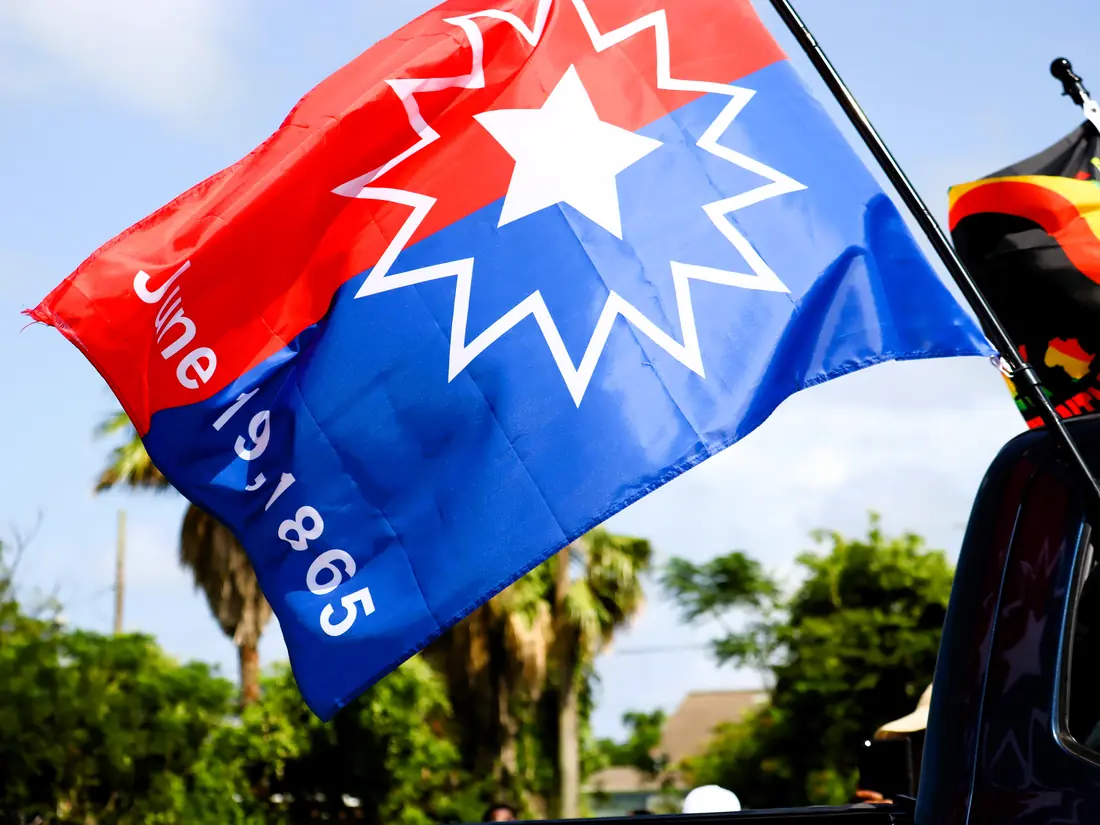
Juneteenth — Galveston, Texas, USA
Image: 2C2KPhotography · CC BY 4.0

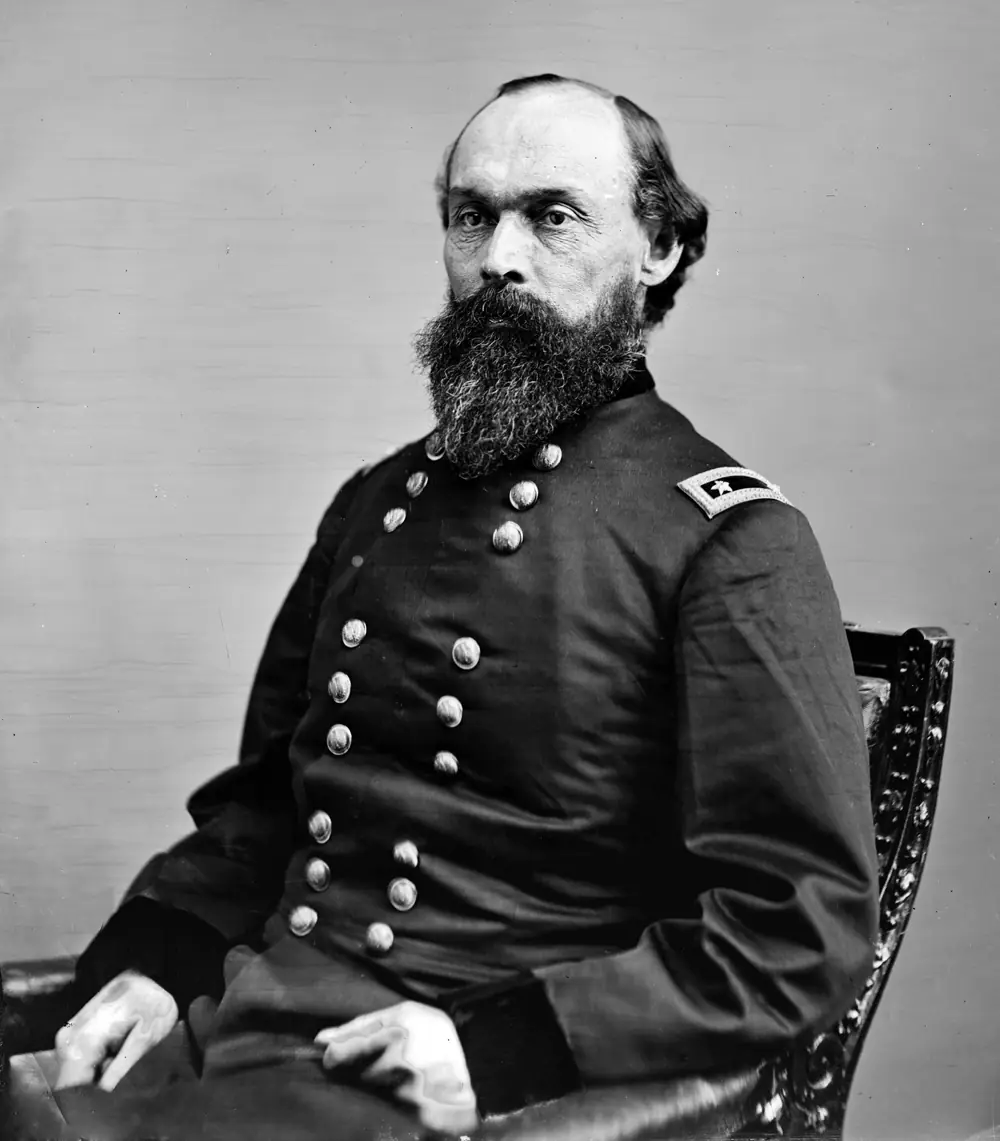
As the sun rises over Galveston, Texas, a sense of uncertainty fills the air, for on this particular morning, June 19, 1865, Union General Gordon Granger steps onto the balcony of Ashton Villa, a grand mansion that has been converted into a Union headquarters, and reads aloud a most extraordinary message: all slaves in Texas are now free.

The Emancipation Proclamation, issued by President Abraham Lincoln over two years prior, had declared freedom for all slaves in Confederate territory, but it wasn't until this very moment, with Granger's voice ringing out across the city, that the news reaches the approximately 250,000 enslaved individuals in Texas.

The delay in spreading the news can be attributed to the limited Union presence in the state during the war, as well as the lack of a strong federal authority to enforce the proclamation. It takes the arrival of federal troops, led by Granger, to finally bring the truth to the people of Texas, and the impact is almost palpable.
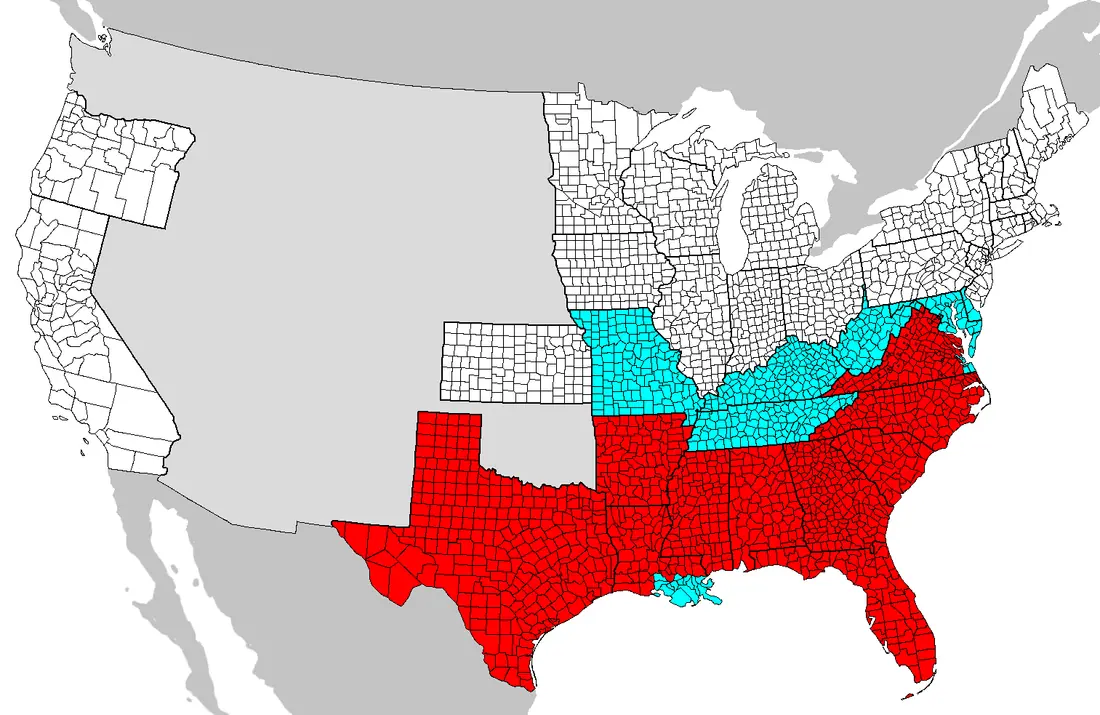
Juneteenth — Galveston, Texas, USA
Image: derivative work: SFGiants · CC BY-SA 3.0

As the news spreads, former slaves gather in the streets, a mix of jubilation and confusion on their faces, unsure of what this newfound freedom truly means, but eager to find out. One such individual, a former slave named Felix Haywood, recalls the moment vividly: 'Everybody went wild,' he says, 'we all felt like heroes, and we all felt grateful to Lincoln, who had given us our freedom.'

The aftermath of this event is nothing short of remarkable: in the weeks and months that follow, freed slaves begin to build new lives for themselves, many heading to neighboring states in search of family members and better opportunities. The city of Galveston, once a major hub for the slave trade, slowly transforms into a thriving community, with former slaves now able to own property, start businesses, and participate in the local government.
Juneteenth — Galveston, Texas, USA
Image: Mathew Benjamin Brady · Public domain

One surprising fact about this period is that many freed slaves chose to stay with their former owners, not out of loyalty, but because they had nowhere else to go, and the promise of paid labor, though meager, was better than the uncertainty of the outside world. Meanwhile, the Freedmen's Bureau, established by the federal government, works to provide assistance to former slaves, including food, clothing, and medical care.

As the years pass, the legacy of Juneteenth, as this day comes to be known, only grows in significance. It becomes a celebration of freedom, a reminder of the long and difficult journey that African Americans have faced, and continue to face, in their pursuit of equality. And yet, despite its importance, Juneteenth remains a relatively unknown holiday to many Americans, a fact that speaks to the complexities and challenges of the country's ongoing struggle with racism and inequality.

Today, as we look back on that fateful day in Galveston, we are reminded of the power of freedom, and the enduring spirit of those who fought for it. The image of General Granger, standing on the balcony, reading aloud the words that would change the lives of so many, is a testament to the human desire for liberty, and the unrelenting pursuit of a better life.

Source: en.wikipedia.org/wiki/Juneteenth
Politics & state

Civil Rights Act of 1964

Washington, D.C., USA

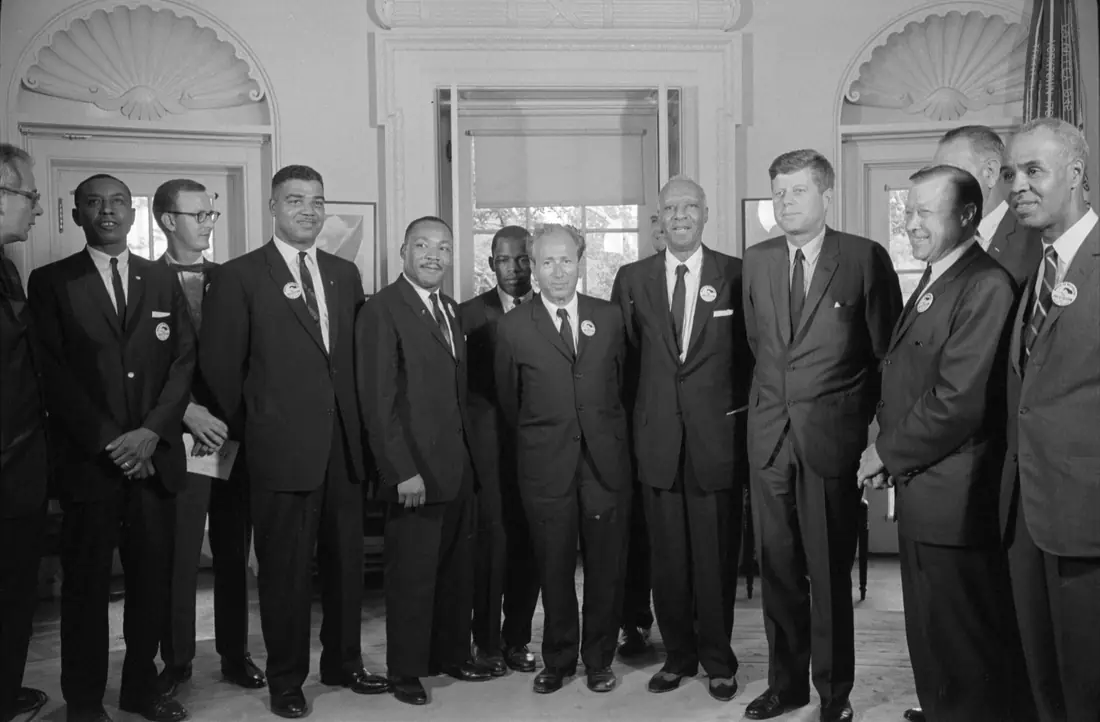
Civil Rights Act of 1964 — Washington, D.C., USA
Image: Abbie Rowe · Public domain

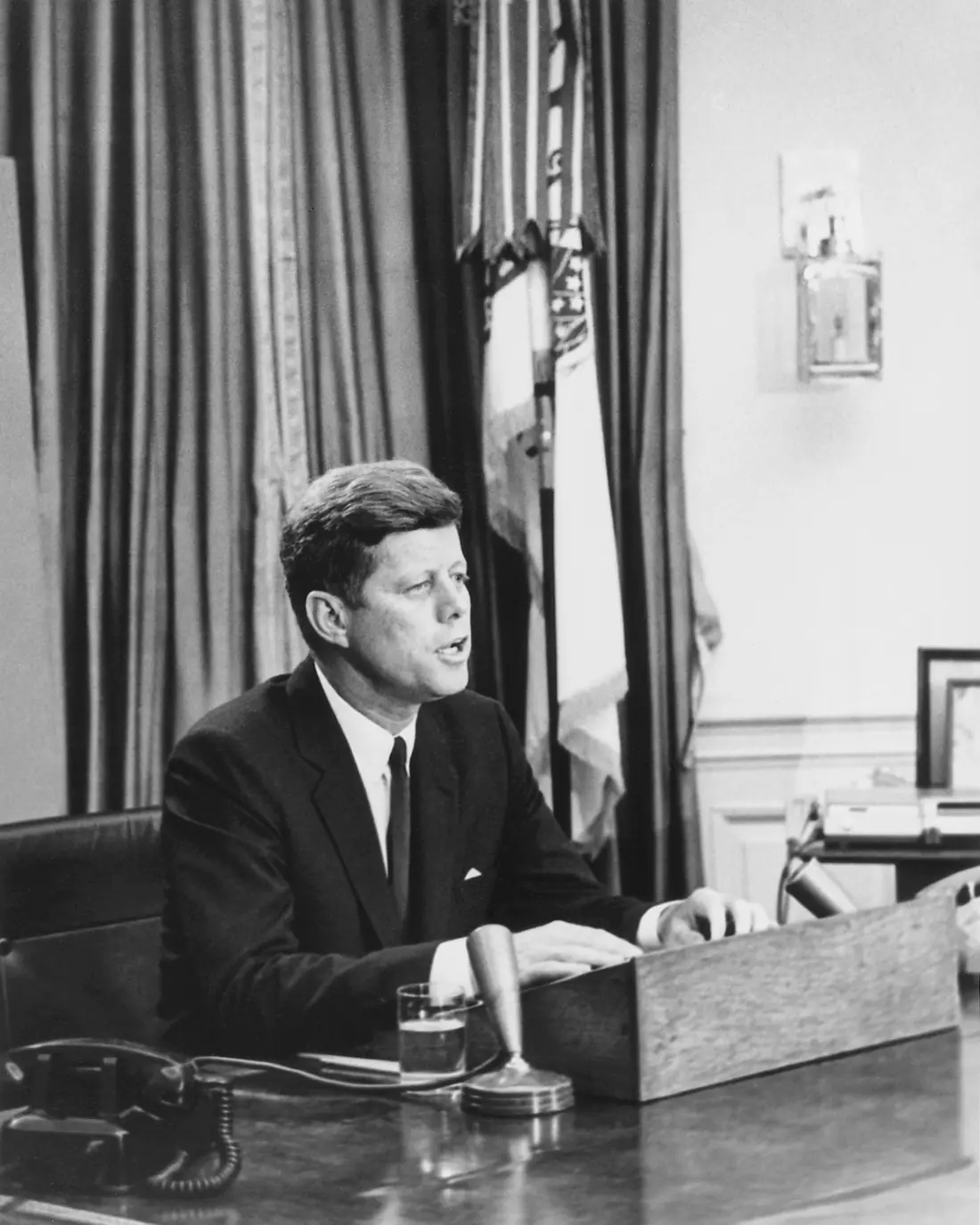
Senator Hubert Humphrey stood on the Senate floor, his voice booming as he declared, "This is a great day, not only for the Negro, but for all Americans." The air was electric with anticipation, the crowded room thick with the smell of cigarette smoke and freshly sharpened pencils.

The Civil Rights Act of 1964, a landmark piece of legislation, had been years in the making. It prohibited discrimination based on race, color, religion, sex, or national origin, and paved the way for the desegregation of public facilities, including restaurants, hotels, and theaters. The Senate had been debating the bill for 83 days, with 534 amendments proposed and 67 votes taken. Of the 100 senators, 73 voted in favor of the bill, with 27 opposing it.

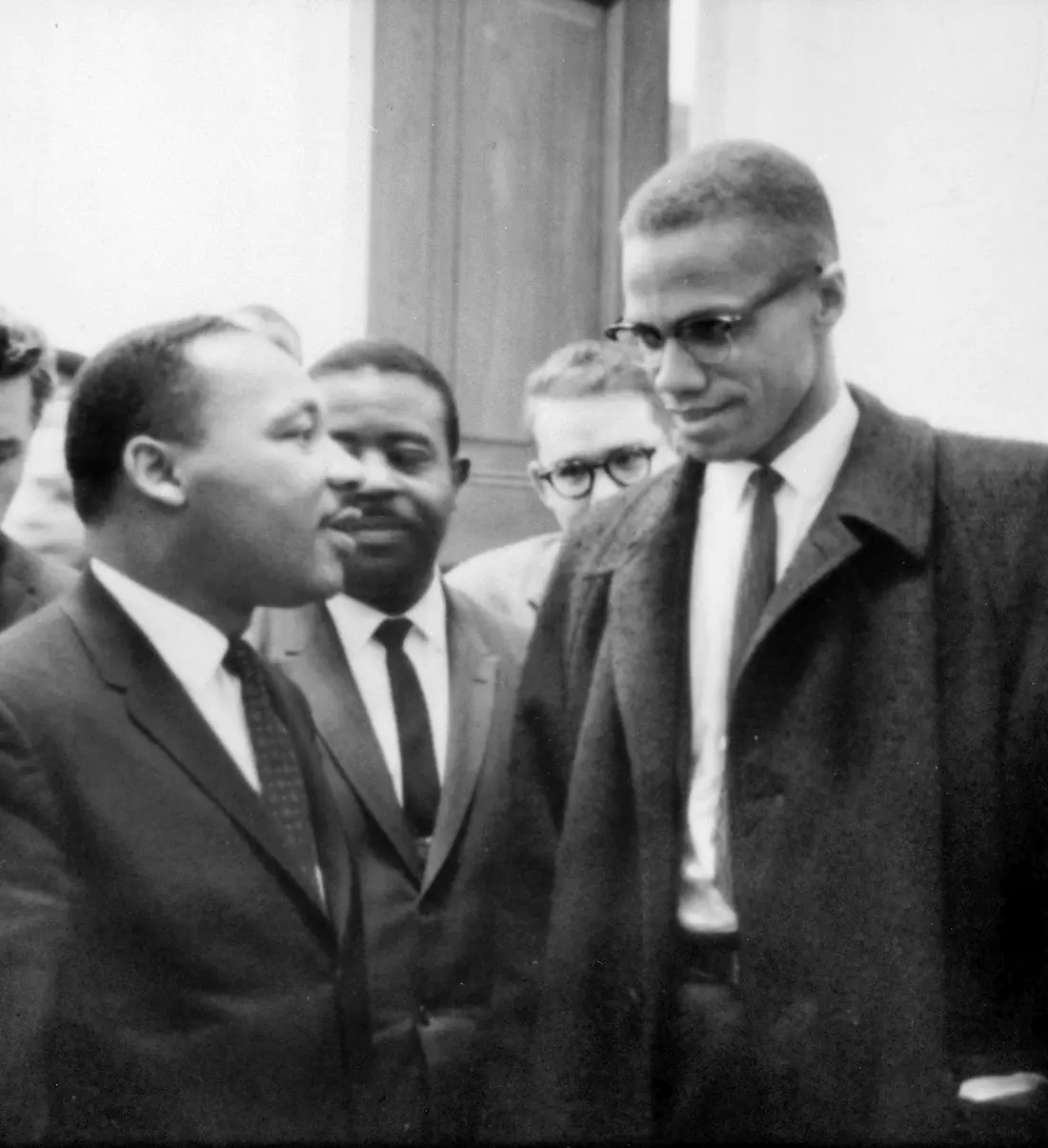
The road to this moment had been long and arduous. Civil rights activists, including Martin Luther King Jr., had been fighting for equality and justice for decades. They had faced fierce resistance, violence, and intimidation, but their determination never wavered. In the spring of 1963, King had written his famous "Letter from Birmingham Jail," in which he argued that "injustice anywhere is a threat to justice everywhere." His words had resonated with many Americans, and the tide of public opinion had begun to shift.

Civil Rights Act of 1964 — Washington, D.C., USA
Image: Leffler, Warren K., photographer · Public domain

As the Senate voted, the room erupted into cheers and applause. Senator Richard Russell, a staunch opponent of the bill, shook hands with Senator Humphrey, saying, "You've won, Hubert. I hope you're satisfied." Humphrey smiled, his eyes shining with tears, and replied, "I'm not satisfied. I'm just glad that we've taken a first step."

The passage of the Civil Rights Act marked a significant turning point in American history. It was a major victory for the civil rights movement, and paved the way for further legislation, including the Voting Rights Act of 1965. However, the fight for equality and justice was far from over. Many African Americans continued to face discrimination, violence, and marginalization, and it would take years of continued activism and advocacy to achieve true equality.

Civil Rights Act of 1964 — Washington, D.C., USA
Image: Marion S. Trikosko, U.S. News & World Report Magazine · Public domain

As the senators left the chamber, they were met with a sea of faces, all eager to catch a glimpse of the historic moment. The sun was setting over Washington, casting a golden glow over the city. It was a moment of hope and optimism, a sense that anything was possible. And yet, amidst the celebration, there was a sense of unease, a recognition that the work ahead would be difficult and challenging.

In the years that followed, the Civil Rights Act would be tested and refined, its provisions expanded and strengthened. It would become a powerful tool for fighting discrimination, and a beacon of hope for marginalized communities. And as Americans looked back on that day in June, they would remember the sense of possibility and promise that filled the air, and the knowledge that, no matter how difficult the journey, they were one step closer to a more just and equal society.

Source: en.wikipedia.org/wiki/Civil Rights Act of 1964

Use the arrow keys to move between days

Browse the full archive →