Daily History
Politics & state

Three civil rights workers are murdered in Neshoba County, Mississippi

Neshoba County, Mississippi
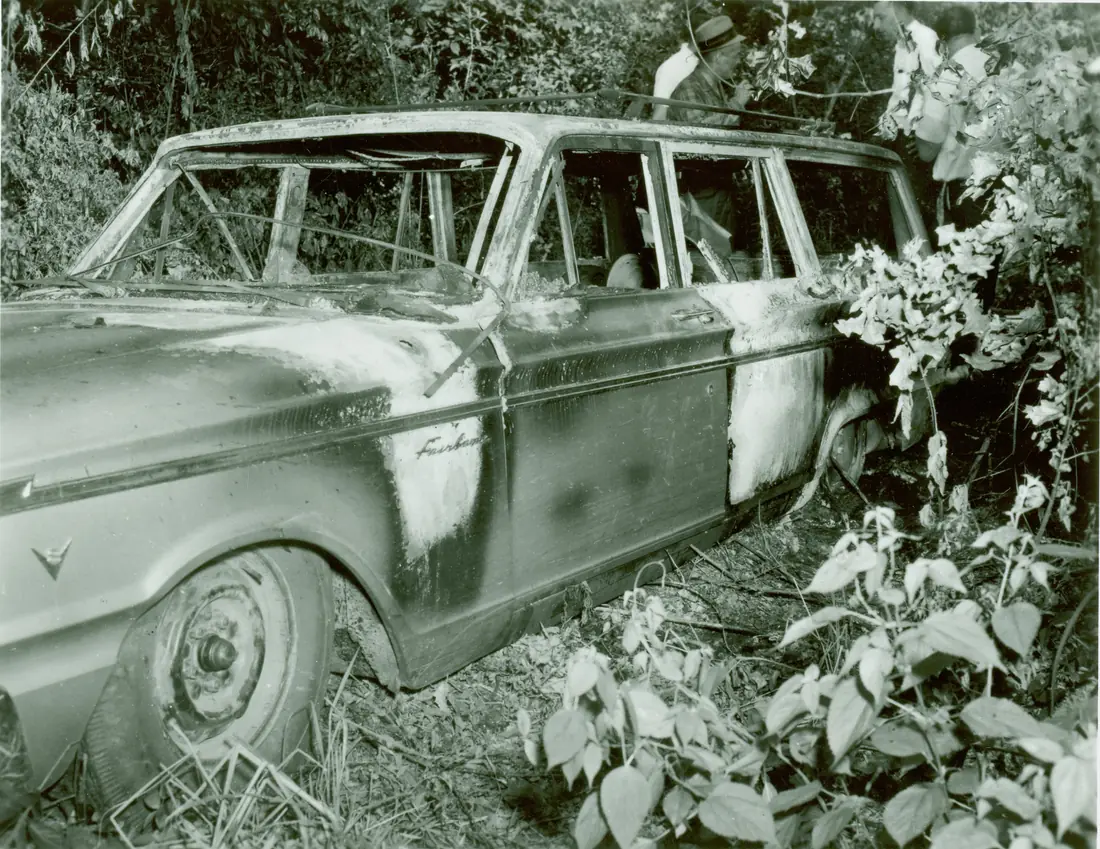
Three civil rights workers are murdered in Neshoba County, Mississippi — Neshoba County, Mississippi
Image: Federal Bureau of Investigation · Public domain

The sun beats down on the dusty roads of Neshoba County, Mississippi, as a blue 1963 Ford Fairlane sedan speeds along, carrying three young civil rights workers, James Chaney, Andrew Goodman, and Michael Schwerner.

The car has been traveling for hours, the men inside discussing their plans to investigate the burning of a black church in the area. As they drive, the scenery outside is ordinary, with rolling hills and vast fields stretching out as far as the eye can see. The only sound is the hum of the engine and the occasional chatter of the men.

It's been over a week since the three men, all in their early twenties, arrived in Mississippi to participate in the Freedom Summer project, a campaign to register black voters in the state. They had been warned about the dangers of the place, but nothing could have prepared them for what was to come. As they drive, they are stopped by a police officer, who claims they were speeding. The men are taken to the local jail, where they are held for several hours.

As the hours tick by, the men grow anxious, sensing that something is not right. They are eventually released, but as they get back into their car, they are followed by the police officer and several other men. The car is pulled over again, and this time, the men are taken out and shot at point-blank range. Their bodies are then buried in a shallow grave, where they will remain for several weeks.
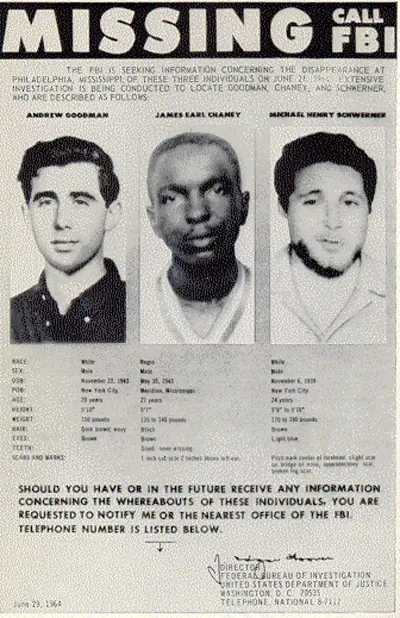
Three civil rights workers are murdered in Neshoba County, Mississippi — Neshoba County, Mississippi
Image: Federal Bureau of Investigation · Public domain

The news of the disappearance of the three men spreads quickly, and soon, a massive search effort is underway. The FBI is called in, and they begin to investigate the case. It will take them several weeks to find the bodies, but when they do, it will be a turning point in the civil rights movement. The murder of the three men will shock the nation, and it will help to galvanize support for the movement.

As the search for the men continues, the authorities are met with resistance from the local community. Many people in the area are unwilling to cooperate with the investigation, and some even seem to be actively working to hinder it. It will take the FBI several months to gather enough evidence to bring charges against the men responsible for the murders.

The trial of the men accused of the murders will be a dramatic and tense affair. Several of the defendants will take the stand, but their stories will be inconsistent, and it will become clear that they are hiding something. In the end, seven men will be convicted of the murders, but no one will ever be charged with the actual killings.
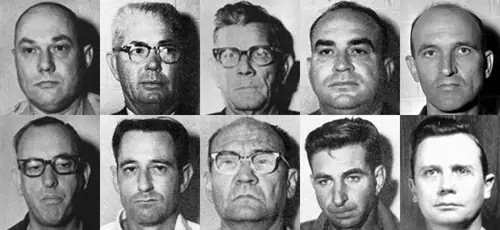
Three civil rights workers are murdered in Neshoba County, Mississippi — Neshoba County, Mississippi
Image: Federal Bureau of Investigation · Public domain

Years later, it will be revealed that the FBI had an informant who was present at the meeting where the murder was planned. The informant had told the FBI about the plot, but they had failed to act on the information. This revelation will raise questions about the role of the FBI in the case, and whether they could have done more to prevent the murders.

The murder of James Chaney, Andrew Goodman, and Michael Schwerner will be remembered as a pivotal moment in the civil rights movement. It will help to bring attention to the struggles of African Americans in the South, and it will galvanize support for the movement. As the years pass, the legacy of the three men will only continue to grow, and their sacrifice will never be forgotten.

Source: en.wikipedia.org/wiki/Murders of Chaney, Goodman, and Schwerner
Politics & state

New Hampshire ratifies the United States Constitution

Concord, New Hampshire

New Hampshire ratifies the United States Constitution — Concord, New Hampshire
Image: Wikimedia Commons · Public domain

As 57 delegates gather in Concord, New Hampshire, the air is electric with anticipation, 7 months of debate and negotiation culminating in this single moment. 26000 citizens of New Hampshire have been waiting for their representatives to make a decision that will impact their future, and the future of the newly formed United States, with 12000 of them actively participating in town hall meetings to discuss the proposed Constitution.

The proposed Constitution has been a topic of heated discussion, with some arguing it gives too much power to the federal government, while others believe it's the only way to ensure the young nation's survival, and after 4 months of deliberation, the New Hampshire State Convention finally begins to vote, with 67% of the delegates, or 38 out of 57, in favor of ratification. John Sullivan, the president of the New Hampshire State Convention, stands at the forefront of this momentous occasion, having spent 20 years in public service, including 5 years as a general in the Continental Army, and is now tasked with guiding his state through this pivotal decision.

39 days prior, Maryland had become the 7th state to ratify the Constitution, and since then, 2 more states, South Carolina and New Hampshire's neighboring state, have followed suit, bringing the total number of ratified states to 9, with 3 more needed to reach the required 12 for the Constitution to take effect. The ratification of the Constitution by New Hampshire is significant not only because it brings the total number of ratified states to 9, but also because it demonstrates the broad support for the document across different regions, with 75% of the state's population living in rural areas, and an average farm size of 100 acres, allowing for a diverse range of opinions to be represented.

New Hampshire ratifies the United States Constitution — Concord, New Hampshire
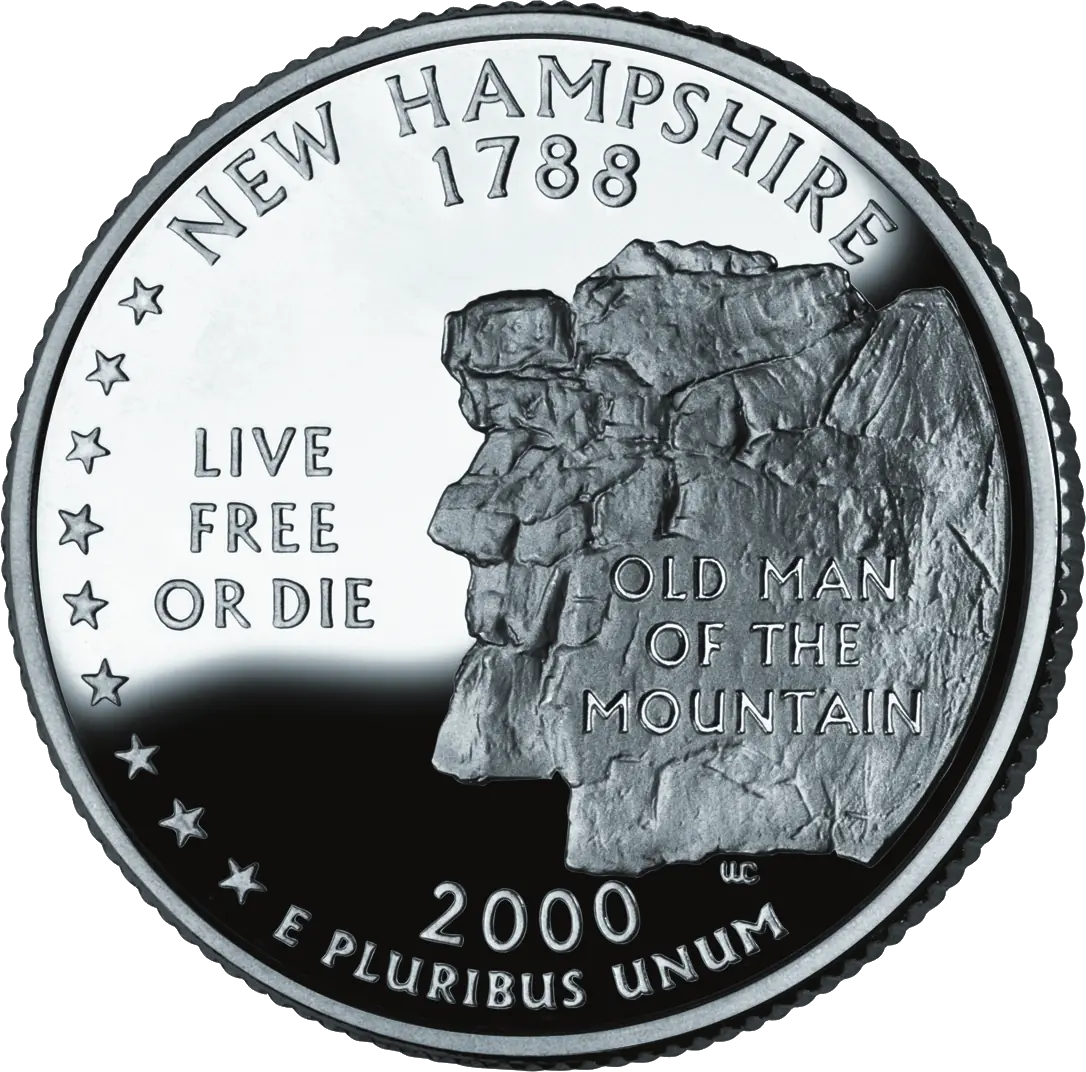
Image: United States Mint · Public domain

As news of New Hampshire's ratification spreads, it reaches the other states, including Virginia, where James Madison, one of the key drafters of the Constitution, is currently attending the Virginia State Convention, and he is overjoyed to hear the news, having spent 6 months in Philadelphia, from May to September 1787, helping to draft the document, and is now working tirelessly to ensure its ratification in his home state, where 25% of the population is still undecided.

New Hampshire's ratification of the Constitution marks a significant milestone in American history, one that will have far-reaching consequences, including the establishment of a strong federal government, and the creation of a system of checks and balances, which will serve to protect the rights of citizens, and ensure the stability of the young nation, with 13 branches of government, and a bicameral legislature, all designed to provide a framework for the country's growth, and at a cost of $100000, a significant investment in the nation's future.

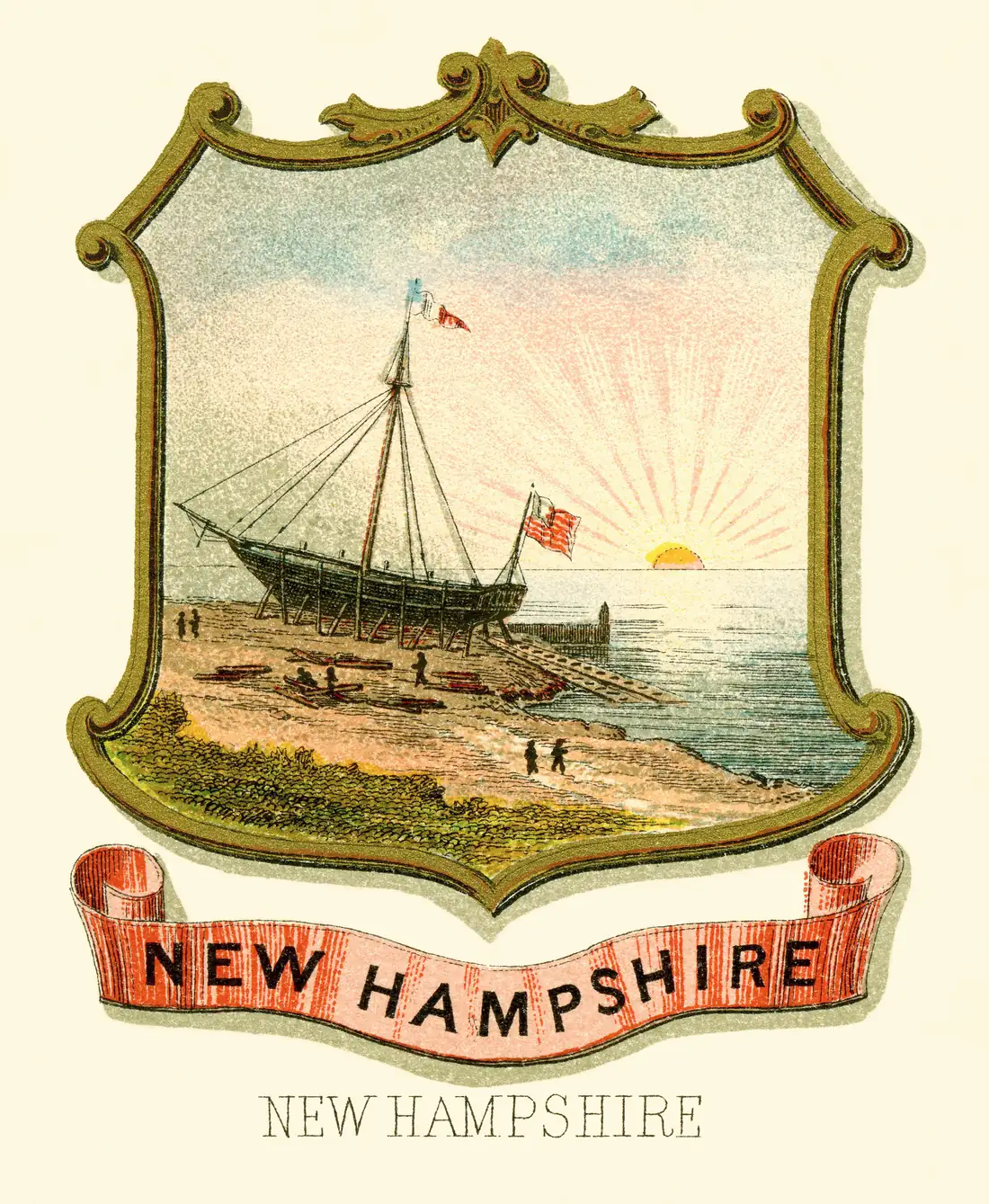
New Hampshire ratifies the United States Constitution — Concord, New Hampshire
Image: Henry Mitchell Restoration by Godot13 · Public domain

Source: en.wikipedia.org/wiki/New Hampshire

Use the arrow keys to move between days

Browse the full archive →