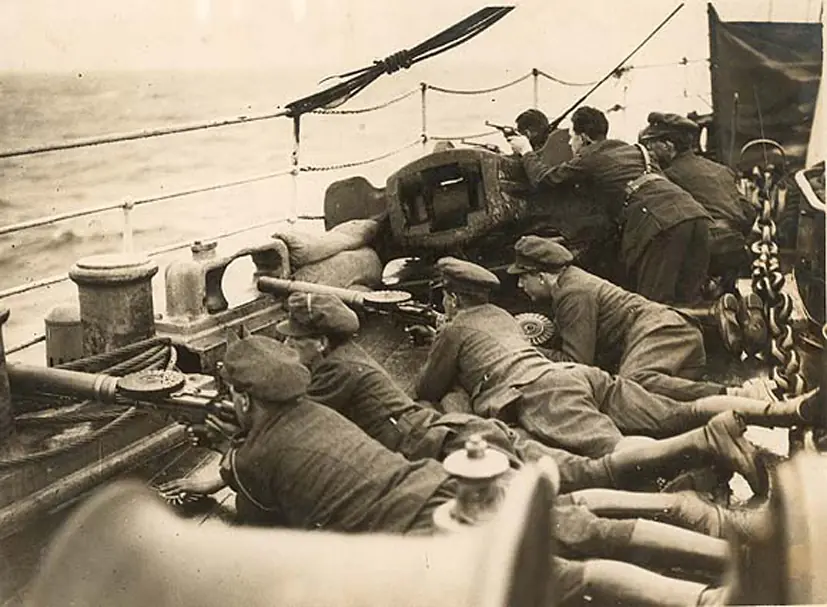
Germany launches Operation Barbarossa
Eastern Europe
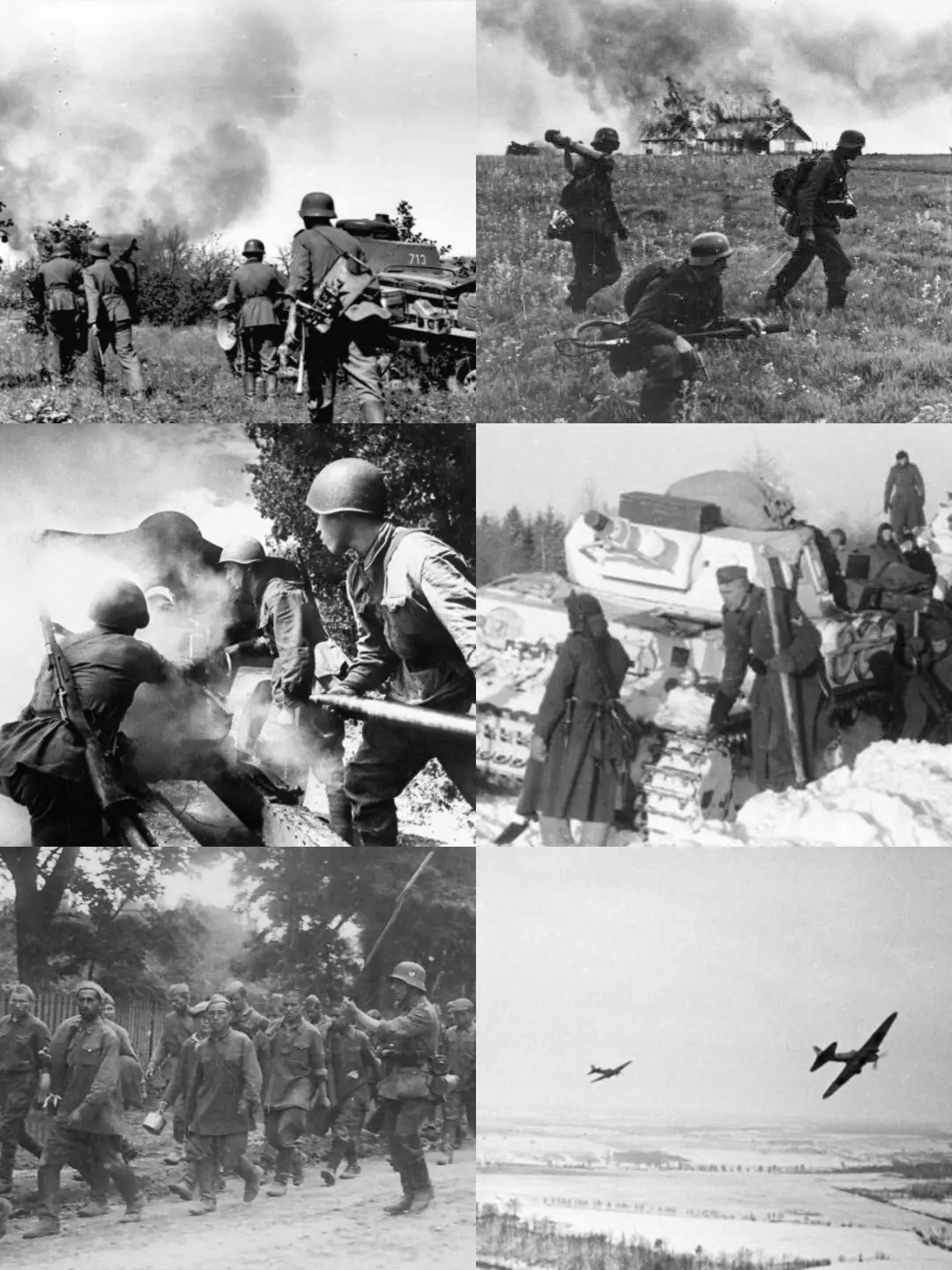
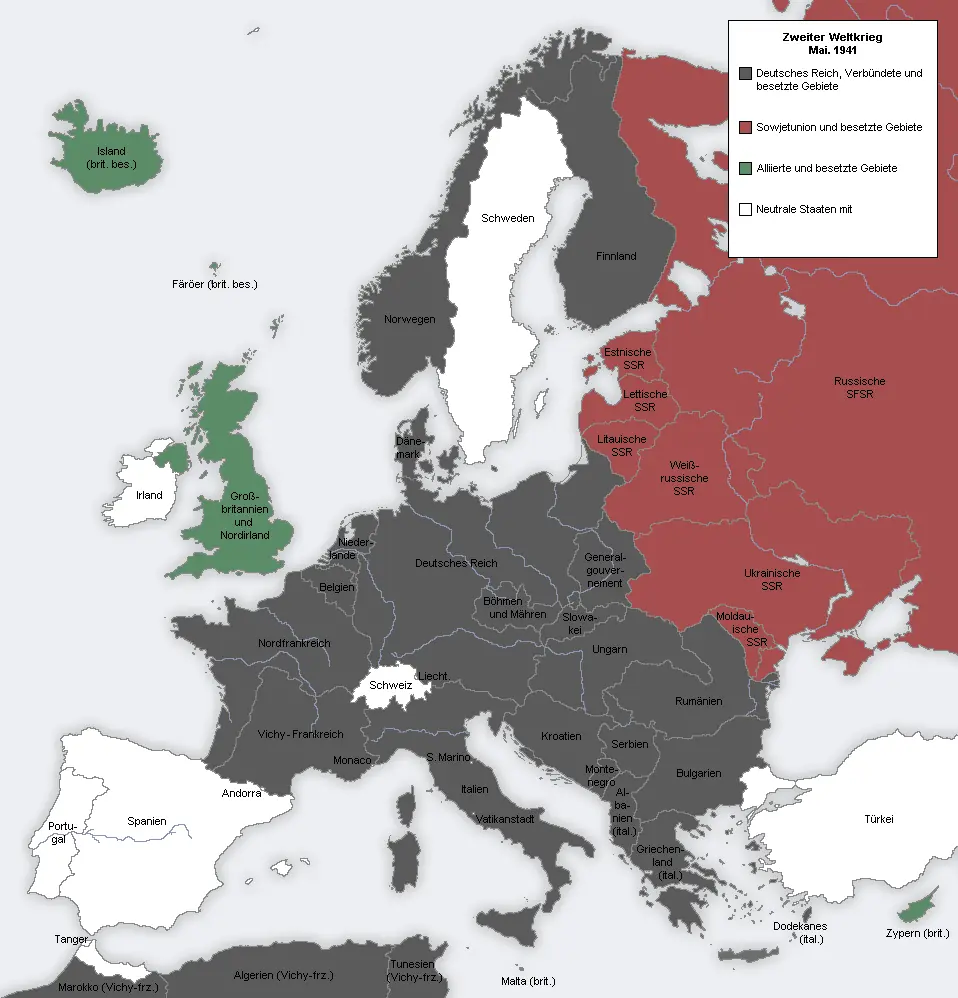
As the sun rises over the Soviet border, a chill runs down the spine of General Georgy Zhukov, the man who would eventually lead the Soviet Union to victory, but on this fateful morning, June 22, 1941, he's faced with an unimaginable reality: the German army, once an ally, now an enemy, is pouring in like a relentless tide, with over 3 million soldiers, 3,350 tanks, and 2,000 aircraft, in what would become the largest military invasion in history, Operation Barbarossa.
The backstory to this invasion is as fascinating as it's disturbing: Hitler, the mastermind behind the operation, was driven by a toxic mix of ideology and economic necessity, as he sought to expand Germany's territory, secure its food supply, and gain access to the rich oil fields of Ukraine, a move that would not only determine the fate of the Soviet Union but also that of the entire world.
As the German army advances, the Soviet forces, though heavily outnumbered, put up a fierce resistance, but they're no match for the Blitzkrieg tactics employed by the Germans, which involve rapid movement of troops, coordinated air support, and a scorched-earth policy, leaving destruction and chaos in their wake, with over 800,000 Soviet soldiers killed or wounded in the first few weeks alone.
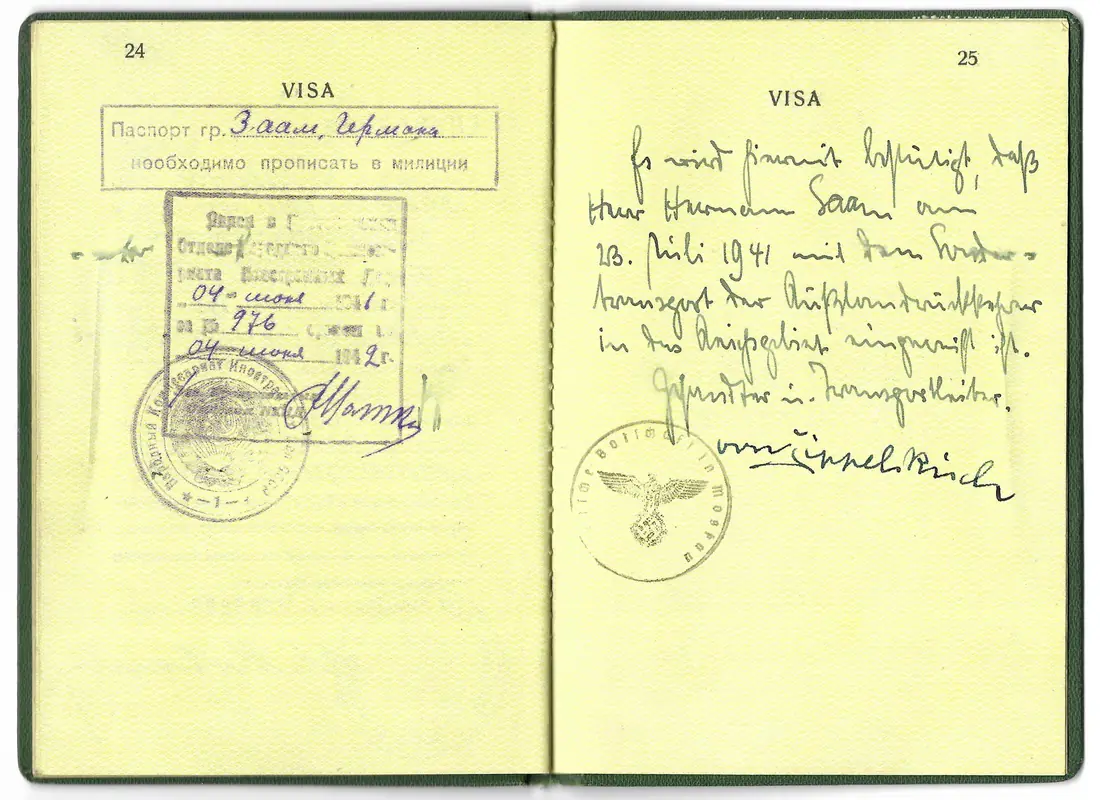
One of the most surprising facts about Operation Barbarossa is that it was almost foiled by a Soviet spy, Richard Sorge, who had infiltrated the German embassy in Tokyo and was sending vital information back to Moscow, but his warnings were ignored by Stalin, who believed that Hitler would never dare attack the Soviet Union, a miscalculation that would prove disastrous, as the Soviet Union would eventually suffer over 20 million casualties, the highest number of any country during World War II.
The invasion is also marked by absurd human details, such as the fact that many German soldiers, believing they would be greeted as heroes, brought along their accordions and began playing folk music as they marched into Soviet territory, only to be met with fierce resistance and a brutal reality check, as they soon realized that the Soviet people would not be easily swayed by their music or their ideology.
As the days turn into weeks, and the weeks into months, the Soviet Union begins to push back, with the help of the harsh Russian winter, which proves to be a formidable ally, freezing the German army in its tracks, and allowing the Soviet forces to regroup and launch a counterattack, a turning point in the war that would ultimately lead to the defeat of Nazi Germany, but not before the Soviet Union would suffer unimaginable losses, including the siege of Leningrad, which would last for 872 days, and claim the lives of over 1.5 million people.
The irony of Operation Barbarossa is that it would ultimately prove to be Hitler's undoing, as the invasion of the Soviet Union would drain Germany's resources, and divert its attention away from the Western front, allowing the Allies to gain a foothold in Europe, and paving the way for the D-Day invasion, a twist of fate that would reframe the entire course of the war, and leave the world with a lasting lesson: that even the most seemingly invincible powers can fall victim to their own hubris and ambition.