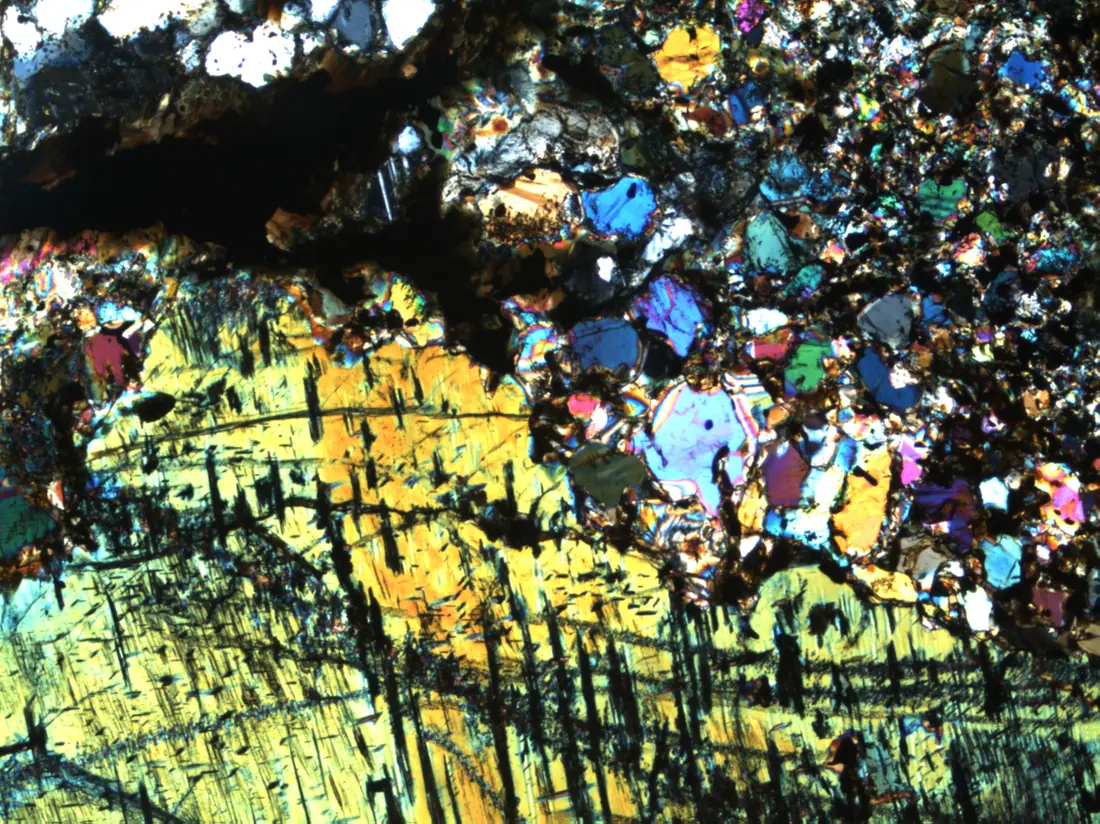
The Tunguska Event
Podkamennaya Tunguska River, Russia
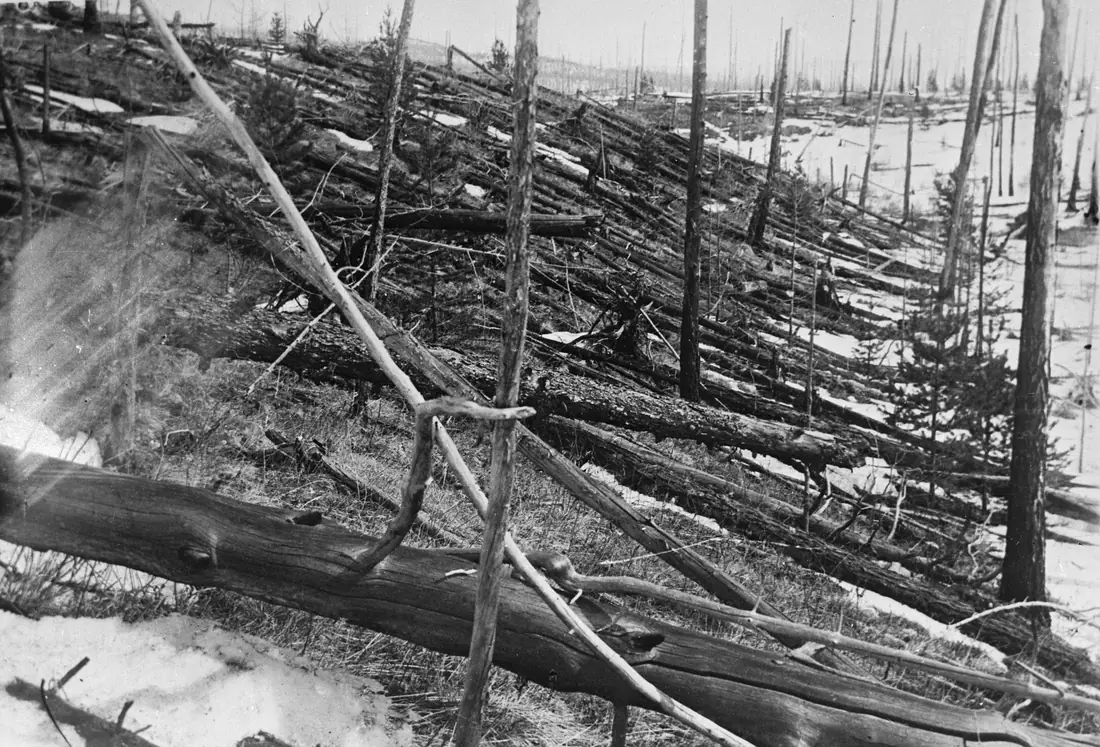
At 7:14 AM local time, a massive explosion is rocking the Podkamennaya Tunguska River region in Russia, flattening trees over an area of approximately 2,150 square kilometers. The blast is so powerful that it's shattering windows and knocking people off their feet hundreds of kilometers away. As the shockwave ripples through the air, it's creating a series of seismic waves that will be detected as far away as Britain.
The Tunguska Event, as it comes to be known, is an explosion of unimaginable force, releasing energy equivalent to around 10-15 megatons of TNT, roughly 1,000 times more powerful than the atomic bomb dropped on Hiroshima. The explosion is believed to have been caused by the airburst of a large asteroid or comet, estimated to be around 50-60 meters in diameter, which entered Earth's atmosphere at a speed of approximately 20 kilometers per second. As the asteroid hurtles towards the ground, it's generating an enormous amount of heat and friction, causing it to explode above the Earth's surface.
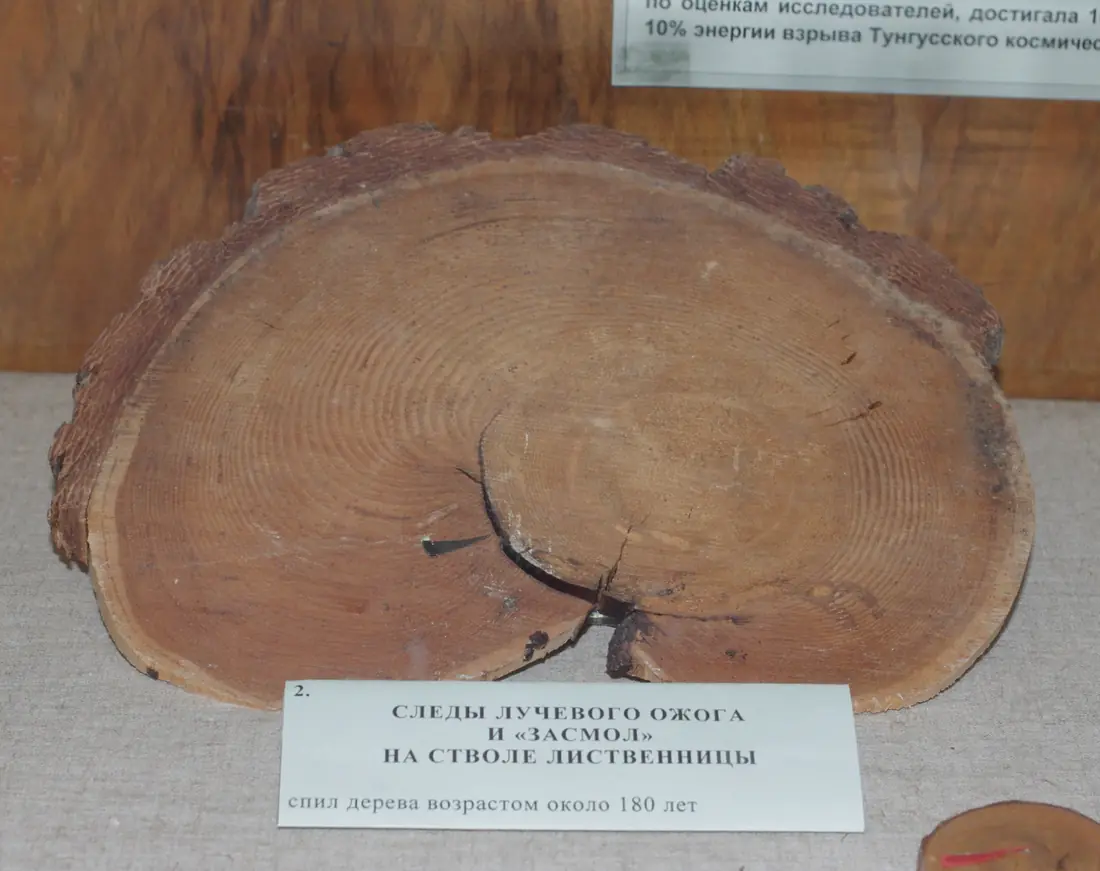
Leonid Kulik, a Russian scientist, is one of the first to investigate the site, and he's stunned by what he finds: a vast expanse of charred and blackened trees, all lying in a radial pattern, as if they were knocked down by a massive invisible hand. Kulik's team is measuring the width of the trees' trunks, finding some of them to be over a meter in diameter, and yet they've been snapped like twigs. As they survey the area, they're realizing that the explosion has created a zone of destruction, with trees closer to the center of the blast being more severely damaged.
The effects of the explosion are felt far beyond the immediate blast zone. In the nearby town of Vanavara, located over 65 kilometers from the explosion site, people are reporting that they felt the ground shaking beneath their feet, and the sound of the blast is deafening. The explosion also causes a series of seismic waves that are detected by seismographs in other parts of the world, including Britain and the United States. In the days and weeks that follow, there are reports of strange phenomena in the skies, including vibrant displays of colorful lights, similar to the aurora borealis.
As scientists continue to study the Tunguska Event, they're uncovering more and more surprising facts. For example, the explosion is so powerful that it's altering the local climate, causing a significant increase in the growth rate of trees in the surrounding area. The explosion is also creating a unique opportunity for scientists to study the effects of a large asteroid impact on the environment, and it's helping to shape our understanding of the risks and consequences of such events. The Tunguska Event is a reminder of the awe-inspiring power of the natural world, and the potential for unexpected and catastrophic events to occur at any moment.