Amelia Earhart disappearance
Pacific Ocean
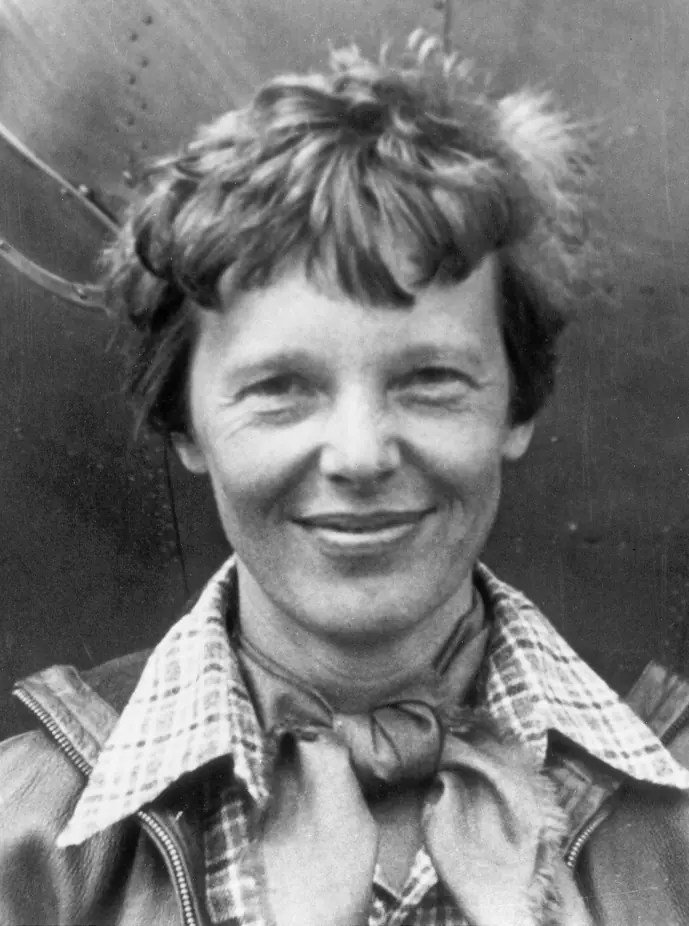
Amelia Earhart's voice crackles over the radio, her words laced with a mix of determination and desperation as she announces, 'KHAQQ to Itasca. We must be on you, but cannot see you. Gas is running low.' The sound of static fills the air, and then, abruptly, there is silence.
It's July 2, 1937, and Earhart, along with her navigator Fred Noonan, is attempting to circumnavigate the globe in a Lockheed Electra 10E. They've been flying for hours, and the scorching sun beats down on the plane's metal skin as they soar over the Pacific Ocean. The smell of fuel and sweat hangs heavy in the air, a constant reminder of the perils of their journey.
As they fly, the ocean stretches out before them, a vast expanse of blue that seems to meet the sky at the horizon. The sound of the engines roars in their ears, a steady hum that vibrates through every molecule of the plane. Earhart and Noonan are seasoned flyers, but they know the risks of their endeavor. They're attempting to fly around the world, a feat that has never been accomplished before.

The reason behind their disappearance is still shrouded in mystery. Some speculate that they ran out of fuel, while others believe they were captured by the Japanese. The truth, however, may be more complex. Earhart and Noonan were not just any ordinary flyers; they were pioneers in the field of aviation, pushing the boundaries of what was thought possible.
One surprising fact about Earhart's disappearance is that she was not just a skilled pilot, but also an avid writer. She had written several books about her flying adventures, including '20 Hrs., 40 Min.', which chronicled her historic flight across the Atlantic in 1928. Her writing was engaging and accessible, making her a beloved figure among the general public.

As the search for Earhart and Noonan continues, the U.S. Navy launches a massive operation, scouring the Pacific Ocean for any sign of the missing plane. The effort is unprecedented, with 9 ships and 66 aircraft involved in the search. The cost of the operation is staggering, totaling over $4 million, a significant amount of money at the time.
The last transmission from Earhart's plane is a haunting reminder of the risks and uncertainties of exploration. As the sun sets on the Pacific Ocean, the sound of the engines fades into the distance, leaving behind only the faintest whisper of a trail. The mystery of Earhart's disappearance remains, a testament to the enduring power of human curiosity and the unrelenting pursuit of adventure.
In the end, it is not the disappearance itself that defines Earhart's legacy, but the boundless spirit of exploration that drove her to push the limits of what was thought possible. As the years go by, her name becomes synonymous with courage and determination, inspiring generations of adventurers and pioneers to come.