Daily History
War & conflict

Austria-Hungary's ultimatum to Serbia sparks path to World War I

Vienna, Austria-Hungary
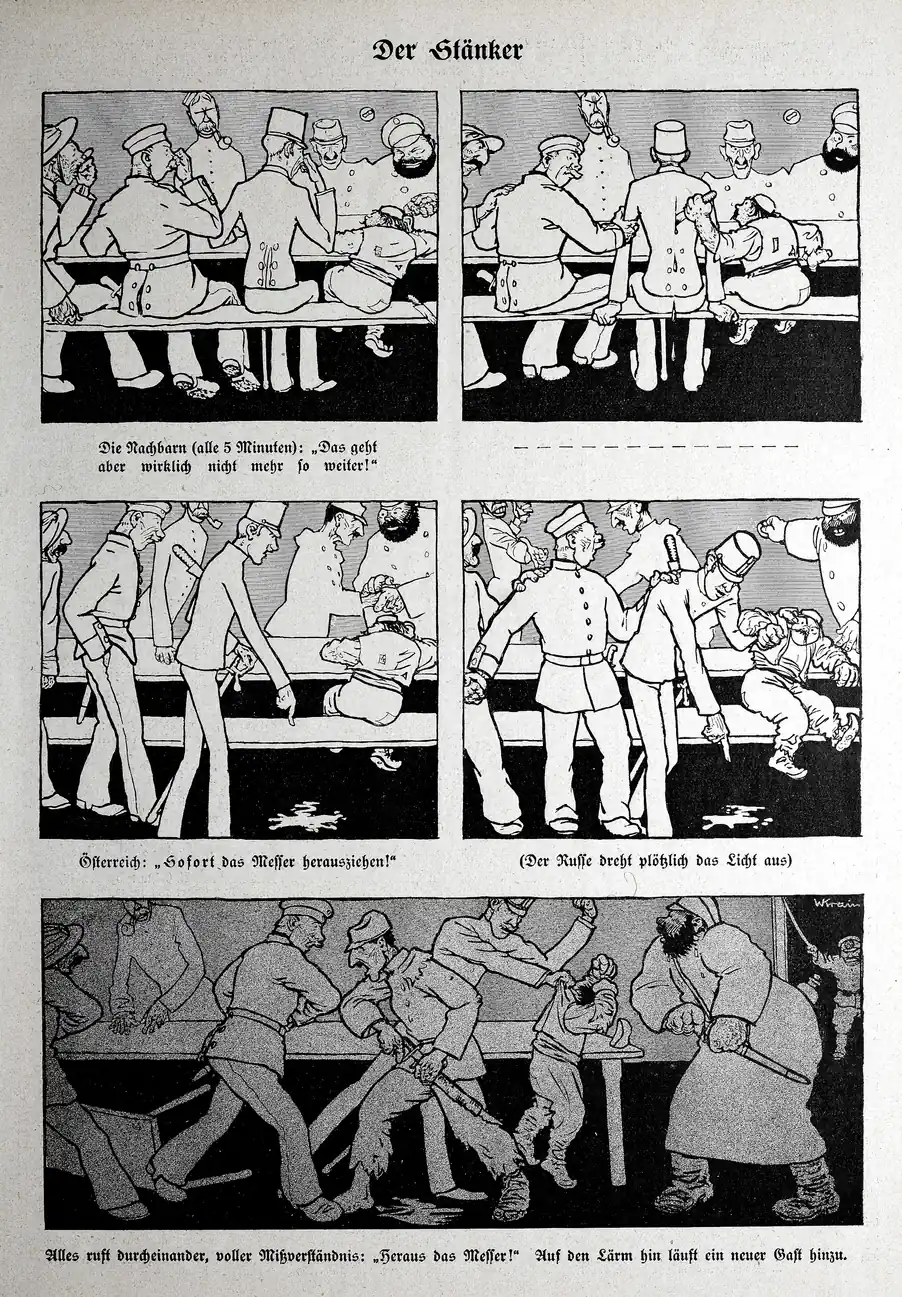
Austria-Hungary's ultimatum to Serbia sparks path to World War I — Vienna, Austria-Hungary
Image: Willibald Krain (1886–1945) · Public domain

Austria sent ten demands to Serbia on July 23, 1914, and gave them 48 hours to accept every one. No country in history had ever complied with terms that severe.

The assassination of Archduke Franz Ferdinand two weeks earlier had been the spark, but the ultimatum was the accelerant. Austria-Hungary's foreign minister, Leopold Berchtold, had spent those fourteen days building consensus among his own government, getting backing from Berlin, and drafting a document designed not to be accepted but to be rejected—a pretext wrapped in diplomatic language.

The ten points were baroque in their precision. Serbia must suppress all publications inciting hatred against Austria-Hungary. It must dissolve nationalist organizations. It must purge its army and civil service of anyone suspected of anti-Austrian sentiment. It must accept Austro-Hungarian officials on Serbian soil to oversee compliance. The language was studiously reasonable; the demands were structurally impossible. Serbia was a young nation—independent only since 1878—already humiliated by two Balkan Wars. These conditions would have stripped it of sovereignty without formally annexing it.
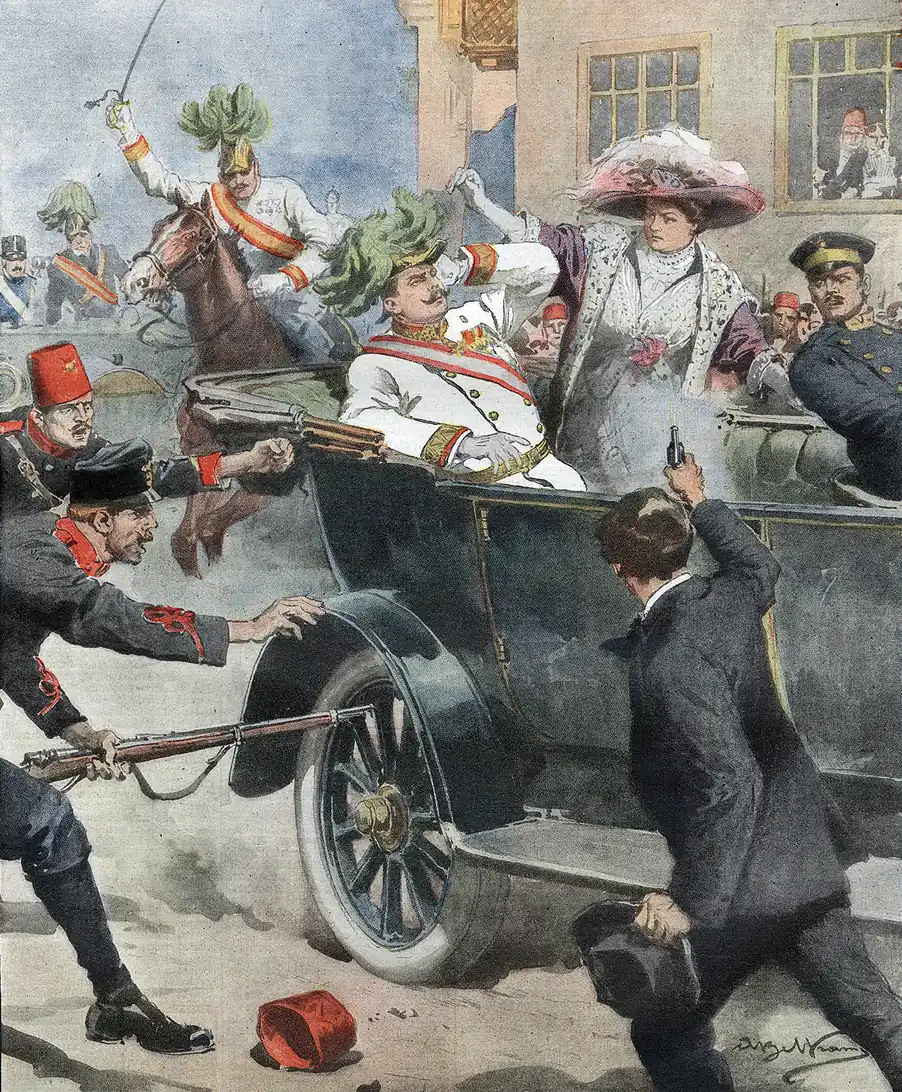
Austria-Hungary's ultimatum to Serbia sparks path to World War I — Vienna, Austria-Hungary
Image: Achille Beltrame · Public domain

What made this moment different from every other diplomatic crisis of the previous century was that the machinery for contained escalation had finally broken. For decades, the great powers had managed colonial disputes, border conflicts, and naval rivalries through negotiation, arbitration, or limited war. The system creaked but held. This time, the automatic triggers fired in sequence like a ratchet that couldn't reverse.

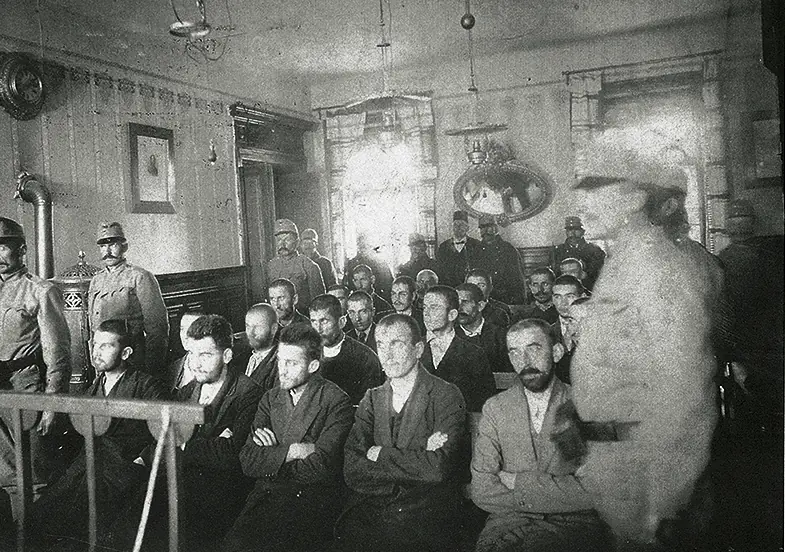
Serbia, predictably, rejected the ultimatum on July 25. Austria-Hungary declared war on July 28. Russia began mobilizing to defend Serbia on July 30. Germany, bound to Austria-Hungary by alliance and terrified of a two-front war, issued ultimatums to Russia and France. By August 4, Britain entered the fight over German violation of Belgian neutrality. The whole architecture of European power, built over centuries of balance and counterbalance, collapsed in eleven days.
Austria-Hungary's ultimatum to Serbia sparks path to World War I — Vienna, Austria-Hungary
Image: Unknown photographer · Public domain

The strange part—the thing that haunts the historical record—is how thoroughly the participants believed they were reacting to necessity rather than creating catastrophe. The Austrian government convinced itself the ultimatum was a reasonable response to a reasonable threat. The Serbian government believed rejecting humiliation was the only honorable course. The Russians felt obligated to their Slavic allies. The Germans saw no alternative to preemptive action. Everyone was certain they were defending themselves.

Before July 23, 1914, the idea of a conflict consuming millions across an entire continent, grinding on for four years, and ending the world of aristocratic empire seemed impossible—a nightmare of the imagination, not a thing that could actually happen. After that date, it became the thing that was happening, and nobody knew how to stop it. The ultimatum didn't cause the war, but it was the moment when contained crisis became uncontained, when diplomatic failure became military fact, when the old system stopped working and no one had built a new one to replace it.

Serbia accepted eight of the ten points. It wasn't enough.
Source: en.wikipedia.org/wiki/July Crisis

Politics & state

Egyptian Free Officers Movement deposes King Farouk, ushering Arab nationalism

Cairo, Egypt

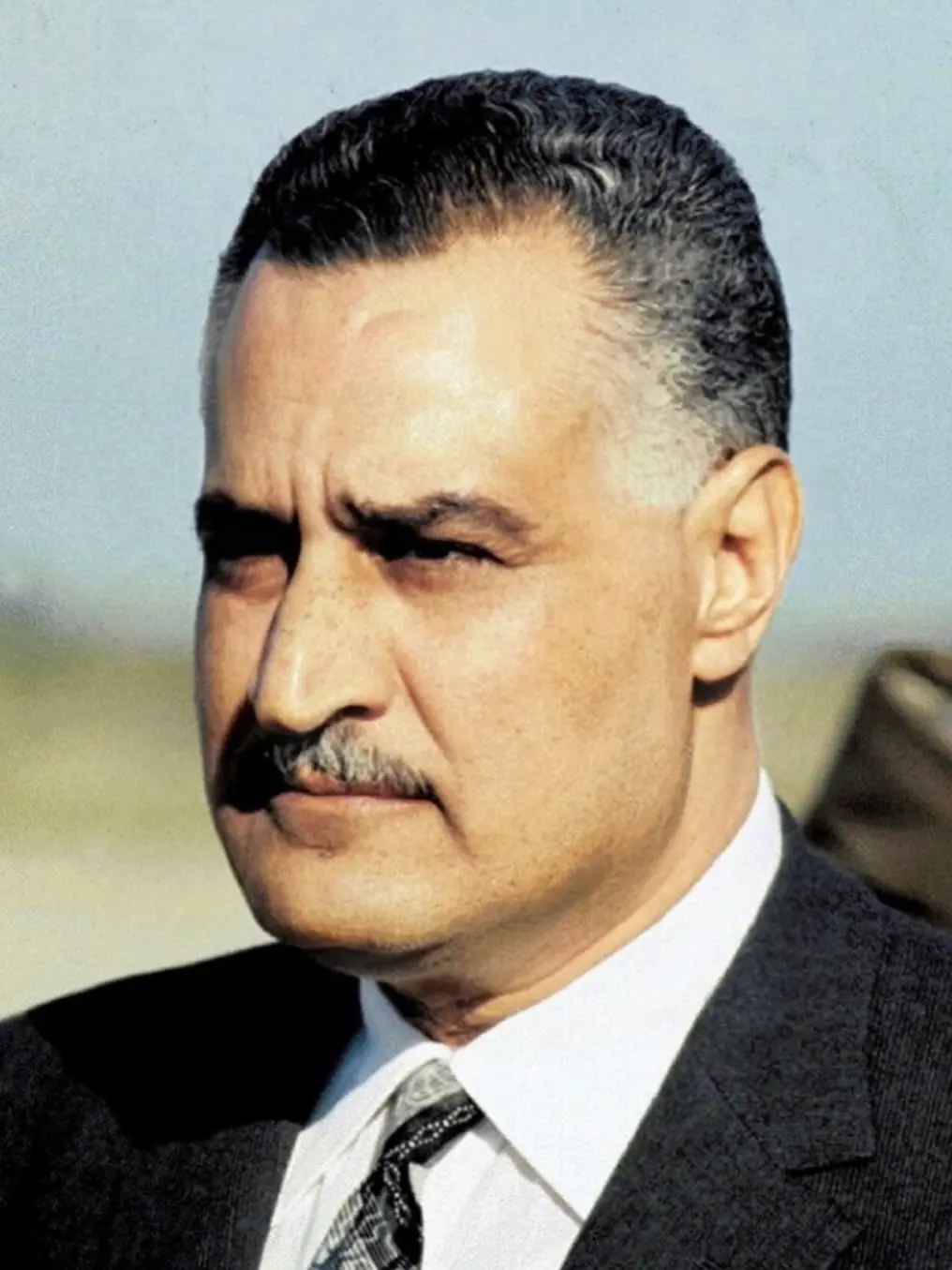
Egyptian Free Officers Movement deposes King Farouk, ushering Arab nationalism — Cairo, Egypt
Image: Not credited · Public domain

King Farouk was playing poker in Alexandria when the soldiers came for him. Not metaphorically—literally at cards, in the royal palace, on the night of July 22, 1952, while a group of middle-ranking army officers he'd never heard of were already moving tanks through the streets of Cairo.

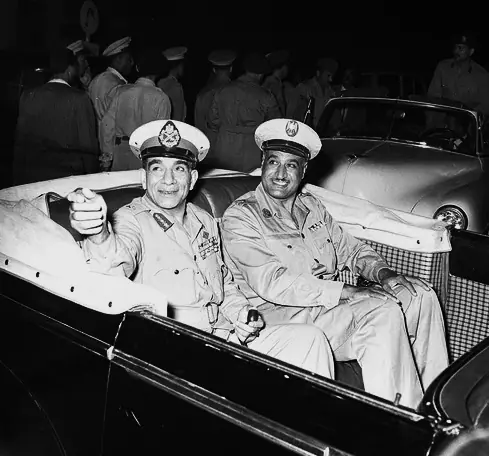
Twenty-four hours earlier, Egypt looked permanent. Farouk sat on a throne that had ruled for generations. The British still maintained bases along the Suez Canal. The monarchy was ancient, the power structure ossified, the future written. Then a colonel named Gamal Abdel Nasser and roughly 200 junior officers called the Free Officers Movement executed what might be history's most efficient coup: they took the entire country in less than a day, and most Egyptians woke up to find it was already over.

The mechanism was almost embarrassingly simple. The Free Officers had spent years organizing in secret—not in smoke-filled rooms, but in the barracks, among men who'd fought in Palestine, who'd watched their equipment fail, who'd seen corruption drain the military budget while they went unpaid. They weren't revolutionaries in the romantic sense; they were professionals who'd become convinced the system was broken. Nasser, a 34-year-old career soldier with a gift for talking to other soldiers, had quietly built a network across the officer corps. He didn't need to convince millions. He needed to convince maybe a hundred men in key positions—the ones who controlled the tanks, the radio stations, the communication lines.

Egyptian Free Officers Movement deposes King Farouk, ushering Arab nationalism — Cairo, Egypt
Image: Not credited · Public domain

On the night of July 22, they moved. The plan was absurdly specific: tanks rolled to the officers' club, to GHQ, to the radio station at Abbasiya. They arrested generals before dawn. By 6 a.m., a voice on Egyptian radio announced that the armed forces had taken over to save the nation from corruption and imperialism. The announcer didn't mention Nasser by name. Nobody knew who was in charge yet. That was the genius of it—there was no clear figurehead to target, no obvious person to rally against. It was the army as institution, acting.

Farouk, meanwhile, got word around noon. He was given a choice that was technically a choice: abdicate and leave Egypt, or be forcibly removed. He chose exile. He boarded a yacht on July 26 and sailed for Italy with his entourage, his mistresses, and the accumulated weight of 150 years of royal humiliation. Thirty thousand people lined the harbor to watch him go. They didn't cheer. They watched him vanish.

Egyptian Free Officers Movement deposes King Farouk, ushering Arab nationalism — Cairo, Egypt
Image: Ricardo Liberato · CC BY-SA 2.0

Within 72 hours, the entire apparatus of power had shifted. The king was gone. The British would follow within years. A young officer nobody had heard of would emerge as the public face of the revolution—a man who understood that in the modern world, controlling the radio mattered more than controlling the palace.

The truly strange part? It worked so cleanly that Egyptians barely noticed the mechanism. They just woke up to a different country. The revolution was over before most people understood it had started.

Source: en.wikipedia.org/wiki/Egyptian Revolution of 1952

Use the arrow keys to move between days

Browse the full archive →