Daily History
Exploration

Apollo 11 crew splashes down: first humans return from the Moon

Pacific Ocean
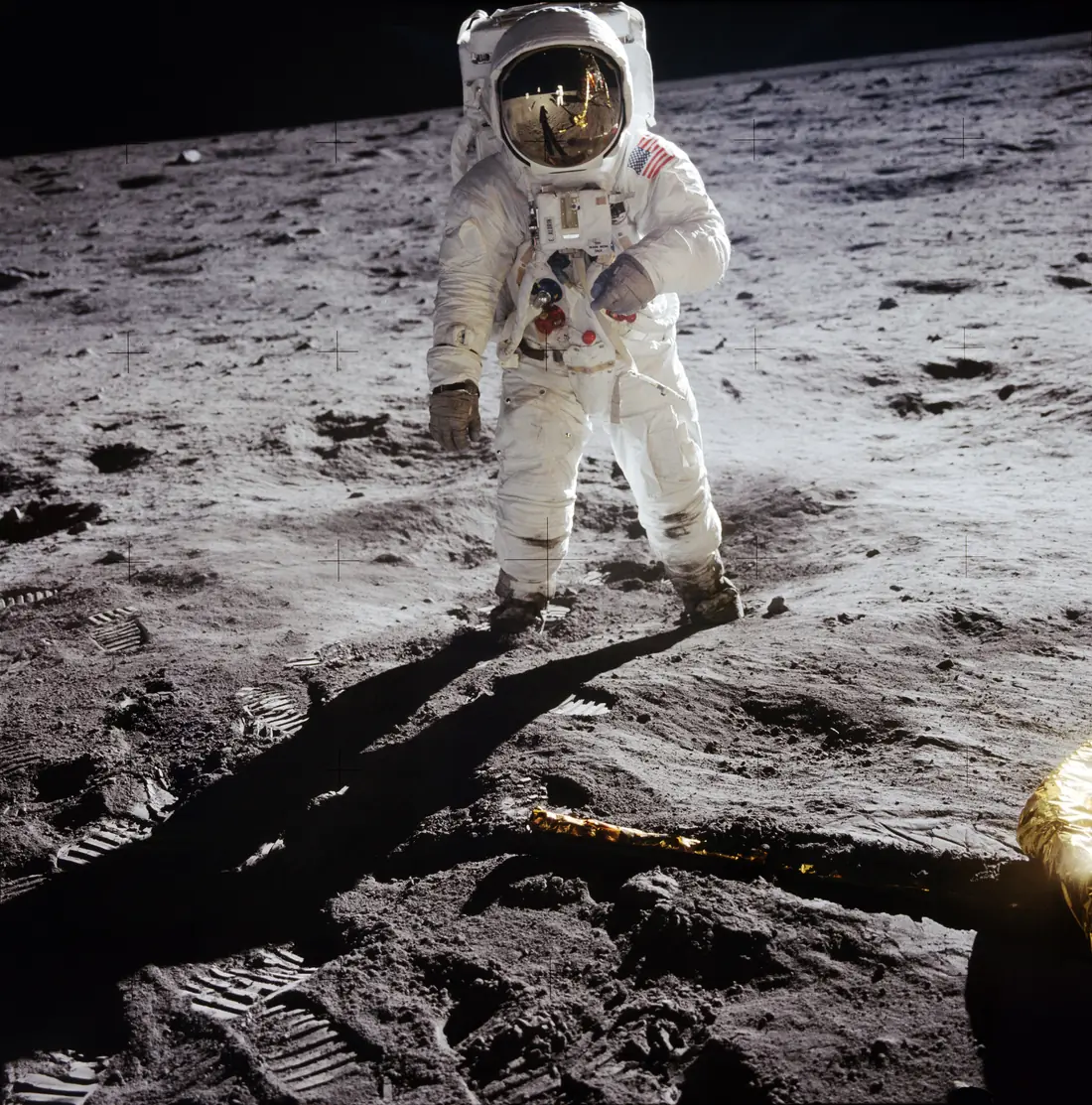
Apollo 11 crew splashes down: first humans return from the Moon — Pacific Ocean
Image: Neil A. Armstrong · Public domain

Three men in a capsule the size of a station wagon fell toward Earth at 24,791 miles per hour, and nobody knew if they would survive the next eight minutes.

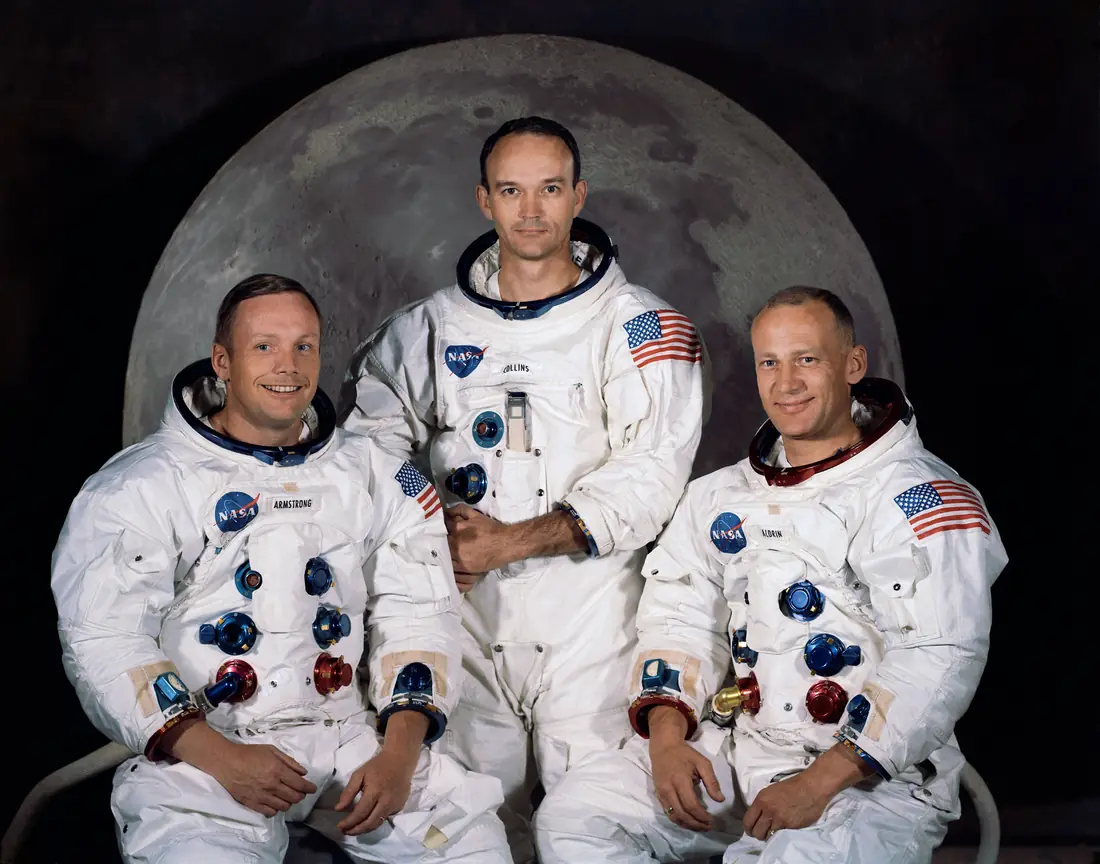
It was July 24, 1969, 12:50 p.m. Pacific time. Neil Armstrong, Buzz Aldrin, and Michael Collins had spent eight days in space. Four days ago, two of them had walked on the moon. Now the Columbia command module was slicing back through the atmosphere, its heat shield glowing white-hot, radio contact lost. On Earth, technicians in Houston could see nothing but static. For those eight minutes, the three men were alone in a way no humans had ever been alone—beyond help, beyond communication, traveling faster than sound through an ocean of fire.

When Columbia's parachutes bloomed over the Pacific and the module splashed down 812 miles southwest of Hawaii, something fundamental inverted in human consciousness. For all of recorded history, the moon had been a constant: unreachable, eternal, the thing you looked at and accepted as permanent. Philosophers had used it as a metaphor for the impossible. Children had wished upon it. Poets had measured loneliness against it. And now three people had been there. They had touched it. They had left footprints and flags and experiments. They had come home.
Apollo 11 crew splashes down: first humans return from the Moon — Pacific Ocean
Image: NASA · Public domain

What makes this reversal strange is how quickly it became normal. Within weeks, the moon stopped being impossible and became routine. Within months, it was already receding into the past tense. But on that July afternoon, as the recovery ships pulled Columbia from the water and the hatch cracked open, something shifted in how humans understood their own reach. We had discovered we could do something we had spent millennia assuming was forbidden.

The engineering alone was staggering. The Saturn V rocket that launched them was 363 feet tall—taller than the Statue of Liberty—and burned 15 tons of fuel per second. The guidance computer had less processing power than a modern calculator. The spacesuits were so bulky that Armstrong and Aldrin moved in a lunar bounce, their movements constrained to a kind of slow-motion dance. Everything was experimental. Everything could have failed. A single rupture, a single miscalculation, a single moment of bad luck would have left them dead in space or stranded on the moon.
Apollo 11 crew splashes down: first humans return from the Moon — Pacific Ocean
Image: NASA · Public domain

Yet here is the thing nobody remembers: the most dangerous part of the entire mission happened last. The reentry. The two-and-a-half-ton capsule had to hit the Earth's atmosphere at precisely the right angle—too steep and they would burn up; too shallow and they would skip off the atmosphere like a stone off water and vanish into the void. There was no second try. There was no abort button that worked at this point. They were committed.

When Columbia emerged from the radio blackout and Houston reestablished contact, Flight Director Chris Kraft later said the room erupted. But the photographs from that moment show something more interesting: controlled relief. Professional men in short sleeves, some with their hands to their faces, most just sitting very still. They had bet everything that human ingenuity and calculation could cheat physics, and it had worked. The impossible had been solved by people in a room, by equations on paper, by three men who trusted the math enough to ride a controlled explosion to another world and back.

Within a decade, nobody went to the moon anymore. The technology was mastered, the proof was made, and the world moved on to other problems. What was broken that day was not the laws of physics—those stayed the same. What broke was the boundary between possible and impossible. And that boundary, once crossed, never quite sealed shut again.

Source: en.wikipedia.org/wiki/Apollo 11
Technology

Jethro Tull patents the seed drill, launching the Agricultural Revolution

England

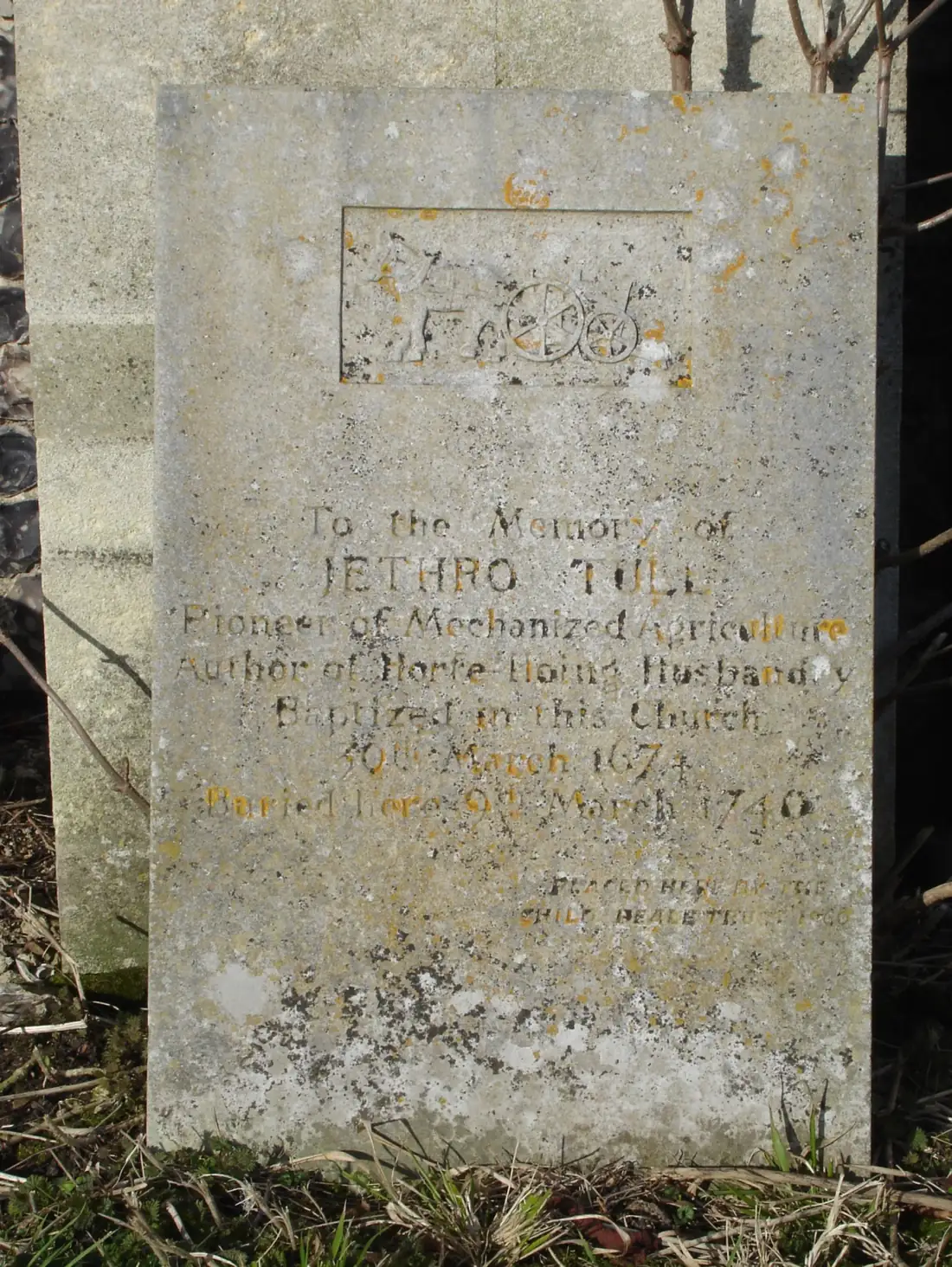
Jethro Tull patents the seed drill, launching the Agricultural Revolution — England
Image: Unknown authorUnknown author · Public domain

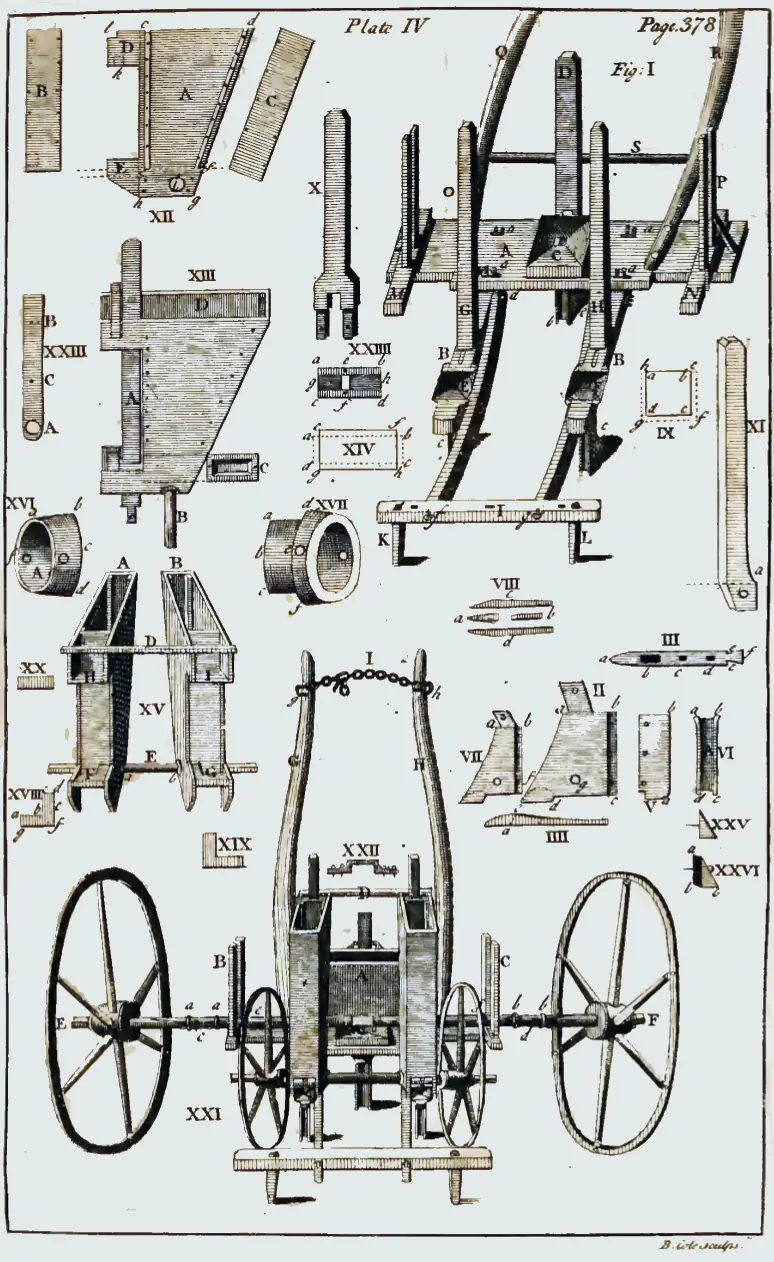
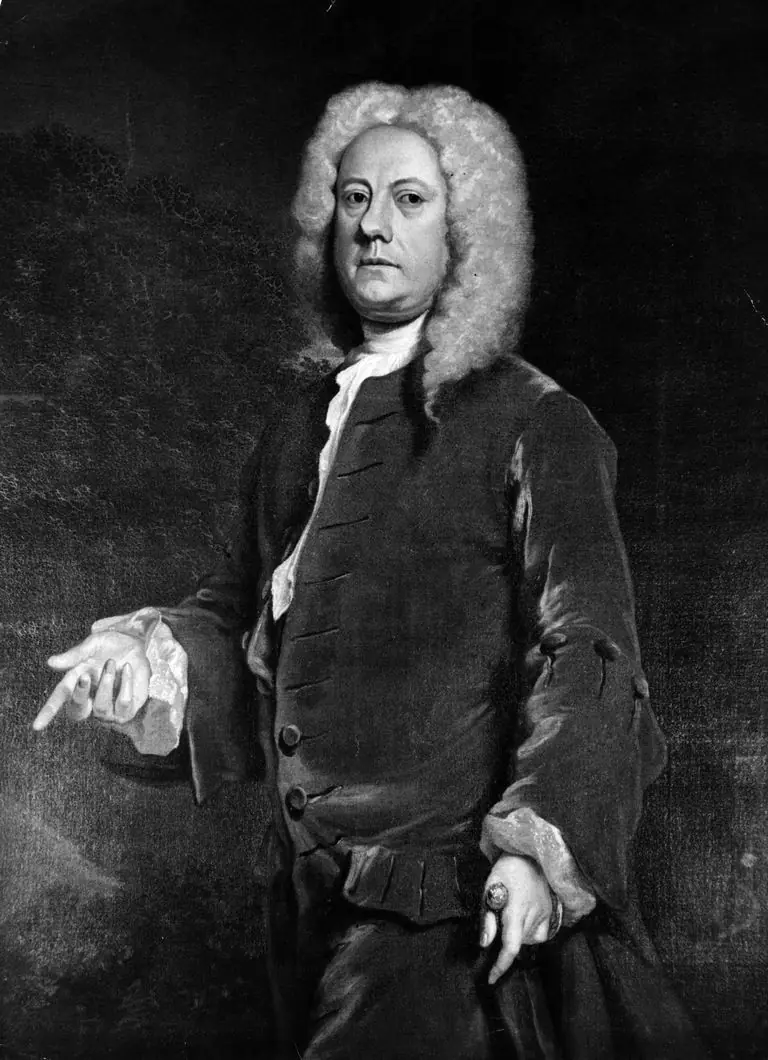
Jethro Tull never planted a seed in the traditional way again after 1701, and neither would England, once his machine spread. The seed drill—a contraption of wood and iron that dropped seeds in neat, spaced rows instead of scattering them by hand across a field—sounds modest now. It was revolutionary then because it solved a problem nobody had quite admitted was solvable: massive waste.

Before the drill, farmers broadcast seed like they were feeding pigeons. A handful of grain, a wide arc of the arm, hope that enough stuck. Pigeons got some. Weeds got some. The soil got the rest, if it was lucky. Tull, a former lawyer turned agricultural obsessive, did the math. His machine planted at precise depth, in straight lines, with spacing that let each plant breathe. Fewer seeds wasted meant more crops from the same land. The yield jump was not subtle—40 to 50 percent increases were common within a generation of adoption.

But the real story starts after the invention, not at it. The seed drill didn't just make farming more efficient. It made farming different at a structural level, and that difference rippled outward in ways Tull himself may not have foreseen.

Jethro Tull patents the seed drill, launching the Agricultural Revolution — England
Image: MalcolmGould · CC BY 3.0

First, it accelerated enclosure. Landowners who invested in drills and other new tools needed bigger, consolidated fields—which meant pushing out smaller tenant farmers. The English countryside, which had been patchwork commons and strips, became a landscape of private estates. Thousands of rural families lost access to land they'd worked for generations. They didn't disappear; they moved to towns and became the labor force that powered the Industrial Revolution. A seed drill, indirectly, helped build factories.

Second, it proved that agriculture could be engineered. Tull's machine suggested that farming wasn't a craft passed down unchanged, but a problem to be solved with ingenuity. That idea—that you could measure, improve, mechanize—spread to every other sector. It was one of the intellectual roots of the entire industrial age.

Jethro Tull patents the seed drill, launching the Agricultural Revolution — England
Image: Jethro Tull · Public domain

Third, it fed more people per acre, which meant fewer people had to farm to feed everyone. England's population was 5.5 million in 1700. By 1800, it was 9 million. By 1850, 18 million. The seed drill didn't cause that growth alone, but it was one of the indispensable engines. More food from less land created the surplus that allowed cities to explode and specialization to flourish. You couldn't have Manchester without Jethro Tull.

What makes this quietly strange is that Tull's own contemporaries barely noticed. Adoption was slow—most English farmers didn't use seed drills widely until the 1750s, fifty years after he patented it. Farmers are conservative. They trusted their hands more than his contraption. But once the evidence mounted—bigger yields, lower seed costs, visibly better crops—resistance crumbled. By the time the Industrial Revolution was actually called a revolution, the agricultural one had already won.

Tull died in 1741, having seen his idea take root but not yet flower. He never got to witness the England his machine made: denser, richer, more urban, less rooted in the soil. The irony is almost too neat: a man who spent his life trying to improve farming created the conditions that would eventually make farming irrelevant to most people born in his country.

Source: en.wikipedia.org/wiki/Jethro Tull (agriculturist)

Use the arrow keys to move between days

Browse the full archive →