Octavian Seizes Consulship, Ending Roman Republic
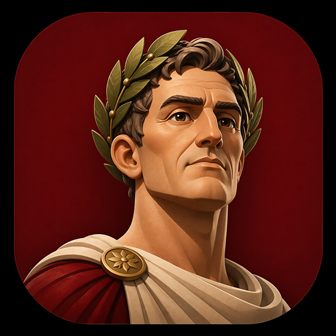
The 19-year-old stood outside Rome, his legions arrayed behind him, an undeniable force of persuasion. His name was Octavian, and he had come to negotiate with the Roman Senate. Or, perhaps more accurately, to dictate. It was August 19, 43 BCE, and the young man, barely out of his teens, was about to teach Rome a brutal lesson in power dynamics. He had a simple demand: the consulship, the highest office in the Republic. The Senate, bless their venerable hearts, had initially scoffed. A mere boy? A consul? The audacity! But then, they looked out at the legions. And they reconsidered.
For centuries, the Roman Republic had, with varying degrees of success and bloodshed, clung to the notion that legitimate power flowed from its venerable institutions: the Senate, the assemblies, the elected magistrates. Even a dictator, like Octavian’s recently murdered great-uncle, Julius Caesar, had to be *appointed* by the Senate, even if under duress. The civil authority, however imperfect, was nominally supreme. This day, that charade ended. When Octavian, with eight legions at his back, marched on Rome and demanded the consulship, he wasn't asking for a vote; he was presenting an ultimatum. He was, in essence, holding a very large, very sharp sword to the Republic’s throat and suggesting they agree to disagree, agreeably.
Imagine the scene: the aged senators, still reeling from Caesar’s assassination and the subsequent scramble for power, now faced with a fresh-faced youth who commanded an army with the same ease Caesar once had. They had tried to appease him with a praetorship, a lower office, imagining he’d be grateful. Octavian’s response? A blunt message delivered by a centurion, according to the historian Suetonius: “If you will not grant it, perhaps this will.” The centurion then pointed to his sword. Subtlety, it seems, was not in vogue. The Senate, suddenly understanding the gravity of the situation, swiftly capitulated. Octavian and his cousin Quintus Pedius were elected consuls, not by the enthusiastic clamor of citizens, but by the nervous acquiescence of men who understood the glint of steel better than the drone of oratory.
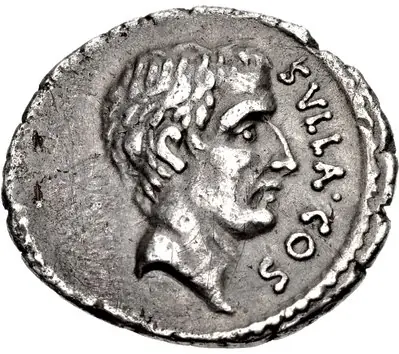
Before this moment, the Republic, for all its tumultuous history of civil wars and factionalism, still maintained the *fiction* that its highest offices were the preserve of law and tradition, earned through a lifetime of public service and political maneuvering. No private citizen, however powerful, simply showed up with an army and demanded the keys to the city. After August 19, 43 BCE, that fiction lay shattered. The path to power in Rome would, from this day forward, run through the military camps, not just the Forum. The idea that a single individual, backed by loyal legions, could overrule the entire state apparatus became not just imaginable, but an accepted, if terrifying, reality.
This event was less a singular earthquake and more the final, definitive tremor that brought down a structure already riddled with cracks. The Republic had been teetering for decades, its foundations eroded by ambition, wealth, and the ever-increasing loyalty of soldiers to their generals rather than to the state. Octavian merely delivered the coup de grâce. He wasn’t a revolutionary in the sense of creating a new system from scratch; he simply leveraged the existing, broken system to its logical, terrifying conclusion. He demonstrated, with overwhelming force, that the man with the most legions made the rules.
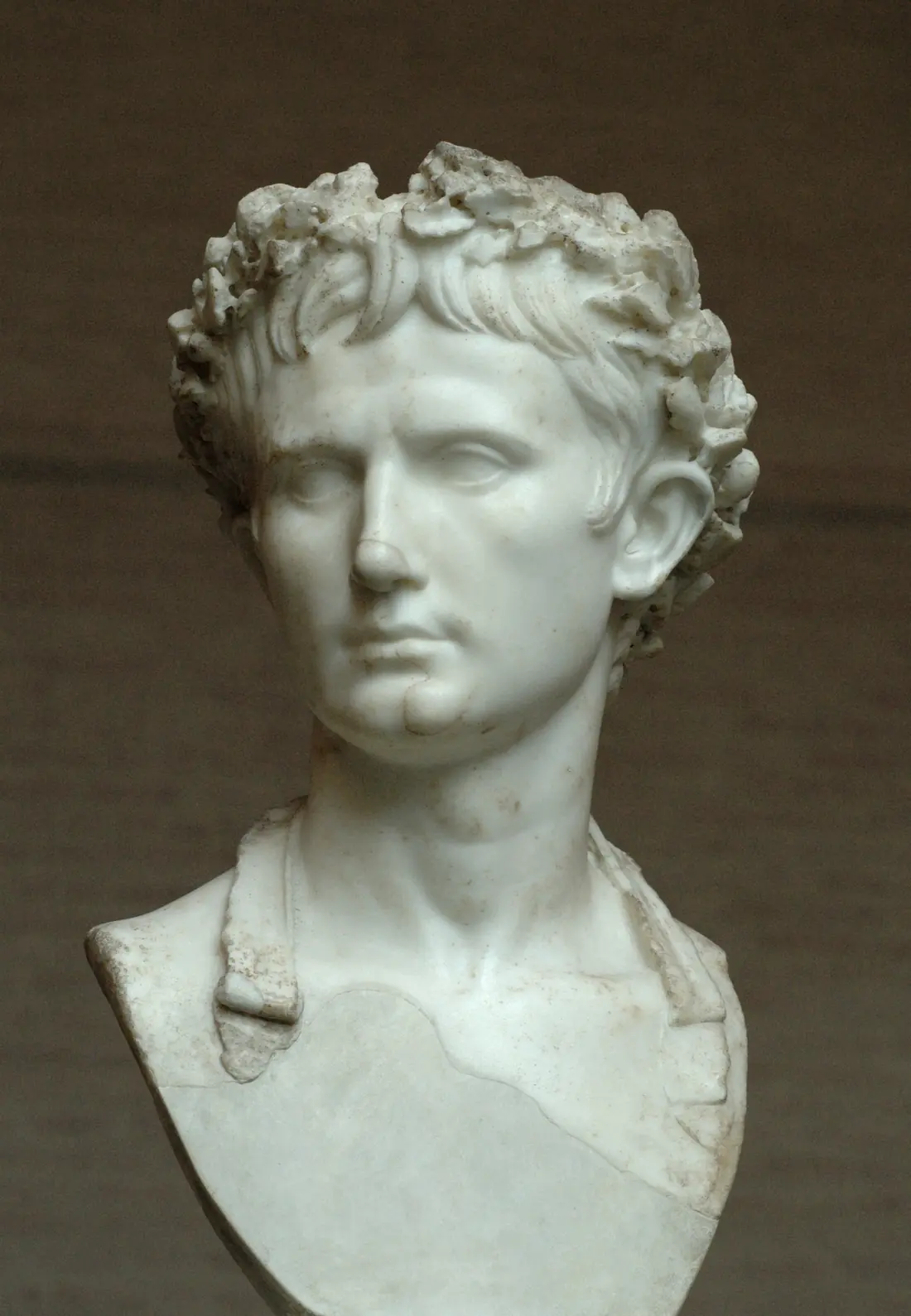
The long arc of Roman history, which had seen the slow, deliberate construction of a complex system of checks and balances over nearly five centuries, was bent irrevocably. The Republic, for all intents and purposes, died the day a teenager with an army decided he wanted to be consul. What emerged from its ashes, molded by this very act of coercion and countless others, was the Principate – an empire ruled by a single man, however much he insisted on calling himself “first citizen.” It was a system that would endure for centuries, born not of grand design, but of a desperate compromise forged under the shadow of a sword.