Daily History
War & conflict

Arab Conquests Establish Islamic Rule in Levant

Levant
Arab Conquests Establish Islamic Rule in Levant — Levant
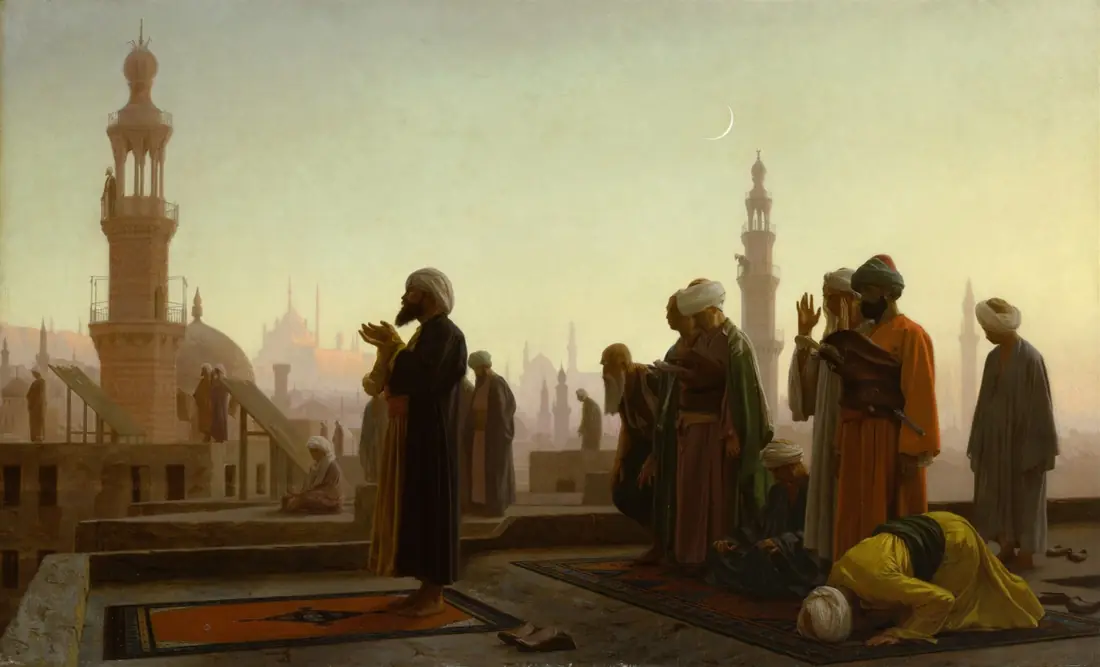
Image: Jean-Léon Gérôme · Public domain

Emperor Heraclius had seen his empire, the eastern Roman behemoth, survive and even thrive through unimaginable trials. He had personally led his armies to victory against the Sasanian Persians, reclaiming lost provinces and restoring the True Cross to Jerusalem. The Levant, that fertile crescent of ancient cities and trade routes, had been Roman for seven centuries, a bedrock of imperial power. Its cities were vibrant, its garrisons robust, its administration a finely tuned machine. This was not merely territory; it was the sacred ground where Christianity had been born, a testament to Rome’s eternal destiny. The idea that this vast, sophisticated apparatus could be dismantled by a relatively new power, born from the desert, was simply unthinkable. Heraclius, watching from Antioch, likely felt the weary but secure pride of a man who had weathered every storm. What could possibly threaten such an established order?

Then came the Yarmouk. A river valley, east of the Sea of Galilee, became the unlikely stage for a cataclysm on August 20, 636. For six sweltering days, the Byzantine legions, a multinational force of Greeks, Armenians, Slavs, and Ghassanid Arabs, numbering perhaps 80,000 strong, faced Khalid ibn al-Walid’s army, estimated at a mere 25,000 to 40,000. It was a clash of titans, but only one side understood that the rules had changed.

Khalid, the ‘Sword of God,’ was a master of desert warfare, mobility, and psychological advantage. His cavalry, light and swift, darted and struck, avoiding the crushing weight of the Byzantine heavy infantry. He employed feigned retreats, flanking maneuvers, and disciplined counter-attacks that chipped away at the imperial lines. The Byzantines, accustomed to set-piece battles and superior numbers, found themselves in a bewildering, fluid engagement. On the final day, a ferocious sandstorm, blowing straight into the faces of the Romans, blinded them, disrupting their formations and morale. Khalid seized the moment. His cavalry swept around the Byzantine flank, cutting off their escape to the north.

Arab Conquests Establish Islamic Rule in Levant — Levant
Image: Adli Wahid Minor modifications made by Basile Morin, from the original version. · CC BY-SA 4.0

What followed was not a retreat but a rout, a massacre. Trapped between the Arab forces and the steep gorges of the Yarmouk River, thousands of Byzantine soldiers perished. Some reports suggest as many as 70,000 imperial troops were lost, many plunging to their deaths in the ravine known as Wadi al-Ruqqad. The sheer scale of the disaster was unprecedented for the Byzantines. Emperor Heraclius, receiving the news, reportedly murmured, “Farewell, Syria, and what a fine country this is for the enemy.”

The world, which had seemed so solid and predictable, cracked open. In the immediate aftermath, Byzantine authority in the Levant evaporated with astonishing speed. Damascus, Jerusalem, Antioch – cities that had been bulwarks of Roman influence for centuries – fell in quick succession. A millennial legacy, thought to be eternal, was overturned in a matter of months. The sophisticated bureaucracy, the Hellenistic culture, the very language of governance, would soon begin to recede, replaced by a new administration, a new lingua franca, and a new faith. The Levant, the heartland of Roman power in the East, was no longer Roman. It was now part of a rapidly expanding new empire, born from the desert winds, whose shadow would stretch across continents.

Source: en.wikipedia.org/wiki/Muslims
War & conflict

Battle of Lens: Last Major Clash of Thirty Years' War

Lens, France

Battle of Lens: Last Major Clash of Thirty Years' War — Lens, France
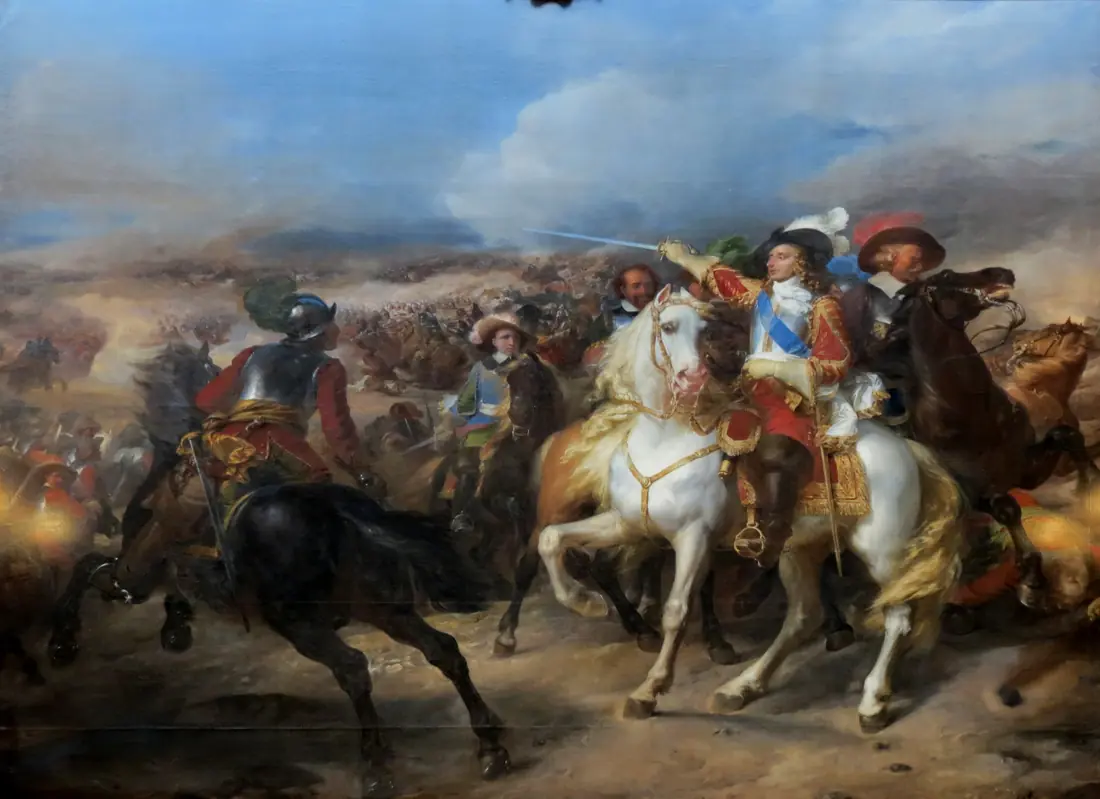
Image: Giogo · CC BY-SA 4.0

The scent of gunpowder, damp earth, and the metallic tang of fear hung thick in the air near Lens on that August morning in 1648. For thirty years, Europe had been a butcher's block, and this particular field, a flat expanse in northern France, was about to host one last, desperate act. What most people remember is the Battle of Lens as the final, decisive military clash of the Thirty Years' War, paving the way for the Peace of Westphalia. What they often forget is just how close it came to being a catastrophic French defeat, salvaged by a single, audacious decision that flew in the face of conventional wisdom.

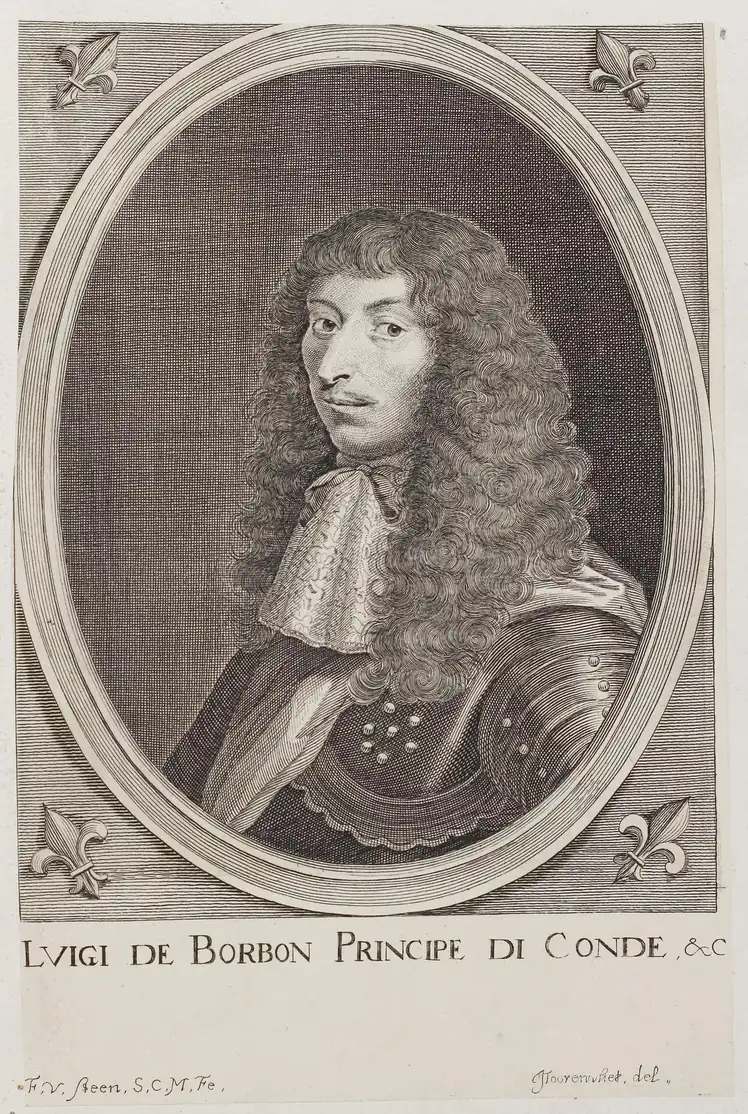
The French, under the young, brilliant Louis II de Bourbon, Prince de Condé – a man whose audacity had already earned him the moniker 'Le Grand Condé' – faced an Imperial-Bavarian army led by Archduke Leopold Wilhelm of Austria. Condé, barely 27, commanded a force of seasoned veterans, but they were outnumbered, perhaps 15,000 to the Archduke's 18,000. For weeks, they'd shadowed each other, a deadly dance of maneuver. Condé, usually the aggressor, found himself in a defensive position, his lines stretched, his supplies dwindling.

The Archduke, sensing weakness, pushed his advantage. His cavalry, the infamous Croats among them, began to probe Condé's flanks, trying to draw him out. The traditional military playbook demanded Condé hold his ground, reinforce his weakest points, and prepare for a sustained, grueling defense. But Condé, a general who understood that rules were often just suggestions, had other ideas. He saw the Archduke's aggression not as a threat, but as an opportunity.

Battle of Lens: Last Major Clash of Thirty Years' War — Lens, France
Image: Franciscus van der Steen · Public domain

As the Imperial forces pressed forward, their formations, confident in their numerical superiority, began to stretch and lose cohesion. It was the classic mistake of an army overeager for the kill. Condé, from his vantage point, watched the gaps widen, the units drift apart. He made a call that shocked his own senior officers: rather than bolstering his line, he ordered a general advance. Not a charge, not a desperate lunge, but a controlled, rapid forward movement, cavalry on the wings, infantry in the center, straight into the teeth of the advancing enemy.

The Archduke's men, expecting a static defense, were caught entirely off guard. The French, instead of receiving the attack, delivered one. Condé's cavalry, specifically his Gendarmes, crashed into the Imperial flanks before they could properly form up, turning the probing attacks into a full-blown rout. The Imperial infantry, their support gone, found themselves encircled, cut off. The battle, which began with the Archduke’s confident push, disintegrated into a chaotic retreat for his forces within hours. It was less a grinding battle of attrition and more a perfectly timed, devastating counter-punch.

Battle of Lens: Last Major Clash of Thirty Years' War — Lens, France
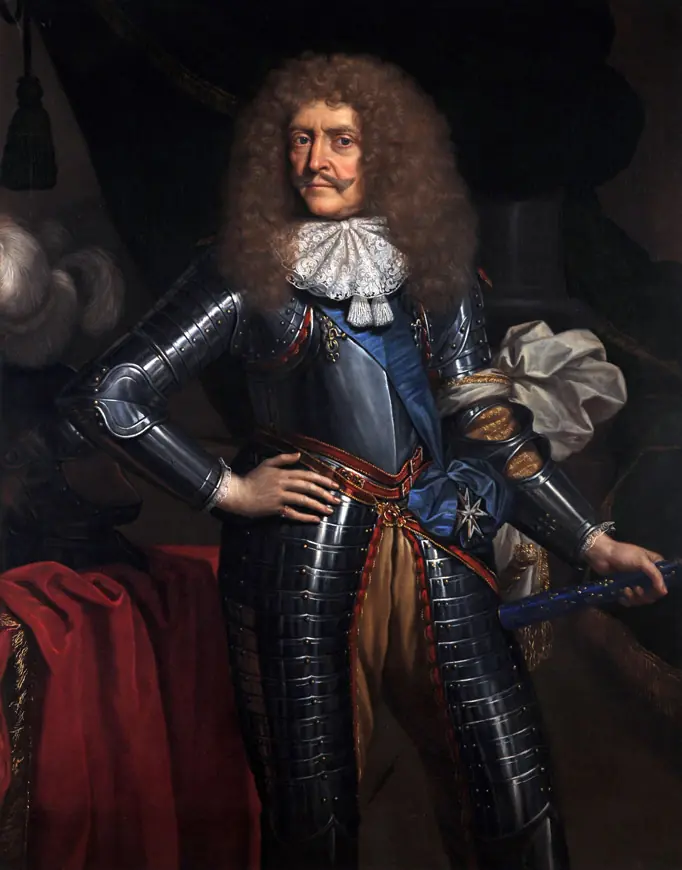
Image: Unidentified painter · Public domain

Of the Imperial forces, some 8,000 men were captured or killed, including over a hundred of their highest-ranking officers. The French, by contrast, suffered around 1,500 casualties. News of the crushing defeat reached the negotiating tables in Münster and Osnabrück just as talks for a lasting peace were faltering. The Emperor, who had hoped to leverage Leopold Wilhelm's army as a bargaining chip, found his hand suddenly empty. Condé’s audacious gamble at Lens didn't just win a battle; it snapped the political deadlock, forcing the exhausted powers to finally sign the Peace of Westphalia a mere two months later. The war, a monstrous, thirty-year saga, ended not with a whimper, but with a sudden, decisive roar from a young general who simply refused to fight by the book.

Source: en.wikipedia.org/wiki/Battle of Lens

Use the arrow keys to move between days

Browse the full archive →