Sikh Holy Scripture Installed
Amritsar, India
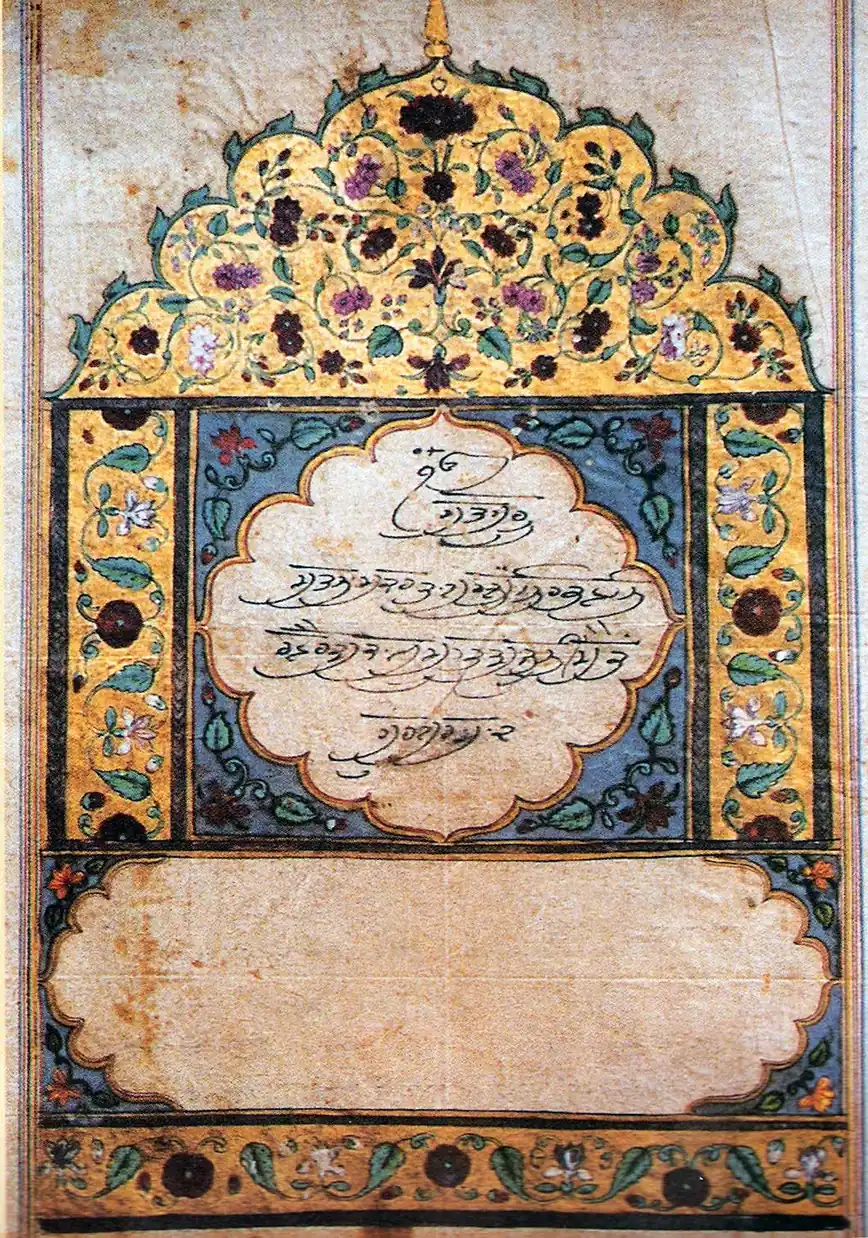
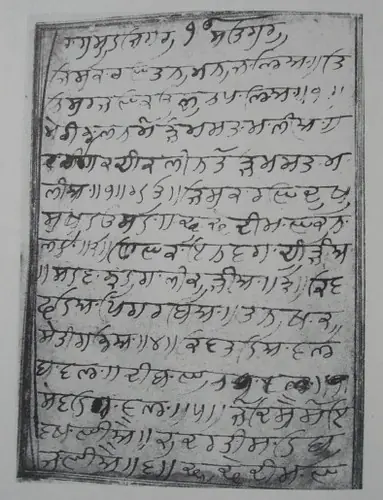
Imagine, for a moment, a world where your ultimate spiritual guide isn't a charismatic leader, a revered saint, or an anointed priest, but a book. Not a book *about* God, or a collection of divine laws, but the living embodiment of the divine word itself. This radical, almost audacious concept, wasn't just theorized; it was meticulously, reverently, brought to life on a crisp autumn morning in Amritsar. On September 1, 1604, the Adi Granth, the foundational scripture of the Sikh faith, was installed at the Harmandir Sahib, now globally recognized as the Golden Temple. It was more than a dedication; it was a coronation of parchment and ink, a profound pivot in human understanding of spiritual authority.
Before this day, across most of the known world, divine truth was largely a mediated affair. It came through the pronouncements of prophets, the decrees of kings, the interpretations of a priestly class, or the direct charisma of a living guru. Knowledge was often guarded, revelation controlled. The idea that ultimate spiritual guidance could be found, unadorned and directly accessible, within a compiled text, was... well, it was bordering on heresy in some quarters, and pure folly in others. Humanity, it seemed, needed a breathing, fallible, often quite demanding leader to show the way.
But for the Sikhs, under the visionary leadership of Guru Arjan Dev, the fifth of their ten human Gurus, the script was being rewritten. For nearly two decades, he had painstakingly collected and compiled the teachings of his predecessors, along with hymns from Hindu and Muslim saints – a truly ecumenical project that, even now, makes one pause. This wasn't some theological echo chamber; it was a symphony of diverse spiritual voices, all pointing towards a singular, loving divine. And on that day, with Bhai Buddha, a revered elder, as the first Granthi (custodian), the Adi Granth was placed upon a raised platform, treated with the deference usually reserved for royalty or a living holy man. It was a statement, bold and undeniable: the Guru was now the *Granth*.
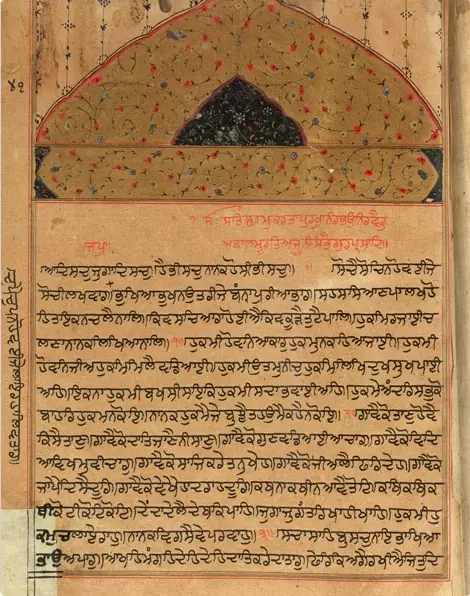
What became ordinary after this event, for millions, was the idea that wisdom isn't a finite resource held by a select few, but a boundless ocean accessible to all who could read, or listen. The Guru Granth Sahib (as it would later be known, after the final additions by Guru Gobind Singh in 1708, when he declared it the eternal Guru) became the perpetual, unchanging source of spiritual guidance. No more worries about who the *next* Guru would be, no more dynastic squabbles, no more concerns about human fallibility corrupting the divine message. The word, in its purest form, was now sovereign.
This act, seemingly simple, broke a centuries-old paradigm. It created a faith where the scripture isn't just sacred, but *alive*. When a Sikh bows before the Guru Granth Sahib, they aren't bowing to a book of stories, but to the living presence of the Guru's wisdom. It’s a concept that has shaped a community, inspired countless acts of devotion, and, perhaps most wryly, ensured that even centuries later, the ultimate authority remains utterly unswayed by public opinion polls or the latest fashion trends. Try getting *that* from a human leader.