Daily History
Politics & state

Britain Adopts Gregorian Calendar

Great Britain
Britain Adopts Gregorian Calendar — Great Britain
Image: Unidentified engraver · Public domain

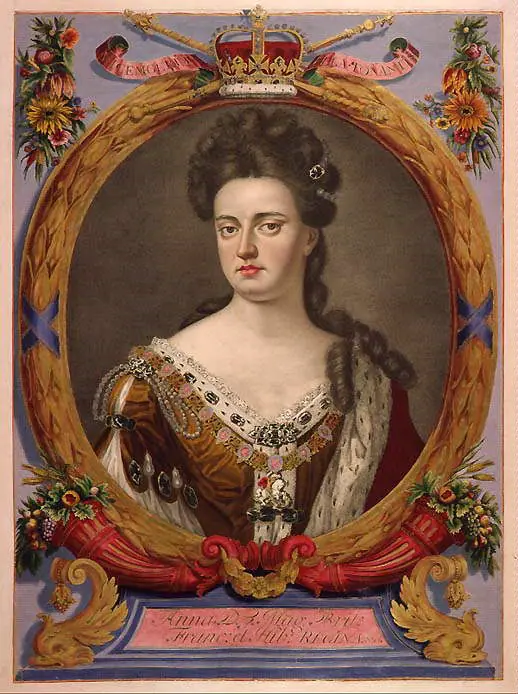
On a September day in 1752, Great Britain simply decided to lose 11 days. Not misplace them, mind you, but actively delete them from the public consciousness. Wednesday, September 2nd was immediately followed by Thursday, September 14th. Imagine the sheer, bureaucratic audacity. For a nation that prized its traditions, this was a temporal sleight-of-hand, a sudden leap forward executed by parliamentary decree, leaving a curious void in the collective memory and, apocryphally, sparking cries of “Give us back our eleven days!” from a bewildered populace. The reality of widespread calendar riots remains largely unsubstantiated, but the mere possibility speaks volumes about the human relationship with time itself.

For centuries, the problem had been quietly accumulating. The Julian calendar, instituted by Julius Caesar in 45 BC, operated on a simple, if slightly flawed, premise: a year was precisely 365.25 days long. The actual solar year, however, is closer to 365.2422 days. That seemingly minuscule difference of about 11 minutes and 14 seconds per year had, over 1,700 years, added up to a significant error. By the 16th century, the calendar was roughly 10 days out of sync with astronomical events, causing crucial religious holidays, particularly Easter, to drift noticeably from their traditional spring markers. This was not a minor inconvenience; it was a cosmic miscalculation affecting the very fabric of church doctrine and agricultural rhythms.

Most of Catholic Europe, under the direction of Pope Gregory XIII, had already rectified this astronomical drift in 1582. The Gregorian calendar, named in his honor, corrected the error by omitting 10 days (from October 4th to October 15th that year) and introducing a more refined leap year rule: a year divisible by 100 is not a leap year unless it is also divisible by 400. Britain, however, being a staunchly Protestant nation, had demurred. The thought of adopting a “Popish” calendar was anathema, a matter of religious principle trumping scientific accuracy for 170 years. While its continental neighbors had streamlined their dates, Britain remained stubbornly, proudly, behind the times.
Britain Adopts Gregorian Calendar — Great Britain
Image: Arthur Pond · Public domain

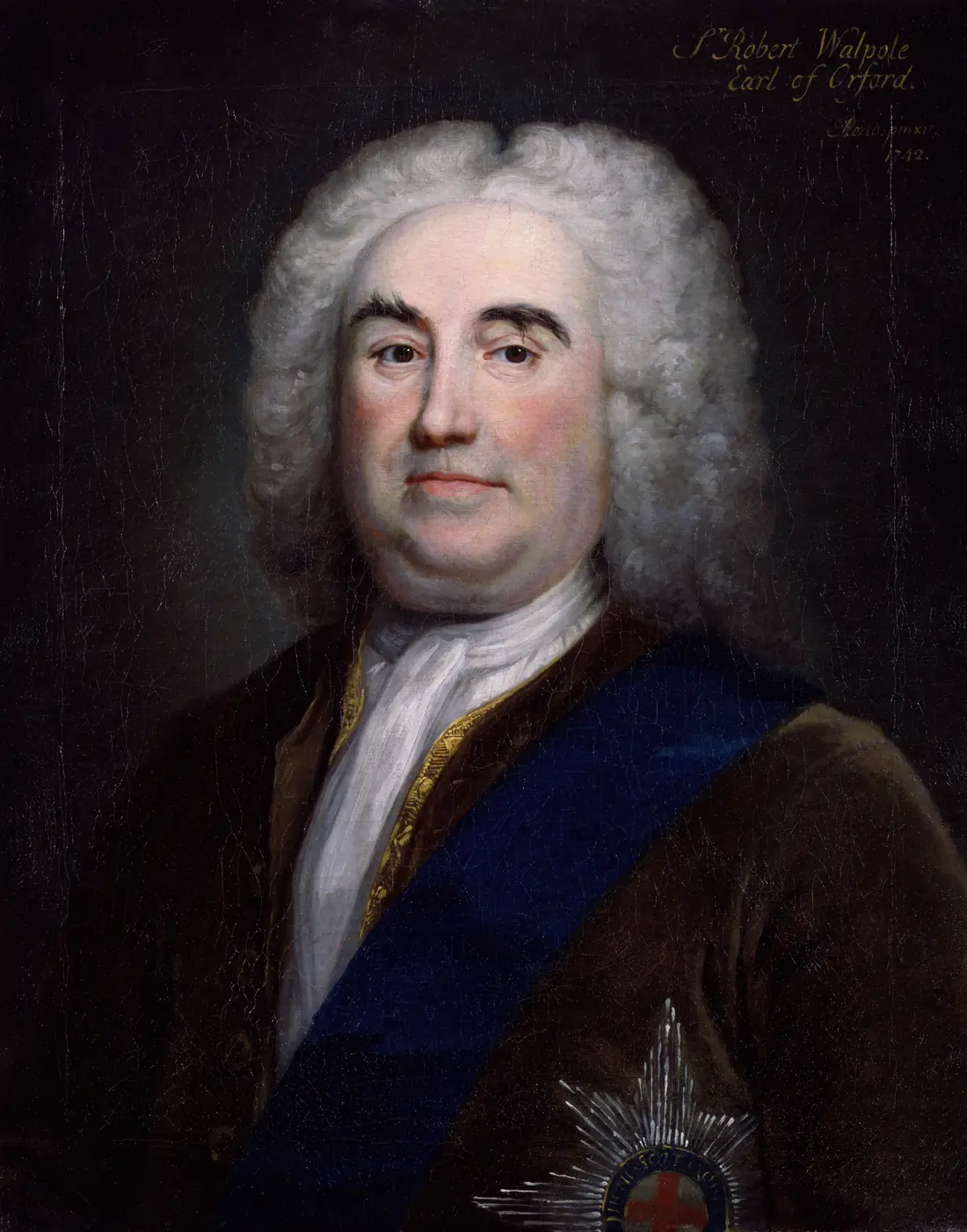
The Act for Regulating the Commencement of the Year, and for Correcting the Calendar now current, passed in 1751, finally dragged Britain, and its overseas possessions, into temporal alignment. Spearheaded by the likes of Lord Chesterfield, it wasn't just about deleting days; it also changed the start of the new year from March 25th (Lady Day) to January 1st. This meant that the year 1751 was an unusually short one, lasting only 282 days. Financial implications were a concern; tenants and employees feared losing 11 days' rent or wages. Parliament, with a rare flash of foresight, legislated that financial obligations tied to specific dates, such as quarterly payments, would simply shift to their new, astronomically correct equivalents, ensuring no one was cheated out of their due.

The immediate consequence was a peculiar kind of temporal amnesia. Birthdays shifted, anniversaries were debated, and for a short period, “Old Style” and “New Style” dates were commonly used to clarify which calendar was being referenced. The transition, while necessary, highlighted humanity's fragile grip on the abstract concept of time. We measure it, we calendar it, but ultimately, a mere act of parliament, backed by 11 minutes and 14 seconds of annual error, could simply make 11 days vanish, proving that even the most fundamental structures of our lives are, sometimes, just a matter of agreement.
Britain Adopts Gregorian Calendar — Great Britain
Image: dennis smith · CC BY-SA 2.0

Source: en.wikipedia.org/wiki/Kingdom of Great Britain

Natural disaster

The Great Fire of London Begins

London, England

The Great Fire of London Begins — London, England
Image: Unknown artistUnknown artist · Public domain

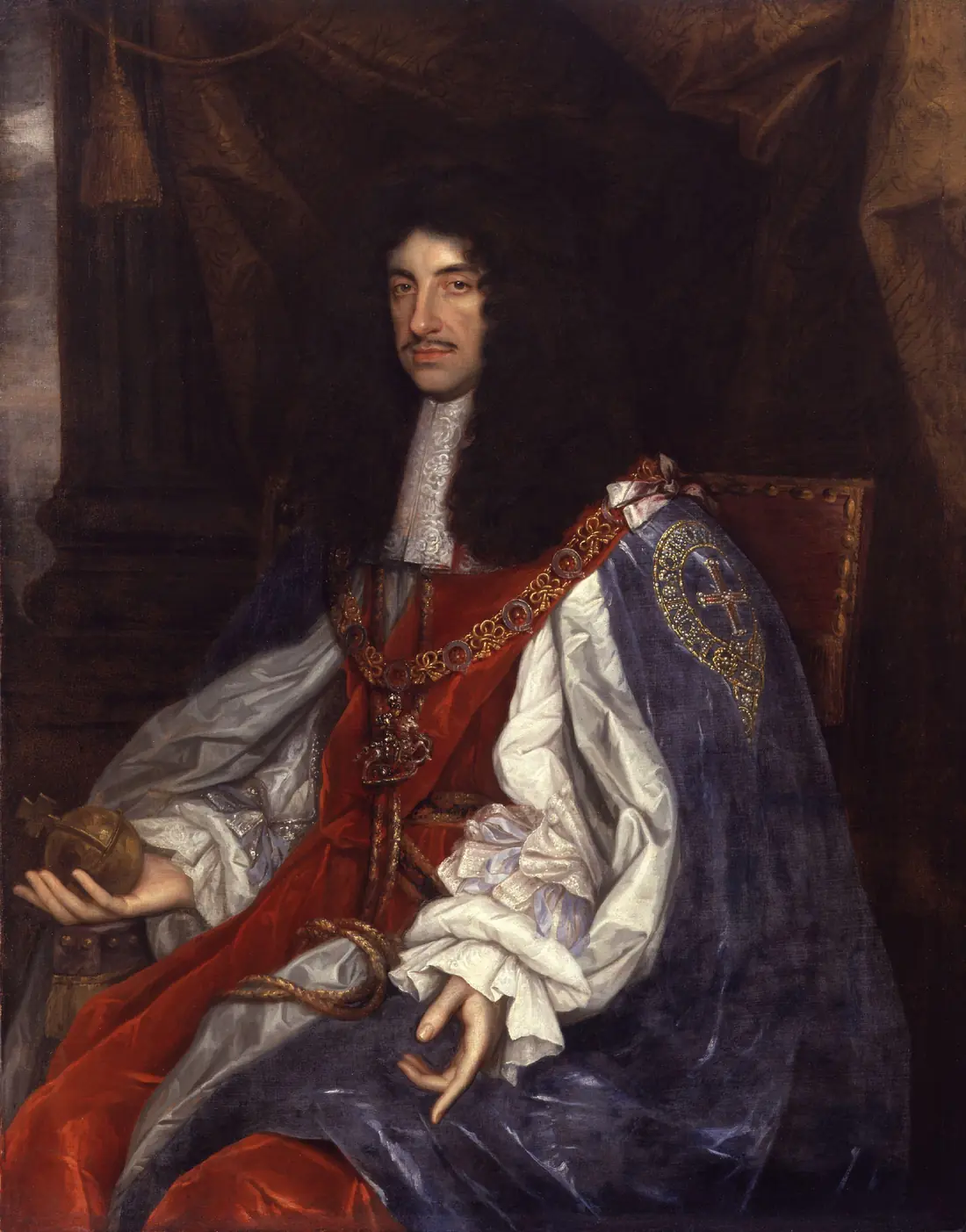
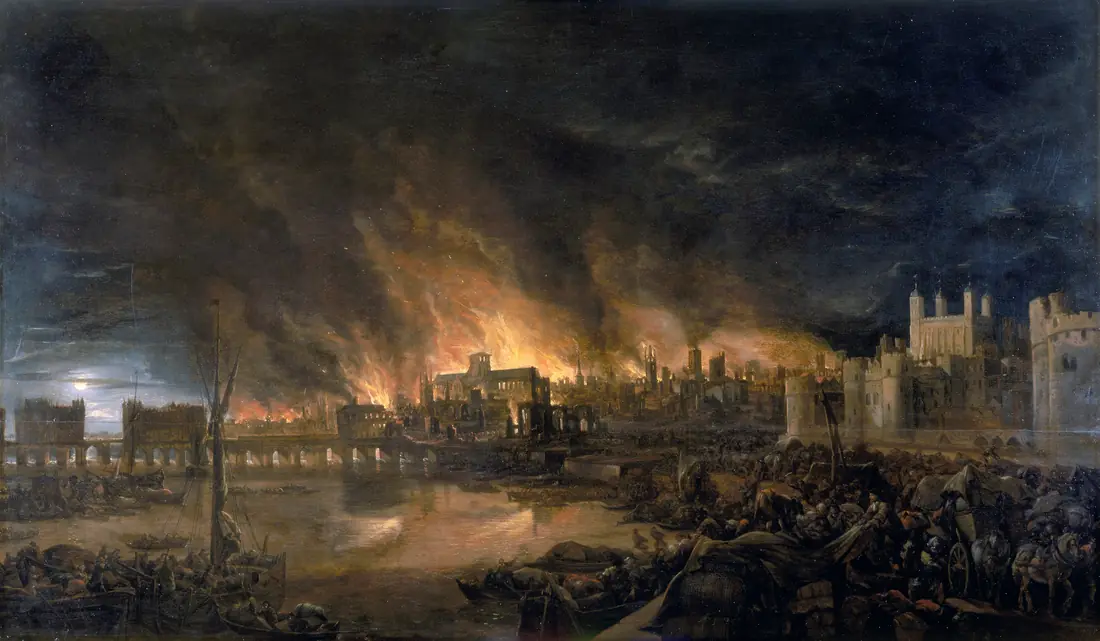
It began, as so many catastrophes do, with something mundane: a baker’s oven, left unattended. Thomas Farriner, baker to King Charles II, lived on Pudding Lane. On the night of September 2, 1666, his oven, still glowing from the day’s baking, sparked. A single ember, a stray flame, and within hours, what started as a domestic inconvenience became London’s reckoning.

London in 1666 was a city of timber-framed houses, their upper stories leaning precariously over narrow streets, often just a few feet apart. The summer had been long and dry, turning everything into tinder. When the fire found its way from Farriner’s bakery to a pile of faggots, then to the Star Inn, then to a paper warehouse, it was no longer just a fire; it was a hungry beast. The initial response was hesitant. Lord Mayor Sir Thomas Bloodworth, on being roused, famously declared, “Pish! A woman might piss it out!” He refused to order the demolition of houses to create firebreaks, fearing the cost and legal repercussions. This delay, born of bureaucratic caution, sealed the city's fate.

For three days, London burned. The heat was so intense it melted lead from church roofs, sending rivers of molten metal down streets. The noise was a continuous roar, a horrifying symphony of collapsing buildings and exploding barrels. Samuel Pepys, chronicler of the age, wrote of the sky being "as if it were a bow of fire all the night long." The sheer scale of destruction was breathtaking. An estimated 13,200 houses, 87 parish churches, 44 livery company halls, the Royal Exchange, the Guildhall, and the magnificent Old St Paul's Cathedral—a Gothic masterpiece standing for centuries—were reduced to ash. Around 80% of the walled city was gone.

The Great Fire of London Begins — London, England
Image: Claes Van Visscher · Public domain

The immediate human cost, officially, was astonishingly low: only six verified deaths. This number, however, is almost certainly a grotesque underestimate. The poor, the unrecorded, and those vaporized in the inferno were simply not counted. One can only imagine the true toll amidst a city of nearly half a million people, thousands of whom became instantly homeless, fleeing with what few possessions they could carry to Moorfields and other open spaces, watching their lives turn to smoke. King Charles II himself, along with his brother James, Duke of York, personally supervised firefighting efforts, an image of monarchical engagement that surely helped calm a populace teetering on the brink of panic and rebellion.

But the true story of the Great Fire lies not in its three fiery days, but in the decades that followed. Its most profound, unexpected consequence was biological. Just a year prior, the Great Plague had decimated London, killing an estimated 100,000 people. The fire, by obliterating the overcrowded, unsanitary tenements and rat-infested structures where the plague thrived, effectively sterilized the city. It burned away the disease, paving the way for a new, healthier London.

The Great Fire of London Begins — London, England
Image: John Michael Wright · Public domain

Reconstruction began almost immediately, guided by figures like Sir Christopher Wren, Robert Hooke, and John Evelyn. Their grand plans for a new, orderly, Baroque city were largely shelved due to property disputes and the sheer complexity of remapping existing land claims. Yet, significant changes were enforced: all new buildings had to be constructed of brick or stone, not wood. Streets were widened, pavements introduced, and rudimentary sewerage systems improved. This mandate transformed London's architecture and laid the groundwork for a more resilient, if less aesthetically uniform, city. The fire also spurred the development of modern fire insurance, a direct response to the catastrophic financial losses. From Farriner’s unattended oven emerged a city reborn, not in the precise image of its planners, but with a new foundation, literally and figuratively, that would allow it to become the global metropolis it is today. London, in a macabre twist of fate, had to burn down to rise again, cleansed of its pestilence, built anew from its own ashes.

Source: en.wikipedia.org/wiki/Great Fire of London

Politics & state

US Department of the Treasury Founded

US Department of the Treasury Founded
Image: This image includes elements that have been taken or adapted from this file: · Public domain

The stifling late summer humidity of Philadelphia clung to the air, a persistent, physical weight that seemed to mirror the nation’s financial burden. It was September 2, 1789, and inside the old State House, the clatter of quill on parchment and the low murmur of debate had been the soundtrack to a new, precarious republic for months. The building, solid brick and stoic, had seen the Declaration and the Constitution born, but now it housed a Congress wrestling with a far less poetic, yet utterly existential, problem: money. Or, rather, the catastrophic lack of it.

For nearly nine years since the Treaty of Paris officially ended the Revolutionary War, the United States had been a nation on a fiscal tightrope, teetering over an abyss of debt. Under the Articles of Confederation, the central government had no power to tax; it could only *ask* the states for funds, a plea often met with deafening silence. Imagine running a household where you could only politely request your children to contribute to the rent, and they, quite predictably, spent their money on fireworks. That was the federal government, perpetually broke, its credit a punchline in European capitals.

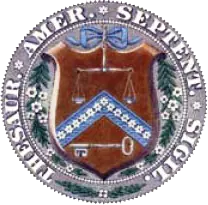
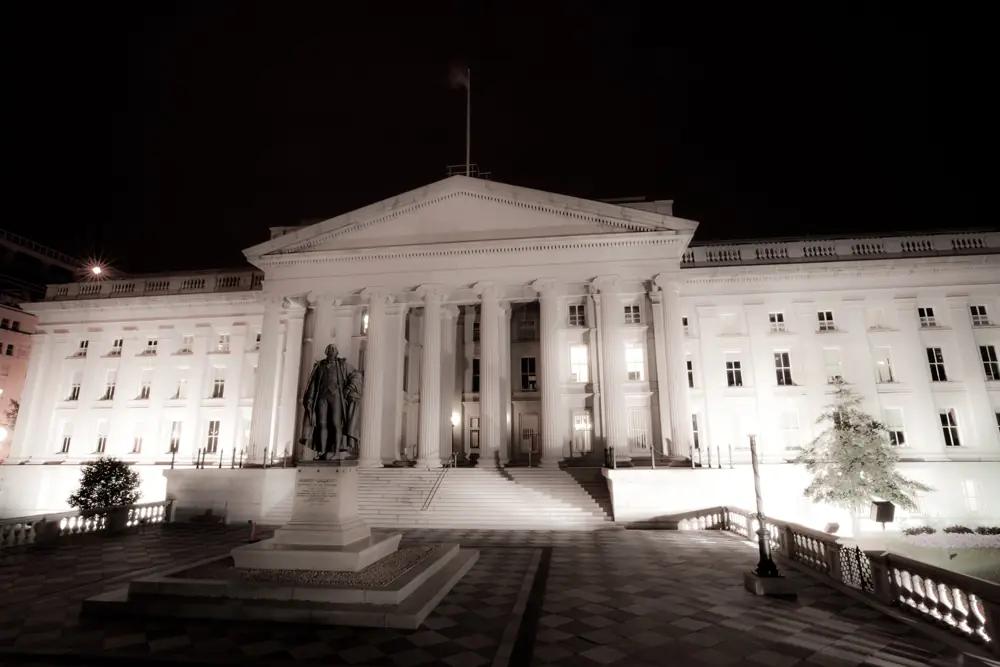
Then came the Constitution, ratified just the year before, a grand re-engineering project designed to fix fundamental flaws. Article I, Section 8, Clause 1, quietly bestowed upon Congress the power to “lay and collect Taxes, Duties, Imposts and Excises.” This wasn't just a legal nicety; it was a revolutionary shift. But a power written on paper is one thing; making it *work* is another. That’s where September 2nd comes in. With the stroke of a pen, President George Washington signed into law "An Act to Establish the Treasury Department." Suddenly, the United States wasn't just *able* to collect money; it had an entire, dedicated apparatus for doing so.

US Department of the Treasury Founded
Image: Florian Hirzinger - www.fh-ap.com · CC BY-SA 3.0

Now, here’s where it gets truly fascinating. This wasn't just setting up an accounting office. This was designing the very circulatory system of a nascent economy. The Department of the Treasury was conceived as a financial powerhouse, far more robust and influential than its contemporaries, the Departments of State and War. Its Secretary would be a near-omnipotent financial minister, overseeing not just revenue collection, but public credit, currency, and the nation's entire economic policy. It was a staggering concentration of power, a deliberate move to ensure the country wouldn't crumble under its own IOUs.

And who did they hand the keys to this monstrous, indispensable machine? A brilliant, ambitious 34-year-old immigrant from the Caribbean, Alexander Hamilton. His appointment, though not made until September 11th, was the inevitable next step. Hamilton, with his almost terrifying grasp of finance, understood that a national debt, if properly managed, could be a *blessing* – a source of unity and credit, binding the states to the federal government. He would spend the next five years constructing a financial architecture that would underpin American prosperity for centuries, from a national bank to a mint and a sophisticated system of tariffs. The very first iteration of the U.S. Coast Guard, the Revenue Cutter Service, was even established under the Treasury to enforce customs laws, a testament to the department's broad initial mandate.

US Department of the Treasury Founded
Image: Unnamed Federal Works Agency photographer. · Public domain

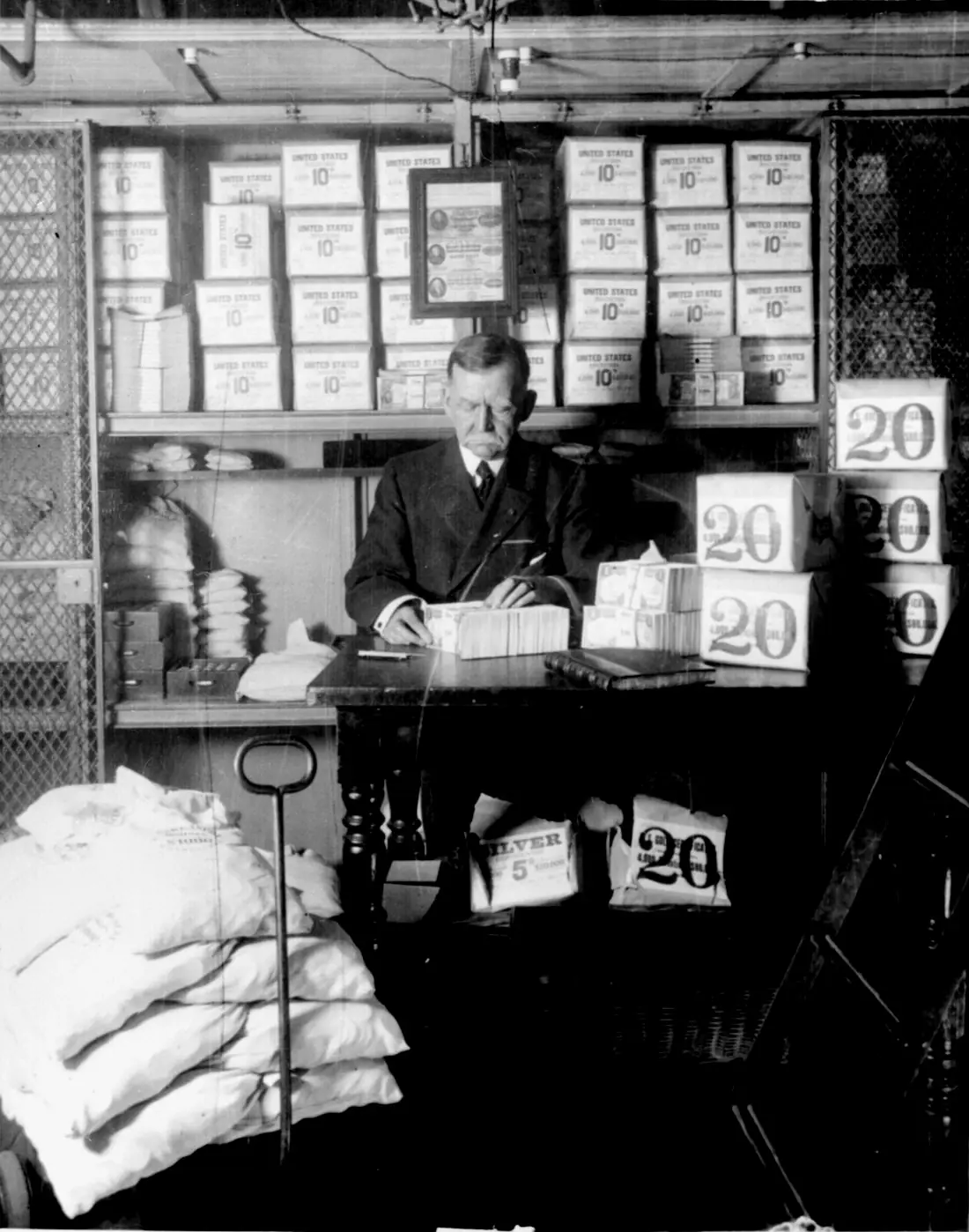
So, on that humid September day, in a room that likely smelled of stale tobacco and nervous ambition, the mundane act of creating a government department quietly laid the groundwork for one of the most powerful financial systems in the world. It was the moment America decided to stop begging for change and start running its own bank, with an immigrant at the helm who saw debt not as a burden, but as raw material for nation-building. The irony, of course, is that the system he built, designed for stability, would also become the battleground for some of the fiercest political fights in American history, proving that money, even when carefully managed, rarely stays quiet.

Source: en.wikipedia.org/wiki/United States Department of the Treasury

War & conflict

Spanish Armada Lands in Ireland at Kinsale

Kinsale, Ireland

Spanish Armada Lands in Ireland at Kinsale — Kinsale, Ireland
Image: Workshop of Frans Pourbus the Younger · Public domain

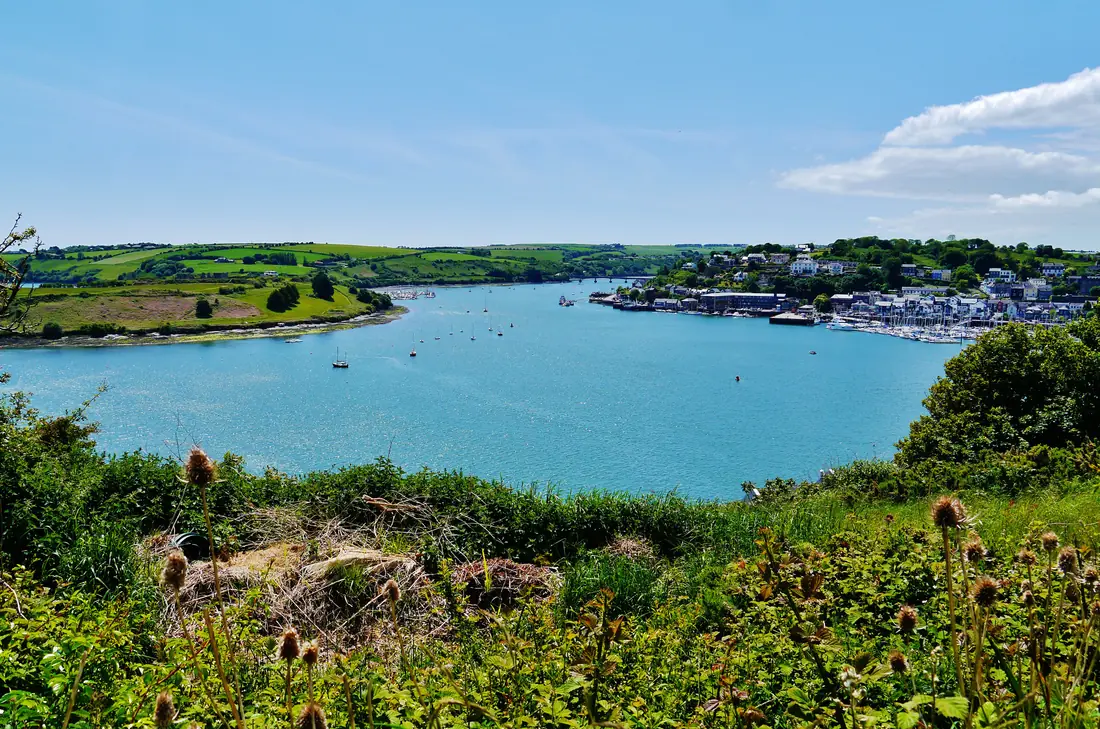
The horizon off the coast of Kinsale, County Cork, was not merely streaked with the dawn of September 2, 1601; it was bristling. Twenty-eight ships, dark and purposeful, materialized from the Atlantic mist. They weren't merchants, nor local fishing vessels. These were the vanguard of Spain’s Fourth Armada, bearing 4,432 fighting men — a formidable, if somewhat seasick, host disembarking onto Irish soil. For centuries, the notion of effective Spanish intervention in Ireland against England had been a persistent, tantalizing ghost, a strategic whisper across the Bay of Biscay. On this day, the ghost became flesh, bristling with pikes and muskets, shattering the long-held English comfort that their western flank was merely a troublesome, rather than an existential, vulnerability.

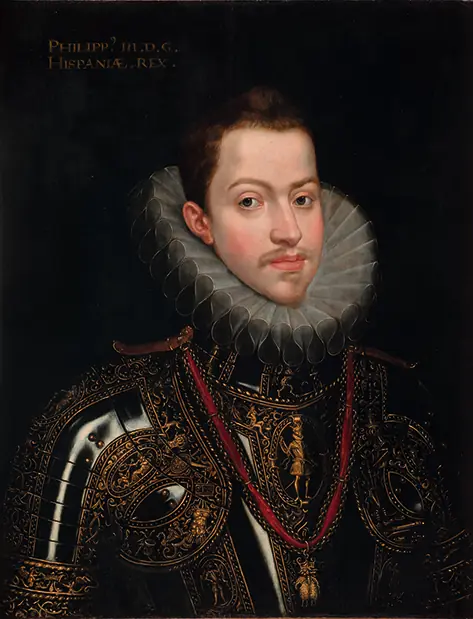
What landed at Kinsale was more than just soldiers; it was the embodiment of a grand, desperate gamble. For Queen Elizabeth I, Ireland was a perpetual drain, a land of rebellious clans and entrenched Catholicism, a mere stepping stone to the heart of her Protestant kingdom. For Spain’s King Philip III, it was a chance to pry open England’s back door, a religious crusade intertwined with geopolitical necessity. The Spanish, after the ignominious defeat of the ‘Invincible’ Armada in 1588, and subsequent failed attempts, had learned harsh lessons about naval power projection. This time, they weren't aiming for London; they were aiming for a strategic foothold, a local ally, and a protracted land war. They found the former in the Irish chieftains Hugh O’Neill and Red Hugh O’Donnell, who for years had been waging a bitter, if disunited, campaign against English rule.

Before Kinsale, the idea of a major Catholic power establishing a permanent military base in Ireland was unimaginable, a strategic fantasy for rebels and a nightmare for London. After Kinsale, it became a terrifyingly real, if short-lived, possibility. The immediate aftermath saw the English, under Lord Deputy Charles Blount, Lord Mountjoy, react with astonishing speed, laying siege to the Spanish within Kinsale. This was no mere skirmish; it was a race against time, a siege that would define the very nature of sovereignty in the British Isles. The Spanish, under Don Juan del Águila, found themselves in a peculiar predicament, guests who had overstayed their welcome before even properly arriving, trapped in a port town by an English army that outnumbered them, eventually swelling to over 12,000 men.

Spanish Armada Lands in Ireland at Kinsale — Kinsale, Ireland
Image: Otto van Veen · Public domain

The real drama, however, played out in the Irish interior. O’Neill and O’Donnell, with their combined forces of around 6,000, undertook a forced march south through winter bogs and unforgiving terrain, hoping to relieve their Spanish allies. This was the moment everything hinged: a coordinated land and sea assault, the Gaelic lords from the outside, the Spanish from within. But the coordination was a chimera. Miscommunication, the brutal Irish weather, and the sheer logistical nightmare of moving an army across a hostile, roadless landscape, conspired against them. When the Irish relief force finally arrived near Kinsale in late December, Mountjoy gambled. He split his forces, turning to confront O’Neill and O’Donnell while maintaining the siege of the town. The ensuing Battle of Kinsale on December 24, 1601, was brief and utterly decisive. O’Neill’s cavalry, unsuited to the terrain, broke and fled, and the Gaelic forces were routed, suffering hundreds of casualties compared to fewer than twenty English dead.

With their Irish allies scattered, Don Juan del Águila and his Spanish troops were left with no viable option. On January 2, 1602, he surrendered, negotiating honorable terms for his men’s return to Spain. The Spanish, who had come to liberate, left as a defeated expeditionary force. This event, more than any other, broke the centuries-old dream of a truly independent, Catholic Ireland supported by a European power. It wasn't merely a battle; it was the final, crushing blow to Gaelic Ireland’s ability to resist English dominion, cementing a new reality that would shape the island’s tragic destiny for the next 400 years. The vast, imperial chessboard had a new, starkly simplified layout, and Ireland was firmly in England's column, a piece whose fate was no longer in question, but brutally decided.

Spanish Armada Lands in Ireland at Kinsale — Kinsale, Ireland
Image: Zairon · CC BY 4.0

Source: en.wikipedia.org/wiki/Fourth Spanish Armada

Politics & state

Byzantine-Kievan Rus' Trade Treaty Signed

Byzantine-Kievan Rus' Trade Treaty Signed
Image: Georges Rouget · Public domain

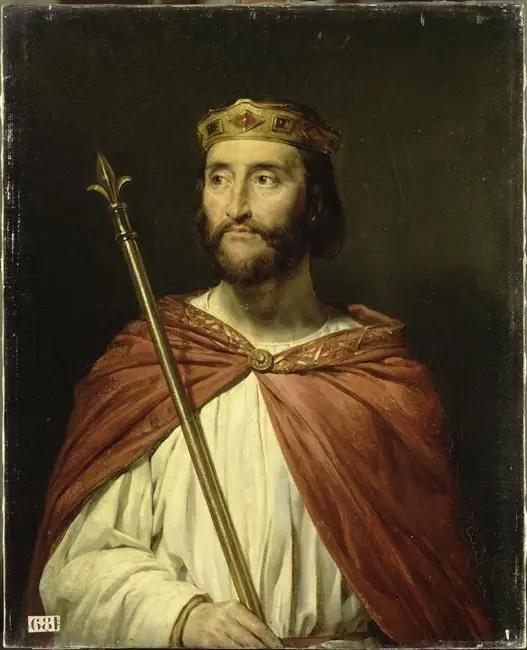
The scent of salt and fish, of foreign spices and unwashed wool, clung to the air thick as the late summer humidity. It was Constantinople, then, and the year 911. Not the grand, imperial Constantinople of gilded domes and marble, but the docks—a chaotic, polyglot tangle where a Viking chieftain, calling himself Oleg, stood. He wasn't there to raid this time, though his reputation, earned from countless campaigns, preceded him like a shadow. He was there to talk trade, a delicate dance between raw power and gilded diplomacy.

Oleg, likely in his late forties or early fifties, a man whose life had been measured in axe-strokes and plunder, now faced the envoys of Emperor Leo VI, known to history as “the Wise.” Leo himself, a scholar-emperor of 45, was likely cloistered in the Sacred Palace, leaving the unpleasantness of dealing with the formidable Rus to his trusted men. These were men like Basil, a mid-level court official, perhaps in his late thirties, whose hands were softer, his beard neatly trimmed, but whose mind was sharp, honed by years of Byzantine bureaucracy. He feared not Oleg’s physical prowess, but the wild, unpredictable force his people represented. The memory of the Rus fleet, 800 ships strong, battering the city walls just two decades prior in 860, still resonated in the collective memory, a chilling reminder of their capacity for destruction.

On a parchment of vellum, thick and expensive, the Byzantines had meticulously penned the terms. The Rus, those formidable Northmen who had carved out a state stretching from the Baltic to the Black Sea, were granted the right to trade freely within Constantinople, but with strict caveats. They were not to enter the city through the Golden Gate, but through a designated entrance. They could stay for no more than six months. And, crucially, they could not carry weapons within the city walls. They were to receive provisions from the imperial treasury: bread, wine, meat, fish, and baths for their stay. A kind of imperial hospitality, yes, but also a calculated measure to keep them fed, clean, and disarmed. Oleg’s men, a mix of Norse warriors, Slavic traders, and opportunistic adventurers, had seen the fabled wealth of Miklagard – the Great City – and craved its silks, its silver, its wine, more than they craved conquest, at least for now.

This wasn't just about furs and honey for Byzantine luxuries. It was about controlling the unruly, about turning a tide of invasion into a trickle of commerce. The treaty even stipulated that the Rus would provide military aid to the Byzantines when requested, effectively turning former aggressors into potential mercenaries. It was a pragmatic, if slightly humiliating, concession from an empire that still considered itself the center of the world. Imagine the quiet amusement of the Byzantine scribes, copying clauses that dictated how many loaves of bread a towering, weaponless Rus warrior was entitled to each day.

By September 2nd, the formalities were complete. The envoys, hands clean of battle, exchanged oaths. The Byzantines swore by the cross, the Rus by their gods Perun and Volos, and by their weapons, which lay conspicuously outside the treaty room. The document, a fragile bridge between two vastly different worlds, solidified a truce that had been building for years. It would be rewritten and revised over the following decades, each iteration a testament to the strange, symbiotic relationship between the sophisticated empire and the restless barbarians at its gates. Neither side fully trusted the other, yet both found themselves bound by the undeniable pull of profit and power, a dance that would shape the future of Eastern Europe for centuries to come.

Source: en.wikipedia.org/wiki/AD 911

Use the arrow keys to move between days

Browse the full archive →