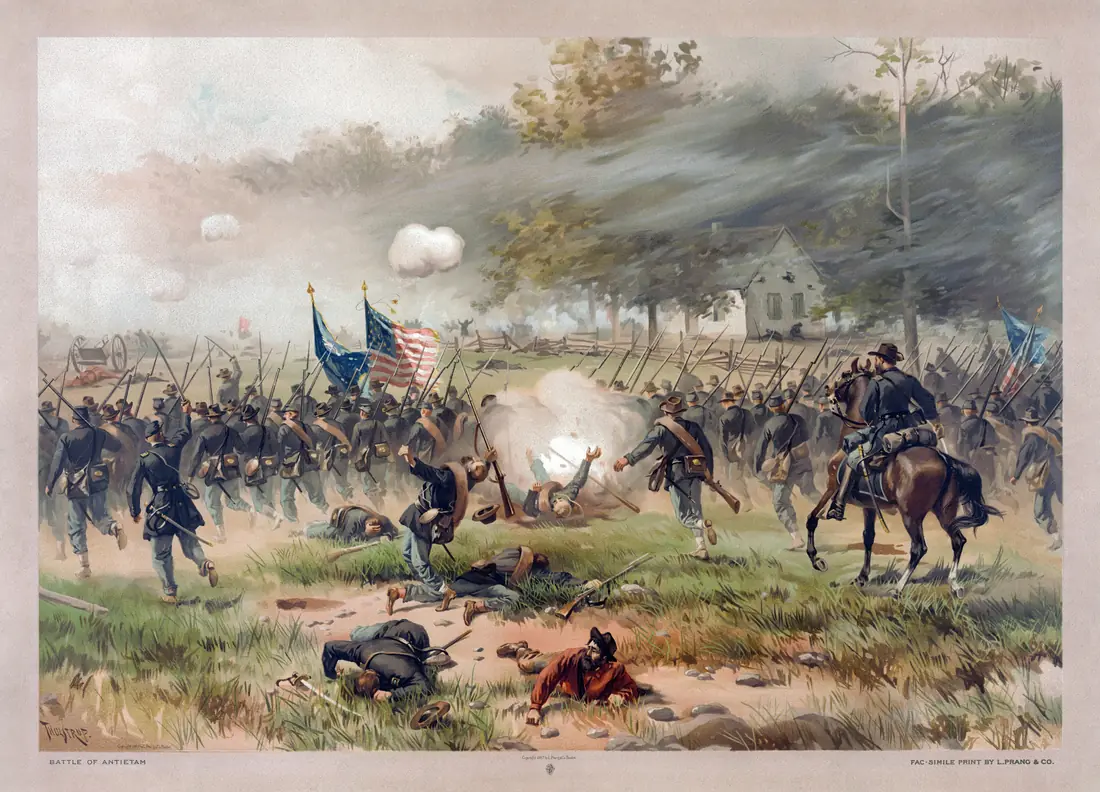
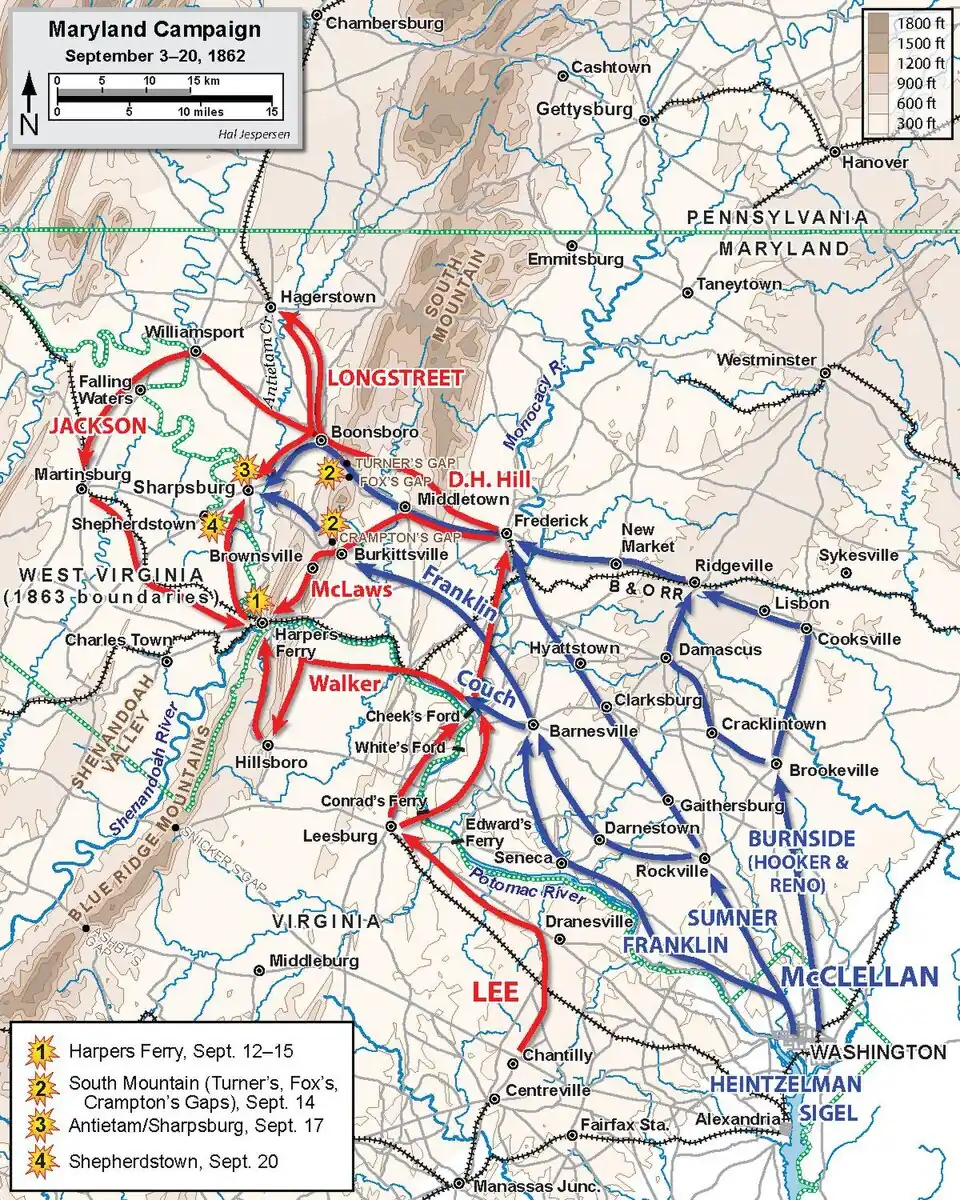
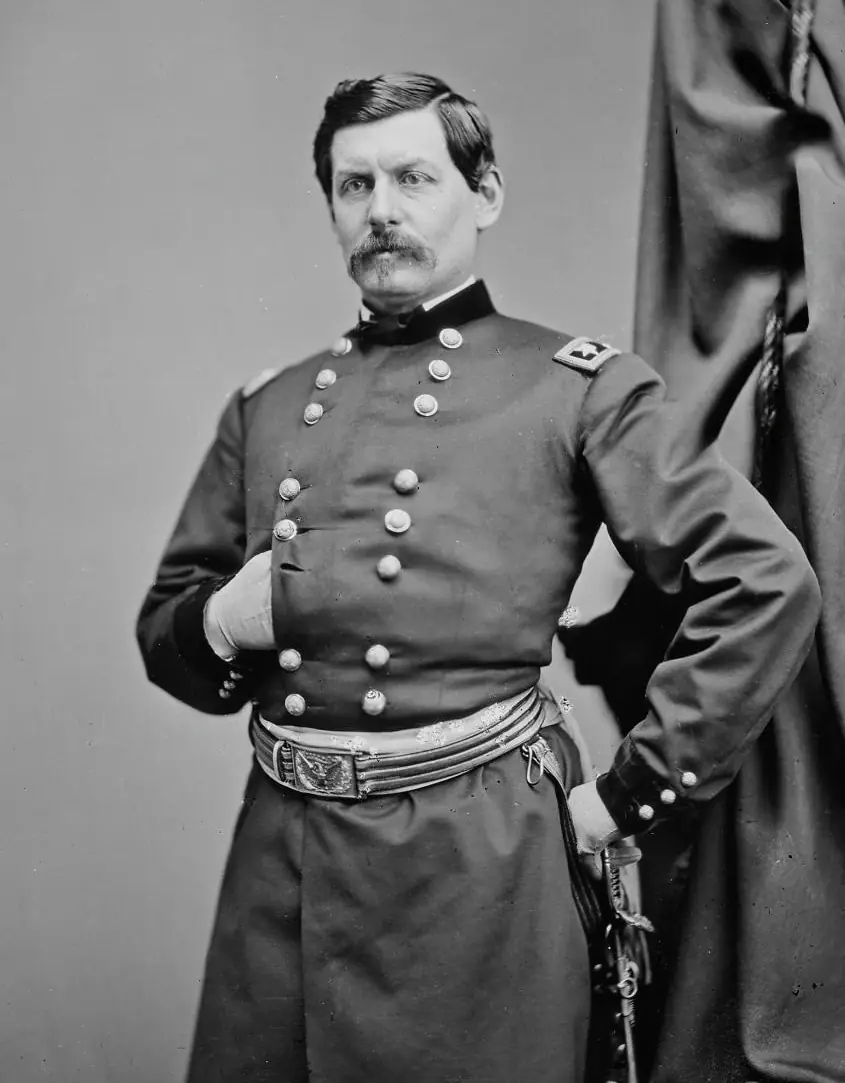
The Union army stopped General Robert E. Lee’s first offensive into the North on September 17, 1862. Before the battle the Confederate Army of Northern Virginia numbered about 55,000 men and had moved from Virginia into Maryland hoping to force a political settlement and gain supplies. The Union Army of the Potomac, under Major General George B. McClellan, fielded roughly 87,000 troops positioned near Sharpsburg, Maryland, and prepared to defend Washington, D.C. The Confederate plan called for a simultaneous assault on the Union left at dawn, a central attack across the Sunken Road, and a right‑flank strike later in the day. McClellan, unaware of the exact Confederate strength, deployed his forces in a series of defensive lines that forced Lee to fight on ground chosen by the Union.
The battle unfolded in three distinct phases. In the early morning, Union artillery opened fire on Confederate positions near the Hagerstown Turnpike, inflicting heavy casualties but failing to break the enemy line. Around mid‑day, the Confederates launched a massive charge on the Union left at the Sunken Road, a natural trench later called “Bloody Lane.” After intense hand‑to‑hand fighting, Union soldiers finally drove the Confederates back, but both sides suffered extreme losses. By late afternoon the Union right flank, commanded by Major General Ambrose Burnside, attempted a crossing of Antietam Creek but was repulsed, leaving the field essentially dead‑locked.
Casualties illustrate the battle’s scale. Union losses totaled 12,400 killed, wounded, or missing; Confederate losses were 10,300. The high death count, more than any single day in American warfare up to that point, reflected the dense concentration of troops and the ferocity of repeated attacks on narrow fronts. Both armies exhausted their ammunition and medical supplies, and the battlefield became a mass grave.
Strategically, the Union’s ability to hold the field forced Lee to withdraw his army back across the Potomac River. The retreat ended the Confederate invasion of the North and gave President Abraham Lincoln the confidence to issue the preliminary Emancipation Proclamation on September 22. The proclamation shifted the war’s purpose from preserving the Union to ending slavery, discouraging European powers from recognizing the Confederacy. In the immediate aftermath, the Union retained control of Maryland, preserving a critical border state, while the Confederacy lost the momentum that might have altered political negotiations in Washington.
The often‑overlooked cause of van Leeuwenhoek’s 1683 letter was his development of a single‑lens microscope that could magnify up to 270 times, a capability far beyond the compound microscopes of his contemporaries. In 1668 he fashioned a lens from a glass bead that he ground by hand, and by 1674 he had produced a microscope with a focal length of about 0.5 mm. This instrument allowed him to see structures that no one else could observe, and it was this technical breakthrough that prompted the Royal Society to request a report.
When the Society’s secretary, Henry Oldenburg, wrote to van Leeuwenhoek in early 1683 asking for a description of his findings, van Leeuwenhoek responded on 17 September with a detailed account of “animalcules” he had seen in a drop of pond water, a sample of his own saliva, and a thin film of vinegar. He described the organisms as moving, oval, and sometimes bearing tiny hairs. He noted that in a drop of water he counted about 30 visible organisms, each roughly 0.02 mm long, and that in his own saliva he observed roughly 15 similar bodies per cubic millimetre. These counts were recorded in the original Latin letter and were the quantitative evidence that convinced the Society of the reality of his observations.
The mechanism by which the microscope worked was simple but precise. Light entered the tiny glass sphere, which acted as a magnifying lens because of its curvature and the high refractive index of the glass. The lens produced an enlarged, inverted image that could be examined directly by the eye. Van Leeuwenhoek’s skill lay in grinding the sphere to an almost perfect spherical shape, eliminating aberrations that would blur the image. He mounted the lens in a brass holder and placed a tiny droplet of specimen on a glass slide, then adjusted the distance until the image came into sharp focus. No complex illumination system was used; ambient light reflected off the specimen provided sufficient illumination.
Oldenburg published a translation of the letter in the Philosophical Transactions in 1683, and the Royal Society announced the discovery of microscopic life to its members. The report sparked immediate interest among natural philosophers, leading to dozens of similar observations within the next decade. While some contemporaries doubted the existence of “animalcules, ” the reproducibility of van Leeuwenhoek’s technique eventually established microscopy as a reliable method for studying the invisible world. The letter therefore marks the formal beginning of microbiology, a field that would later enable the development of germ theory and modern medicine.
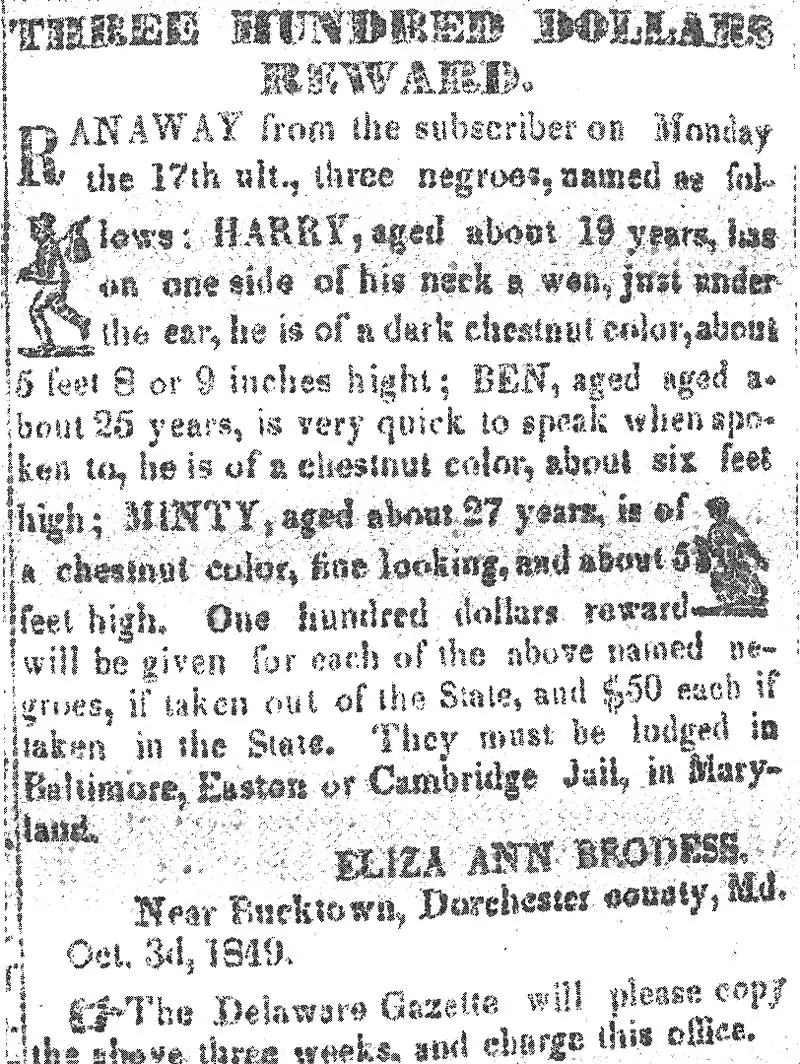
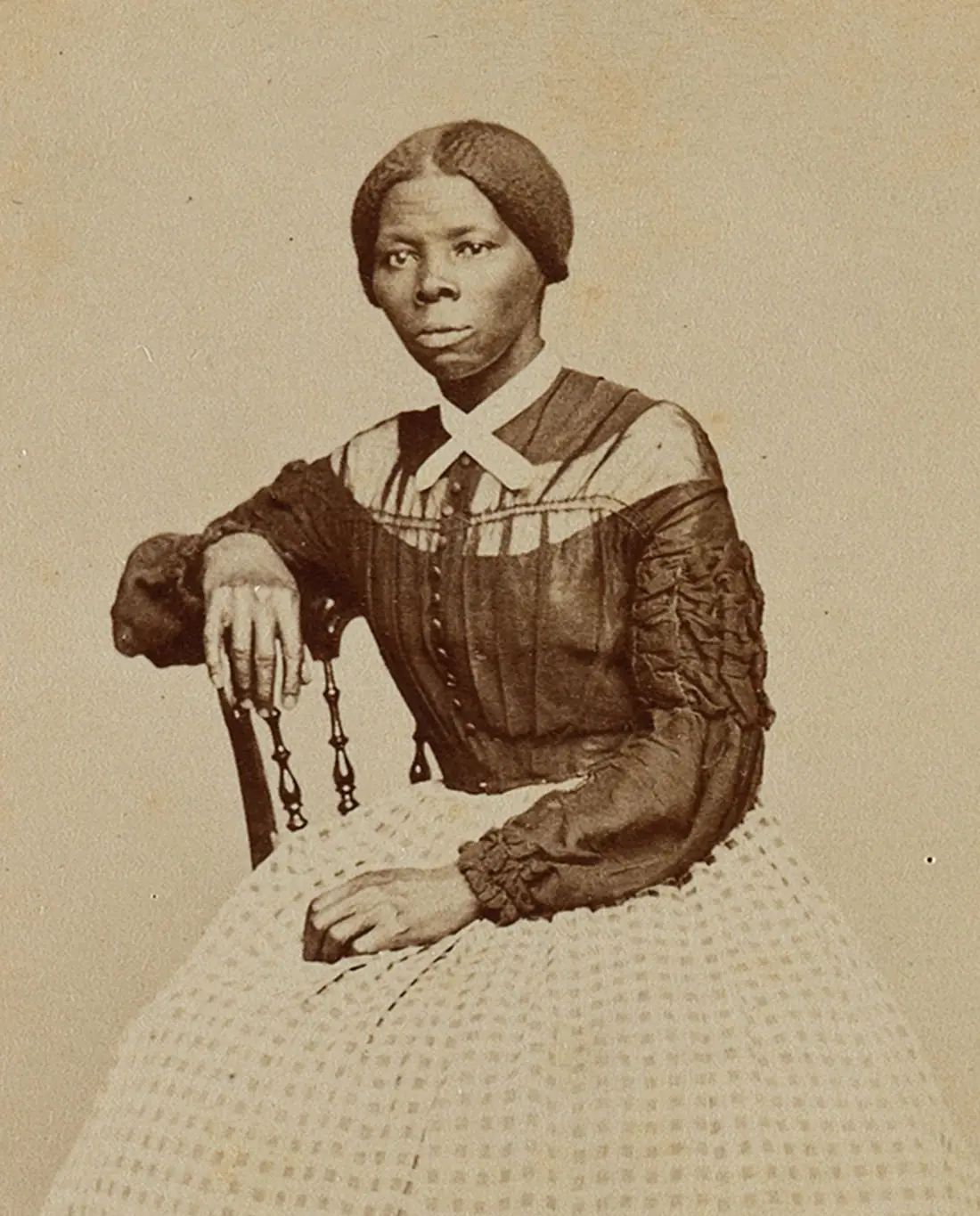
Harriet Tubman left her family home in Dorchester County, Maryland, on September 17, 1849, attempting to reach freedom in the North. She travelled northward on foot, hoping to join her husband, John, who had escaped two years earlier. The plan relied on a network of free Black residents and white abolitionists who provided shelter and directions along routes known as the Underground Railroad.
Tubman's attempt failed when she was discovered near the Pennsylvania border by a slaveholder who had been alerted by a neighbor. She was turned back to Maryland and placed under tighter surveillance, but she was not formally punished because no legal charge could be proved. The incident forced her to reconsider the risks of a solo escape and to study the structure of the clandestine network more closely.
In the months after the failed flight, Tubman began to assist other enslaved people, using the same routes that had almost carried her to freedom. By 1850 she had made her first successful return to Maryland, guiding three men to the North. Over the next decade she completed an estimated 13 trips, rescuing about 70 individuals and arranging safe passage for many more. Her knowledge of the terrain, relationships with conductors such as William Still, and ability to evade capture made her a central figure in the operation.
The broader impact of Tubman's first escape attempt lies in how it transformed her from a potential escapee into a conductor. Her experience highlighted the vulnerability of solitary journeys and underscored the need for organized assistance. The Underground Railroad expanded its coordination after 1849, adding more safe houses and increasing the number of volunteers in Maryland, Pennsylvania, and New York. By the start of the Civil War, the network had helped an estimated 3,000 enslaved people reach freedom, a growth partly attributed to Tubman's leadership.
Tubman's actions also influenced public perception of slavery. Newspaper reports of her repeated trips circulated in abolitionist pamphlets, reinforcing the moral urgency of the anti‑slavery movement. Politicians in the North cited her daring as evidence of the brutality of the slave system, which contributed to growing sectional tensions.
The direct consequence of the September 1849 attempt was Tubman's lifelong role as a conductor, which saved hundreds of lives and intensified the Underground Railroad's effectiveness, shaping the course of resistance to American slavery.
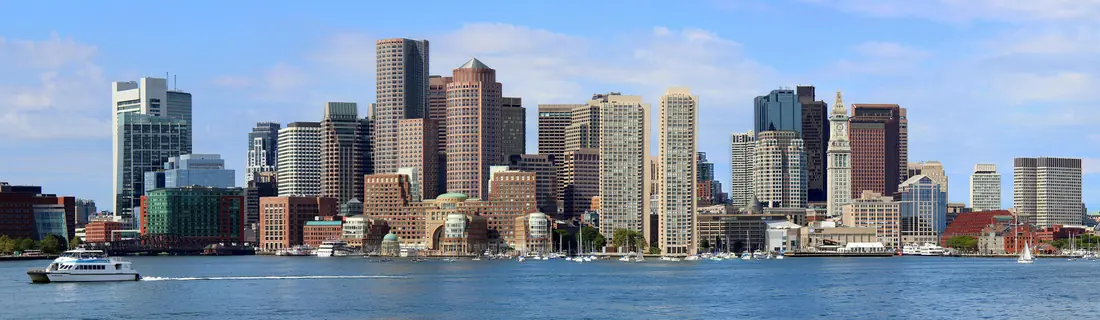
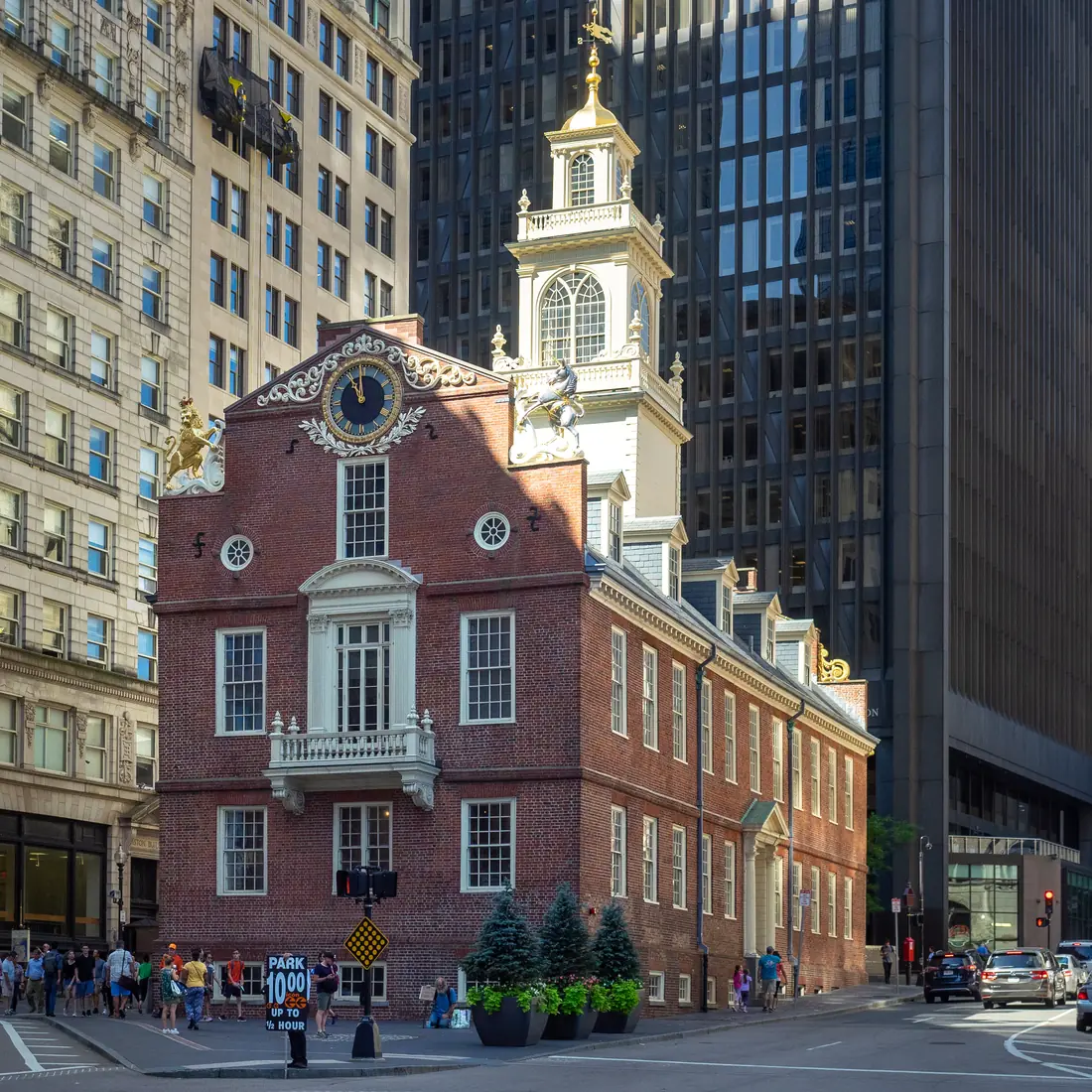
The 1630 founding of Boston marked the first organized, corporate settlement in New England, not the first English colony in the region. While Plymouth was established in 1620, Boston was created under a charter granted to the Massachusetts Bay Company, which gave its shareholders the right to self‑govern and to own land collectively. The charter was signed on March 4, 1629 and authorized a group of Puritan merchants and ministers to establish a plantation that would be governed by elected officials rather than by the Crown directly.
John Winthrop, elected governor of the company, led a fleet of eleven ships that left England in April 1630 with about 700 passengers, including families, artisans and soldiers. The fleet arrived at the Shawmut Peninsula in early June and began constructing a fortified settlement on a peninsula that offered a natural harbor. Winthrop’s journal records the first public meeting on June 12, when the settlers drafted a compact that pledged mutual support and obedience to civil authority; this document is the earliest known example of a written social contract in the colonies.
The settlers purchased the land from the local Naumkeag tribe, paying goods valued at roughly 300 pounds, a transaction recorded in the company’s ledgers. This purchase was later contested by other tribes, but the written deed provided a legal basis for English claims that was absent in earlier settlements. The charter required the colony to provide for its own defense, leading the settlers to build a wooden palisade and to organize a militia of about 150 men, sufficient to deter occasional raids.
Common belief holds that Boston’s founding was a spontaneous act of religious refugees, but the surviving company records show a deliberate financial and political strategy. The investors sought profit from trade with the interior, while the ministers aimed to create a community governed by their interpretation of Scripture. The dual motive is evident in the charter’s clauses that allowed the colony to levy taxes for public works and to enforce moral discipline through local courts.
The immediate effect was the rapid growth of a town of 300 households within two years, supporting a market for imported goods and for timber exported to England. Over the next century Boston became the administrative center of the colony, the site of the first printed newspaper in British America, and the launch point for the political movements that led to the American Revolution. The 1630 settlement thus transformed a remote coastal area into a self‑sustaining urban hub, a model that later colonies emulated across the continent.
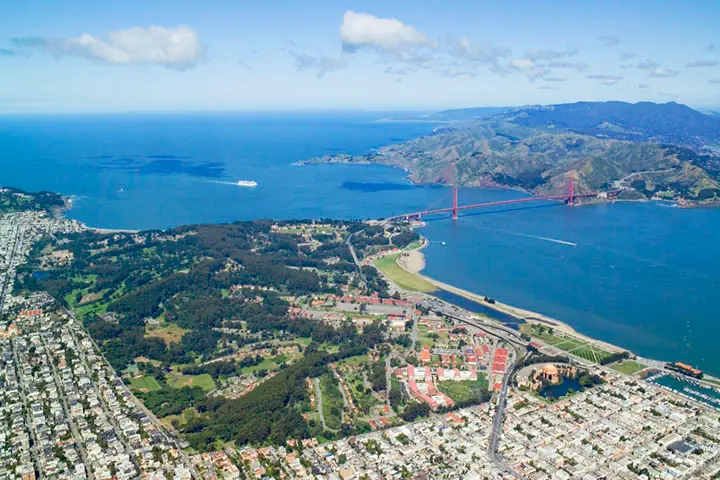
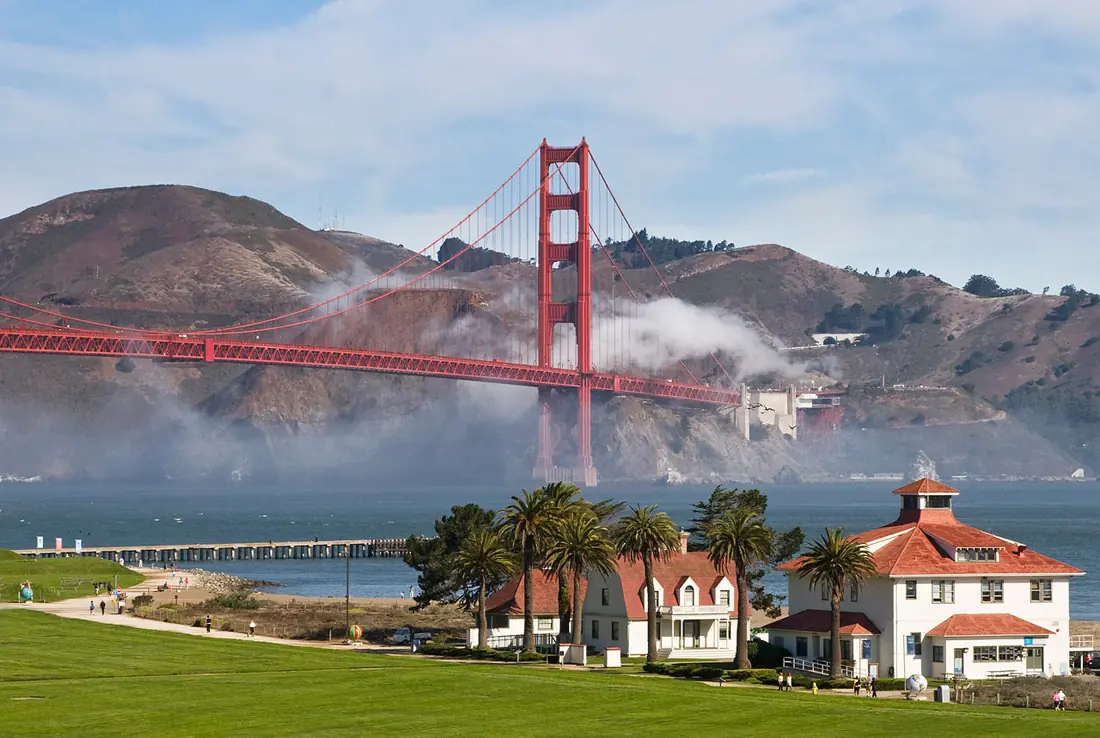
The Spanish Crown ordered a permanent military outpost on the northern tip of the San Francisco Bay on September 17, 1776. Lieutenant José Francisco Ortega led a party of 30 soldiers and 12 civilians to the site, where they raised a wooden cross and began construction of a fortification called the Presidio. The location was chosen because the bay offered a sheltered anchorage for ships and the surrounding hills provided a defensible perimeter against hostile forces.
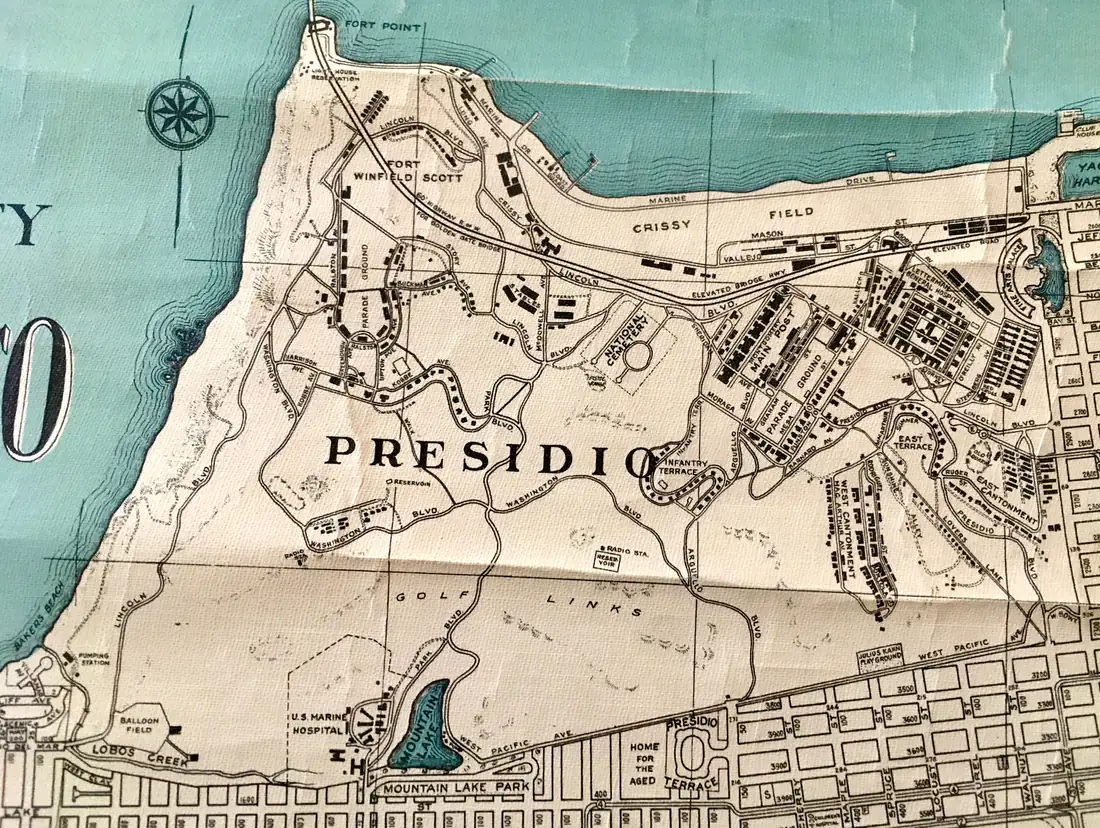
The initial plan called for a stone wall of 1.5 meters thickness surrounding a rectangular parade ground of roughly 100 by 150 meters. Labor was supplied by the soldiers, local indigenous laborers, and a small number of civilian families who arrived with the expedition. By the end of the first year, the wall reached a height of two meters on three sides, and a chapel dedicated to Saint Francis was completed in early 1777.
The Presidio was part of a broader Spanish strategy to secure Alta California against Russian expansion from the north and British interests on the Pacific coast. Funding came from the royal treasury, amounting to 1,200 silver pesos allocated for timber, stone, and tools. The cost forced the colony to divert supplies from the nearby Mission San Francisco de Asís, slowing its agricultural development.
In 1805 the post was reinforced with a battery of four cannons, each weighing 2,500 pounds, to protect the bay from potential naval threats. The garrison size grew to 150 men, and the Presidio became the administrative center for the region. When Mexico gained independence in 1821, the fort passed to Mexican control, but its military function remained unchanged.
The United States acquired California in 1848 following the Treaty of Guadalupe Hidalgo. The U.S. Army took over the Presidio in 1850, renaming it Fort Point and later simply the Presidio. Over the next century the installation expanded to cover 180 acres and housed up to 5,000 troops during World War II. The post was decommissioned in 1994 and transferred to the National Park Service, preserving the original 1776 structures as historic landmarks.
The establishment of the Presidio in 1776 created the first permanent European military presence on the San Francisco Peninsula, anchored Spanish colonial ambitions and later shaping the strategic value of the harbor for both Mexican and American forces.