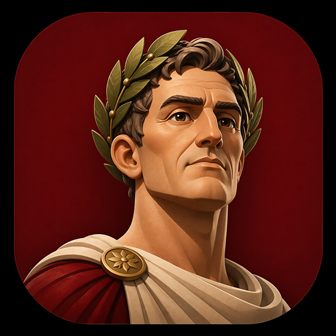
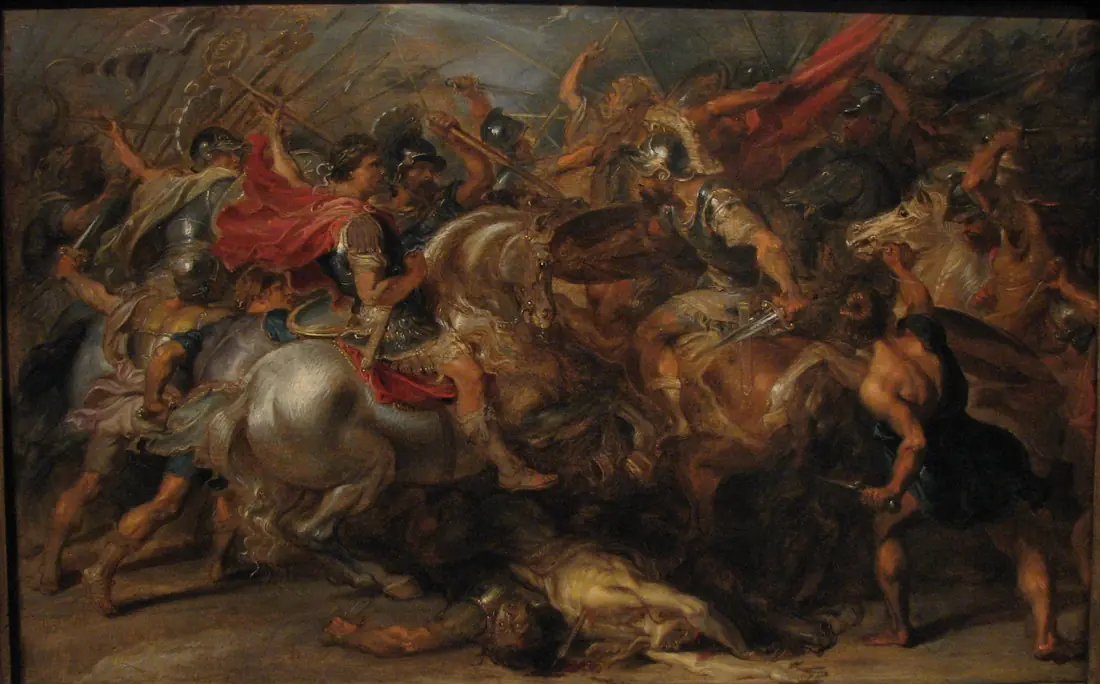
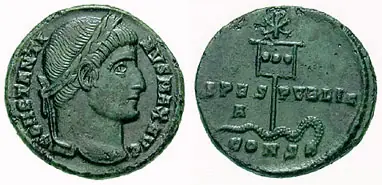
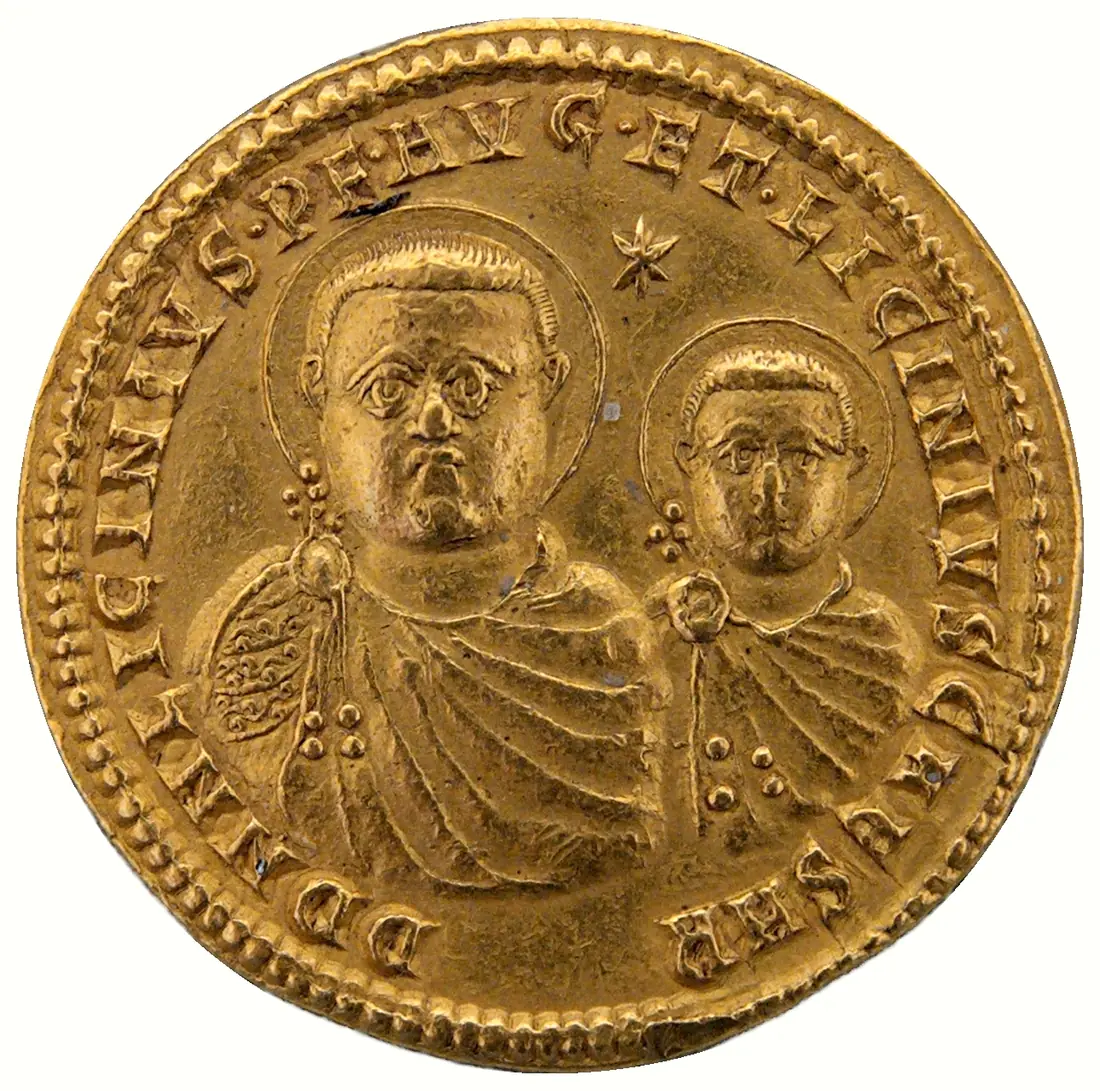
Constantine I defeated Licinius at Chrysopolis, ending the civil war that had divided the Roman Empire since 311. The battle took place on the Bosporus near modern Istanbul and involved Constantine’s veteran legions from the West and Licinius’s forces drawn from the Eastern provinces. Constantine crossed the strait with a fleet of 500 ships, many equipped with reinforced hulls and catapults, while Licinius defended the shore with an estimated 30,000 infantry and 2,000 cavalry. The imperial army under Constantine deployed a coordinated assault: infantry advanced along the shoreline, cavalry swept around the enemy flank, and archers provided suppressive fire from the ships, breaking the Eastern line after three hours of fighting.
The decisive factor was Constantine’s control of the sea lane, which prevented Licinius from receiving reinforcements from Asia Minor. Contemporary sources record that of Licinius’s 30,000 troops, about 12,000 were killed or captured, while Constantine’s losses were under 5,000, a disparity that forced Licinius to flee. Licinius surrendered a few days later and was executed in 326, leaving Constantine as the sole ruler of a realm that stretched from Britain to Mesopotamia.
Unifying the empire allowed Constantine to implement reforms that affected millions. He reorganized the tax system, replacing the complex tribute quotas with a more uniform assessment that increased state revenue by an estimated 20 percent. The increased funds supported the construction of new roads, bridges, and public works, improving trade routes that moved grain and manufactured goods across the empire. Military reforms introduced a standing field army of 50,000 men, reducing reliance on local levies and stabilizing frontier defenses.
Perhaps the most far‑reaching consequence was Constantine’s promotion of Christianity. With no rival emperor to oppose his policies, he issued the Edict of Milan in 313 and later convened the Council of Nicaea in 325, establishing doctrinal uniformity. By the end of his reign, Christian churches were present in most major cities, and the faith gained legal protection that altered the religious landscape for an estimated 50 million subjects. The political unity achieved at Chrysopolis therefore reshaped administrative, economic, and religious structures, setting the foundations for the later Byzantine state and influencing Western Europe for centuries.
The battle’s immediate outcome was the elimination of a rival claim to the throne, but its lasting impact was the creation of a centrally governed empire that could fund large public projects, maintain a professional army, and endorse a single religion, changes that affected the daily lives of countless citizens for generations.
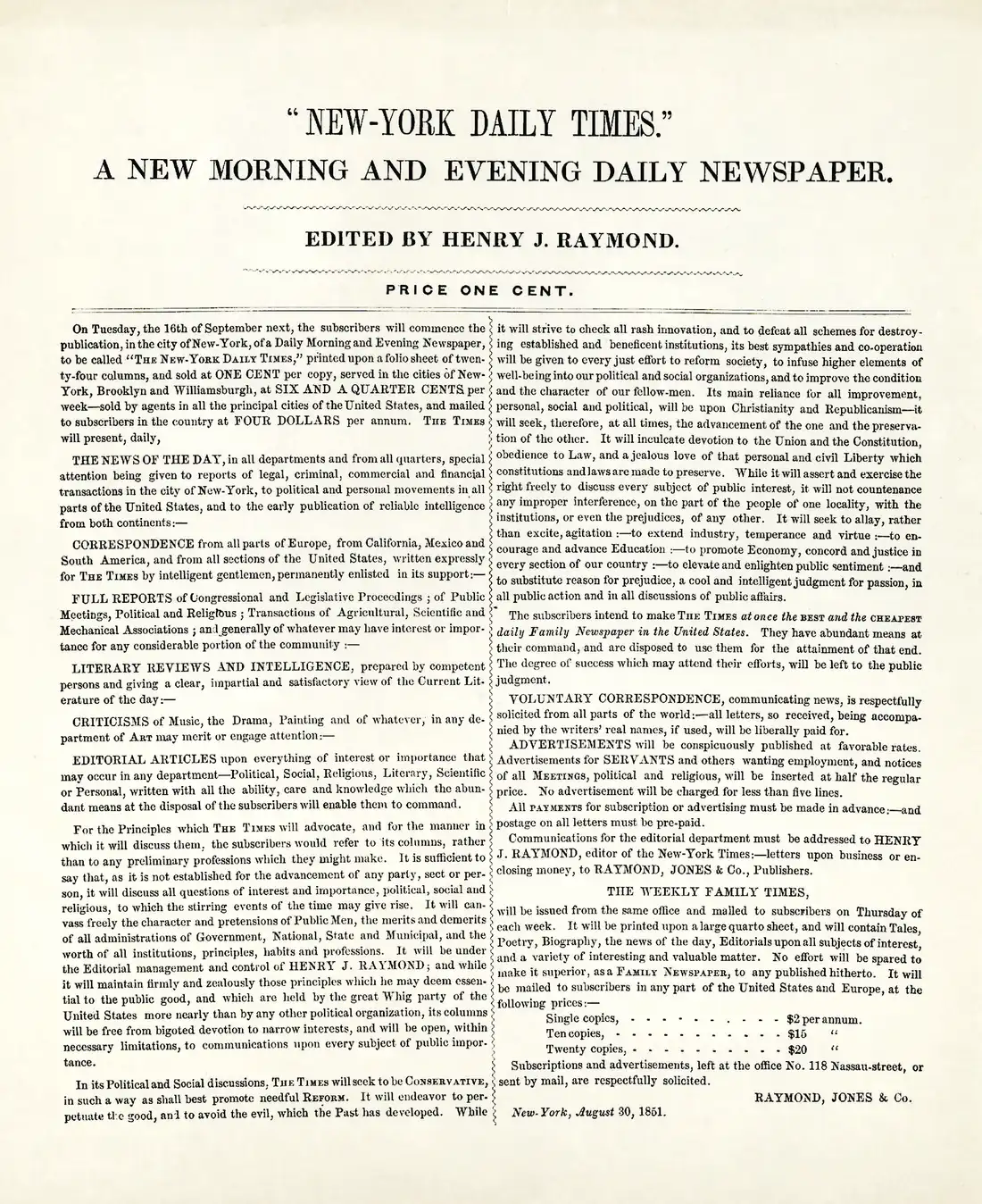
Before September 1851 New York City hosted a crowded newspaper market. In 1840 there were ten daily papers, and by 1850 the number had risen to fourteen, each competing for a literate audience of about 300,000 residents. Most papers were partisan, aligning with political parties, and few offered the kind of neutral reporting that modern readers expect.
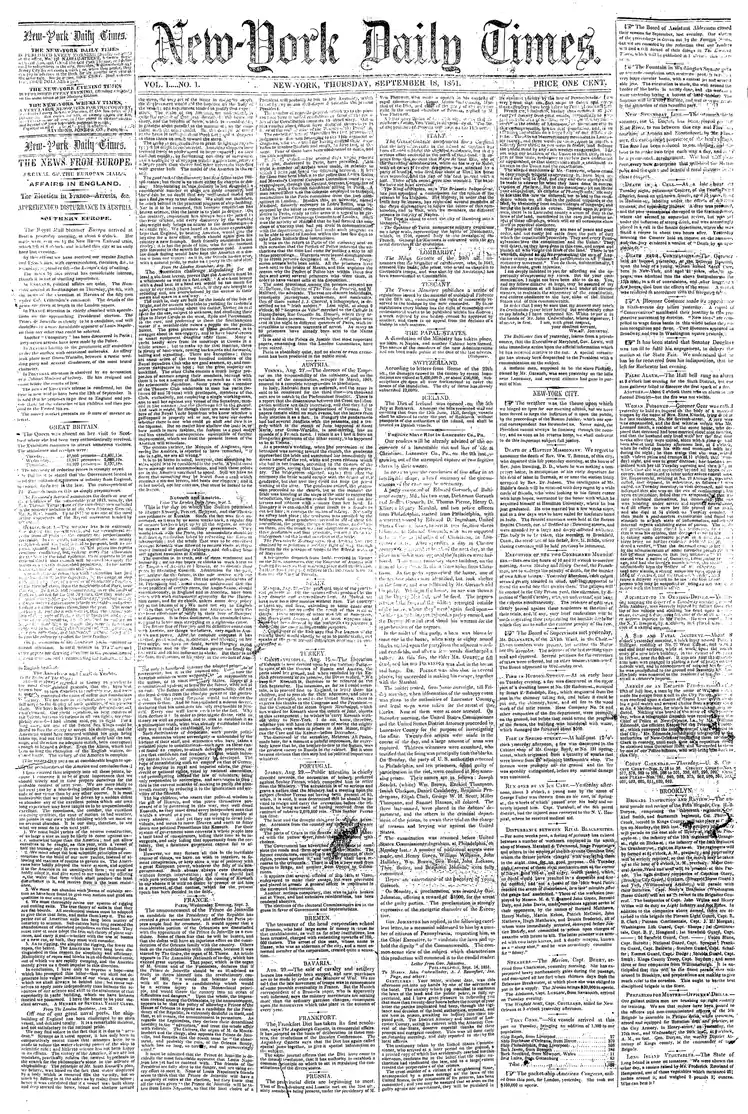
On September 18 1851 the New‑York Daily Times released its inaugural issue. It was founded by journalist Henry Jarvis Raymond, a former Whig party official, and publisher George Jones, who provided the capital. The paper cost two cents per copy and an initial print run of two thousand copies was distributed from offices at 113 Nassau Street. The front page featured a report on the recent opening of the New York Crystal Palace and an editorial titled "The Need of Impartiality" in which Raymond argued that news should be presented without party bias. Within the first week circulation rose to three thousand, indicating immediate reader interest.
The paper's early business model relied on advertising revenue from local merchants and a subscription base that grew to five thousand by the end of the first year. Raymond instituted a newsroom hierarchy that separated reporters from editors, a practice that reduced editorial interference in factual reporting. By 1855 the Daily Times had increased its page count from four to six and expanded distribution to other eastern cities via the Pennsylvania Railroad. In 1857 the paper shortened its name to The New York Times, a title that would become globally recognized.
The establishment of the Times introduced a durable model of objective journalism in the United States. Its emphasis on fact‑checking and avoidance of partisan slogans attracted a middle‑class readership and set a standard that other newspapers later adopted. Over the following decades the paper won multiple Pulitzer Prizes, covered major events such as the Civil War and the moon landing, and helped shape public discourse. The first issue therefore marked the beginning of an institution that would influence both American media practices and international news reporting.
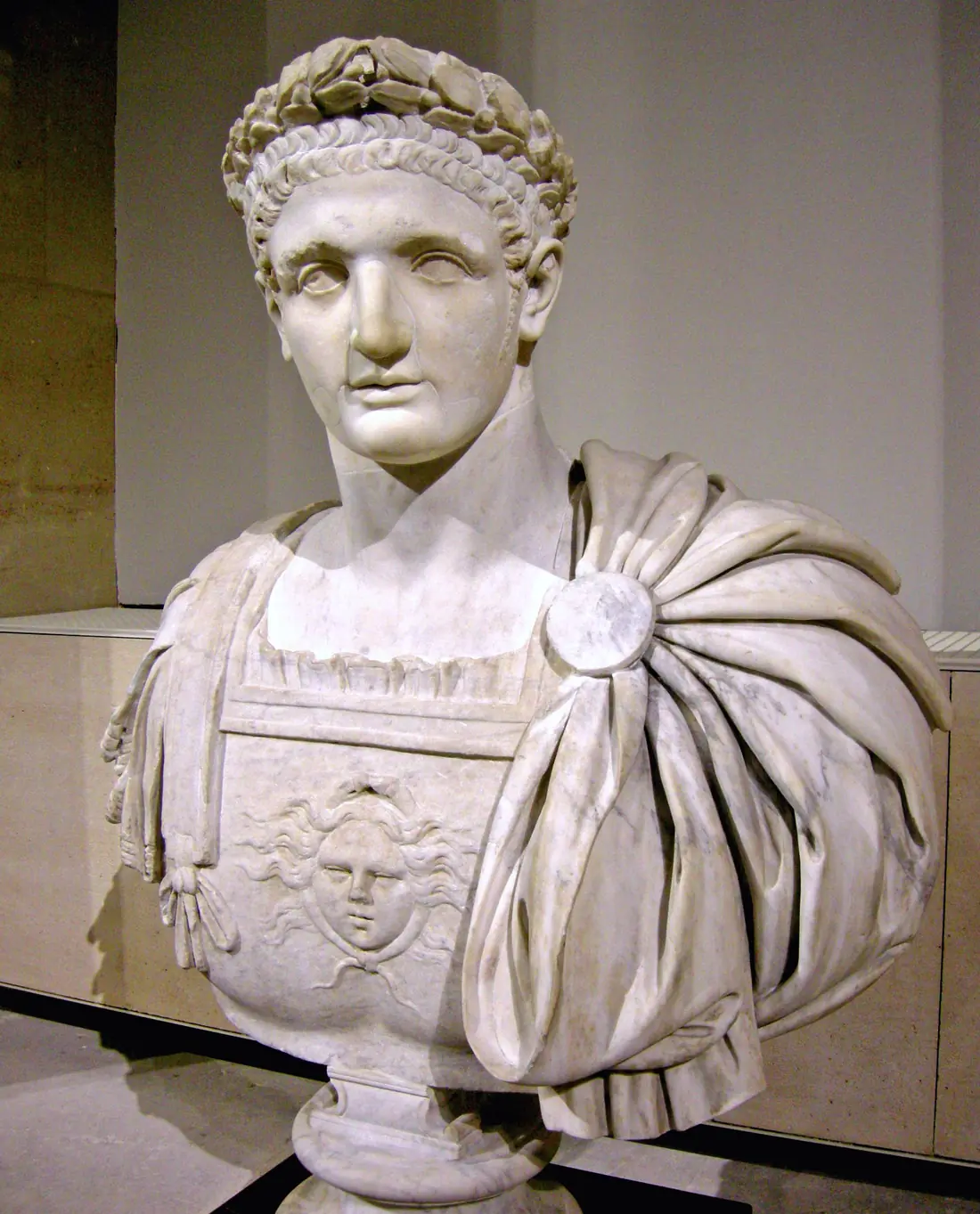
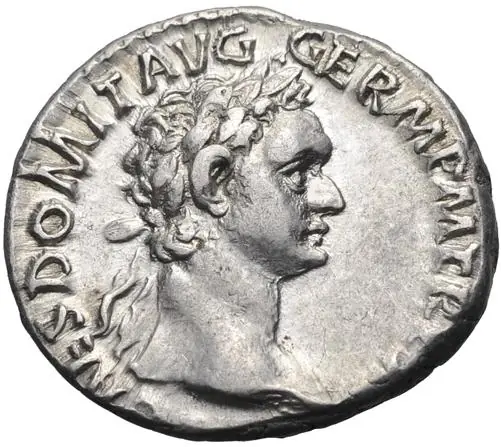
Emperor Domitian was killed by a group of palace officials on September 18, 96, ending a reign that had become increasingly autocratic. The conspirators, led by the chamberlain Parthenius and the praetorian prefect Petronius, entered the imperial apartments while Domitian was attending a banquet and stabbed him to death. Ancient sources such as Suetonius and Cassius Dio record that the assassins acted because Domitian had demanded costly public works, imposed harsh taxes, and executed perceived opponents without trial. The murder was not a popular uprising; it was a closed‑circuit plot among senior court members who feared loss of their own positions.
Before the assassination, Domitian held absolute control over the Roman army, the Senate, and the imperial finances. He had increased the size of the standing army to about 125,000 soldiers and required each legion to contribute to building projects, raising the annual imperial expenditure to roughly 1.2 billion sestertii. The Senate, which traditionally advised the emperor, had been reduced to a ceremonial role, meeting only when summoned and often receiving orders rather than offering counsel. Provincial governors reported directly to the emperor, and tax assessments were enforced by imperial agents.
The immediate replacement was Nerva, a 71‑year‑old former consul who had retired from public life. Nerva was chosen by the Senate because he was seen as a moderate and because the conspirators needed a figure who could legitimize the transition without provoking the army. He inherited the same territorial boundaries of the empire, the same legions, and the same tax system, but he altered the balance of power by restoring a degree of senatorial authority. Within weeks he convened the Senate, allowed it to debate imperial policy, and promised to respect traditional Roman legal procedures. He also adopted a policy of adopting a successor rather than relying on biological inheritance, a move that later emperors would follow.
The assassination did not cause a civil war; the legions in Germany and Britain accepted Nerva after a brief hesitation, and the eastern provinces continued to send tribute as before. The most concrete outcome was the shift from Domitian’s personal dictatorship to a more collaborative imperial model, which set a precedent for the subsequent “Five Good Emperors" period. This change in governance style reduced the immediate risk of further palace coups and contributed to a decade of relative stability in the empire.
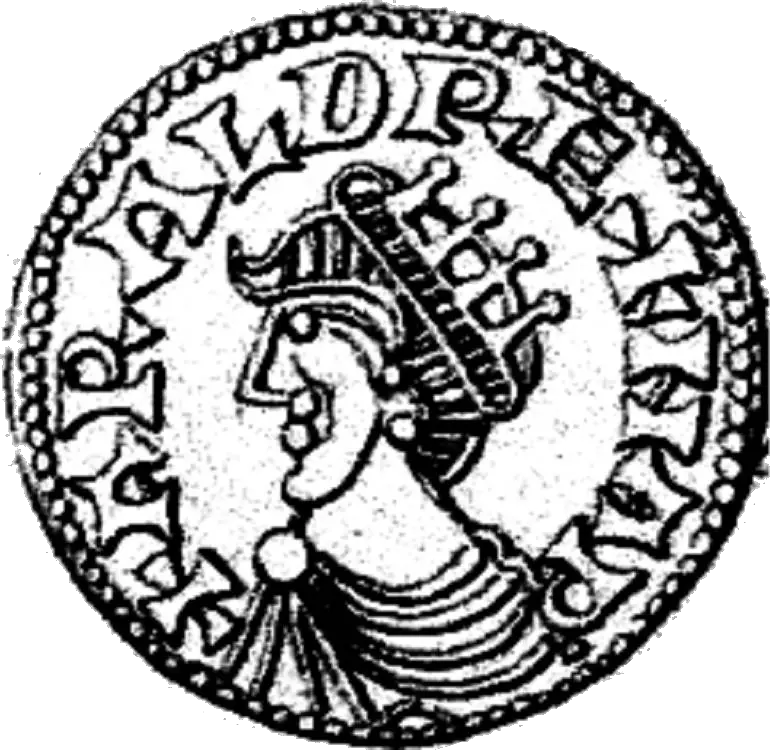
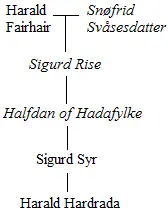
Harald Hardrada arrived at the Humber estuary with a fleet of about 300 ships and an estimated 10,000 men. The fleet landed on 18 September 1066 after a crossing from Norway that lasted several weeks. Harald's claim to the English throne derived from an agreement with King Harthacnut of England in 1042, which he believed gave him a legitimate right after the death of Edward the Confessor.
The invasion force was joined by Tostig Godwinson, the exiled brother of the English king Harold Godwinson. Tostig brought a contingent of roughly 2,000 men drawn from northern England and Scotland. Their plan was to advance inland, link with local supporters, and force Harold Godwinson to fight on two fronts. The Humber offered a navigable entry point close to the kingdom's heartland and allowed rapid disembarkation of troops and supplies.
Harald organized his army into traditional Viking units called housecarls, each equipped with a round shield, a spear, and a seax. The housecarls numbered about 5,000 and formed the core of the fighting force. The remaining troops were comprised of infantry levies and cavalry, the latter mounted on horses imported from Scandinavia. Supply lines relied on the fleet, which remained in the estuary to transport food, weapons, and fresh water.
Harald's forces moved northward toward York, capturing the city after a brief siege that lasted three days. Contemporary chroniclers record that the defenders suffered approximately 500 casualties while the attackers lost about 300 men. The capture of York gave Harald control of a major political and economic centre and forced Harold Godwinson to march his army north from London.
The arrival of Harald Hardrada marked the first time a foreign monarch attempted a large‑scale amphibious invasion of England since the Norman conquest of 1066. Prior to this, English defence relied on repelling raids rather than confronting a coordinated landing force. Harald's invasion demonstrated that a well‑supplied fleet could deliver a standing army capable of seizing a major city, a capability that would later be emulated by other European powers.
The immediate consequence of the landing was the Battle of Stamford Bridge on 25 September 1066, where Harold Godwinson defeated Harald's army and killed the Norwegian king. The defeat eliminated the northern threat and forced Harold to redirect his forces southward, where he later faced William of Normandy at the Battle of Hastings. Harald's invasion therefore directly shaped the succession of the English crown and the political landscape of medieval Europe.
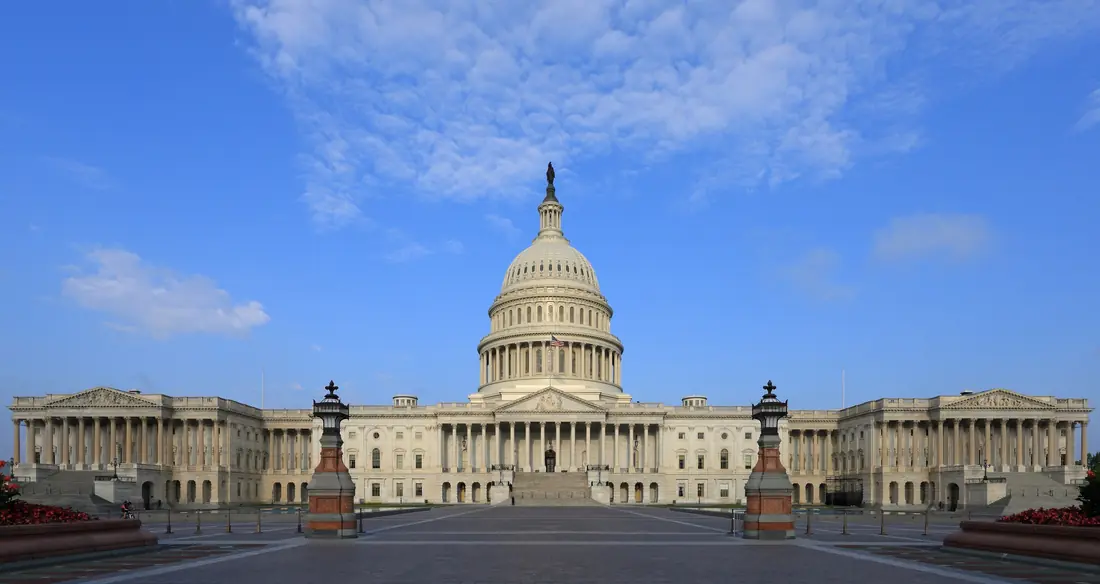
George Washington, then 61 years old and serving as the first President of the United States, placed the first cornerstone of the United States Capitol on September 18, 1793. The ceremony was part of the implementation of the Residence Act of 1790, which required the federal government to move to a newly created district and to provide a permanent building for the Congress. The law gave the President authority to acquire land, appoint a surveyor and commission the design of the federal city.
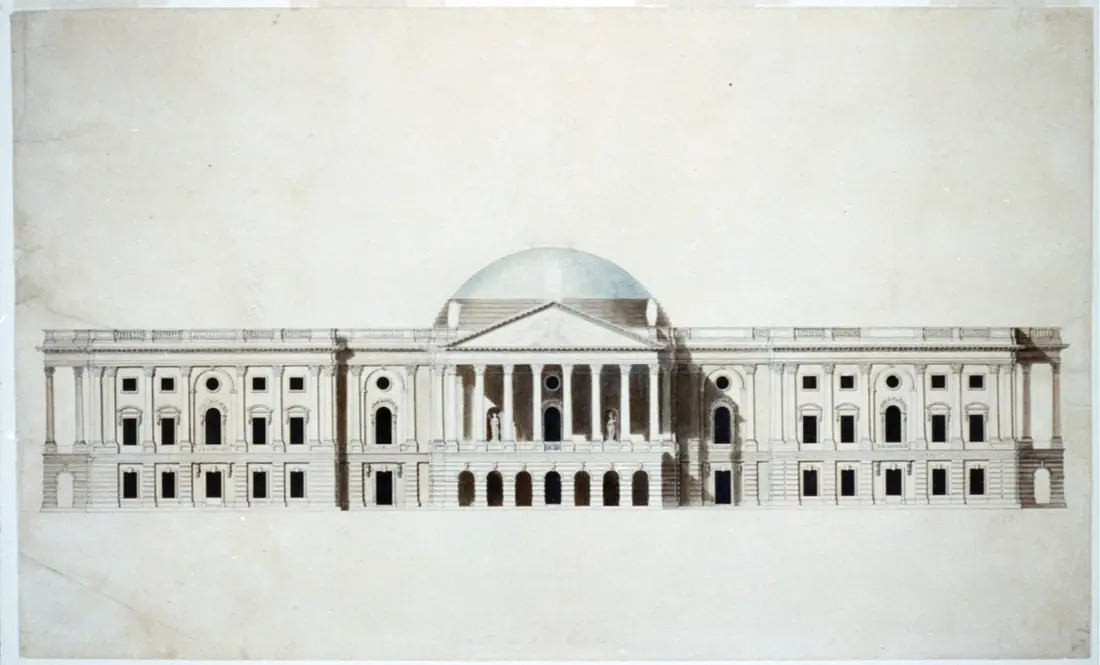
President Washington appointed Pierre Charles L'Enfant as the city planner and directed the Board of Commissioners, chaired by Thomas Jefferson, to oversee the project. The design of the Capitol was selected through a competition; William Thornton, a 38‑year‑old architect, won with a neoclassical plan that called for a central dome and two wings. Thornton was then appointed the first Architect of the Capitol and was responsible for translating the design into construction documents.
During the cornerstone ceremony, Washington used a silver trowel to set a stone measuring about two feet long and three feet wide. Inside the stone a copper box was placed containing a copy of the Constitution, a copy of the Declaration of Independence, a portrait of Washington, and a copy of the Residence Act. The box and its contents were recorded in the minutes of the Board of Commissioners, providing a primary source for the event.
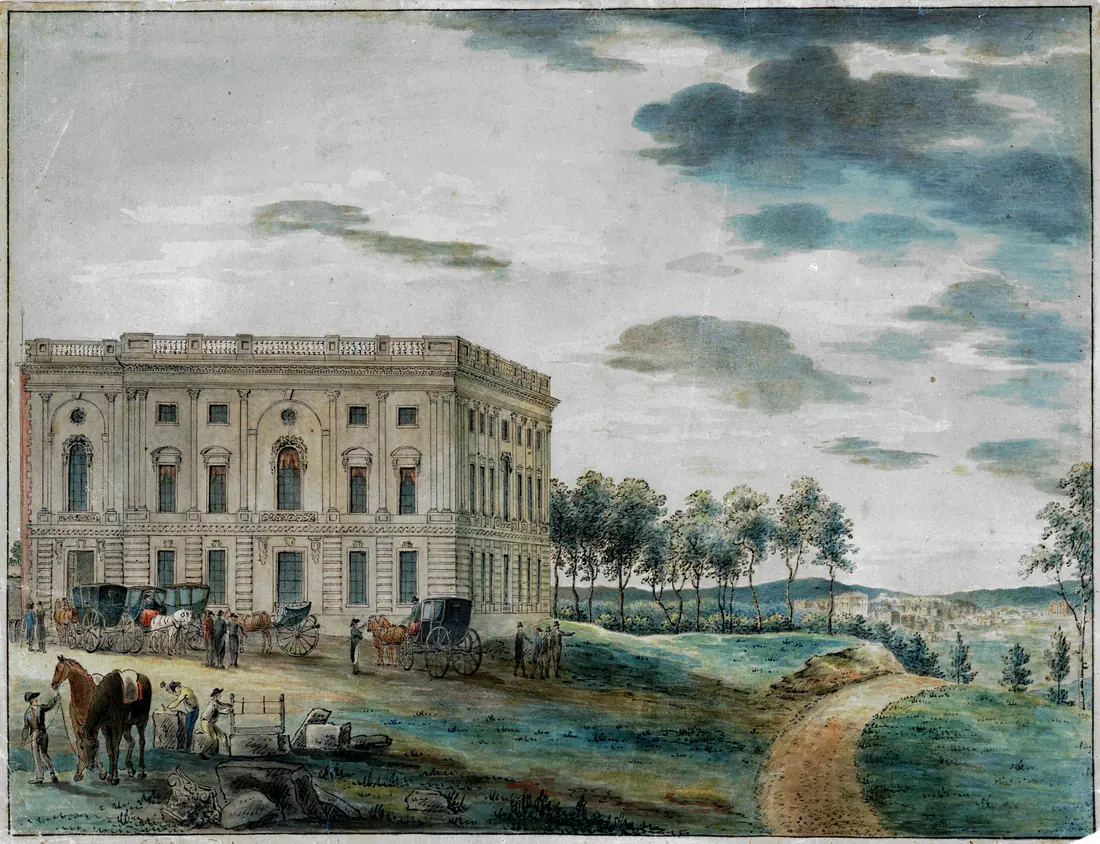
The laying of the cornerstone also involved the Federal Marshal, Robert T. Hooe, who supervised the security of the site, and the Capitol's chief mason, John McMullin, who directed the laborers. Approximately 150 workers, including stonecutters and carpenters, were present to witness the President's act and to begin the excavation of the building's foundation. The construction contract was awarded to the firm of James Hoban, a 33‑year‑old Irish immigrant who would later design the White House, showing the interconnected nature of early federal building projects.
The cornerstone ceremony marked the formal start of a building program that would take more than 30 years to complete. By 1800 the lower house of the Capitol was occupied, allowing the new Congress to meet in the capital city. The Capitol has since become the symbolic seat of the legislative branch and a focal point for national ceremonies, a role that directly stems from Washington's initial act of laying its first stone.