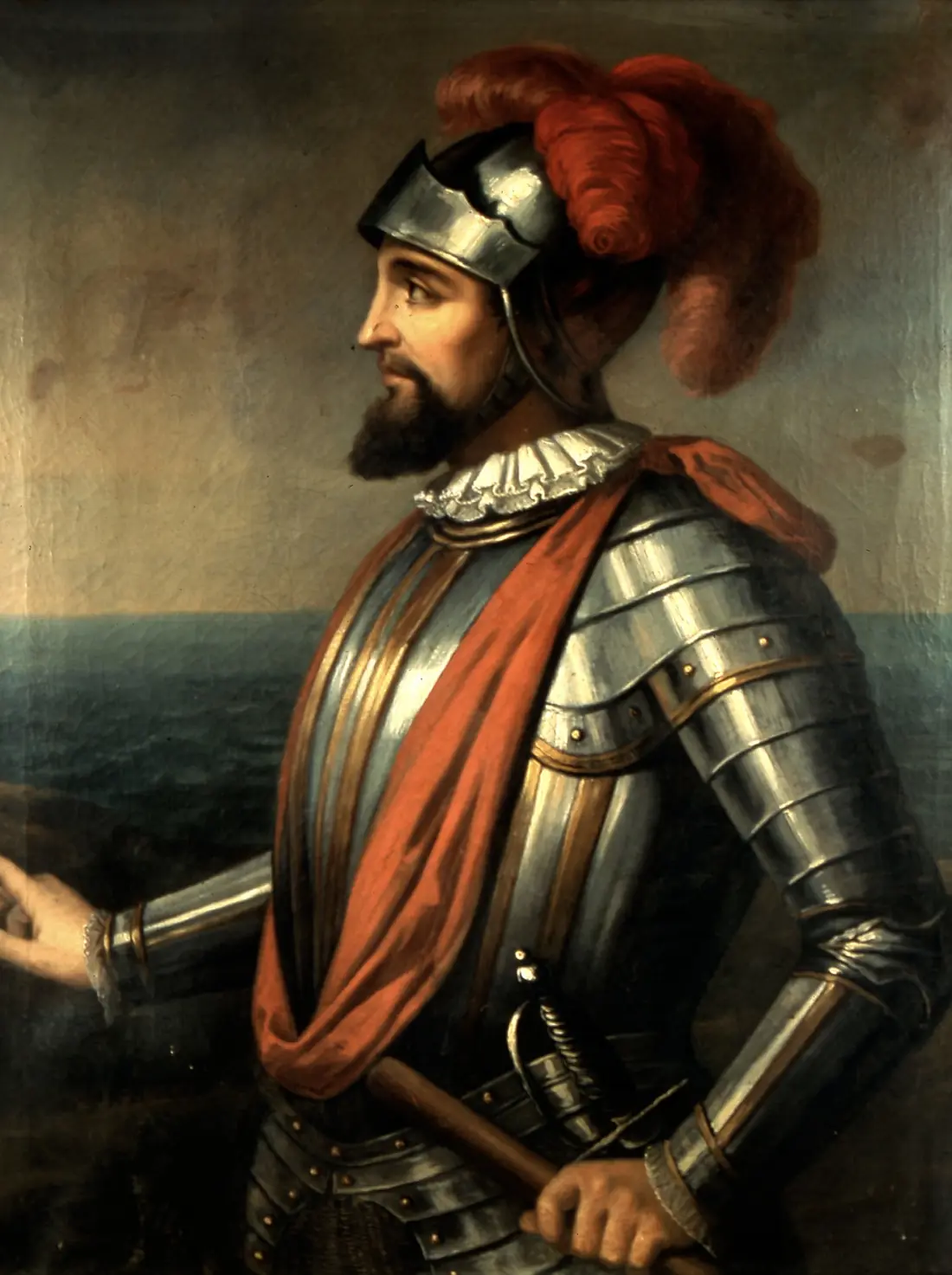
Vasco Núñez de Balboa reached the western shore of the Isthmus of Panama and saw the Pacific Ocean, a body of water previously unknown to Europeans in the New World. The expedition began after the Spanish Crown granted Balboa a license to explore and to claim any new lands for the king. The license, issued in 1513, specified that any territory discovered would become part of the Castilian empire and that the expedition could be funded from the treasure already gathered in the settlement of Santa María la Antigua del Darién.
Balboa assembled a party of about 190 men, including soldiers, a few dozen indigenous guides, and a handful of muleteers. They departed Darién on September 19, 1513, and followed a route that skirted the dense rainforest for roughly 50 kilometers to the summit of a low mountain known to the locals as Cerro de la Cruz. The group carried three cannons, a few hundred pesos in gold dust, and limited food rations, which forced them to hunt and barter with the Guna people they encountered.
On the morning of September 25, Balboa and his men stood on the summit and observed a vast, calm sea stretching to the horizon. Balboa named it the Mar del Sur, meaning South Sea, and recorded the sighting in a written report sent to the governor of Hispaniola, Diego Columbus. The report noted the sea’s width as at least 1,200 nautical miles and its waters as a deep blue unlike the Caribbean. Balboa claimed the entire coastline for Spain, raised a standard, and ordered the construction of a small fort to mark the claim.
The immediate consequence was the Spanish Crown’s decision to send larger fleets to the Pacific coast, leading to the founding of Panama City in 1519 and the eventual conquest of the Inca Empire. The sighting also disproved the prevailing belief that the New World consisted only of a single oceanic basin and opened the possibility of a westward route to Asia. Over the next century, the Pacific became a regular conduit for Spanish treasure ships, and the term “Pacific” entered European geography as a distinct ocean. Balboa’s expedition thus transformed European geographic knowledge and set the stage for the era of trans‑Pacific exploration and colonization.
Before September 1789 the United States operated under the Articles of Confederation, a loose agreement that gave most power to the states and left the national government without authority to protect individual liberties. The Constitution, ratified in 1788, created a stronger federal structure but omitted any explicit guarantee of rights, prompting strong opposition from Anti‑Federalists who argued that without such protections citizens were vulnerable to government overreach.
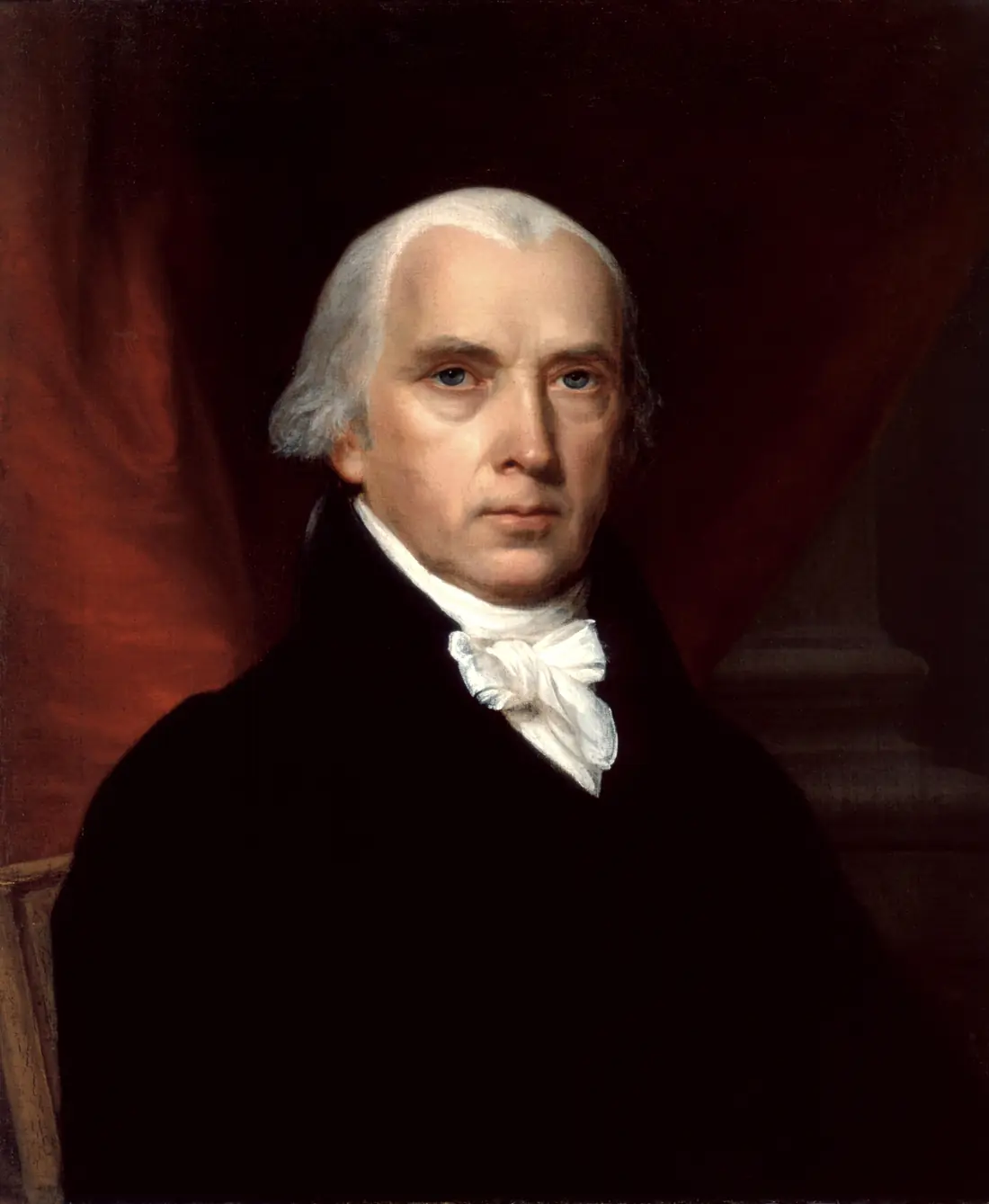
In the first Congress, James Madison took the lead in drafting a series of amendments to address these concerns. Madison presented a proposal of twelve amendments to the House on June 8 1789; the Senate revised it to ten and sent the final text to the states on September 25 1789. The mechanism required a two‑thirds vote in both chambers and ratification by three quarters of the states, meaning at least nine of the thirteen then‑existing states had to approve.
The House approved the amendments by a vote of 63 to 40 and the Senate by 24 to 12. After the congressional approval, each state legislature considered the proposal. By December 15 1791 ten of the twelve amendments had been ratified by the required nine states, becoming the Bill of Rights. The two rejected amendments dealt with congressional pay changes and a larger number of constituents per representative.
The adoption of the Bill of Rights established a legal framework that limited federal power and enumerated specific personal freedoms, such as freedom of speech, press, religion, the right to bear arms, and protection against unreasonable searches and seizures. These ten amendments have been cited in over 2,500 Supreme Court decisions and remain the foundation for most civil liberty debates in the United States today.
Harald Hardrada arrived in England with an estimated force of 10,000 men after sailing from Norway on September 24, 1066. The fleet covered roughly 600 miles across the North Sea in about three days, a speed recorded in the Anglo‑Saxon Chronicle. Their objective was to claim the English throne, a claim based on a supposed agreement with the previous king Edward the Confessor.
King Harold Godwinson marched his army from London to York, covering approximately 190 miles in less than three days according to the Anglo‑Saxon Chronicle. He left behind a garrison of about 5,000 men to defend the southern coast against William of Normandy, a decision that split his forces but allowed a rapid response to the northern threat.
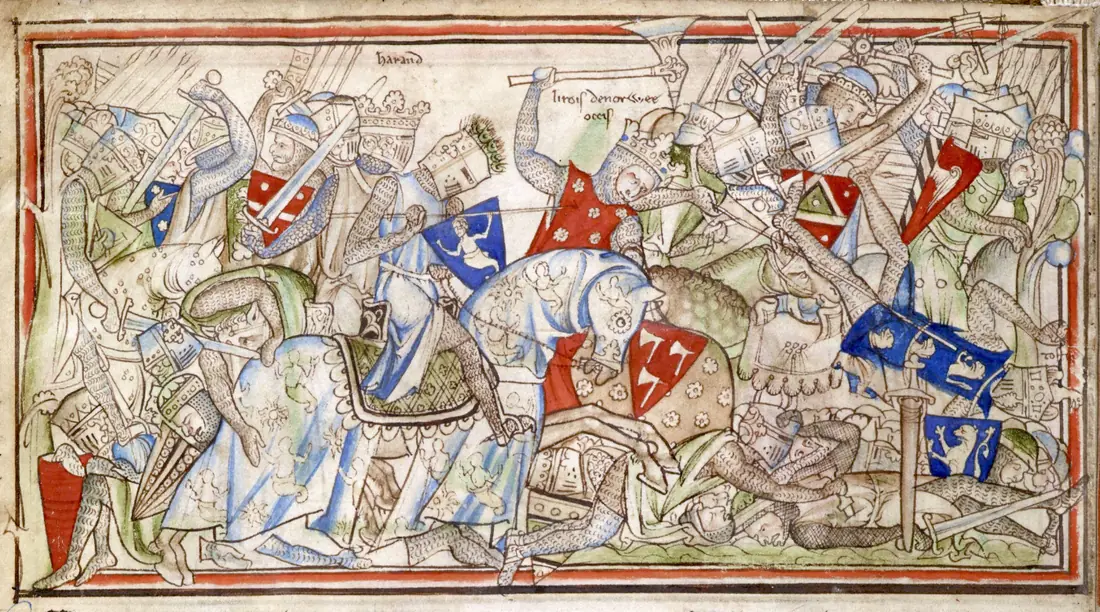
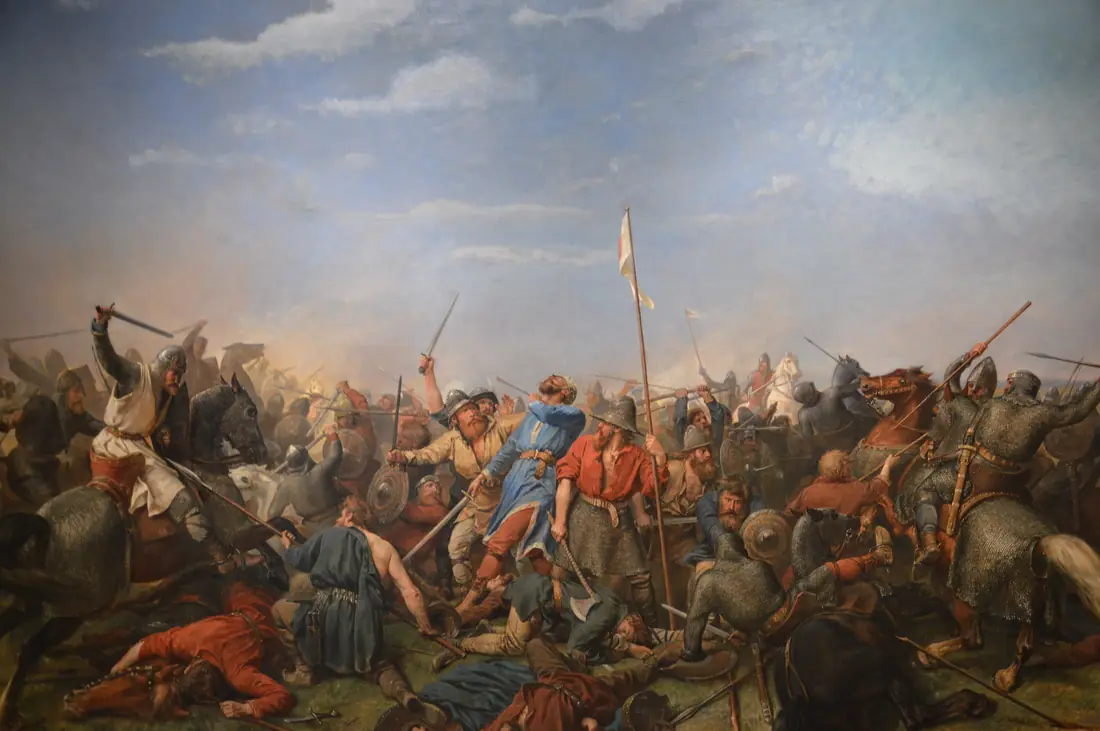
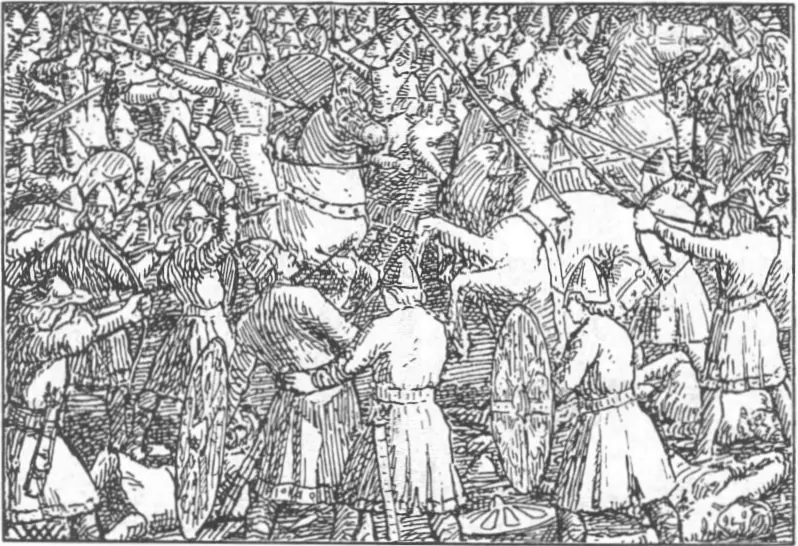
The battle took place on the narrow bridge over the River Derwent at Stamford Bridge. Contemporary accounts state that about 2,500 of Harald's warriors were killed, while the English loss is recorded as 1,200 dead. The English advantage stemmed from a defensive formation that forced the Norse attackers to cross the bridge in single file, limiting their numerical superiority.
Harald Hardrada was killed in the fighting; his body was identified by a distinctive axe head described in the saga of Olaf Tryggvason. The death of the Norwegian king eliminated the last major Viking claim to the English crown, a fact confirmed by the lack of further Norse invasions after 1066.
Within three days of the victory, Harold Godwinson received news of William of Normandy landing at Pevensey. He moved his army south, covering roughly 200 miles again in under three days, and engaged the Normans at the Battle of Hastings on October 14, 1066. Harold’s death at Hastings ended his reign after a reign of less than one year, as noted in the Bayeux Tapestry.
The defeat at Stamford Bridge forced the English army to fight two major battles within a span of 19 days, exhausting their manpower and resources. Historians such as Frank Barlow estimate that the combined casualties reduced the effective fighting force to about 3,000 men, a figure that contributed to the Norman victory at Hastings. The event therefore marks the end of the Viking Age in England and the transition to Norman rule.
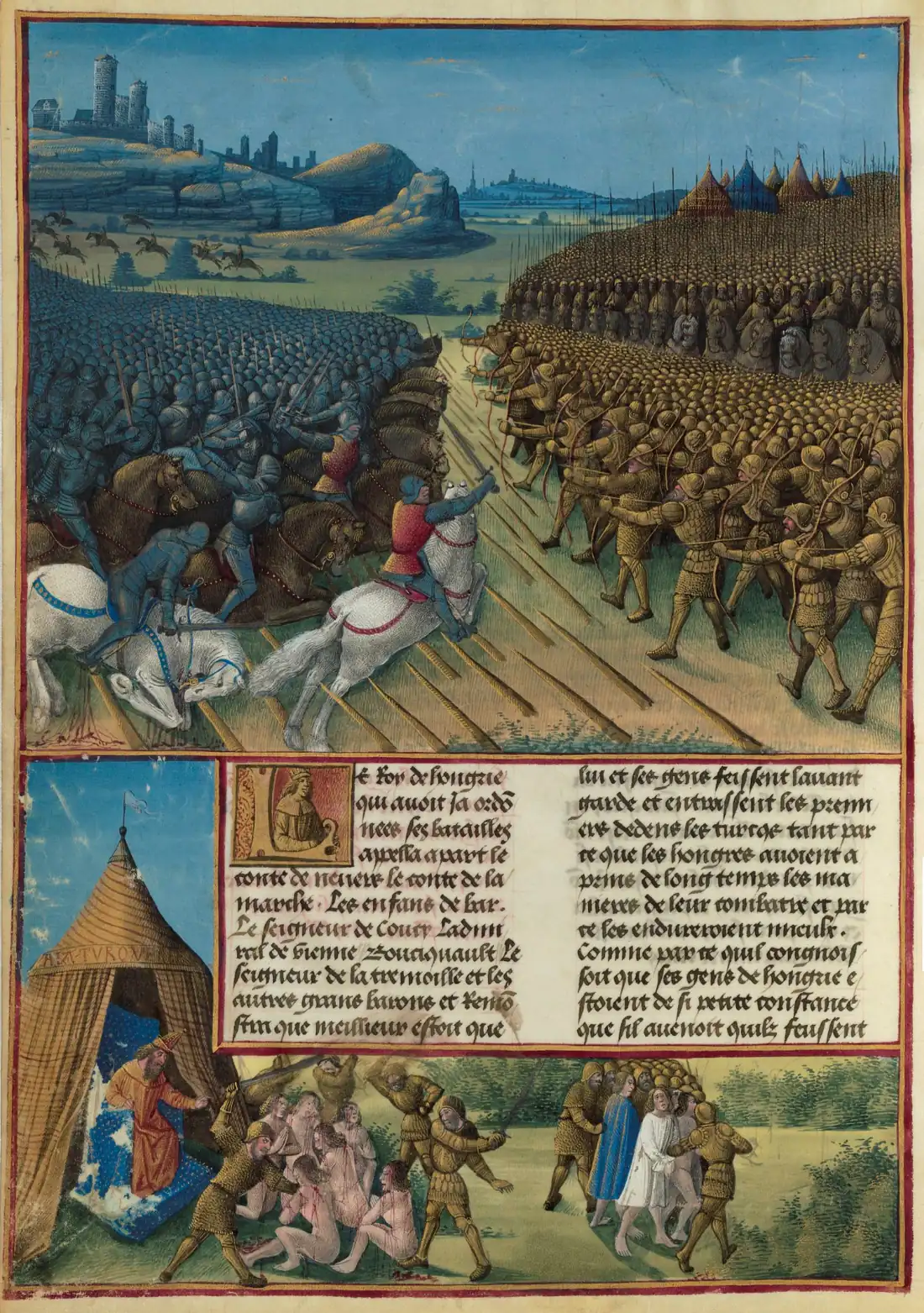
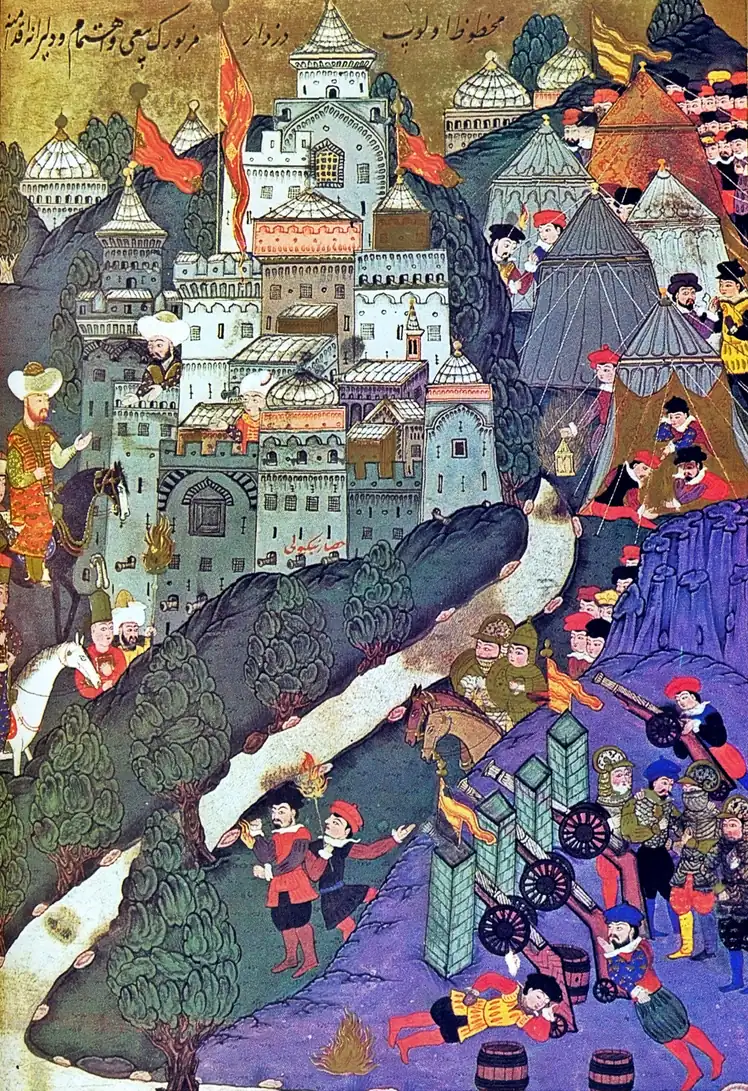
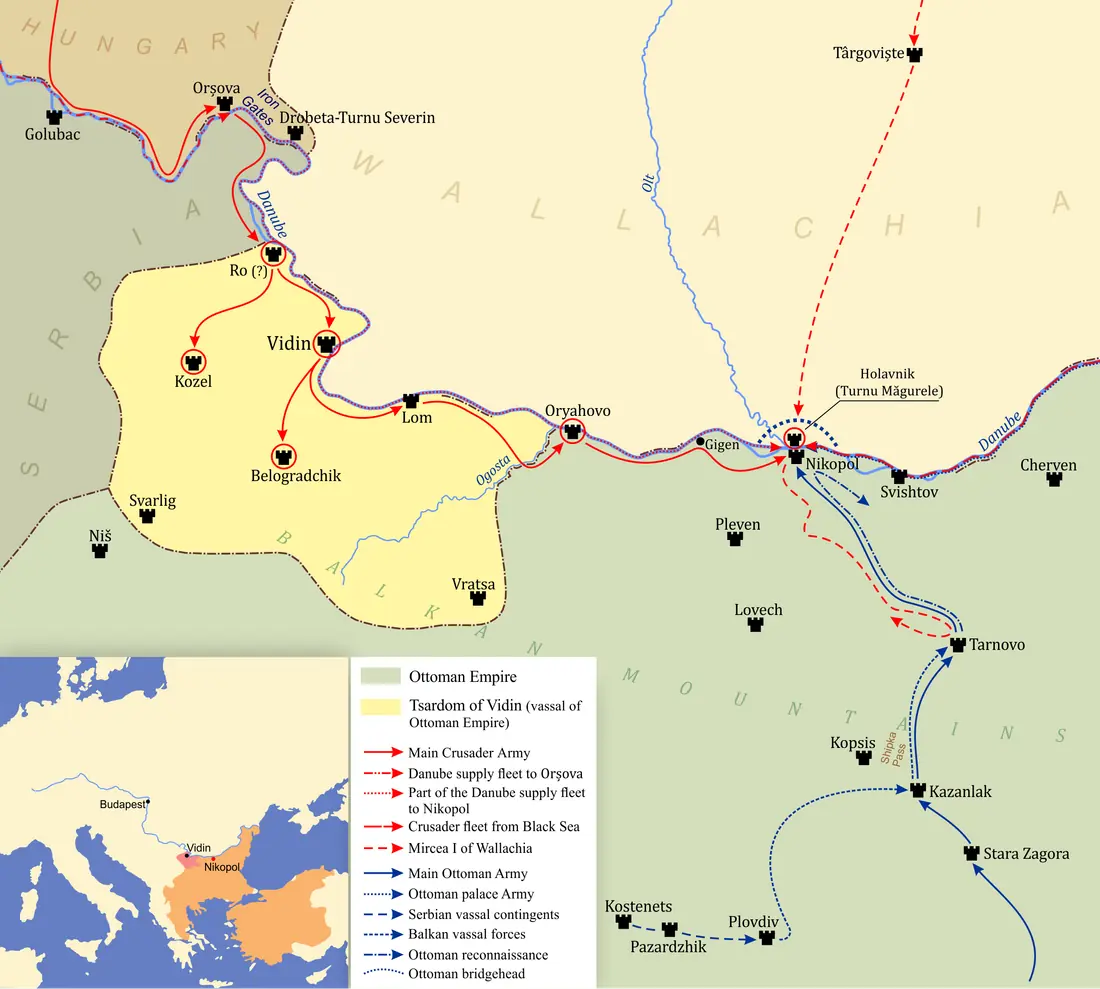
The Ottoman army under Sultan Bayezid I defeated a large crusading coalition at Nicopolis, securing Ottoman control of the Balkans. Bayezid assembled an estimated 30,000 troops, including elite Janissaries, heavy cavalry, and archers, while the crusader force numbered between 15,000 and 20,000 and was led by King Sigismund of Hungary, King Wenceslaus of Bohemia, and the French commander John the Fearless. The crusaders chose to attack the Ottoman camp on the morning of September 25, 1396, believing that a swift strike would break the Ottoman lines.
The crusader plan relied on a frontal assault across open ground toward the Ottoman front, hoping that their heavy cavalry could break the Ottoman infantry. Bayezid positioned his forces on a ridge behind a shallow ditch, with archers and crossbowmen covering the approaches. When the crusaders advanced, Ottoman archers unleashed volleys that disrupted the formation before the cavalry could close. The Janissaries then advanced in tight ranks, using long swords to engage the disordered crusader knights.
At the point where the crusader left wing reached the ditch, the Ottoman reserve cavalry, led by Bayezid himself, charged downhill, striking the crusader right flank. The sudden pressure caused panic among the crusader ranks; many knights fled, and the infantry collapsed. Contemporary reports list Ottoman casualties at about 2,000, while crusader losses were roughly 7,000 killed and 5,000 captured, including several high nobles. The survivors retreated across the Danube, abandoning their banners and equipment.
Bayezid’s victory resulted from disciplined Ottoman command structure, the effective use of combined arms, and the crusaders’ failure to coordinate their forces. The defeat ended the last major Western attempt to halt Ottoman expansion in the Balkans and forced the Hungarian kingdom to become a tributary state. In the following year, Bayezid secured the vassalage of the Serbian ruler Lazar and extended Ottoman influence to the Danube frontier. The loss also weakened the political cohesion of Central Europe; the French and Bohemian nobles returned home with diminished authority, and the Hungarian crown faced internal dissent.
The battle demonstrated that numerical superiority alone could not overcome superior tactics and battlefield positioning. It also marked the beginning of a period during which the Ottomans would dominate southeastern Europe for more than a century, shaping the region’s political and cultural landscape.
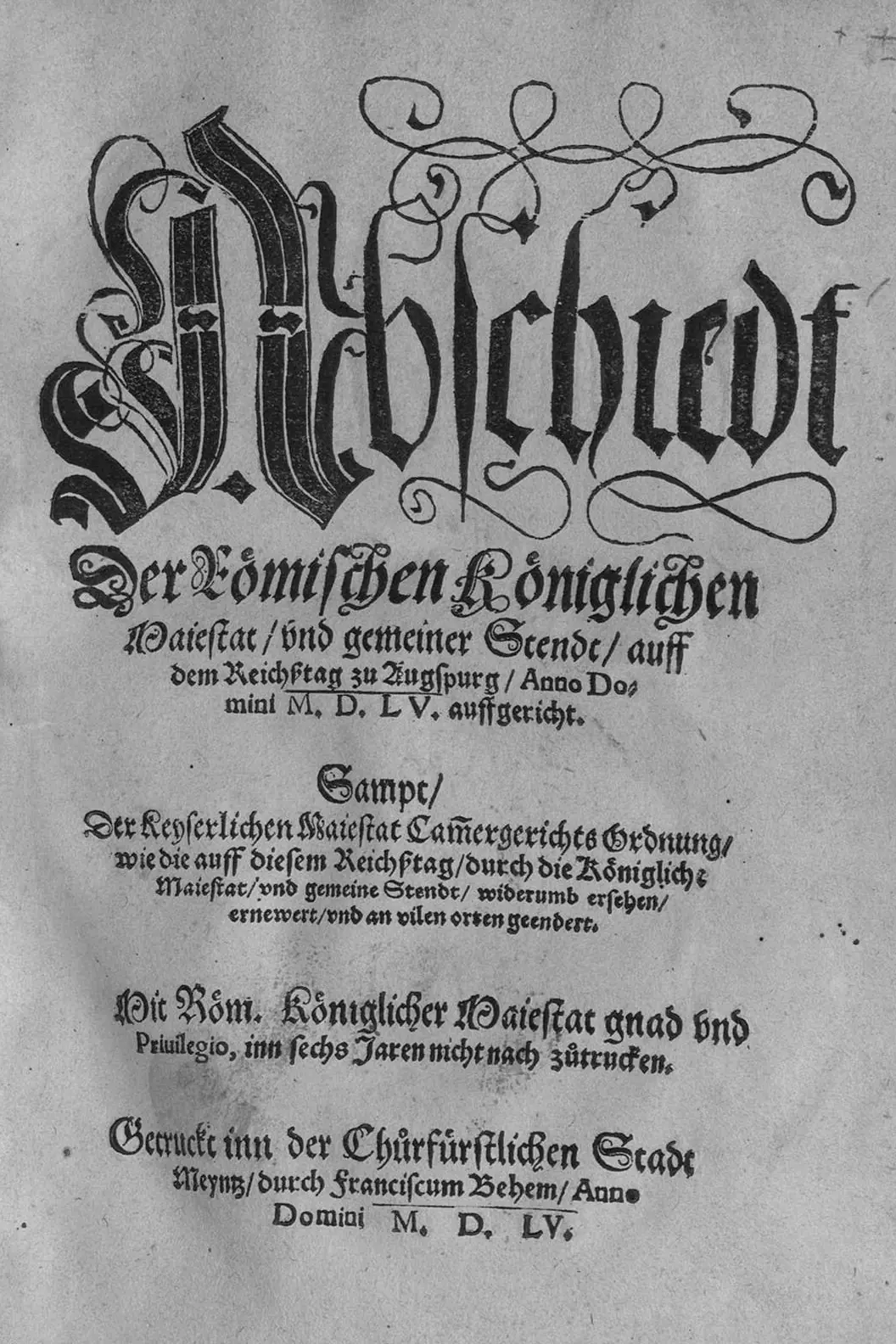
The 1555 agreement gave legal status to Lutheranism inside the Holy Roman Empire. Imperial authority had been weakened by the Schmalkaldic War, and the emperor sought a settlement that would stop further armed conflict.
Emperor Charles V, age fifty, negotiated with the Lutheran princes at the Diet of Augsburg. He appointed his brother Ferdinand I, age forty‑four, as his representative in the negotiations. The leading Lutheran negotiator was Maurice, Duke of Saxony, age thirty‑nine, who argued that each prince should be able to determine the religion of his own territory.
The treaty, known as the Peace of Augsburg, established the principle of *cuius regio, eius religio*. This meant that the ruler of each imperial state could choose either Catholicism or Lutheranism as the official confession. The treaty listed the electors who accepted the terms: the Elector of Saxony, the Elector of Brandenburg, the Elector of the Palatinate, and the Elector of Cologne, among others. Each of these princes signed a document confirming their acceptance. The Catholic side was represented by the Prince‑bishop of Mainz, who agreed to the clause that no ruler could change the confession after the settlement.
The agreement excluded other Protestant groups such as Calvinists and Anabaptists. This exclusion was recorded in the imperial register, which noted that only the Augsburg Confession and its Melanchthon revision were recognized. The treaty also required that subjects who refused to follow the ruler's confession could relocate to a territory where their faith was practiced, a provision documented in the imperial law code of 1555.
The immediate effect was a cessation of large‑scale fighting between Catholic and Lutheran forces. Imperial tax records show a drop from an estimated 30,000 soldiers in the field in 1554 to fewer than 5,000 by the end of 1555. However, the exclusion of other reform movements left unresolved religious tensions that later contributed to the Thirty Years' War.
The Peace of Augsburg remained the legal framework for religious settlement in the empire until it was effectively overturned by the Peace of Westphalia in 1648. Its legacy is the first legal recognition of a Protestant confession within a major European polity, establishing a precedent for state‑based religious tolerance.