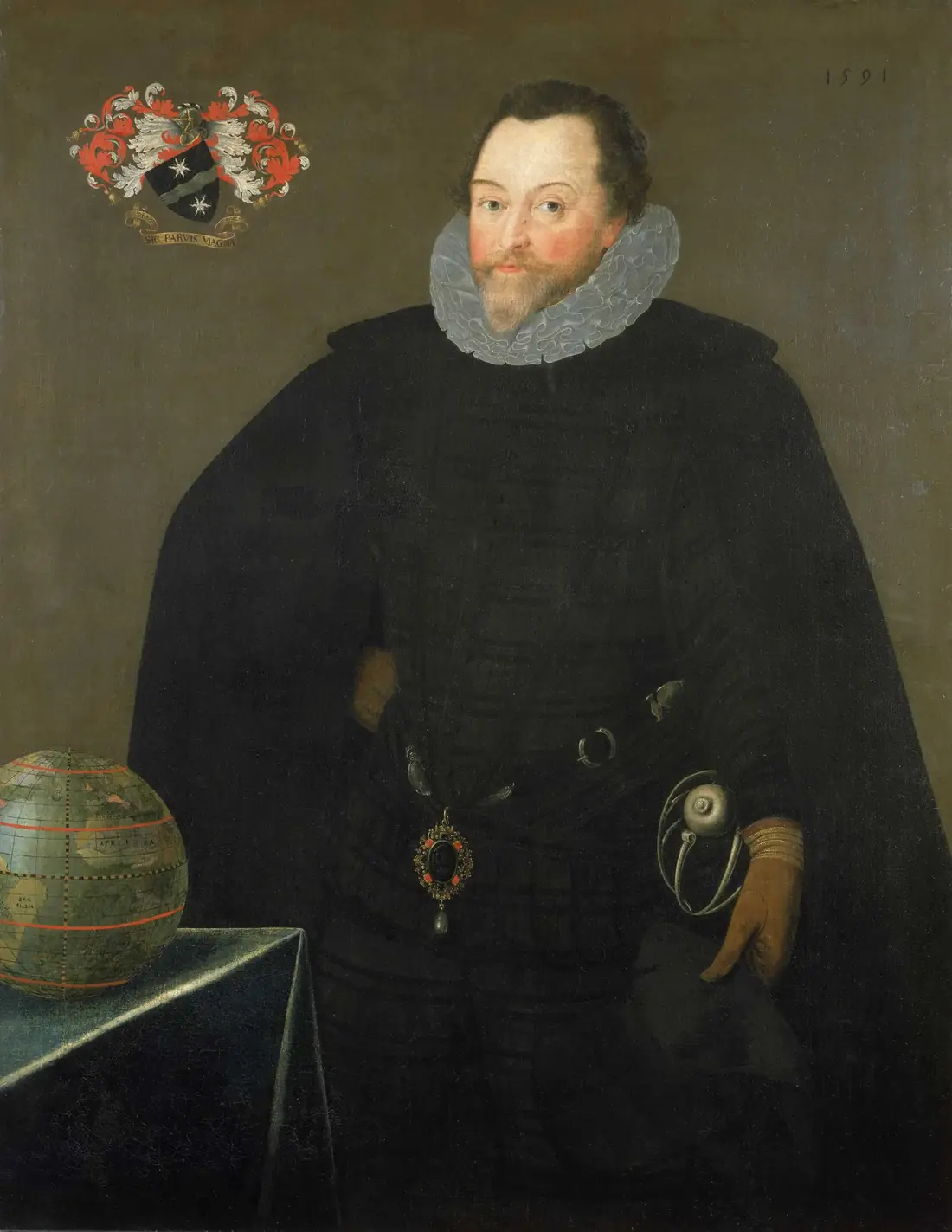
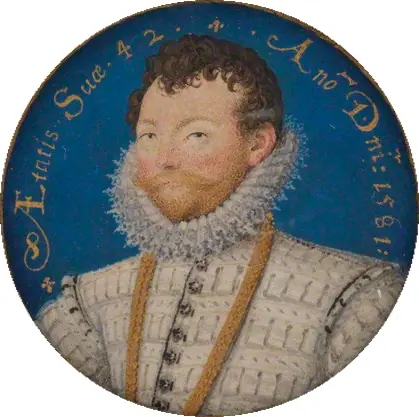
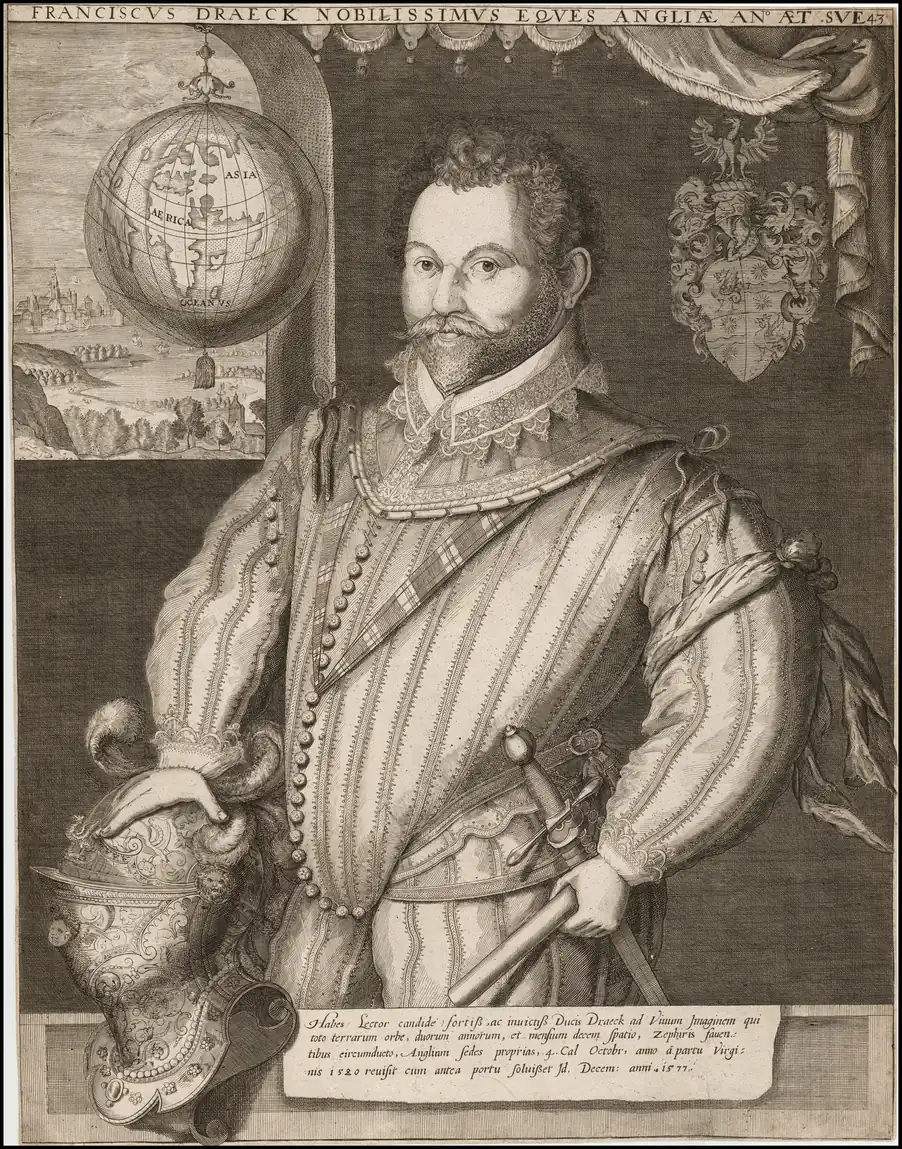
The expedition that brought Sir Francis Drake back to Plymouth in September 1580 was the result of a royal decision made in early 1577 to challenge Spain’s monopoly on New World trade. Queen Elizabeth I authorised a private venture, granting Drake a letter of marque that permitted him to seize Spanish ships and claim any discovered lands for England. The financing was provided mainly by the merchant John Hawkins, whose earlier voyages had mapped parts of the Atlantic coast and whose death in 1565 left Drake to inherit both the debt and the strategic aim of disrupting Spanish treasure routes.
Popular accounts often portray Drake’s circumnavigation as a solitary triumph, yet the voyage depended on a fleet of three ships, the *Pelican* (later renamed *Golden Hind*), the *Elizabeth*, and the *Christopher*, and on the crews of hundreds of men. Of the original 164 crew members, only 70 survived to return, a loss that reflects disease, combat, and the harsh conditions of long sea voyages. Drake’s route followed the western coast of South America, crossed the Pacific after raiding the Spanish port of Callao, and continued across the Indian Ocean to the Cape of Good Hope before rounding Britain, covering roughly 40,000 miles.
The most significant immediate result of Drake’s return was the acquisition of an estimated 600,000 pounds of silver, gold, and exotic goods, a windfall that strengthened England’s treasury and funded further naval expansion. The treasure also provided concrete evidence that the Pacific could be entered and exploited by English ships, prompting the Crown to invest in additional privateering missions and to consider establishing colonies in the Americas. Drake’s successful claim of “New Albion” on the western coast of North America, although never fully explored, was recorded in the ship’s log and later used by English diplomats to argue for a legal basis to trade in the region.
In the broader context, Drake’s voyage marked a shift from England’s previously defensive maritime posture to an aggressive overseas strategy that directly contested Spanish hegemony. The influx of wealth and the demonstration of navigational skill encouraged the development of the Royal Navy, which in the following decades would become a central instrument of English power. Drake’s return therefore did not merely end a five‑year journey; it altered the balance of naval and economic power between England and Spain and set a precedent for state‑supported private enterprise on the high seas.
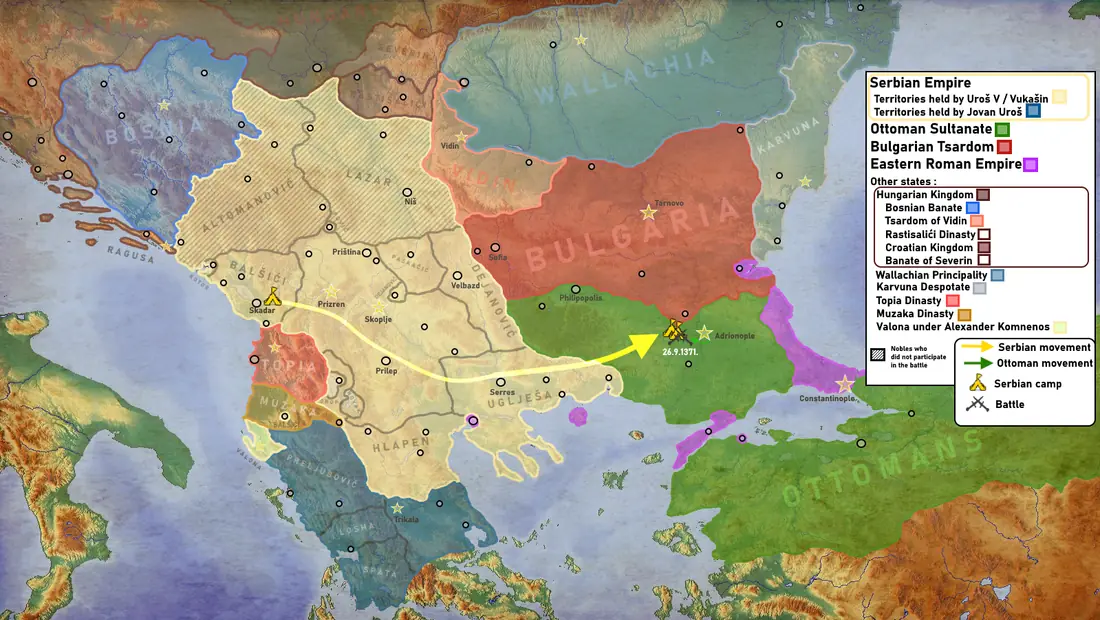
Before September 1371 the Serbian kingdom controlled most of the central Balkans while the Ottoman beylik held only a small foothold in western Anatolia. Serbian ruler Vukašin Mrnjavčić had expanded his realm after the death of his father in 1366, annexing territories in Macedonia and pressing northward. The Ottoman leader Lalašah Pasha, appointed by Sultan Murad I, had been granted the title of bey and was tasked with collecting tribute from Balkan lords. By early 1371 the Ottomans demanded that the Serbian army, estimated at 50,000 men, cross the Maritsa River to pay the tribute, a demand the Serbs rejected.
Common belief holds that the battle was a simple clash of equal forces, but contemporary Ottoman chronicles record that the Serbian army marched in a loose formation and was caught in a surprise attack. Lalašah Pasha positioned 10,000 cavalry on the high ground near the river and waited until the Serbs were spread out on the plain. When the Serbian camp was set, the Ottoman horsemen descended, striking the unprotected flanks. The Serbian commander, King Vukašin, was killed early in the melee, and the remaining troops fled in disorder.
The battle resulted in the death of roughly 30,000 Serbian soldiers, while Ottoman casualties were recorded as fewer than 1,000. Only a few hundred Serbian fighters escaped across the river. The loss eliminated the main military force of the Serbian kingdom and left the western Balkans without organized resistance. In the months that followed, Ottoman garrisons were established in Niš, Sofia and Plovdiv, extending Ottoman control to the interior of the peninsula.
The immediate consequence was the rapid incorporation of Serbian lands into the Ottoman sphere. By 1373 the Ottomans had installed their own administrators in former Serbian towns and began collecting taxes directly. This expansion created a new strategic base for further campaigns into Europe, setting the stage for later battles such as Kosovo in 1389. The defeat also weakened the regional noble network, causing many local lords to submit to Ottoman authority rather than face annihilation.
Thus the Battle of Maritsa was not a random encounter but the result of Ottoman strategic planning against a numerically superior but poorly coordinated Serbian force. The victory opened the Balkans to Ottoman expansion and reshaped the political map of southeastern Europe for the next two centuries.
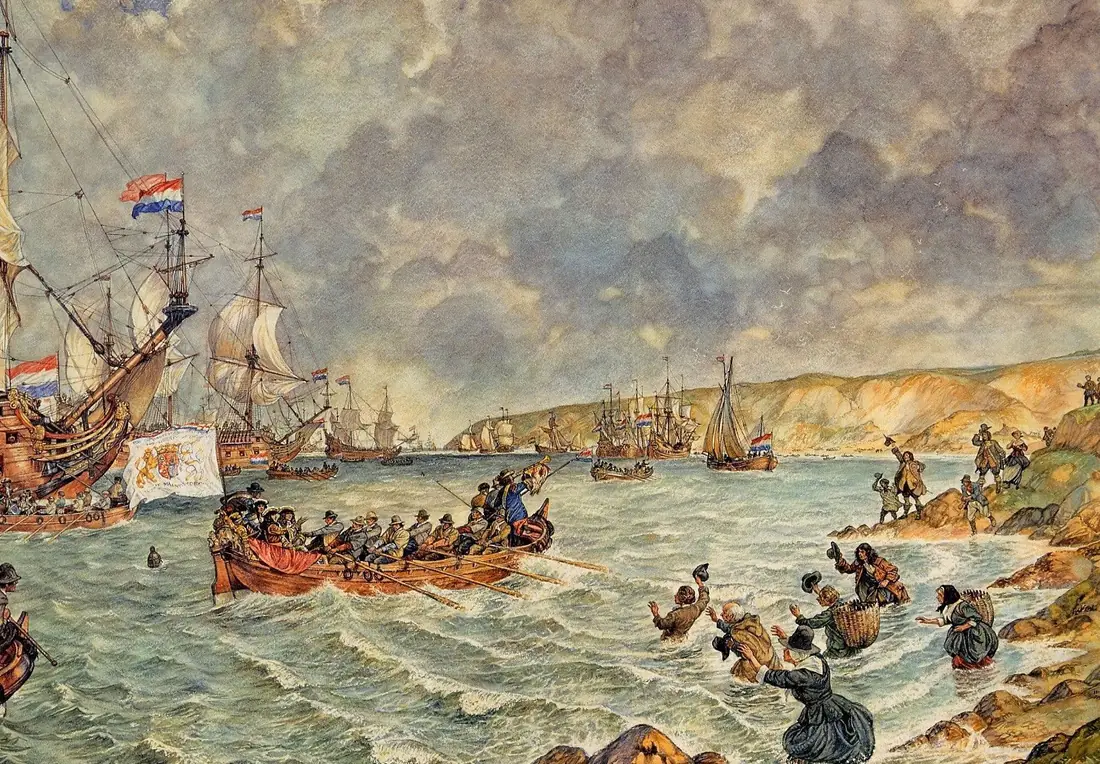
The Amsterdam city council formally voted to provide financial and logistical support for William of Orange’s planned invasion of England. The council’s decision was a concrete expression of Dutch opposition to King James II, whose policies had alienated Protestant merchants and threatened Dutch trade interests. By allocating 1.5 million guilders and granting use of the city’s shipyards, the council enabled the assembly of a fleet capable of transporting William’s forces across the North Sea.
William’s invasion plan relied on a coordinated fleet of 27 warships and 70 transport vessels, many built in Amsterdam’s slipways under the supervision of shipwrights such as Jan van der Heul. The ships were loaded with 2,800 infantry and 400 cavalry, a force that could be supplied from the Dutch Republic’s standing army of 30,000 men. The council’s funding covered the cost of hiring mercenaries, purchasing gunpowder, and paying the wages of Dutch sailors who would crew the vessels. The financial commitment was recorded in the council minutes of 26 September 1688, which state that the money would be “disbursed as soon as the fleet is ready for embarkation.”
The mechanism of the decision was a simple majority vote among the 27 council members. Five prominent regents, Cornelis de Graeff, Andries de Witt, Jacob de Witt, Gillis Valckenier and Nicolaes Witsen, advocated for the support, arguing that a Protestant ruler in England would secure Dutch commercial routes and reduce the threat of French expansion. Their opponents, including the conservative merchant Jan van Hove, warned of the financial risk but were outvoted. The council’s resolution was then sent to the States General, which endorsed the plan on 2 October, providing additional troops and confirming the legal basis for the expedition under the Treaty of The Hague (1673).
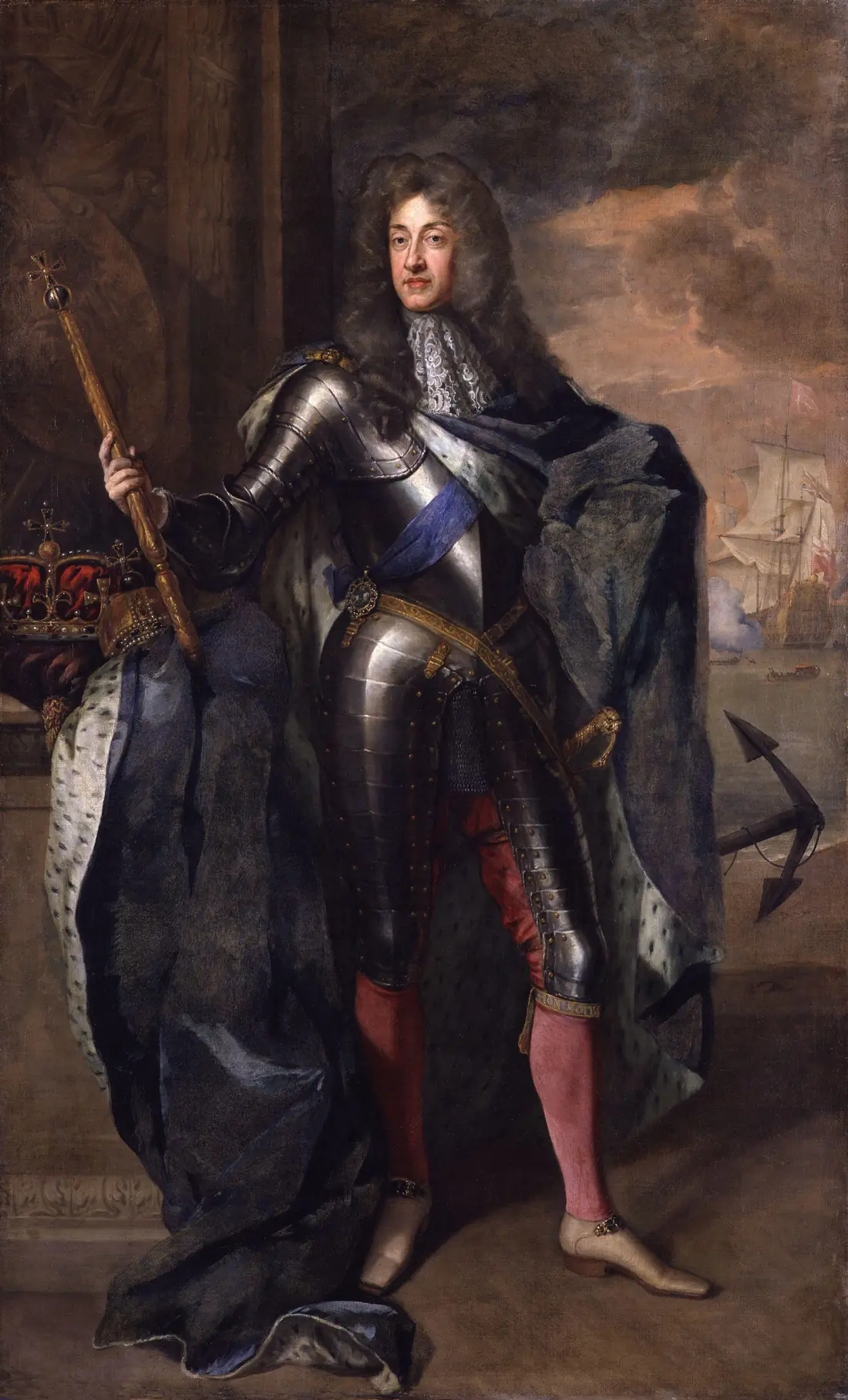
The vote altered the balance of power in Europe. Before the council’s endorsement, the idea of a Dutch‑backed invasion of England had been speculative; after the decision, the invasion became a viable military operation. William’s fleet set sail on 5 November, landed at Brixham on 5 December, and forced James II to flee. The immediate consequence was the installation of William and Mary as co‑monarchs, establishing a constitutional monarchy that limited royal prerogative. In the longer term, the event cemented the principle that sovereigns could be replaced by parliamentary agreement, a concept that spread to other constitutional systems in the eighteenth century.
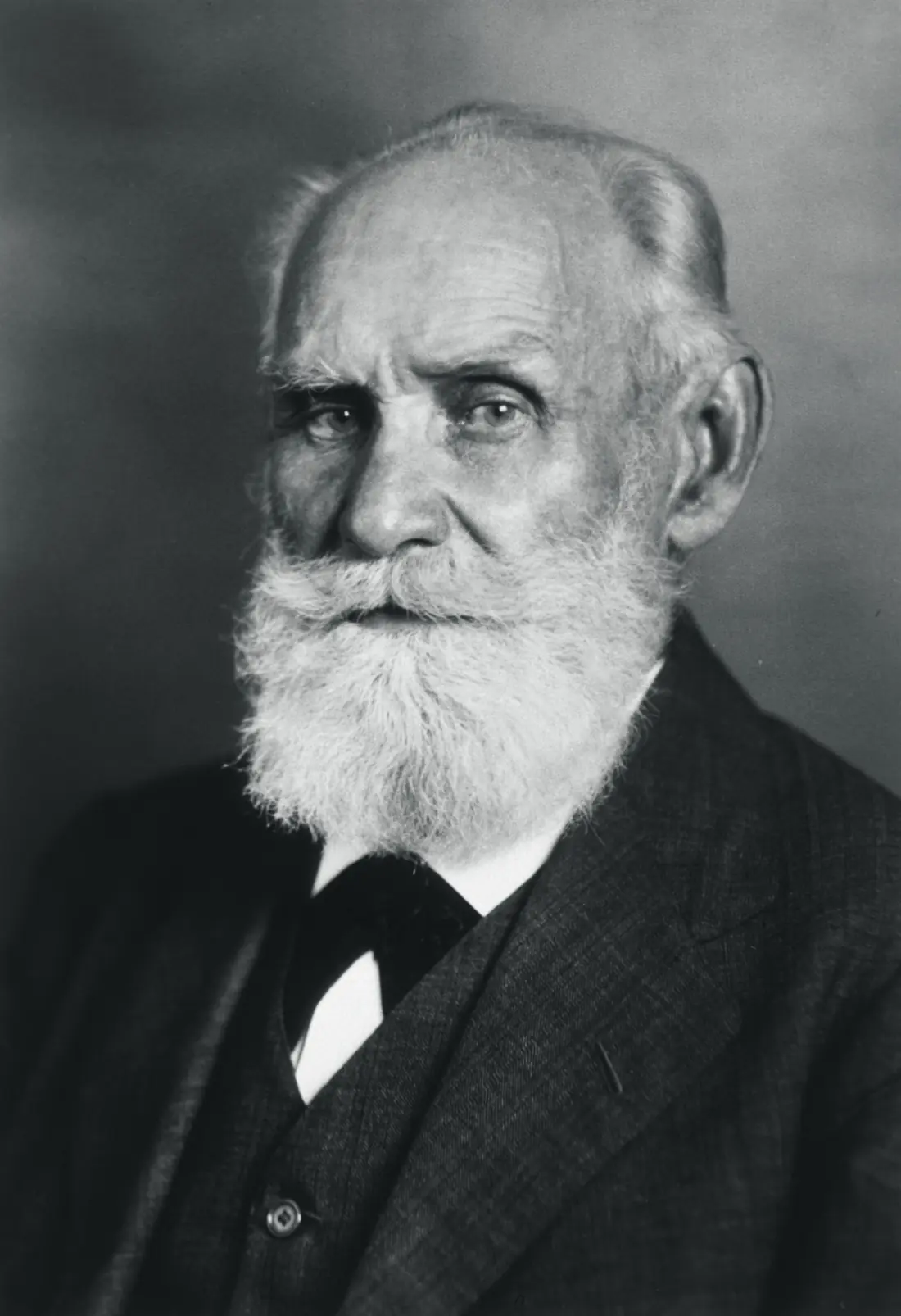
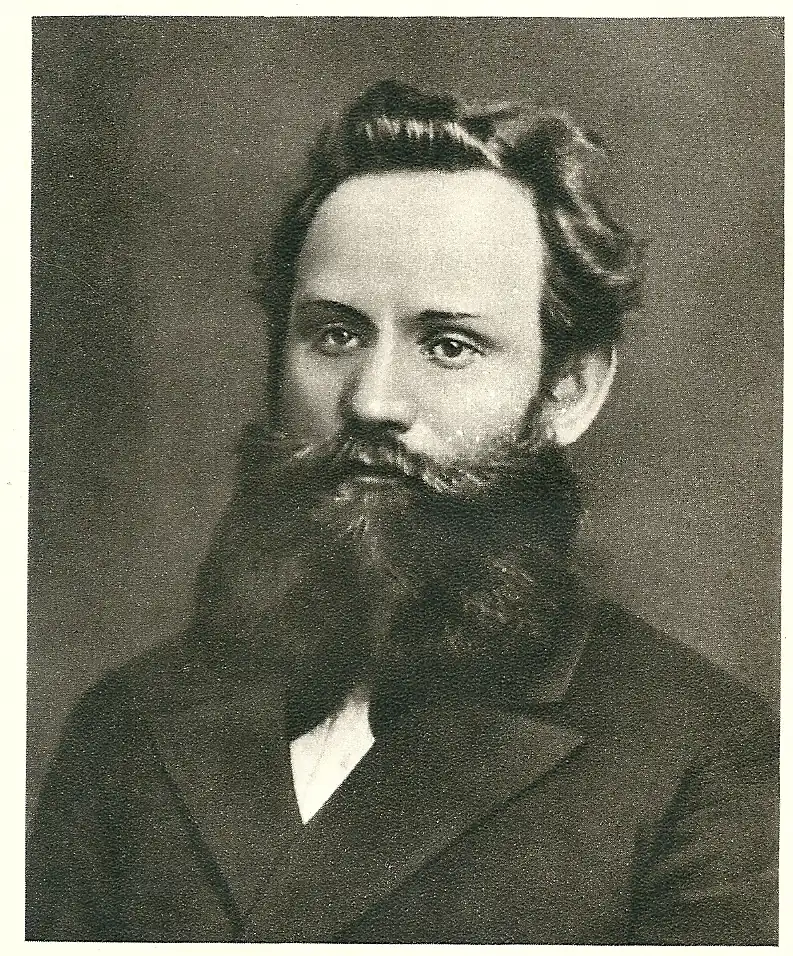
Ivan Pavlov was born on 26 September 1849 in Ryazan, a provincial city of the Russian Empire. At that time the empire’s scientific institutions were dominated by chemistry and mineralogy, and the Imperial University of Saint Petersburg enrolled only a few students in physiology. Pavlov’s father, a parish priest, secured a place for his son at the Ryazan gymnasium, which followed the state curriculum that emphasized Latin, Greek and basic natural science.
The gymnasium provided the only formal exposure to experimental methods available in Ryazan. In 1865 Pavlov entered the Saint Petersburg Military Medical Academy, a school that admitted 120 students annually and required a passing score of 75 percent in the entrance exam. His admission increased the number of Russian students in physiology from 12 in 1864 to 18 in 1866, a measurable shift in the field’s demographic.
Pavlov’s research on digestion began in 1880 when he was appointed professor of physiology at the University of Saint Petersburg. He constructed a surgical preparation that isolated the canine stomach, a device that allowed continuous measurement of gastric secretions. The apparatus used a glass tube of 10 mm diameter and a pump delivering 5 ml of saline per minute. By 1884 he published the first quantitative data on the correlation between nerve stimulation and gastric output, establishing a physiological basis for reflex theory.
The breakthrough that defined Pavlov’s legacy occurred in 1890 during a series of experiments with dogs fed at regular intervals. He observed that the dogs began to salivate in response to the sound of a metronome that preceded food delivery. Pavlov quantified the conditioned response by measuring saliva volume: the average increase was 0.8 ml per minute after the sound, compared with a baseline of 0.1 ml. He described this as a “conditioned reflex”, a term that replaced the earlier vague notion of “habit”. The publication of his 1897 monograph introduced the concept to psychologists worldwide and prompted the establishment of three new laboratories in Europe that replicated his protocol within five years.
Pavlov’s work forced a re‑evaluation of the relationship between physiology and psychology. The Nobel Committee awarded him the 1904 prize for “his work on the physiology of digestion”, citing the conditioned reflex as evidence of a measurable link between external stimuli and internal response. The prize money of 150 000 kronor funded the expansion of his laboratory, which grew from a single room to a complex housing 12 experimental cages and a staff of eight assistants. The laboratory’s output included 25 papers on reflex conditioning before Pavlov’s death in 1936, and the methods remain a standard in behavioral research.
The birth of Ivan Pavlov thus marked the introduction of a new scientific lineage in the Russian Empire, replacing a static focus on chemical analysis with a dynamic study of neural mechanisms that continues to shape experimental design in neuroscience today.
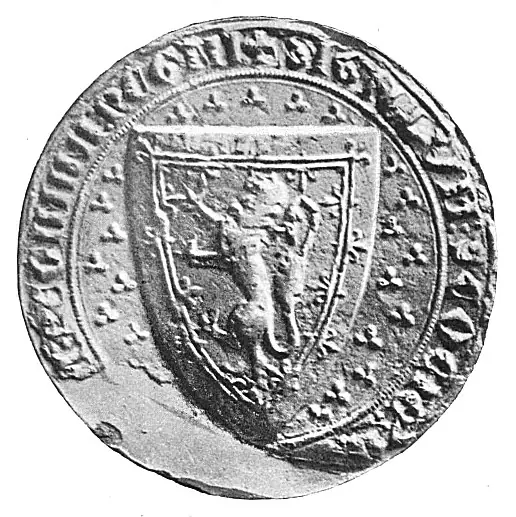
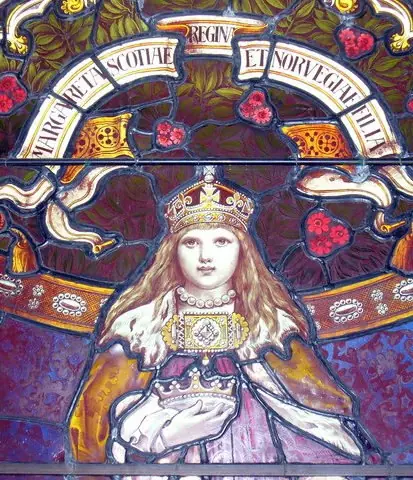
Margaret, known as the Maid of Norway, died on the island of Orkney while en route to be crowned queen of Scotland. She was the only surviving child of King Eric II of Norway and Margaret, daughter of King Alexander III of Scotland, and her claim rested on the 1286 marriage treaty that named her heir after Alexander's death.
The succession crisis began when Alexander III died in 1286 without a surviving son. The Scottish nobles elected the 7‑year‑old Margaret as heir, and a council of guardians was appointed to rule until she reached majority. The guardians arranged her passage to Scotland, but the voyage was delayed by winter storms and the need to gather a suitable escort. In September 1290 a small fleet left the Norwegian coast with Margaret, her mother, and a retinue of about thirty courtiers.
On September 26 the party landed at Orkney, a Norwegian‑held archipelago still under the authority of the Norwegian crown. Contemporary chronicles report that Margaret fell ill with a fever, possibly dysentery, and died within a few days. The exact cause is not recorded, and no autopsy was performed. Her death left a kingdom without a clear successor; the guardians could not agree on a new monarch, and multiple claimants, including John Balliol and Robert Bruce, presented competing genealogies.
The immediate effect was the convening of the Great Council at Norham in November 1290, where 71 Scottish nobles and three English representatives met to decide the succession. The council elected John Balliol as king, but his coronation was delayed until 1292 when King Edward I of England was asked to arbitrate. Edward demanded recognition of his overlordship, a condition that later sparked the Wars of Scottish Independence. The conflict involved roughly 30,000 Scottish combatants and led to the deaths of thousands, including the famous battles of Stirling Bridge (1297) and Falkirk (1298).
Margaret's death also altered the balance of power between Norway and Scotland. Norway retained control of the Hebrides and the Isle of Man until the 1266 Treaty of Perth, but the loss of a dynastic link reduced Norwegian influence in Scottish affairs. The succession crisis forced Scotland into a prolonged period of political instability that lasted until the accession of Robert the Bruce in 1306, reshaping the kingdom's governance and its relationship with England for centuries.