The hidden catalyst for the Model T debut was Henry Ford’s 1907 decision to replace the costly hand‑built method with a standardized parts system, a move prompted by the unprofitability of his earlier Model A. Ford instructed his chief engineer, Childe Harold Wills, to design a vehicle that could be assembled from interchangeable components, a concept that was still rare in American manufacturing.
Before September 1908 most automobiles were assembled one at a time by skilled craftsmen, and a typical car cost more than $800, putting it out of reach for most families. Ford’s new strategy required a factory layout that could support repetitive motions, so he purchased the Piquette Avenue Plant and hired Charles Sorensen to reorganize the workflow. The plant, previously used for building tractors, was re‑equipped with 84 workstations arranged in a straight line, allowing each worker to perform a single task on the chassis as it moved forward.
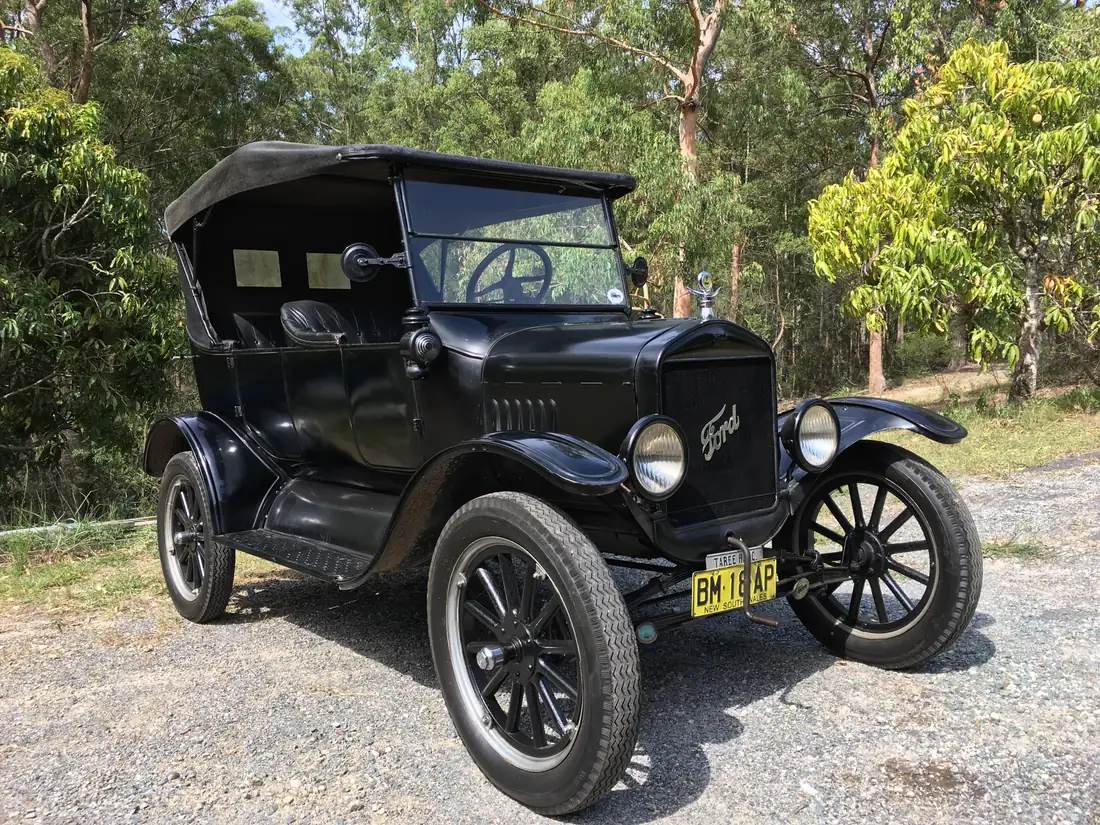
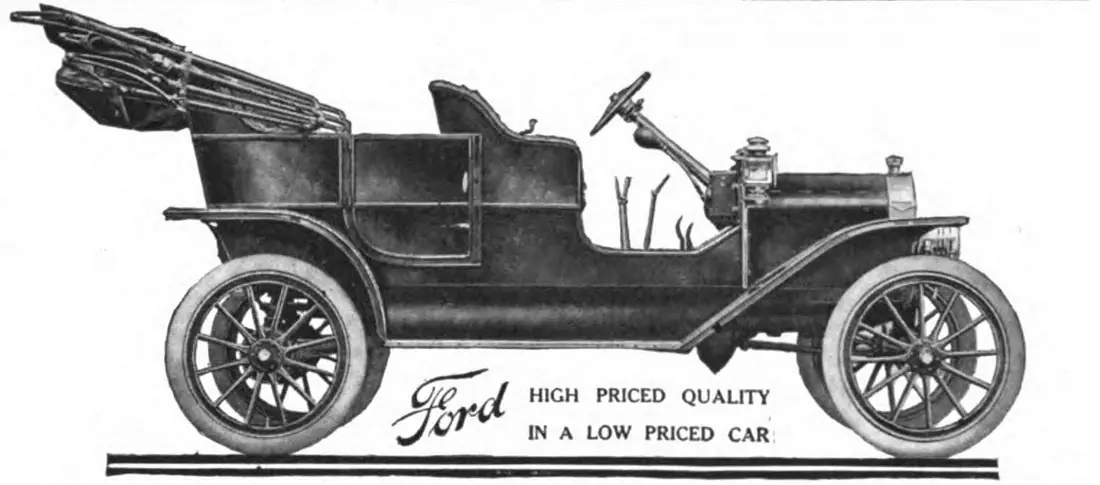
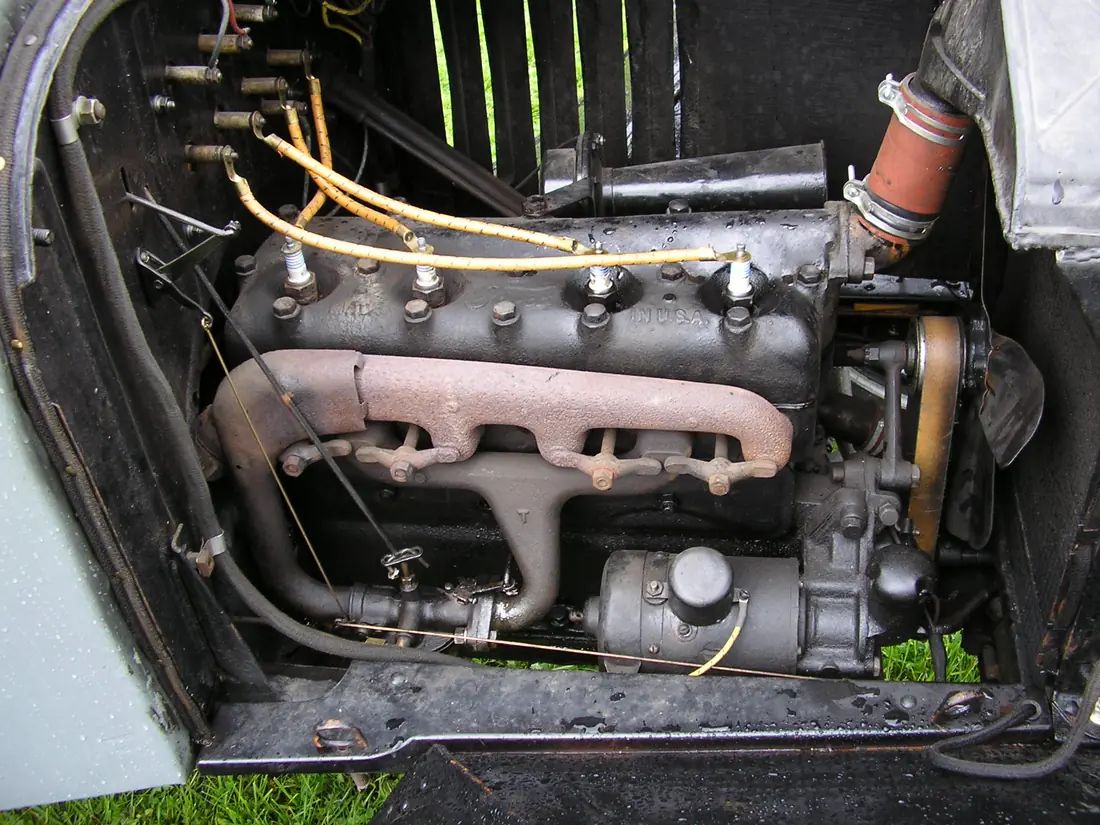
On September 27 1908 the first Model T rolled off this line. The car featured a 20‑horsepower, four‑cylinder engine, a planetary transmission with two forward gears and one reverse, and a chassis built from stamped steel rather than hand‑forged iron. Its weight of 1,200 pounds and a wheelbase of 100 inches gave it a stable ride on the rough roads of the era. Because every bolt and panel was made to the same specification, the assembly time dropped from 12 hours to about 2 hours per vehicle.
The popular story that the Model T instantly made cars cheap is inaccurate; the initial selling price was $850, only slightly lower than competing models. What changed was the rapid reduction of cost through the moving assembly line, which Ford introduced in 1913. By 1914 the Model T was offered at $440, a price affordable to many wage earners, and annual production reached 600,000 units.
The immediate effect of the September 1908 completion was a shift in the automotive market from bespoke craftsmanship to mass production. Ford’s approach forced other manufacturers to adopt standardized parts or lose market share, accelerating the growth of a nationwide network of suppliers. Within a decade the Model T became the most produced automobile in the world, and its manufacturing principles laid the groundwork for modern assembly‑line factories across all industries.
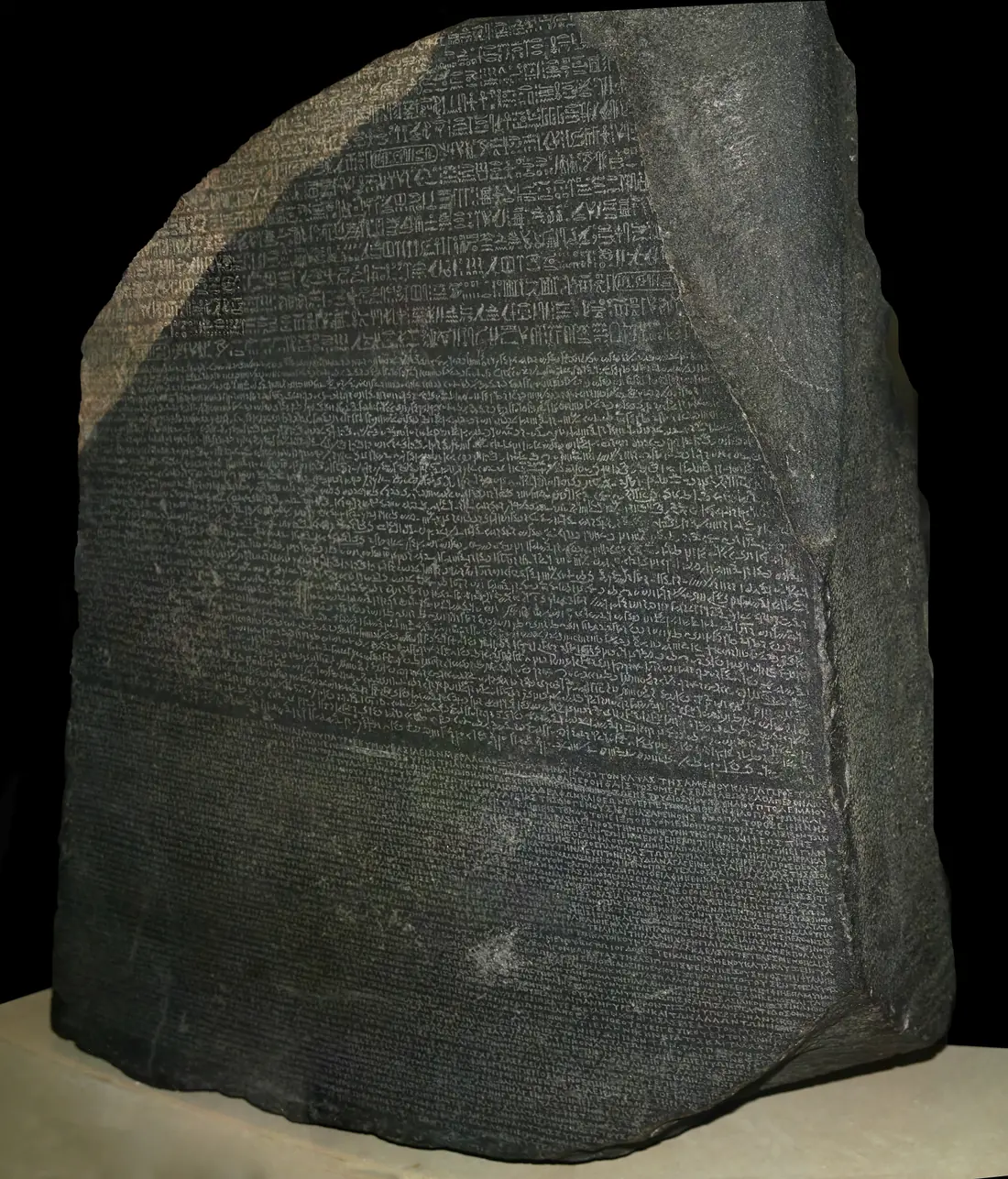
Before 1822 the ancient Egyptian writing system remained unreadable to European scholars. The 1799 French expedition to Egypt had recovered a granodiorite slab bearing the same decree in Greek, Demotic and hieroglyphic scripts, later called the Rosetta Stone. The Greek text, known to be a translation of the original decree of Ptolemy V dated 196 BC, provided a bilingual key, but the hieroglyphic portion was assumed to be a sacred, symbolic script rather than a phonetic alphabet. Scholars such as Silvestre and the Society of Antiquaries had produced partial symbol lists, yet none could demonstrate a systematic phonetic principle.
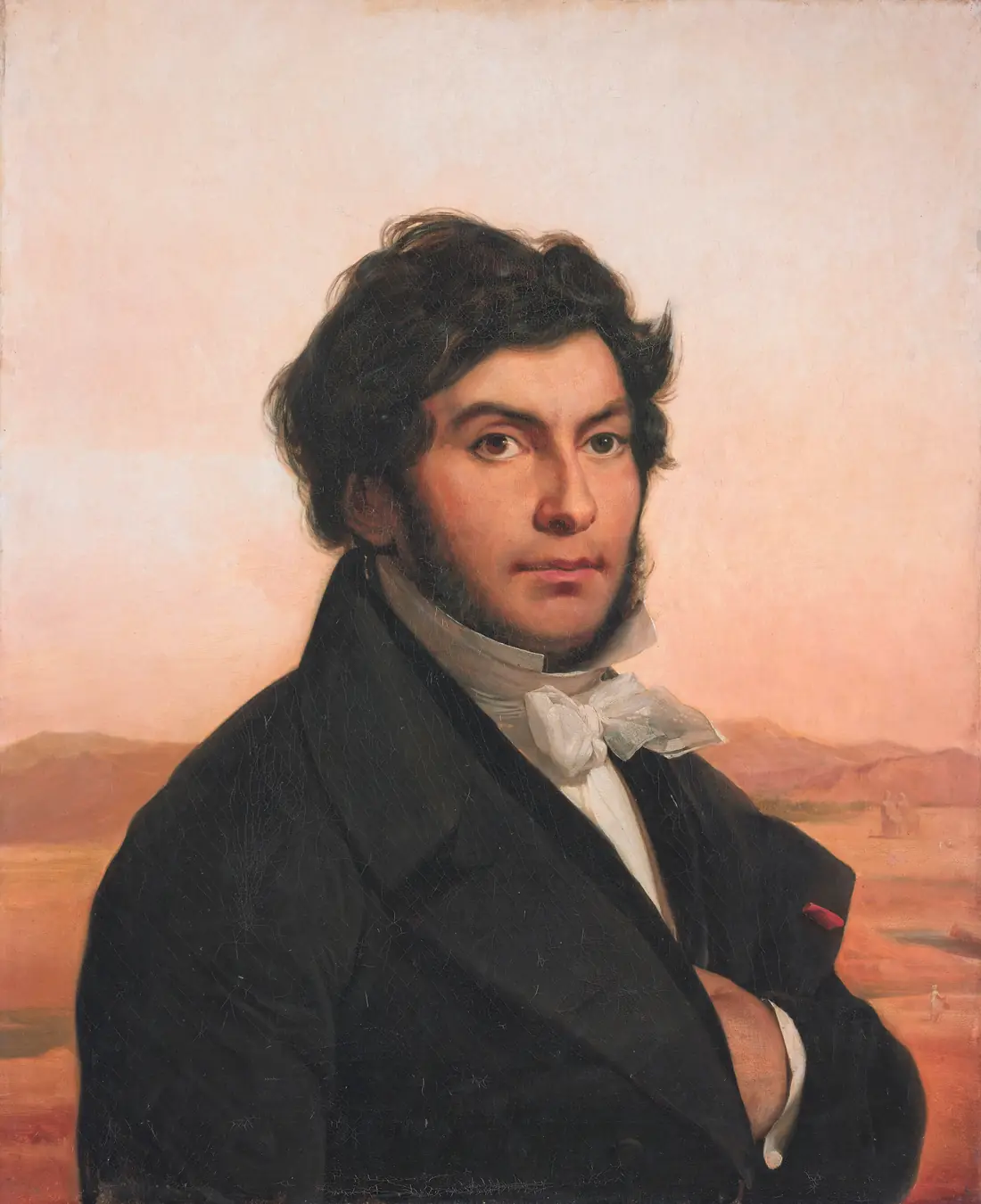
Jean‑François Champollion, a French philologist trained in Coptic, began comparing the Greek translation with the hieroglyphic signs in 1814. By 1819 he identified that the cartouches containing royal names used phonetic characters, recognizing the name "Ptolemy" in the hieroglyphic line. He recorded that the hieroglyphic sign for the sound "p" matched the Coptic consonant "p" and that the sign for "t" matched Coptic "t". In a paper presented to the Académie des Inscriptions et Belles‑Lettres on 27 September 1822 he announced that the hieroglyphic script combined phonetic signs with ideograms, a hybrid system.
Champollion's evidence rested on three concrete observations. First, the hieroglyphic cartouches for the king and queen reproduced the Greek names "Ptolemaios" and "Cleopatra" using a consistent set of phonetic signs. Second, he demonstrated that the same signs appeared in other cartouches with predictable sound values, confirming a phonetic alphabet of at least thirty signs. Third, he showed that many non‑cartouche symbols functioned as determinatives, clarifying meaning without adding sound. His publication, "Lettre à M. Dacier", cited the exact Greek text, the corresponding hieroglyphic line, and the Coptic equivalents, providing a reproducible method for decoding.
The immediate result of Champollion's announcement was the rapid adoption of his decipherment by the French Institute and the opening of the first systematic study of Egyptian monuments. Within a year scholars could read inscriptions on the walls of the Temple of Edfu, confirming the accuracy of the phonetic system. The decipherment transformed the Rosetta Stone from a curiosity into the cornerstone of Egyptology, allowing the translation of thousands of texts that had been silent for two millennia.
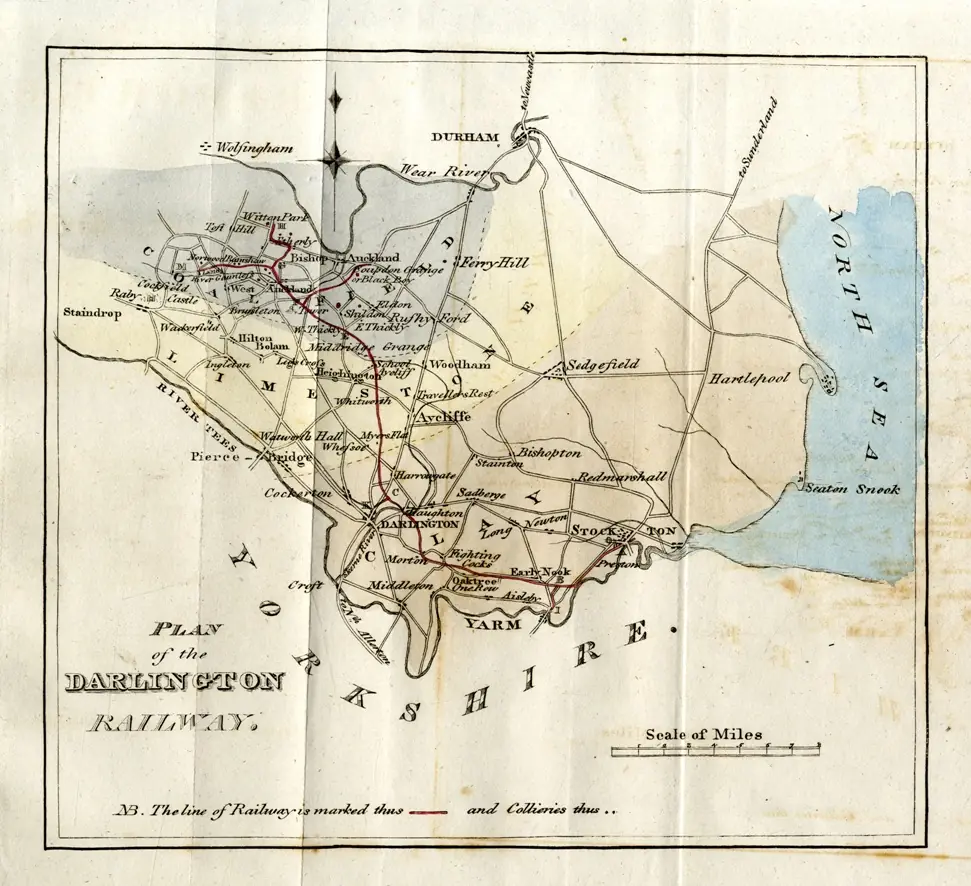
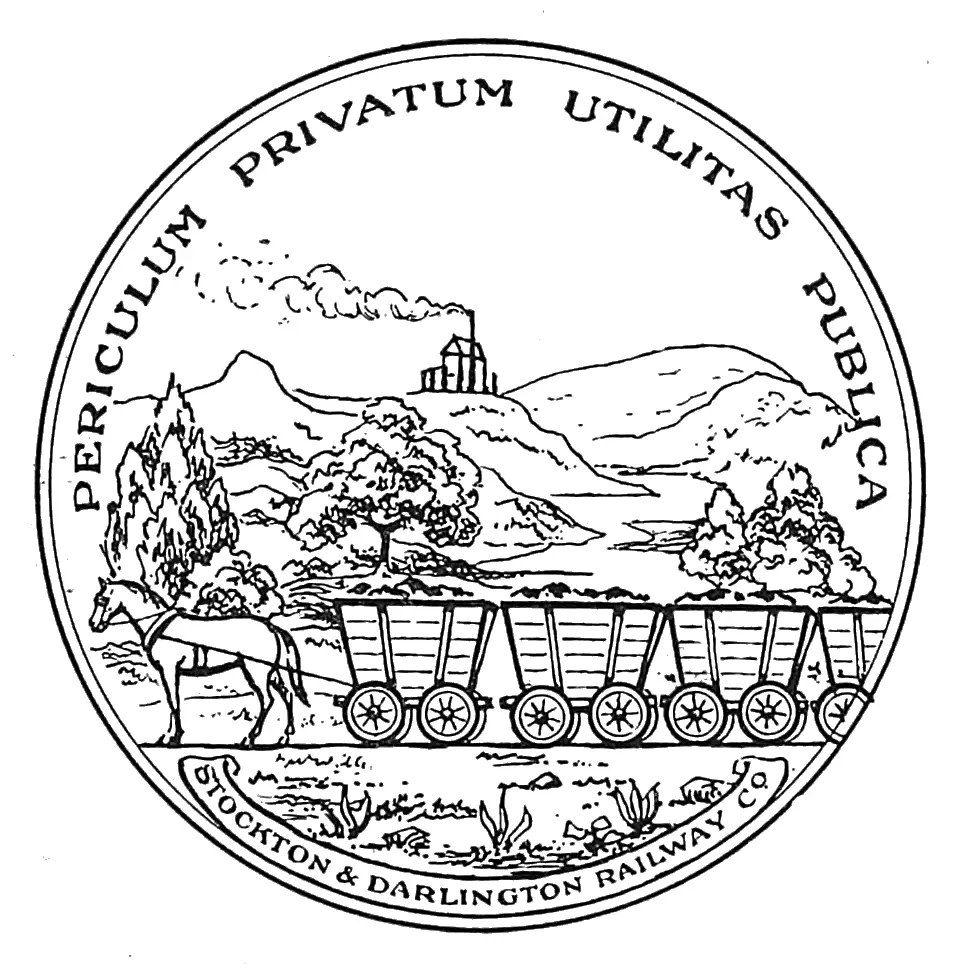
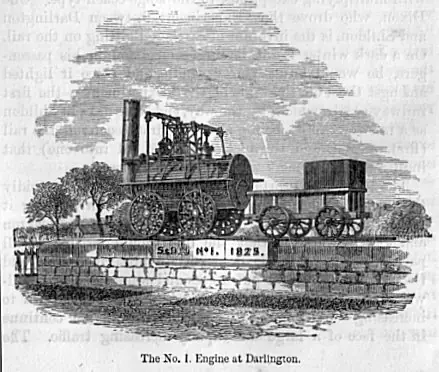
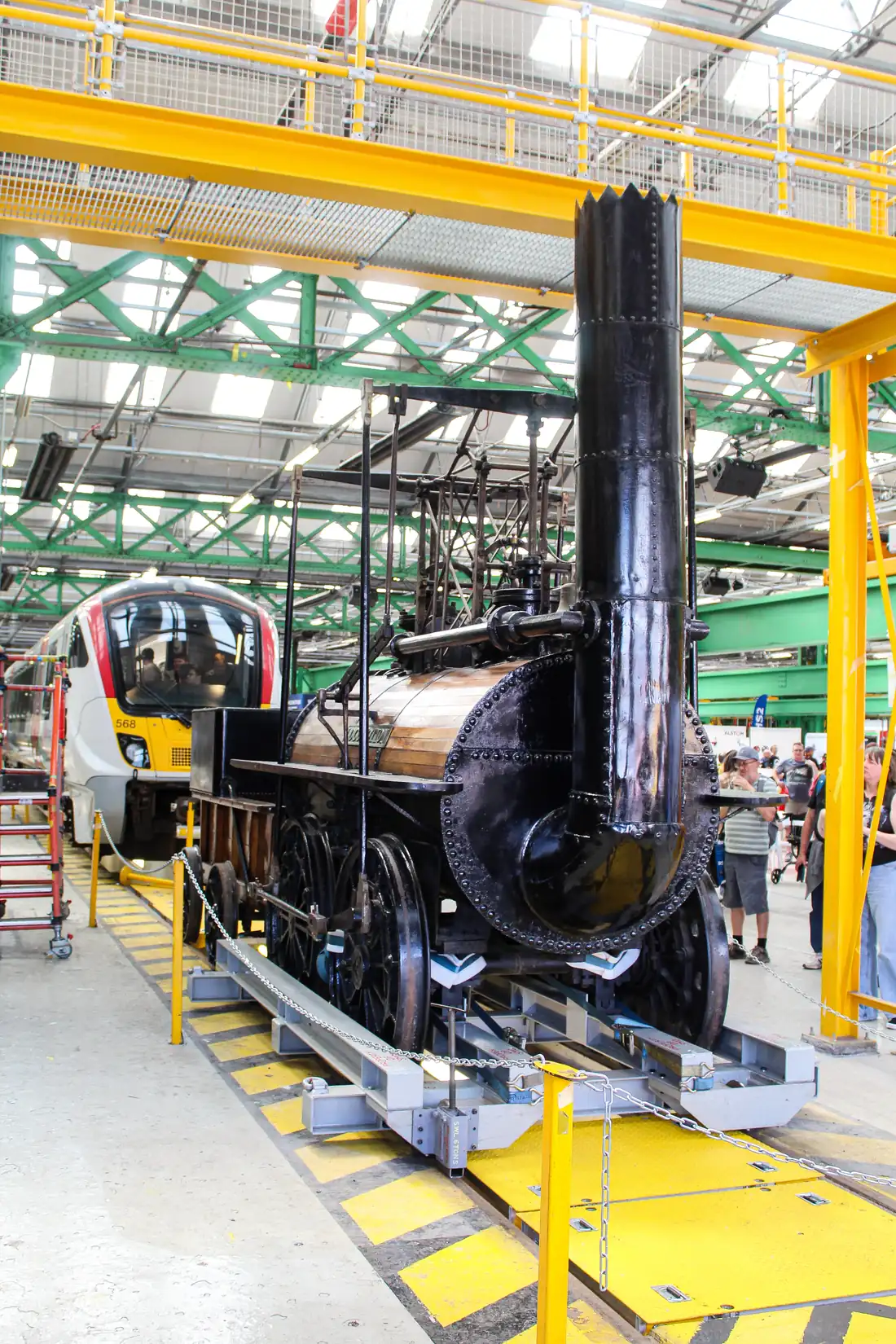
The Stockton and Darlington Railway opened as the first public line to use steam locomotives, proving that iron rails could move heavy loads faster than horse‑drawn wagons. Engineer George Stephenson designed the locomotive "Locomotion No 1" with a vertical boiler, two cylinders, and a chain‑driven drive that turned the wheels directly. The engine produced about 20 horsepower, enough to pull a train of 25 wagons weighing roughly 200 tons at a speed of 12 miles per hour. The line stretched 25 miles from Shildon to Stockton, following a route that crossed the River Tees on a cast‑iron bridge built by Robert Stephenson, the younger son of George.
The railway was financed by the Stockton and Darlington Railway Company, whose board included industrialist Edward Pease, known as the "father of the railway". Pease secured a parliamentary Act in 1823 that granted the company the right to lay track, raise £125,000 in shares, and set fares for passengers and freight. The Act also required the company to maintain a safe gradient, limiting the steepest slope to one in 300, a specification that allowed the steam engine to climb without slipping.
On the opening day, 1,800 people witnessed the ceremonial run, and a total of 600 passengers were carried in the first week, demonstrating immediate public demand. The railway moved 350,000 tons of coal in its first year, reducing the cost of coal in the region by about 30 percent. This cost reduction lowered household heating expenses for roughly 50,000 families in County Durham and surrounding areas.
The success of the Stockton and Darlington line triggered a rapid expansion of rail networks across Britain. Within ten years, over 2,000 miles of track were laid, employing more than 100,000 workers in construction, locomotive building, and operations. The railway model also influenced the United States, where the Baltimore and Ohio Railroad opened in 1827, adopting similar engineering standards. By the mid‑19th century, rail transport accounted for half of all inland freight movement, reshaping industrial supply chains and accelerating urbanisation.
The immediate effect of the 1825 opening was the demonstration that steam power could be reliably applied to public transport. This proof of concept led investors to fund dozens of new lines, and governments to pass legislation supporting railway standards. The ripple effect was a transformed economy in which goods and people moved at unprecedented speed, laying the groundwork for the modern industrial world.
William, Duke of Normandy, assembled a fleet at the mouth of the Somme River after King Edward's death in January 1066. The fleet consisted of roughly seven hundred ships, carrying an estimated five thousand infantry, two thousand cavalry and a comparable number of support personnel. On September 27 the armada crossed the English Channel and reached the Sussex coast the next day, where they disembarked at Pevensey without opposition.
The crossing was possible because the English navy had been weakened by internal conflict and because Pope Alexander II had granted William a papal banner, presenting his claim as a holy mission. Harold Godwinson, who had been crowned king in January, had previously sworn an oath to support William's claim, a promise he later broke by accepting the crown. This oath provided William with a legal pretext that he used to justify the invasion.
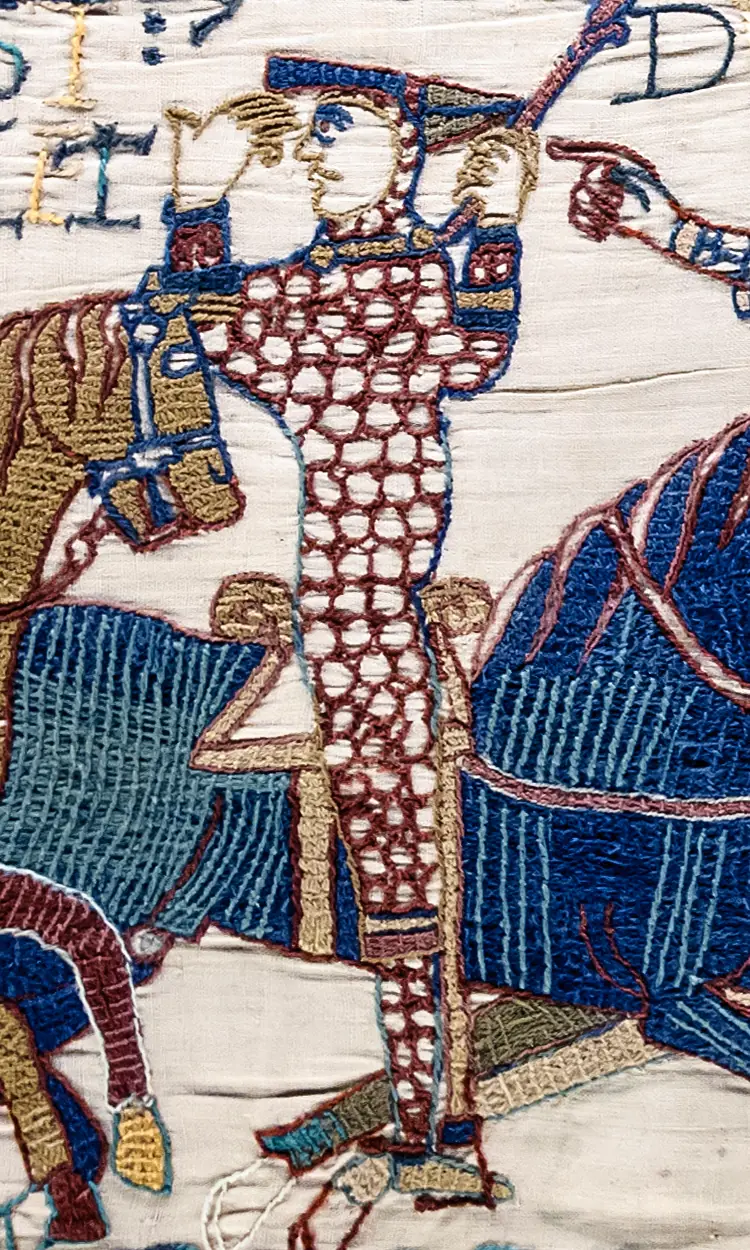
After landing, William secured the nearby town of Hastings and began constructing a fortified camp. He sent messengers to demand Harold's surrender; Harold responded by marching his army from London to meet the Normans. The two forces clashed on October 14 at the Battle of Hastings, a decisive engagement lasting most of the day. Norman cavalry, deployed in coordinated charges, broke the English shield wall after Harold was killed, possibly by an arrow to the eye. Contemporary estimates put Norman casualties at about two thousand, while English losses were higher, perhaps three thousand, and many more were captured.
The victory gave William control of southern England and forced the remaining English nobles to submit. By December 25 William was crowned king at Westminster Abbey, establishing Norman rule that would last for centuries. The conquest introduced feudal land tenure, replaced the Anglo‑Saxon elite with Norman lords, and led to the compilation of the Domesday Survey in 1086, a detailed record of landholdings. The immediate cost included the death of thousands of soldiers, the displacement of Anglo‑Saxon landowners, and the imposition of heavy taxes to fund the new administration. The long‑term consequence was a blended Anglo‑Norman culture that shaped the English language and legal system.
Locomotion No 1 pulled the first passenger train on the Stockton and Darlington Railway, proving that a steam engine could move people as reliably as a horse‑drawn coach. The railway had been authorised by an Act of Parliament in 1823, which granted the Stockton and Darlington Railway Company the right to build a line from the coal mines near Shildon to the River Tees at Stockton. The company raised capital of £125,000 and hired George Stephenson to design the locomotive and oversee construction.
The locomotive was a 0‑2‑2 engine built at Stephenson’s workshop in Newcastle. It used a single pair of driving wheels linked to a piston that moved back and forth inside a cylinder, converting steam pressure into rotary motion. The engine weighed about 6 tonnes and could develop a speed of roughly 12 miles per hour on level track. On the inaugural run, the train consisted of 11 wagons, eight of which carried passengers and three carried freight, and it travelled a distance of 8 miles.
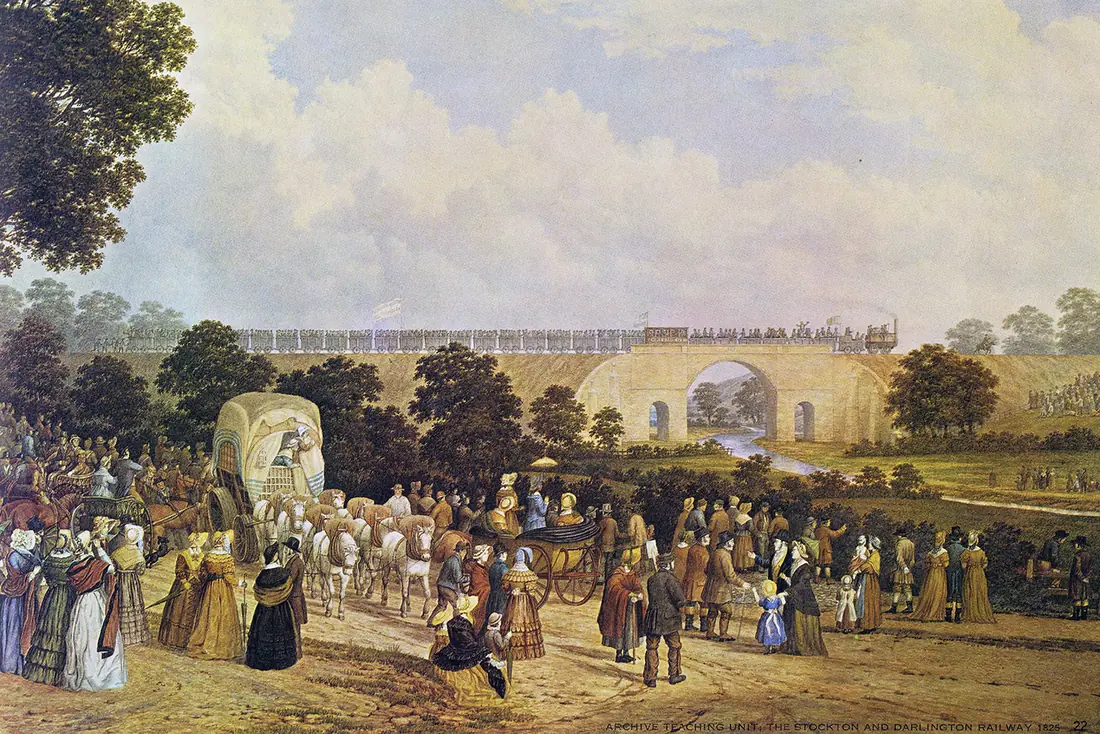
On September 27 1825 the train left Shildon at 8 a.m., stopped at Darlington for a brief inspection, and arrived at Stockton at 8 45 a.m. The line carried 300 passengers in total, a figure recorded in the company’s ledger. The event was witnessed by a crowd that included the railway’s directors, local landowners, and members of the public who had paid a fare of one shilling. The success was reported in contemporary newspapers, which noted that the locomotive ran smoothly and that the passengers experienced no discomfort.
The immediate impact was a rapid increase in traffic on the line; within the first year the company reported a rise of 30 percent in passenger numbers and a 50 percent increase in coal shipments. The demonstration convinced other investors that steam traction could be applied to commercial transport, leading to the formation of additional railway companies across Britain. By the 1840s a network of lines using similar locomotives linked major cities, and the concept spread to continental Europe and North America.
The event marked the end of the belief that rail transport required human or animal power. It created a new economic model in which fixed‑cost infrastructure could be amortised over large volumes of moving goods and people. The principle of using a steam engine to pull a mixed train became standard practice, and it laid the technical and legal foundation for the global railway system that carries billions of passengers each year.