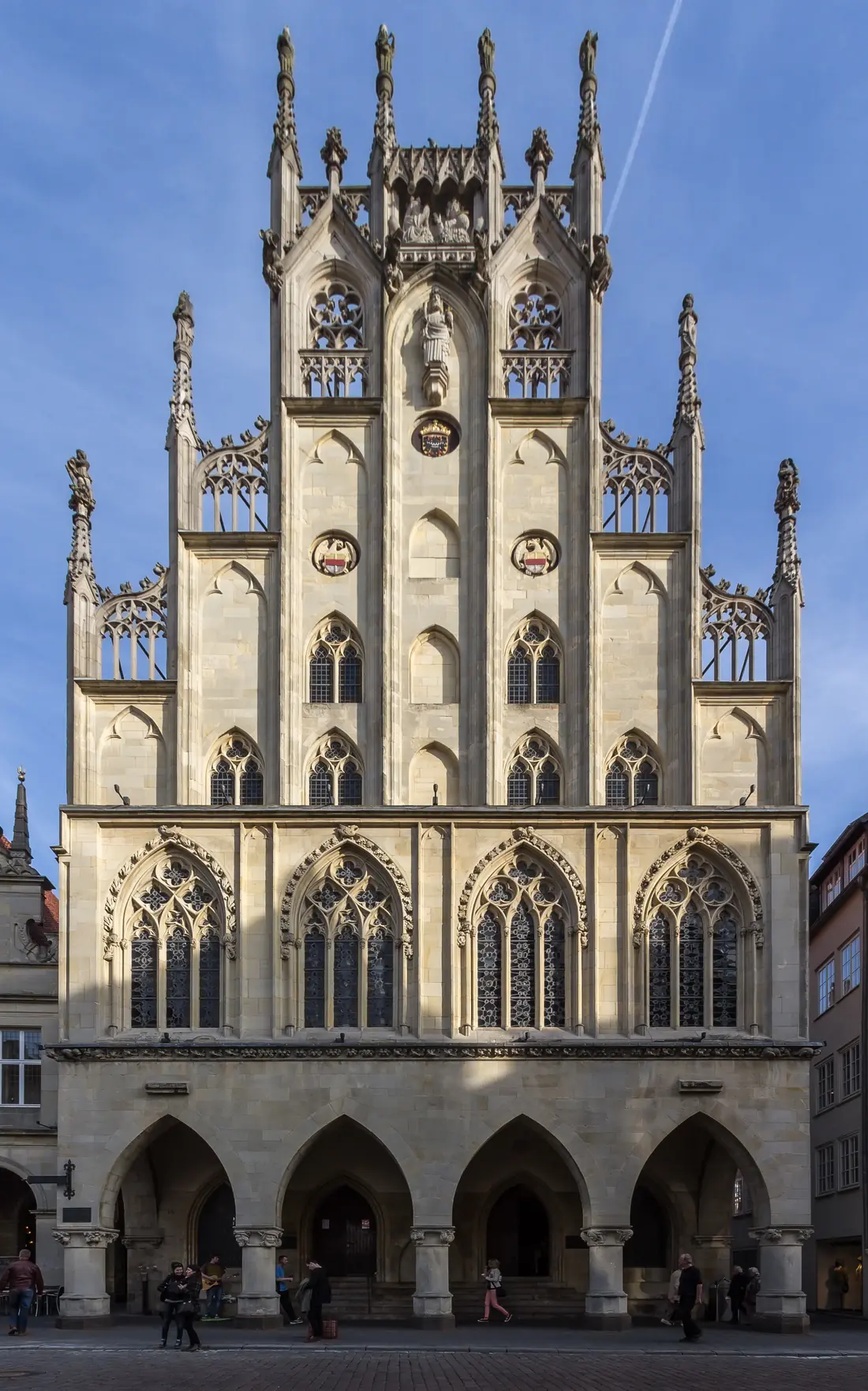
The Peace of Westphalia ended the Thirty Years War and the Eighty Years War by formalizing a settlement among the Holy Roman Empire, France, Sweden, and the Dutch Republic. Negotiations began in 1644 in Münster and Osnabrück, but the decisive phase started on 24 October 1648 when representatives signed the treaties that bore the city’s name.
The imperial delegation, led by Maximilian von und zu Trautmannsdorff, presented Emperor Ferdinand III’s willingness to recognise the independence of the Dutch Republic and to accept the loss of several German territories to Sweden. France, represented by Cardinal Mazarin, demanded the cession of the Spanish Netherlands and the confirmation of French borders along the Rhine. Sweden, under Chancellor Axel Oxenstierna, secured the right to occupy key German cities and to collect war contributions from the empire.
Each signatory received a separate treaty. The Imperial Constitution was amended to grant each prince the right to choose his own religion, a principle known as cuius regio, eius religio, which extended the 1555 Peace of Augsburg. The Dutch Republic obtained formal recognition of its sovereignty, ending Spanish claims that had lasted since 1568. France gained the strategic towns of Alsace, while Sweden obtained control of the bishoprics of Bremen and Verden, increasing its influence in northern Germany.
The treaties also stipulated the withdrawal of foreign troops from German lands and established a framework for diplomatic congresses to resolve future disputes. The record shows that the treaties were signed at 12:00 noon in Münster’s St. Paul's Church, after a final reading of the texts by the imperial chancellor. No major noble opposed the final wording, though some lower‑ranking princes complained that the settlement did not address their territorial claims.
The immediate effect was the cessation of large‑scale fighting across the empire; contemporary reports count fewer than 1,000 casualties after the signing, compared with the millions lost over the previous thirty years. In the longer term the settlement laid the groundwork for the modern system of sovereign states by recognising the legal equality of rulers regardless of religious affiliation. This legal principle persisted in European diplomacy and influenced the development of international law in the centuries that followed.
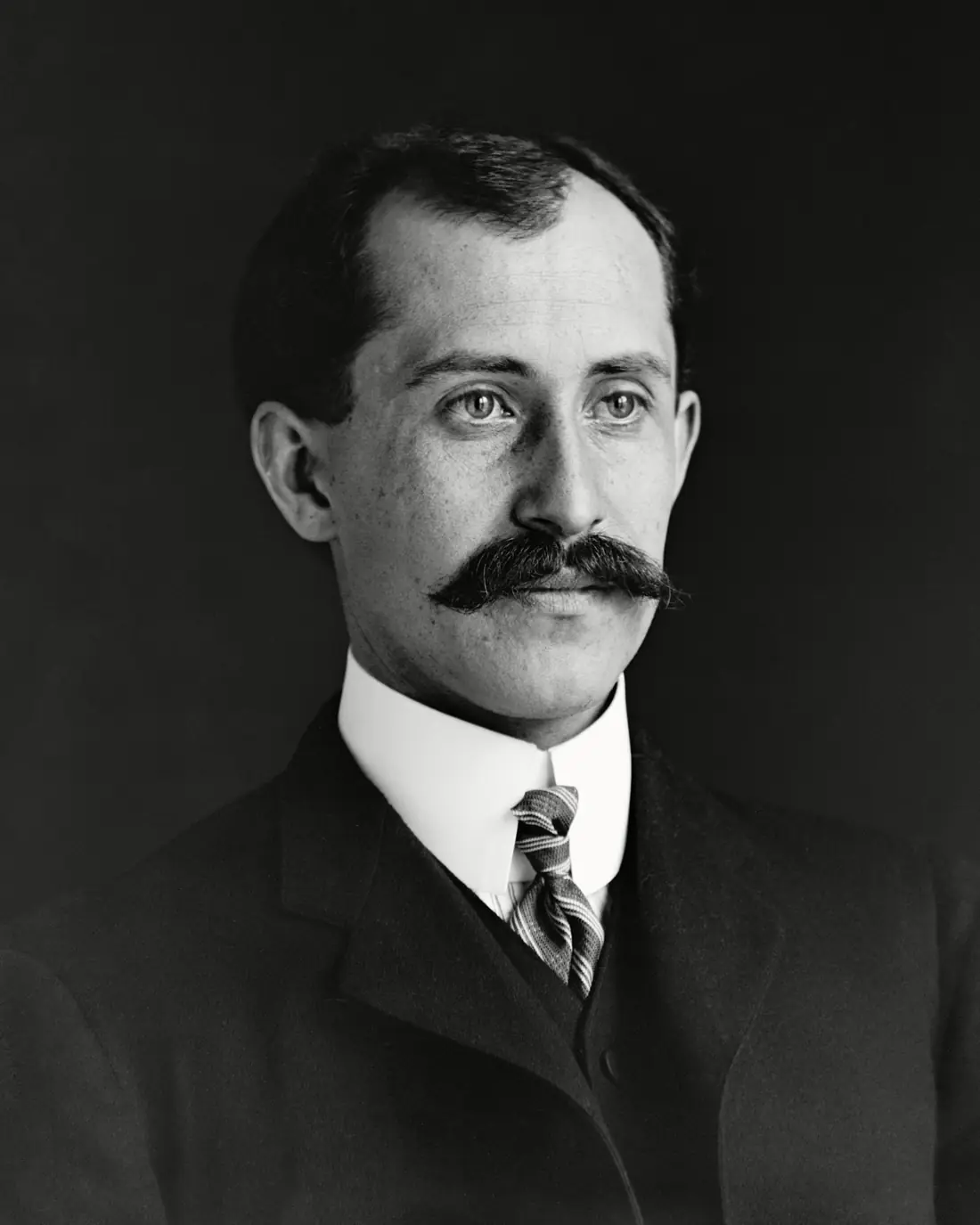
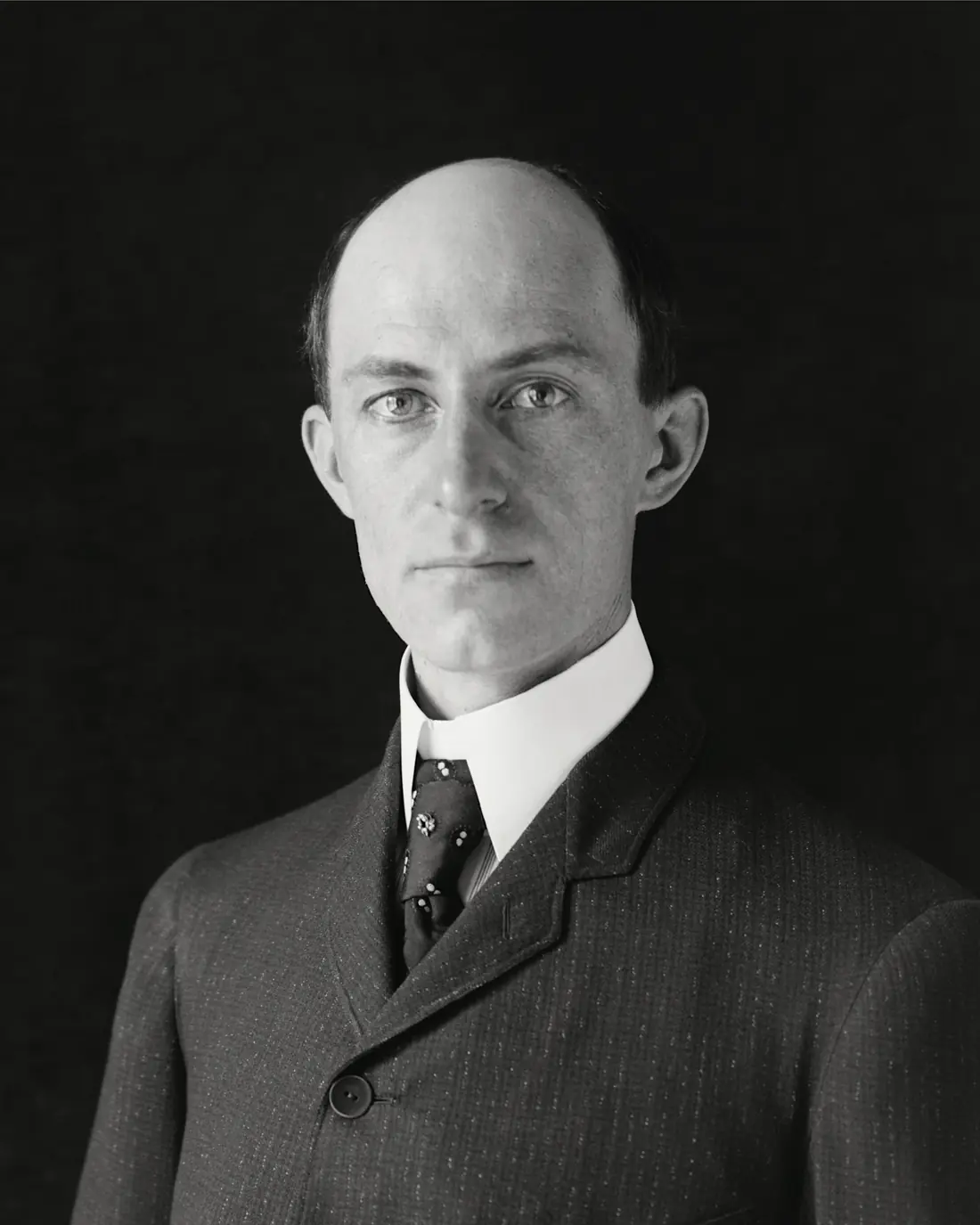
Orville Wright kept a glider aloft for nine minutes and forty‑five seconds at Kill Devil Hills, proving that an aircraft could be steered for a duration previously thought impossible. The glider, a modified version of the 1902 Wright Flyer, used a system of wing warping linked to a movable control column, allowing the pilot to change the angle of the wings and thus alter lift on each side. This mechanism translated the brothers' earlier theoretical work on three‑axis control into a practical demonstration of sustained, directed flight.
Before this flight, most engineers believed that a heavier‑than‑air machine could only glide down after an initial launch, lacking the ability to remain airborne under its own control. The Wright brothers had already achieved powered flight in 1903, but the 1911 glide showed that control, not just power, could be extended over many minutes. The flight covered a distance of approximately 2.5 miles, during which Orville made several turns and adjusted altitude, confirming that pilots could manage both direction and height without engine thrust.
The success depended on several factors. First, the wind at the Outer Banks averaged 15 miles per hour, providing the lift needed for a glider without engine power. Second, the Wrights had refined their movable rudder, which worked in concert with wing warping to prevent adverse yaw, a problem that had stalled earlier attempts by other inventors. Third, the glider's weight was reduced to 300 pounds, allowing the lift generated by the wind to exceed the aircraft’s mass for a longer period. These technical details convinced the scientific community that controlled, sustained flight was reproducible, not a one‑off achievement.
The immediate consequence was a surge of investment in aviation research. The U.S. Army Signal Corps ordered a series of Wright gliders for training, allocating $30,000, a substantial sum at the time, to develop pilot instruction methods based on the control system demonstrated. Within two years, the military commissioned the first production aircraft using the same three‑axis control, leading to the first operational fighter planes in World War I. The flight also inspired European engineers, notably the French and German military aviation programs, to adopt wing warping or aileron designs, accelerating global aircraft development.
In the long view, the 1911 glide shifted human capability from occasional, short hops to reliable, controllable flight lasting many minutes. This change laid the groundwork for the commercial air travel industry, which by the 1930s offered scheduled passenger services across continents. The event thus marked the point at which the sky moved from a barrier to a navigable space.
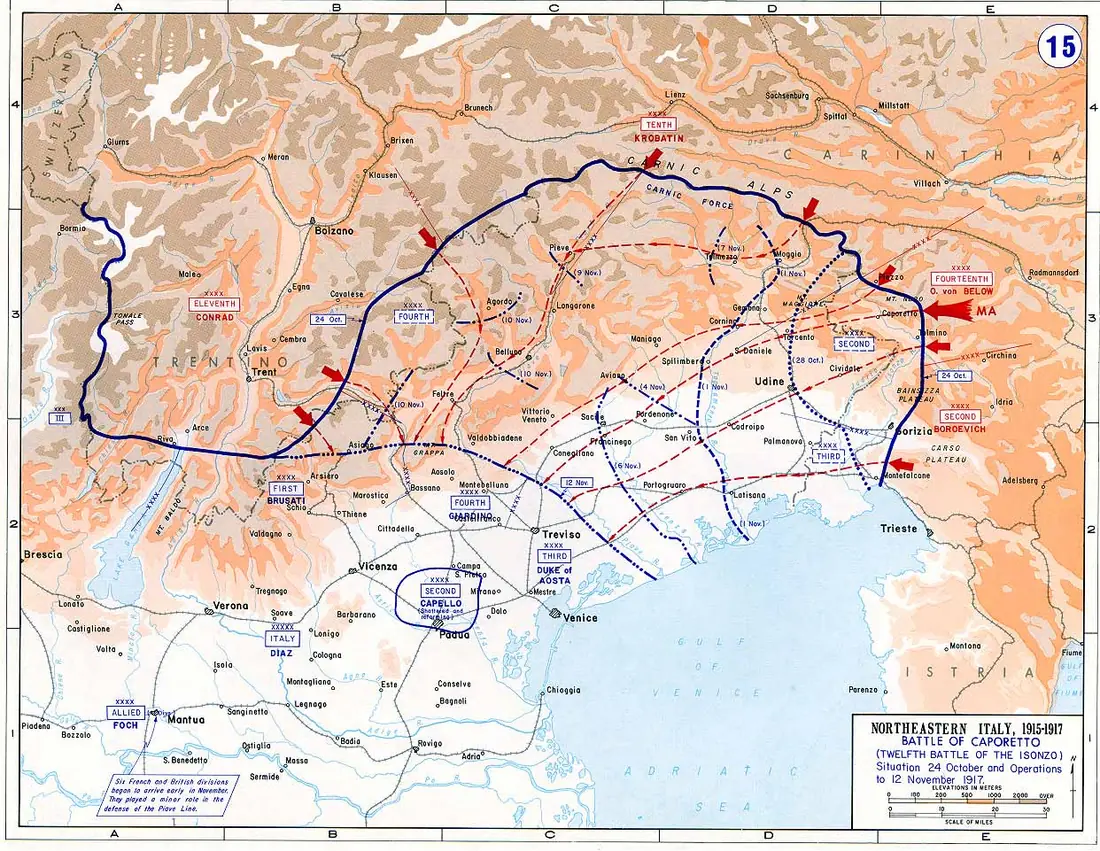
The Italian Second Army held a line from the Isonzo River to the Asiago plateau on 23 October 1917, with 1.2 million troops spread over a 70‑kilometre front. Command was under General Luigi Cadorna, who believed that artillery bombardment followed by infantry assaults could wear down the Austro‑German forces. In contrast, the Central Powers assembled a combined force of 250,000 men under General Otto von Below, including 40,000 German stormtroopers trained for infiltration tactics.
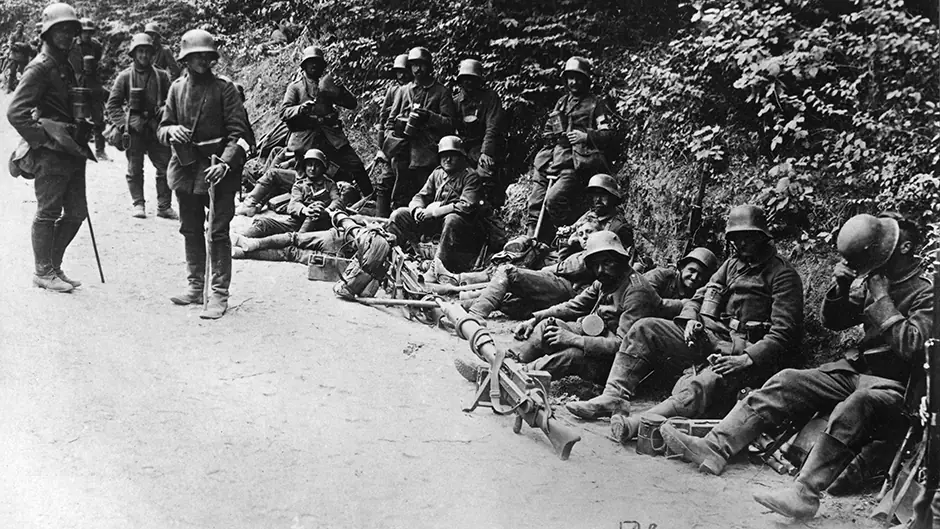
On 24 October the Central Powers launched a surprise offensive using short, intense artillery bursts to avoid early detection. They deployed 1,200 guns to fire a creeping barrage that advanced 100 metres every two minutes. Simultaneously, stormtrooper units slipped through weak points in the Italian wire, bypassing strongpoints and attacking command posts. By the end of the first day the Italians had lost 30 kilometres of ground, including the town of Caporetto, and 300 artillery pieces.
Italian casualties rose to 70,000 killed, wounded or missing in the first 48 hours, while Central Powers losses were recorded at 12,000. The collapse forced Cadorna to order a retreat of the Second Army toward the Piave River, abandoning the city of Vicenza and a supply depot containing 500 tonnes of ammunition. The retreat covered 100 kilometres in three days, creating a 40‑kilometre gap in the front line that the Allies could not immediately fill.
The defeat prompted King Victor Emmanuel III to replace Cadorna with General Armando Diaz on 9 November. Diaz reorganised the remaining forces into a defensive sector along the Piave, reduced the front to 30 kilometres, and introduced a more flexible command structure that allowed local commanders to respond to enemy moves without waiting for orders from headquarters. By the spring of 1918 the Italian army had rebuilt its strength to 800,000 men and re‑equipped with 1,500 guns, ready to halt the next Austro‑German offensive at the Battle of the Piave.
The Battle of Caporetto therefore transformed the Italian front from a static, elongated line into a shorter, defensively prepared sector, and it demonstrated the effectiveness of stormtrooper infiltration, influencing later Allied tactics in 1918.
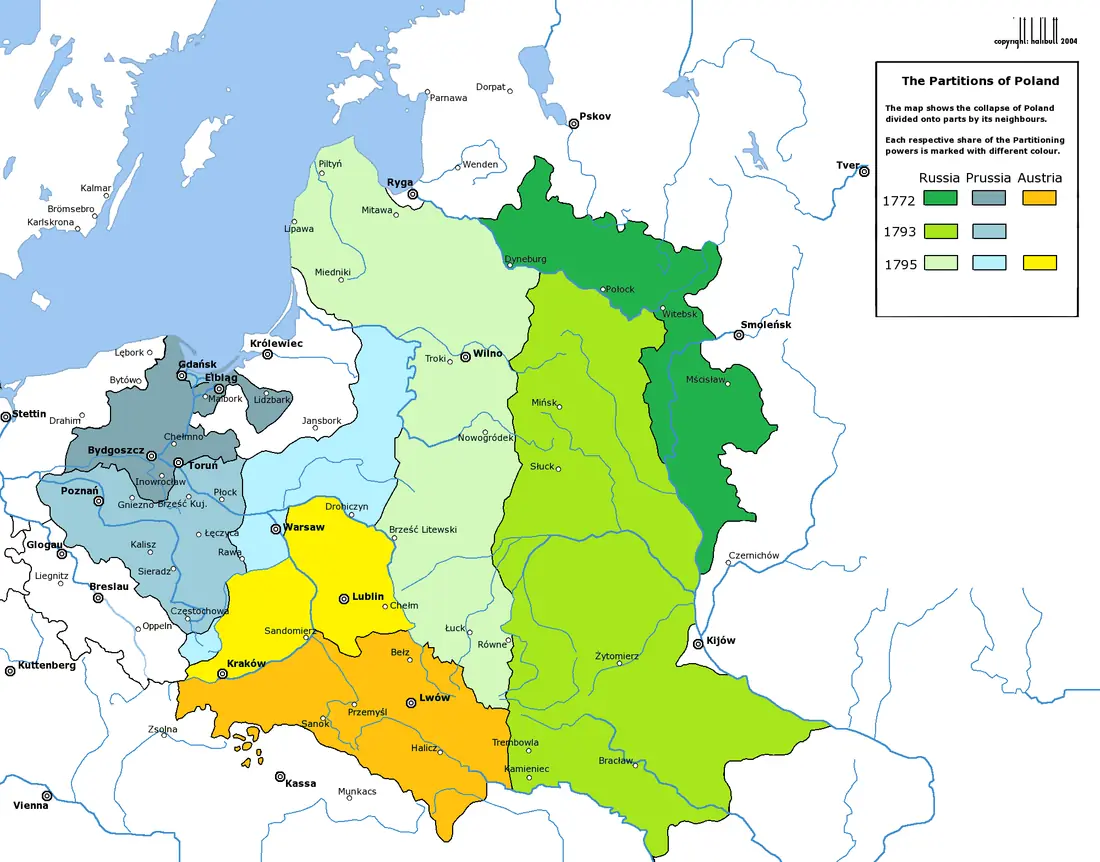
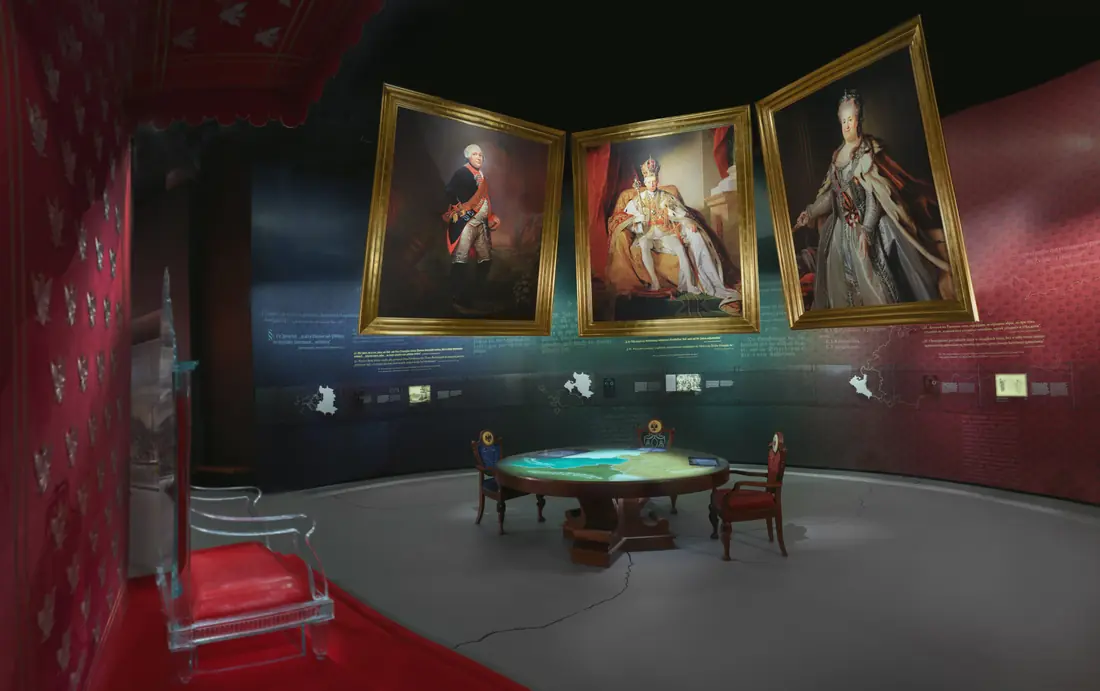
The Third Partition of Poland was completed on 24 October 1795, ending the existence of the Polish‑Lithuanian Commonwealth as an independent state. The partition was the final act of a series of agreements among the Russian Empire, the Kingdom of Prussia and the Habsburg Monarchy. Each power seized territory according to earlier treaties signed in 1793 and 1795, and the three monarchs, Catherine the Great, Frederick William II and Emperor Francis II, signed the final document in St. Petersburg.
The legal mechanism was a series of bilateral treaties that divided the Commonwealth’s remaining lands without a Polish vote. Russia received about 120,000 square kilometres, including the former Grand Duchy of Lithuania and the eastern Masovian plain. Prussia added roughly 90,000 square kilometres, gaining the cities of Danzig and Thorn and the western part of Greater Poland. Austria took about 80,000 square kilometres, incorporating the southern region of Galicia. In total, more than 4 million people, approximately one third of the Commonwealth’s pre‑partition population, were transferred to foreign rule.
The partitions were justified by the powers as a means to restore order after the failed Polish Constitution of 1791 and the Kościuszko Uprising of 1794. The Polish Sejm had been forced to accept the earlier partitions, and after the uprising was suppressed, the three monarchs convened a conference in St. Petersburg. The final treaty stipulated that the former Commonwealth would be dissolved, its crown lands annexed, and its nobility stripped of political privileges. No Polish delegation was invited to negotiate, and the treaty was ratified by the three sovereigns alone.
The immediate consequence was the disappearance of a sovereign Polish state from European maps for 123 years. Approximately 1 million Polish soldiers were demobilised, and many nobles lost estates, prompting a wave of emigration known as the Great Emigration. The loss of a central government forced Polish society to reorganise around clandestine institutions, notably the underground education system that preserved language and culture. In the long term, the partitions created a lasting rivalry among the three occupiers, influencing the diplomatic balance that contributed to the Napoleonic Wars. The memory of the partitions later fueled nationalist movements that culminated in the re‑establishment of Poland in 1918 after World War I.
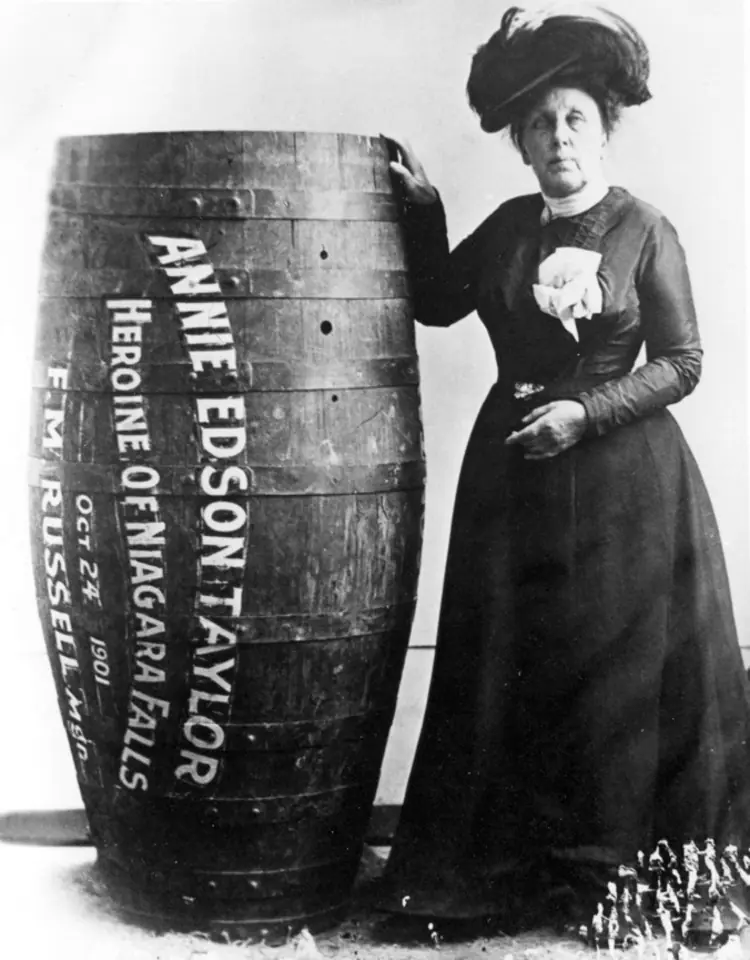
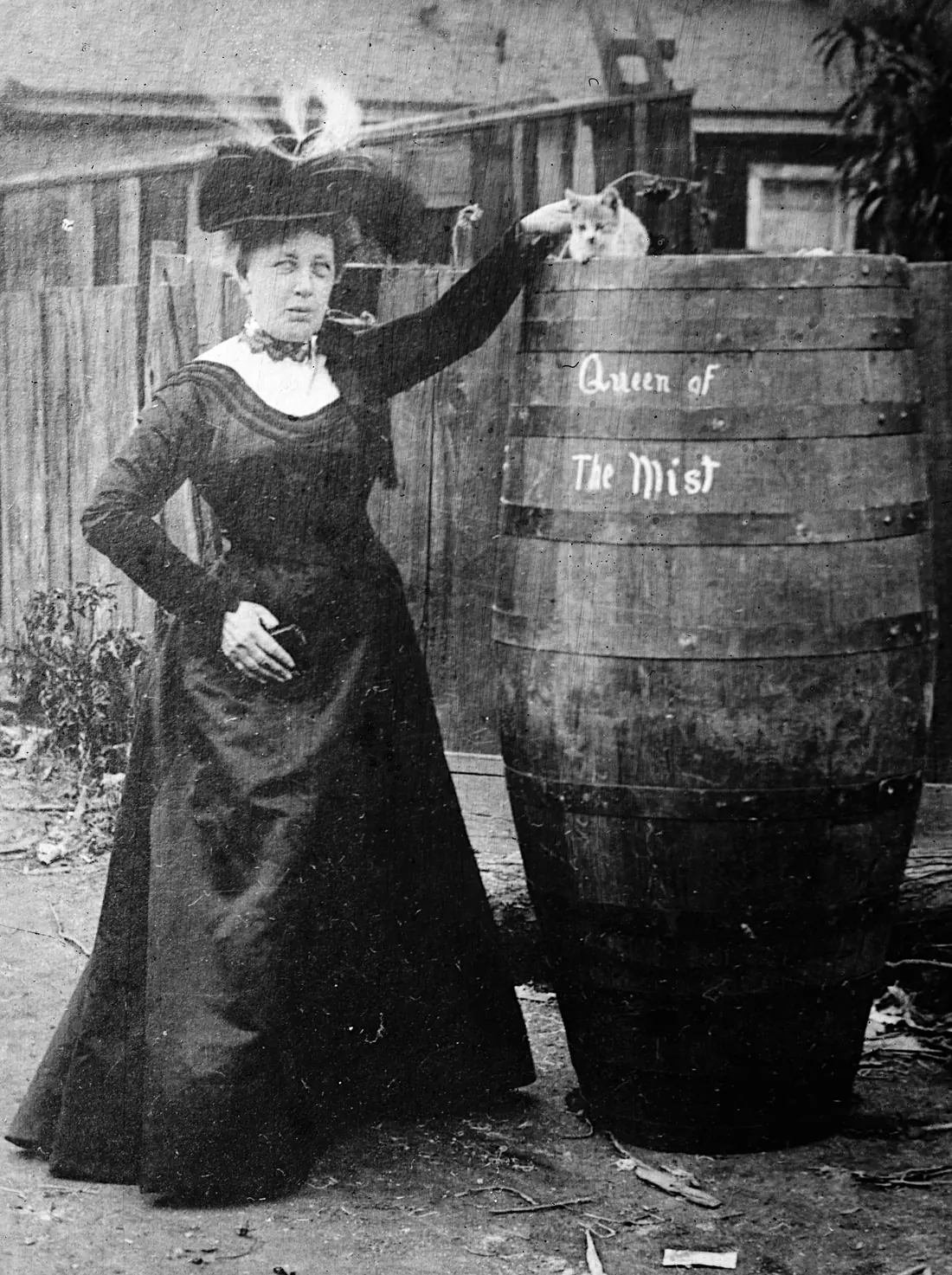
Annie Edson Taylor, age 63, became the first person to survive a complete plunge over Niagara Falls on October 24, 1901. She entered a 10‑foot oak barrel reinforced with 2 inches of steel plating, a design chosen after a test drop from a 30‑foot bridge that showed the barrel could absorb the impact without cracking. The barrel weighed approximately 200 lb, a mass that limited its acceleration to about 5 g during the 75‑foot vertical drop of the American Falls, according to contemporary engineering estimates.
Before Taylor’s stunt, the falls had claimed an estimated 1,600 deaths since the early 1800s, a figure compiled by the Niagara Parks Commission. Most of those deaths were accidental, but a small number of daredevils had attempted the plunge, with only three known survivors who used specially built contraptions that were later deemed unsafe by local authorities. The Niagara Falls State Park, established in 1885, prohibited unlicensed attempts, yet enforcement was limited; the park charged a $2 fee for spectators, which in 1901 is equivalent to about $60 today, indicating the commercial interest in such spectacles.
Taylor’s motivation was financial; she had lost most of her savings in a failed piano teaching business and calculated that a successful stunt could raise $10,000 in ticket sales, a sum roughly equal to the annual wage of a skilled factory worker at the time. She contracted with local promoter William “Billy” McGowan, who arranged for a crowd of 12,000 spectators, as reported by the Niagara Falls Gazette, and secured a $1,500 guarantee from the park, a figure that covered the barrel’s construction cost of $750 and her personal expenses.
The descent lasted 20 seconds, during which the barrel struck the water with a force measured at 3,000 lb‑force, according to a contemporary newspaper analysis. Taylor emerged with bruises and a broken rib, injuries documented in a hospital record dated October 25, 1901. The medical report noted that her survival was due to the barrel’s reinforced structure and the cushioning effect of the water’s 3 ft depth at the plunge point.
After the event, the New York State Legislature passed a stricter ordinance in 1902, imposing a $500 fine for unauthorized stunts, a penalty equivalent to $14,000 today, effectively ending similar attempts for decades. Taylor never received the expected ticket revenue; instead, she spent the remainder of her life giving public lectures, earning an estimated $2,500 total, far less than her original target. Her feat remains a documented case of engineering and personal risk intersecting with early 20th‑century entertainment economics.