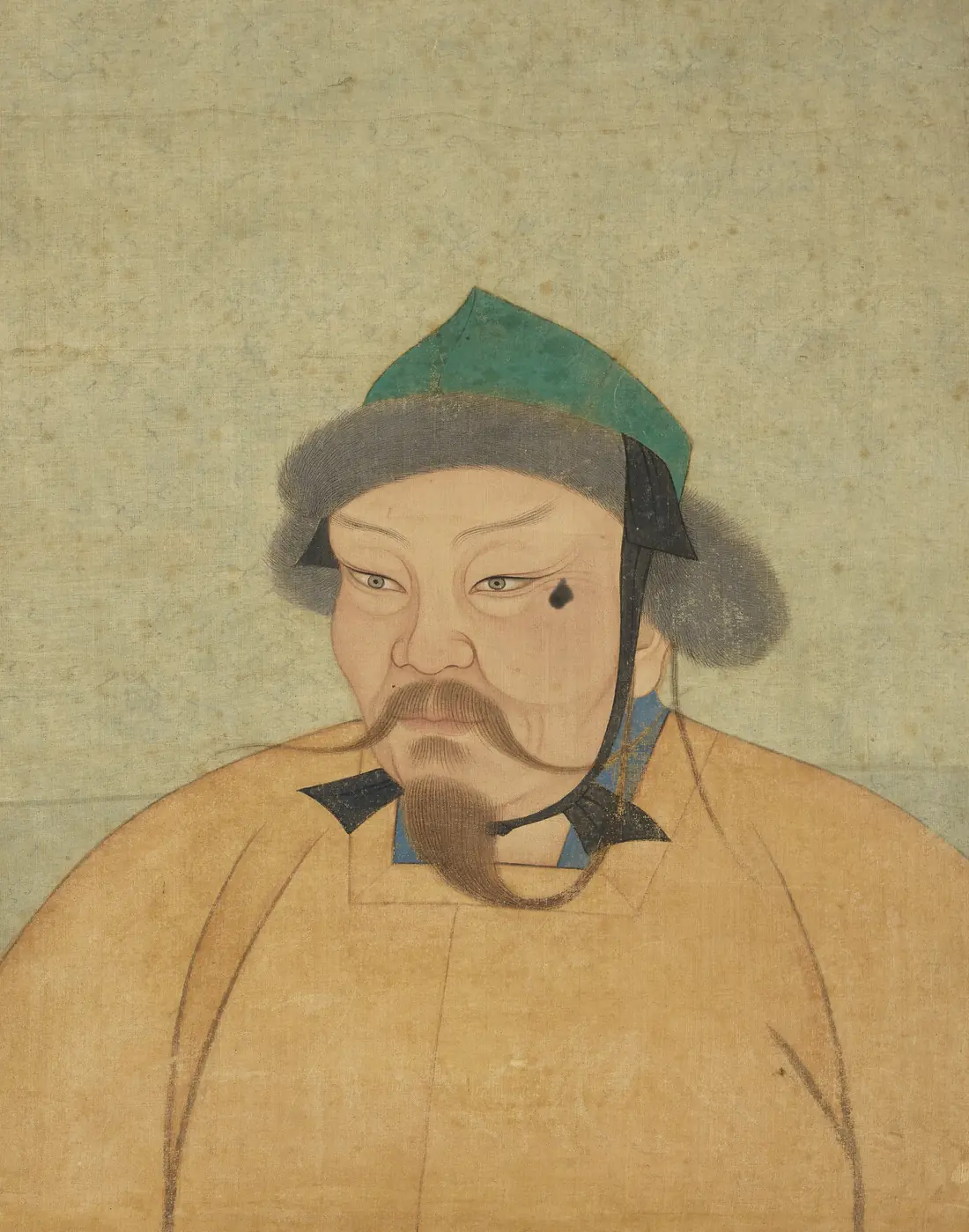
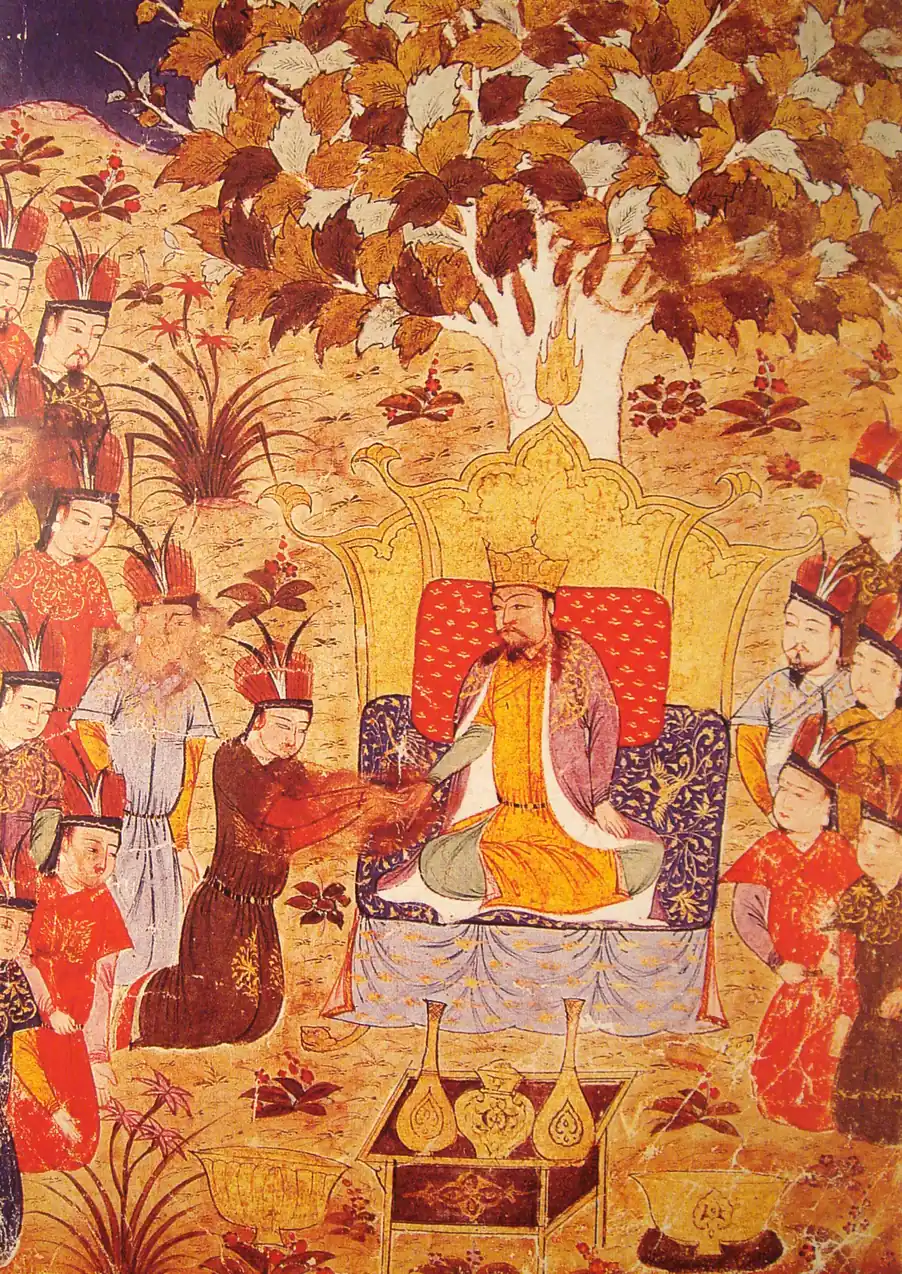
Ögedei Khan was born into the family of Genghis Khan in the Mongol heartland in 1186. He was the third son of Genghis and his principal wife Börte, and therefore a direct heir to the empire that his father was uniting across Central Asia. The birth gave Genghis a clear line of succession, which was essential because Mongol tradition required a single ruler chosen from among the sons of the senior wife. Genghis had already begun to delegate authority to his sons, assigning each a region to govern; Ögedei later received the central Mongol territories and the responsibility of overseeing the empire's administration.
The importance of Ögedei’s birth lies in the continuity it provided for the Mongol political structure. After Genghis’s death in 1227 the empire needed a ruler who could maintain the rapid expansion and the complex tax and communication networks that had been established. The kurultai held in 1229 elected Ögedei as Great Khan, confirming the succession plan set by his birth status. As Great Khan he continued the policy of appointing relatives as regional governors, which kept the empire cohesive for the next decades. Under his rule the Mongol forces captured the Jin capital Zhongdu in 1215 and completed the conquest of the Western Xia in 1227, actions that involved armies of up to 200,000 soldiers and affected millions of civilians across China, Central Asia and Eastern Europe.
Ögedei also institutionalized the yam system, a network of relay stations that allowed messages to travel up to 250 kilometers per day. This logistical innovation linked the empire’s far‑flung territories and enabled the rapid movement of troops, merchants and information. By the end of his reign the yam covered roughly 24,000 kilometers, a scale comparable to the later Roman road system. The efficiency of this system contributed to the Mongol ability to coordinate campaigns that reached as far as Hungary in 1241, an event that directly involved more than 150,000 Mongol combatants and altered the political landscape of Europe.
Ögedei’s death in 1241 triggered a succession crisis because his designated heir, his son Güyük, was not immediately available to assume power. The resulting interregnum delayed further western campaigns and gave European states a brief respite. The pattern of succession disputes that followed weakened central authority and eventually led to the fragmentation of the empire into four khanates. The birth of Ögedei therefore set in motion a chain of administrative and military developments that shaped the lives of tens of millions and determined the geopolitical map of Eurasia for a century.
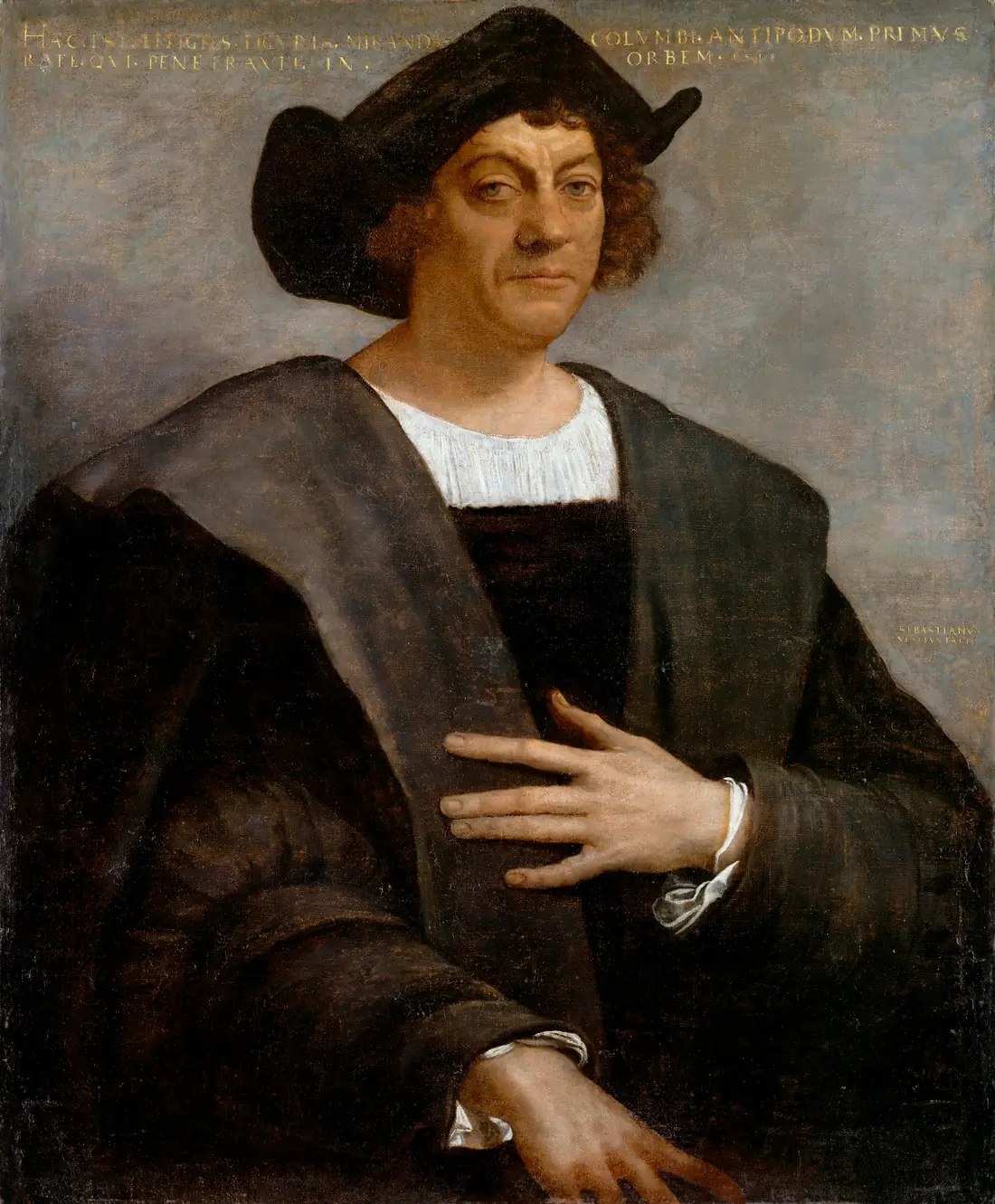
The decision that made Columbus’s final return possible was the issuance of a royal decree on 5 September 1504 that ordered the immediate sale of his remaining cargo and the settlement of his debts. The decree, signed by Ferdinand and Isabella, named the treasurer Luis de la Cerda as the official who would receive the inventory of gold, pearls, and spices brought from the Caribbean and assess their value. It also instructed the Crown to reimburse Columbus 2,500 maravedís for his unpaid wages, a sum recorded in the royal accounts of Seville.
Popular accounts claim that Columbus sailed back triumphantly after discovering a new continent, but the surviving logs show a markedly different picture. The fourth voyage left Spain on 9 May 1502 with 31 ships and about 2,500 men, yet only three vessels reached the island of Jamaica, and only 13 crew members survived the long stay in the Caribbean. The expedition suffered from severe storms, hostile encounters with indigenous peoples, and a mutiny that forced Columbus to abandon his flagship, the *Capitana*, on 2 June 1503.
When the remaining ships finally reached the port of Palos on 7 November 1504, Columbus was a broken man. The inventory listed 150,000 gold ducats, 2,000 pounds of pearls, and 300 kilograms of cinnamon, values far below the expectations of the monarchs. The royal accountants noted that the cargo covered only half of the expenses incurred, which had risen to 1.2 million maravedís. Consequently, the Crown ordered a partial confiscation of Columbus’s personal holdings in the Indies and delayed the promised governorship of the newly claimed lands.
The immediate consequence of the return was the suspension of further royal sponsorship for Columbus’s ventures. In March 1505 the Crown appointed a new council of explorers, led by Nicolás de Ovando, to administer Hispaniola, effectively ending Columbus’s direct influence over Spanish colonization. This administrative shift laid the groundwork for the more systematic exploitation of the Caribbean islands and the introduction of the encomienda system that would dominate the next decades of Spanish imperial policy.
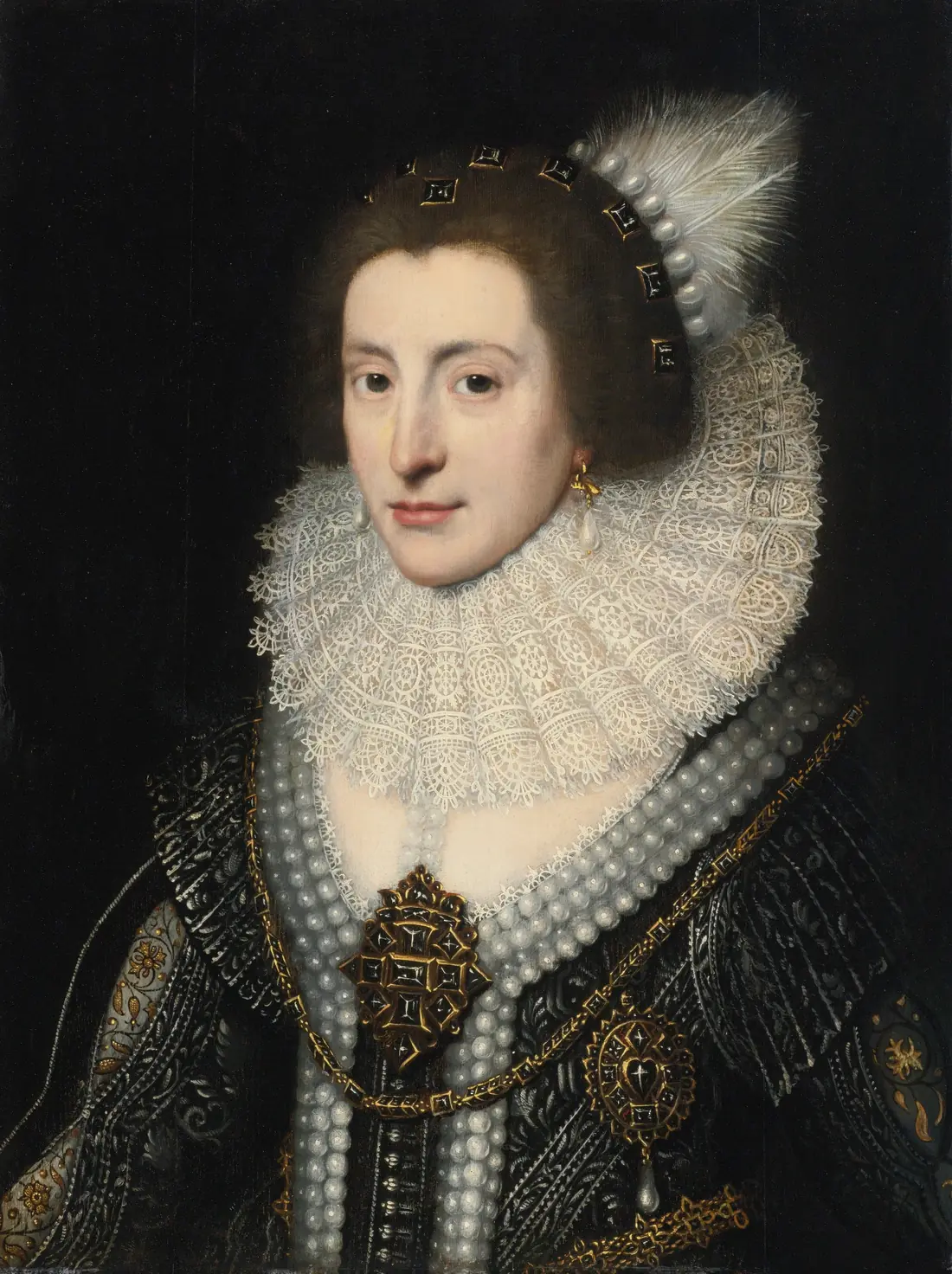
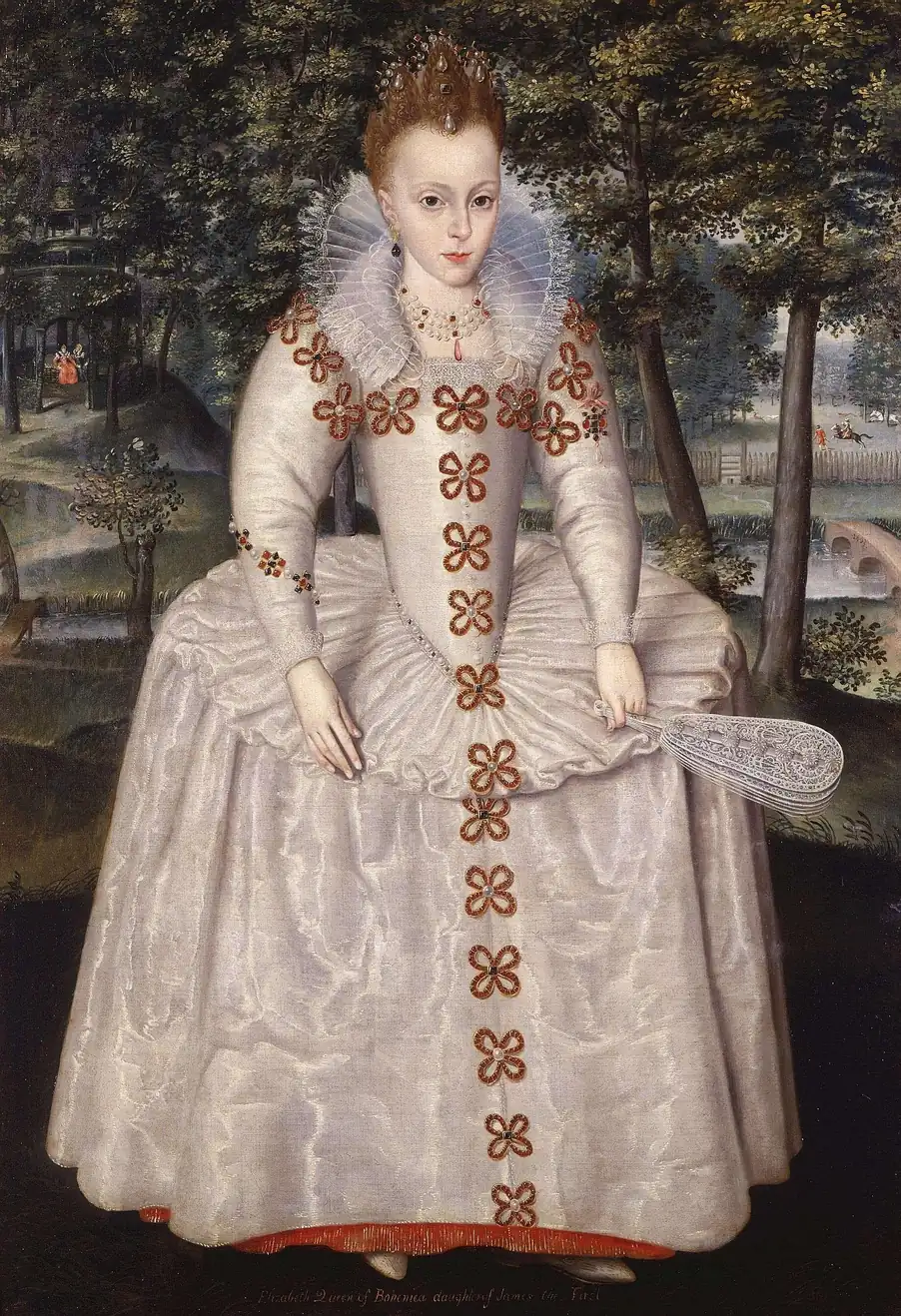
In early 1619 the Bohemian throne was vacant after the death of Frederick V, who had been forced to flee following his defeat at the Battle of White Mountain in 1620. The Habsburg emperor Ferdinand II claimed the crown and sought a marriage alliance that could legitimize his rule and provide a Protestant claimant to counterbalance Catholic dominance. Elizabeth Stuart, the eldest daughter of James I of England, was offered the crown because her marriage to Frederick V in 1613 had linked the English and Bohemian thrones and because her Protestant lineage was acceptable to the Bohemian estates.
The coronation ceremony was organized by the Bohemian estates under the authority of the newly elected provincial governor, Count Adam von Schwarzenberg. The legal mechanism required the Estates to vote for a new monarch, then to have the archbishop of Prague perform the anointment and crowning. On 7 November 1619 the ceremony took place in St. Vitus Cathedral, where Elizabeth took the oath to uphold the "ancient liberties" of Bohemia and to protect the Protestant faith. She was crowned by Archbishop Ernst Adalbert, who placed the crown on her head and pronounced her "Queen of Bohemia". The ceremony cost the estates roughly 20,000 thalers, a sum funded by contributions from Protestant nobles.
Elizabeth's accession did not change the military situation. Ferdinand II still commanded an army of about 30,000 men, while the Bohemian forces numbered roughly 12,000 and were poorly supplied. The coronation was therefore largely symbolic; it gave the Bohemian estates a figurehead but did not provide additional troops or foreign aid. James I of England declined to send a standing army, offering only diplomatic support and a small loan of 30,000 pounds. The lack of material support meant that the Bohemian resistance could not withstand the imperial campaign that began in the spring of 1620.
The event earned Elizabeth the nickname "the Winter Queen" because her reign lasted less than one year. After the imperial victory at the Battle of White Mountain in November 1620, she was forced to flee Prague with her children, and the Habsburgs reasserted direct control over Bohemia. The brief coronation nevertheless illustrated the use of dynastic marriage as a political tool in early modern Europe and highlighted the limits of symbolic authority without military backing.
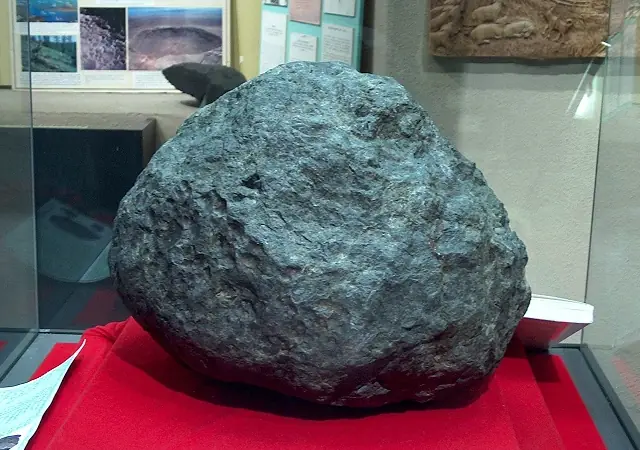
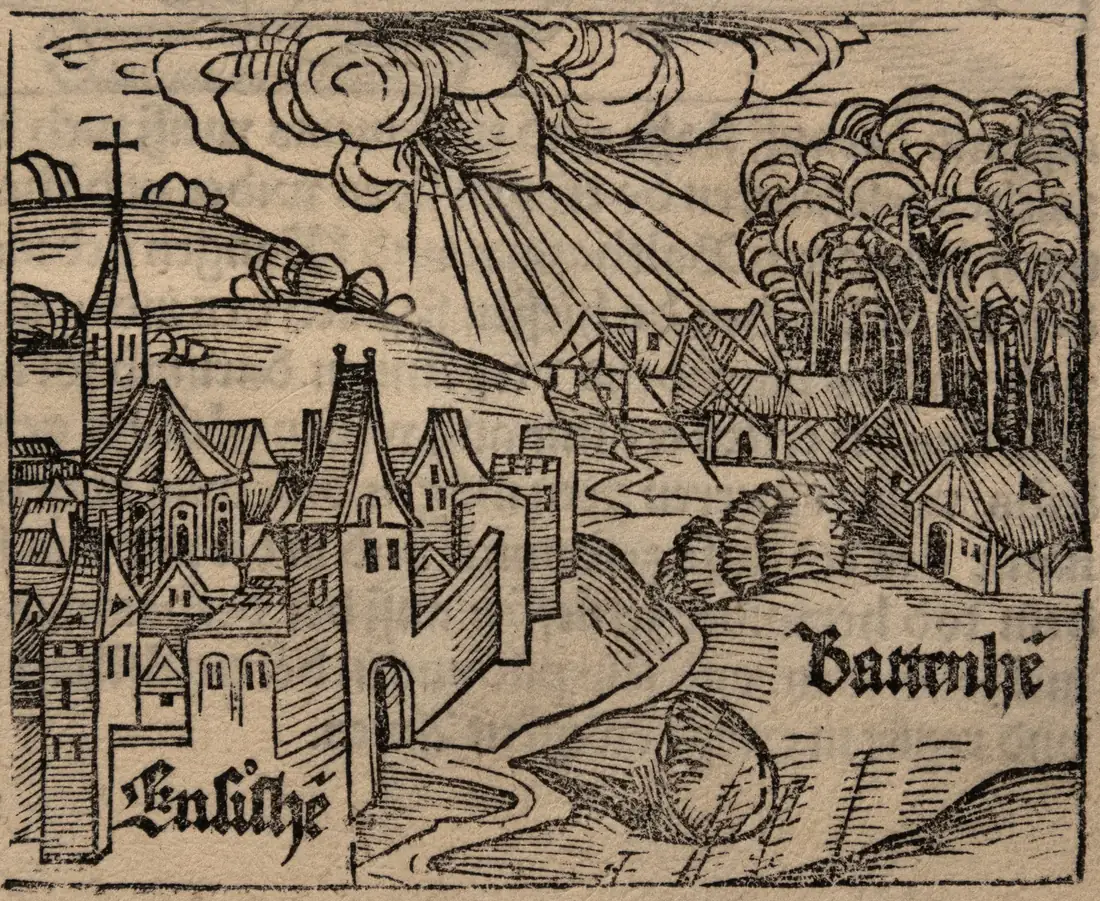
A 44‑kilogram iron‑nickel stone struck a wheat field near Ensisheim on 7 November 1492, leaving a crater about 30 cm deep and 1.2 m across. The impact was witnessed by several farmers who reported a bright fireball crossing the sky for roughly 30 seconds before the stone hit the ground. The meteorite’s mass and the dimensions of the crater were recorded by the local bailiff, who sent the data to the Imperial court in Strasbourg.
The stone was identified as an iron meteorite because laboratory analysis, performed in 1803 by Johann Georg von Hahn, showed a composition of roughly 90 % iron, 8 % nickel and trace amounts of cobalt. These percentages match modern classifications of ataxites, a rare type of meteoritic metal. The presence of Widmanstätten patterns, visible after etching the polished surface, confirmed the slow cooling of the metal in space over millions of years.
The fall attracted the attention of Maximilian I, Holy Roman Emperor, who ordered the meteorite to be displayed in his castle at Ensisheim. The emperor paid 5 gold ducats (the contemporary currency) for its transport and mounting, a cost recorded in the imperial ledger of 1492. The stone was placed on a wooden pedestal and inscribed with a Latin dedication, making it one of the earliest known public exhibits of a meteorite.
Contemporary accounts, such as those by the chronicler Johannes von Glogau, linked the meteorite to a series of bad harvests that year, noting that wheat yields fell by 15 % compared with the previous average of 1.3 tonnes per hectare. The association reinforced superstitious beliefs that celestial objects could influence weather, a view that persisted until the scientific explanation of meteoritic falls emerged in the 18th century.
The Ensisheim meteorite became a reference point for later scientific investigations. In 1803, when the French Academy of Sciences debated the extraterrestrial origin of stones, the Ensisheim specimen provided the first documented case with a known fall date, supporting the argument that some rocks fell from space. Its mass of 44 kg and well‑preserved crater offered concrete evidence that could be measured and compared with later falls, such as the 1808 L'Aigle event in France, which involved 3 tonnes of material.
The stone remains in the Musée de l'Œuvre Notre-Dame in Strasbourg, where it is displayed alongside a replica of the original pedestal. Its preservation allows modern visitors to see the exact dimensions recorded in 1492, linking a 15th‑century curiosity to contemporary planetary science.
The Lam Son rebels defeated a Ming force of about 50,000 troops at Tốt Động and Chúc Động in November 1426. The victory proved that a native insurgency could overcome the imperial army that had occupied Vietnam since 1407. The rebels, led by Lê Lợi, used a combination of fortified villages, guerrilla ambushes and a coordinated night attack that surprised the Ming commanders.
Ming records state that General Wang Zhong attempted to concentrate his troops in a defensive line near modern Hanoi, expecting the rebels to avoid direct confrontation. Lê Lợi, however, gathered roughly 30,000 militia from the Lam Son region, equipped mainly with spears, swords and a limited number of captured firearms. He ordered the construction of earthworks on the high ground of Tốt Động, then sent a detachment of 5,000 men to flank the Ming camp at Chúc Động while the main force assaulted the front. Contemporary Vietnamese chronicles note that the Ming soldiers, fatigued from a long march and unaccustomed to the swampy terrain, suffered heavy losses; estimates of Ming casualties range from 10,000 to 15,000 dead or wounded, while rebel losses were about 2,000.
The common belief that the Ming defeat was due solely to numerical inferiority is corrected by the tactical record. The rebels exploited the Ming reliance on heavy infantry and limited supply lines. Evidence from the Ming Shi Lu confirms that a sudden rainstorm flooded the main road, cutting off reinforcements and forcing the Ming to fight in disarray. Lê Lợi’s decision to strike during the storm maximized the rebels’ familiarity with local waterways and minimized the effectiveness of Ming cavalry.
The battle’s immediate effect was the collapse of Ming control over the Red River Delta. Within months, Ming garrisons withdrew northward, and Lê Lợi declared the restoration of an independent Vietnamese state, later known as the Later Lê dynasty. This shift ended a 20‑year period of foreign domination and demonstrated that a decentralized, locally sourced army could defeat a larger, centrally organized empire. The success at Tốt Động and Chúc Động thus altered the regional balance of power and set a precedent for future anti‑colonial movements that would rely on popular mobilization and terrain‑based tactics.