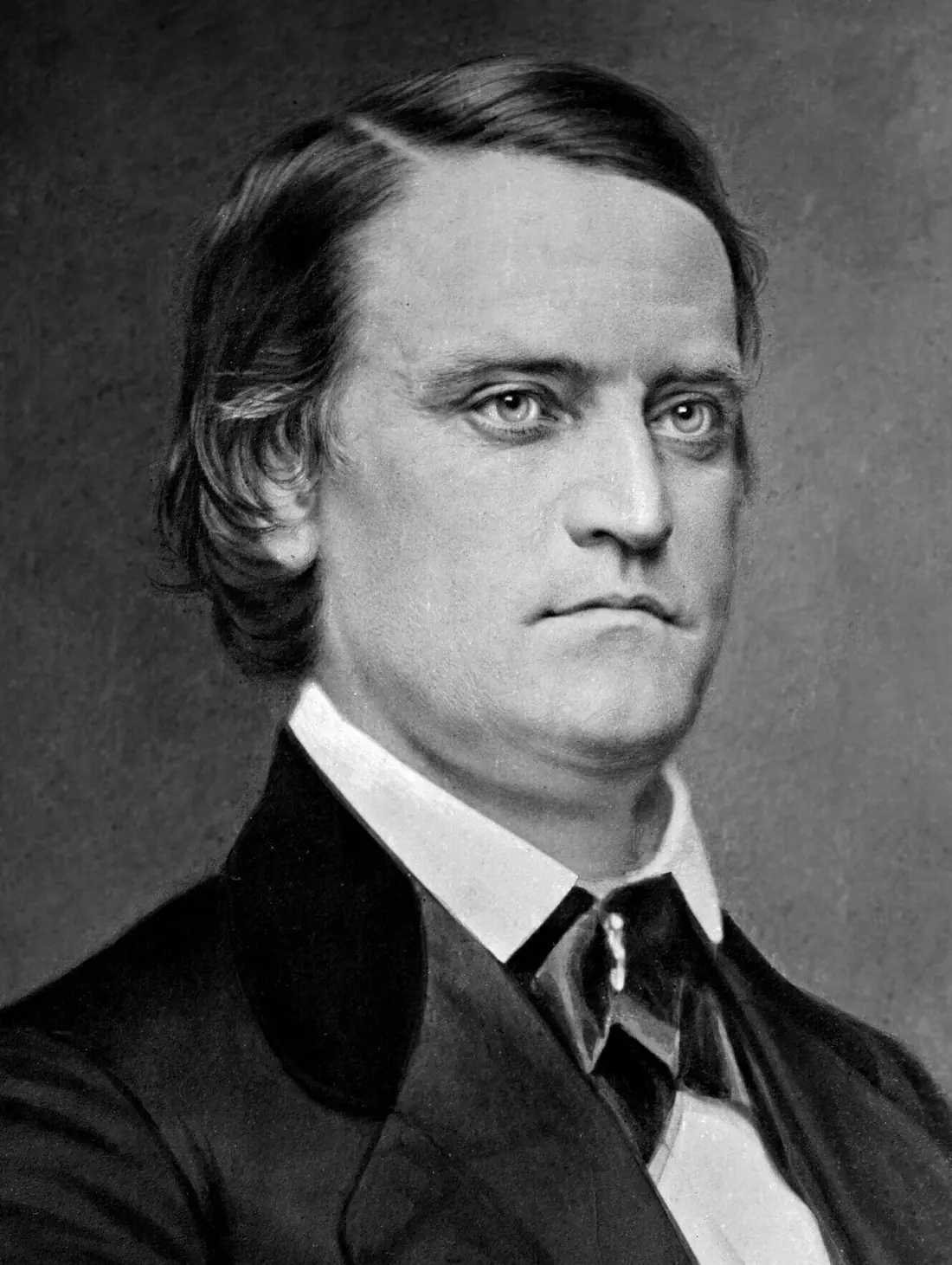
The 1860 election was decided by the collapse of the Democratic Party over the extension of slavery into the territories. In the 1850s the party had been the dominant national coalition, but the 1854 Kansas‑Nebraska Act created two rival factions: the Northern Democrats, who favored popular sovereignty, and the Southern Democrats, who demanded federal protection of slavery. The split was sealed at the 1860 convention in Charleston when Southern delegates walked out after refusing to accept a platform that allowed any federal restriction on slavery. The resulting division forced the party to hold a second convention in Baltimore, where it nominated two separate tickets: Stephen A. Douglas for the Northern Democrats and John C. Breckinridge for the Southern Democrats. This fragmentation left the field open for three other candidates.
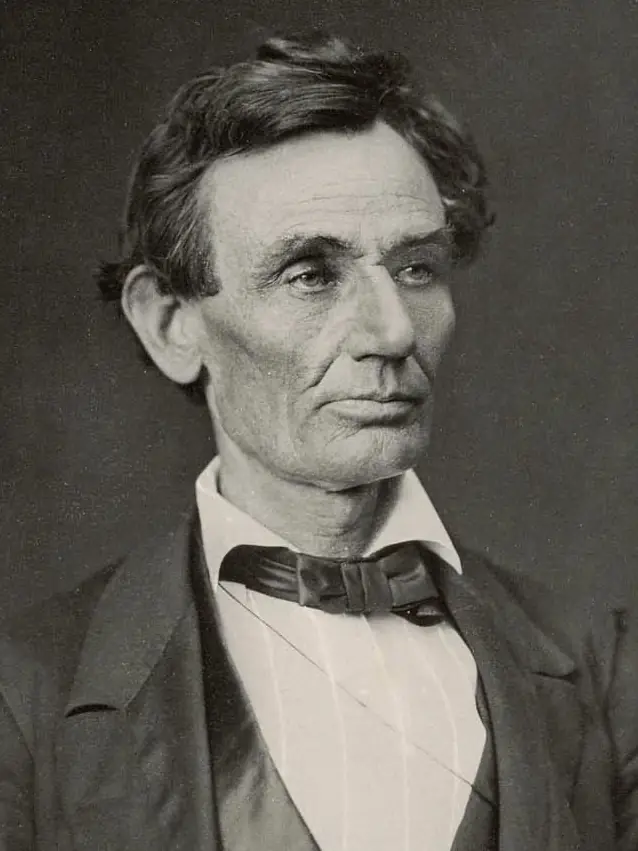
Abraham Lincoln emerged as the Republican nominee after a convention in Chicago that excluded any candidate who supported the spread of slavery. Lincoln never campaigned personally; his supporters distributed 1.1 million printed speeches and pamphlets, and the Republican platform called for preventing slavery’s expansion while leaving existing slave states untouched. On election day Lincoln received 1,865,000 popular votes, about 39.8 percent of the total, but won 180 of the 303 electoral votes because his support was concentrated in the free states. Douglas captured 29.5 percent of the popular vote and 12 electoral votes, Breckinridge 18.1 percent and 72 electoral votes, and John Bell of the Constitutional Union Party 12.6 percent and 39 electoral votes. The electoral map shows that Lincoln carried every state north of the Ohio River, a clear geographic split that reflected the nation’s sectional divide.
The immediate effect of Lincoln’s victory was the secession of seven Southern states before his inauguration. South Carolina acted first on December 20, 1860, followed by Mississippi, Florida, Alabama, Georgia, Louisiana and Texas, all citing the election as proof that their interests could no longer be protected within the Union. These states formed the Confederate States of America in February 1861, setting the stage for armed conflict later that year. Lincoln’s election therefore did not simply place a new president in office; it triggered the legal and political rupture that led directly to the Civil War.
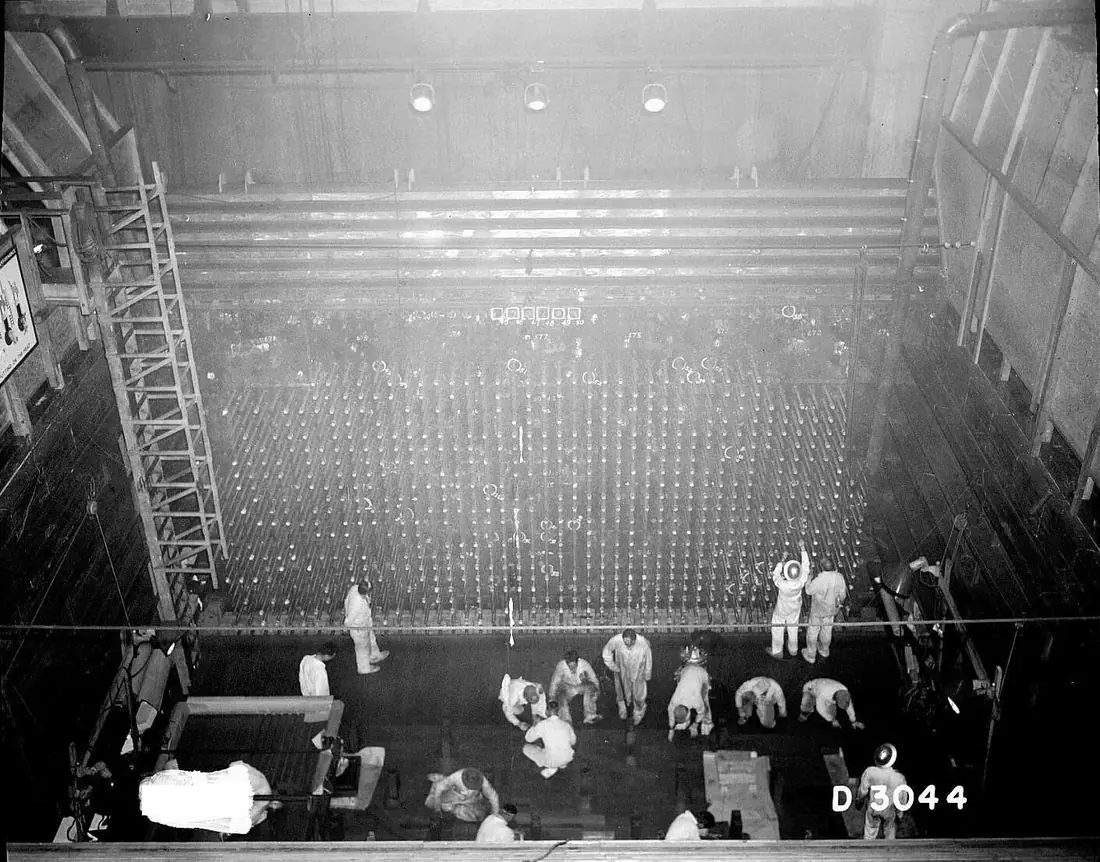
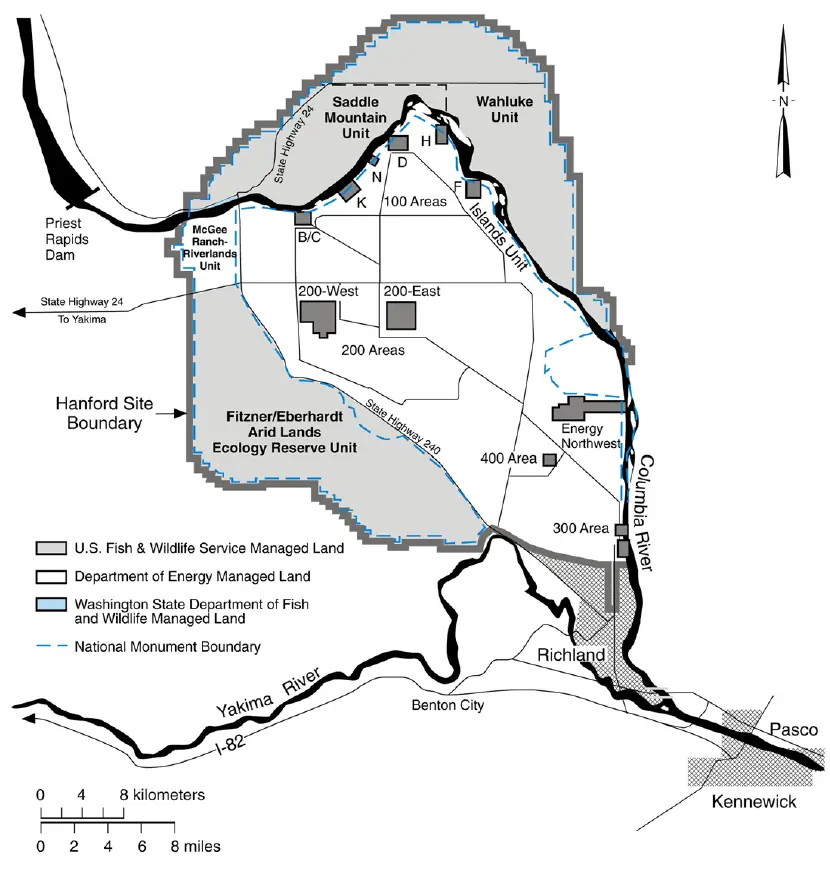
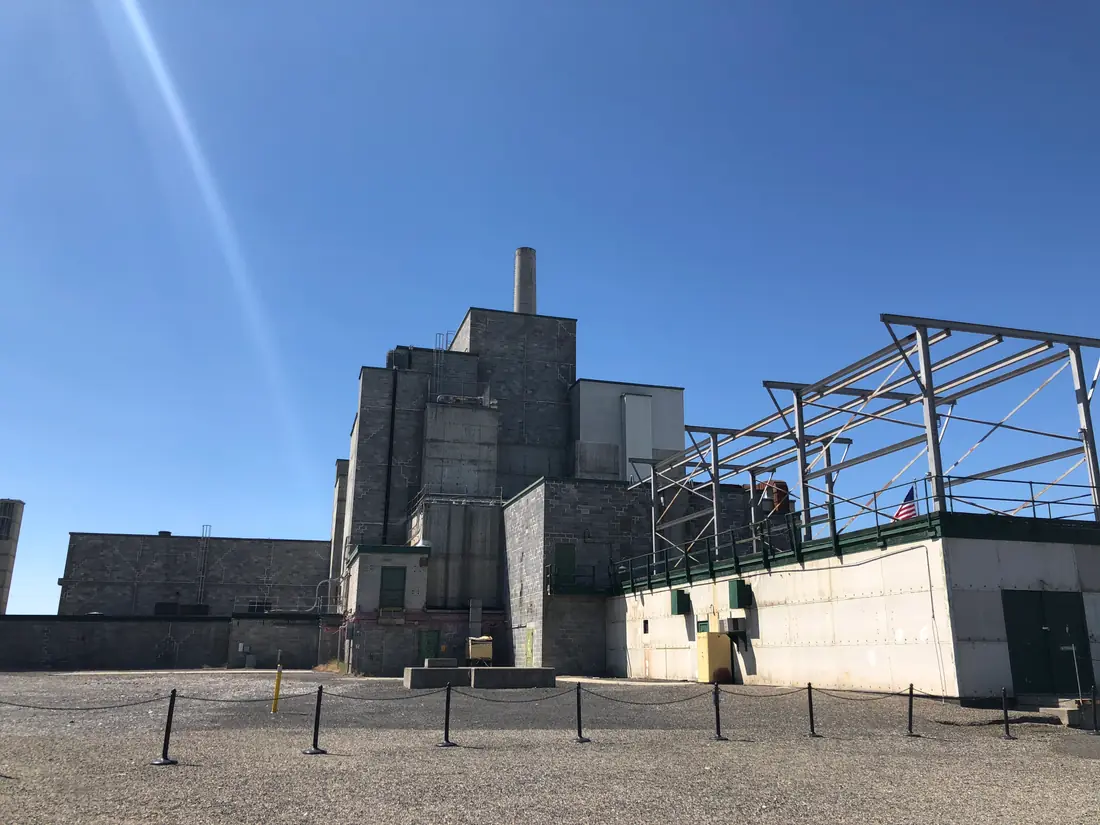
The B Reactor at Hanford began producing weapons grade plutonium on 6 November 1944. The reactor was the first large scale graphite moderated, water cooled plant built under the Manhattan Project. Construction was overseen by DuPont and the overall project was directed by General Leslie Groves.\n\nThe plant used natural uranium metal slugs arranged in vertical channels within a 38 meter tall graphite core. Neutrons released by fission of uranium‑235 were slowed by the graphite, increasing the probability that a uranium‑238 nucleus would capture a neutron and become uranium‑239, which beta decays to neptunium‑239 and then to plutonium‑239. Cooling water circulated through the channels at a rate of about 13 million gallons per hour, removing the heat generated by the fission reactions.\n\nAfter the core achieved criticality on 25 July 1944 at 14:00, a series of test runs verified temperature limits, coolant flow and neutron flux distribution. On 6 November 1944 at 08:30 the control rods were withdrawn to the production position, the coolant pumps were set to full speed and the first batch of uranium slugs was loaded for continuous operation. The reactor ran at a thermal power of 250 megawatts, producing roughly 6 kilograms of plutonium per month.\n\nThe chemical separation of plutonium from irradiated fuel was carried out in the adjacent T‑Plant. Between 6 November and 30 December 1944 the plant processed three fuel baskets, delivering a total of about 13 kilograms of plutonium to the Los Alamos laboratory. This material was later incorporated into the “Fat Man” bomb dropped on Nagasaki on 9 August 1945.\n\nThe success of the B Reactor established the United States as the first nation capable of large scale plutonium production. It also demonstrated the feasibility of graphite moderation and water cooling for high power reactors, a design principle that informed later civilian nuclear power stations. The reactor continued operating until 1968, producing over 200 tons of plutonium and shaping both military and civilian nuclear policy.
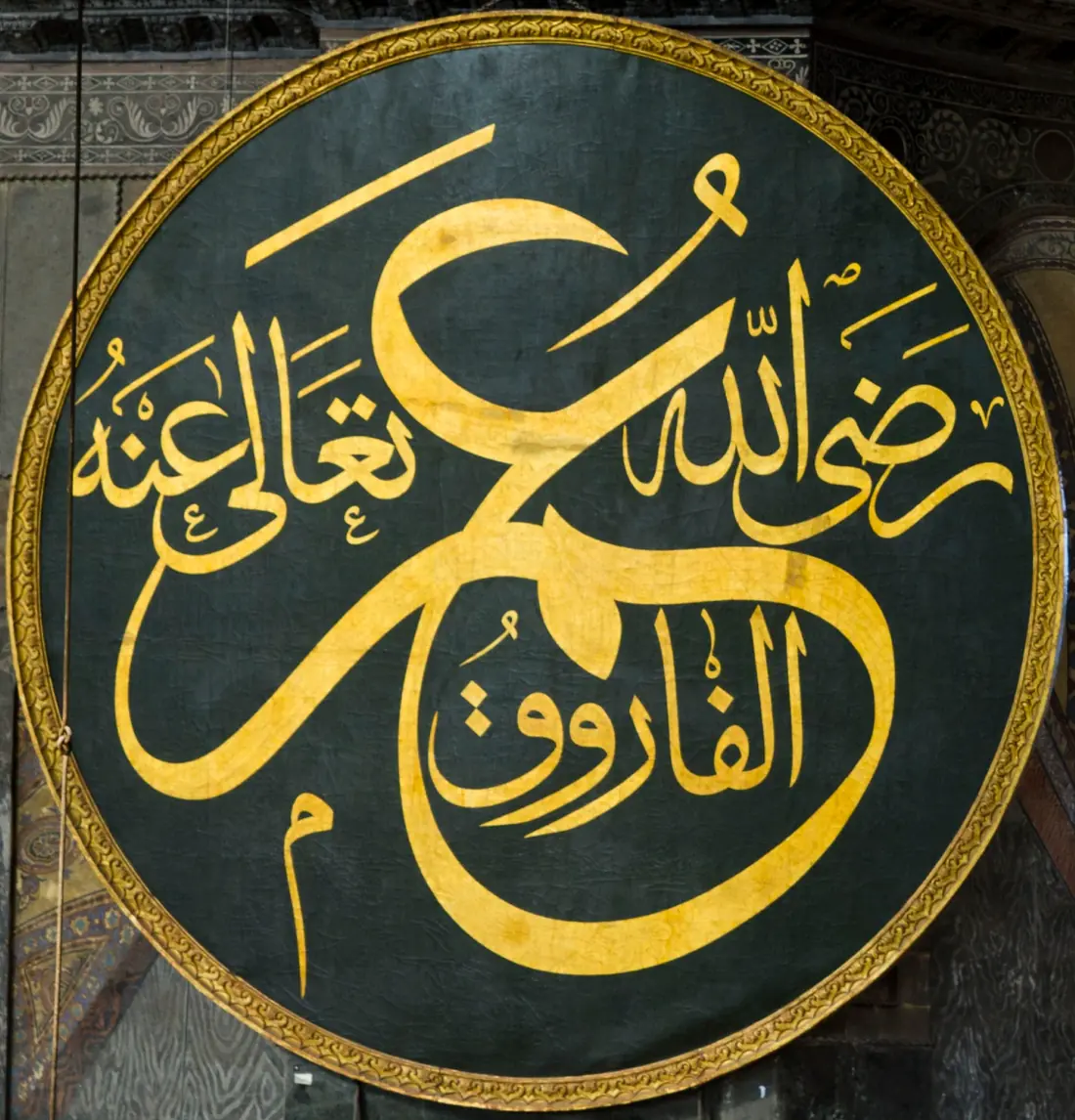
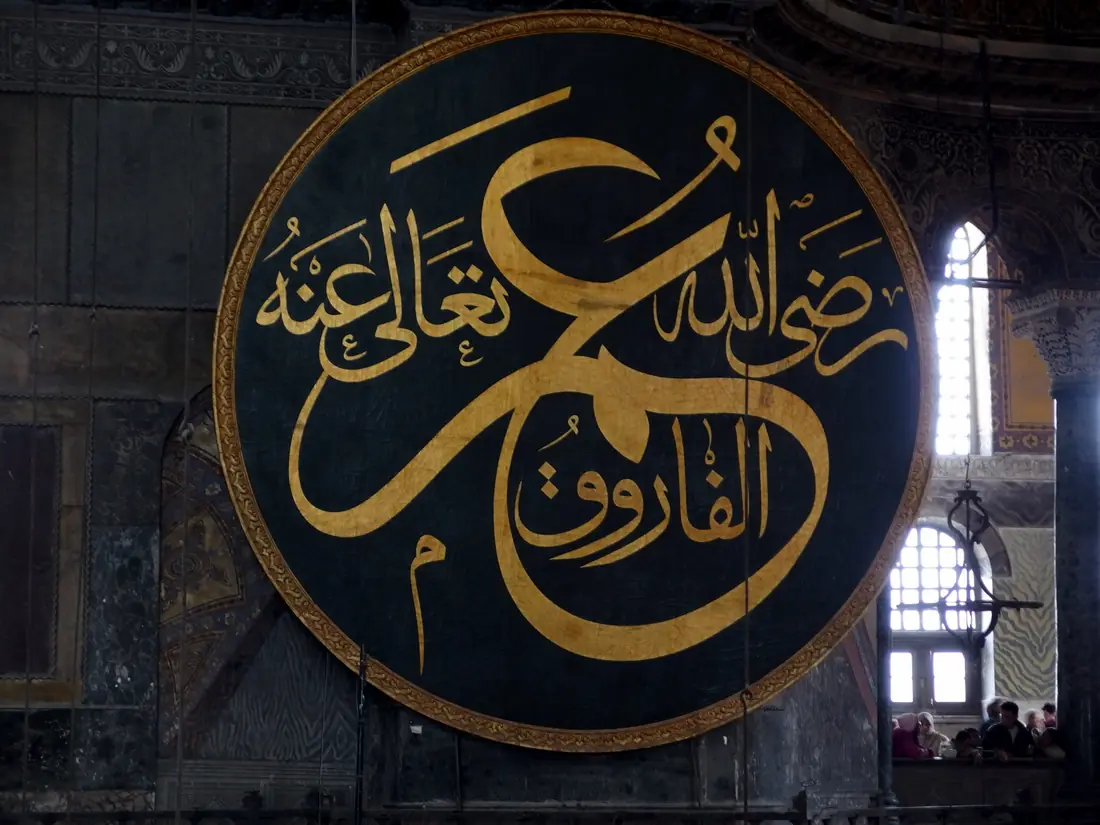
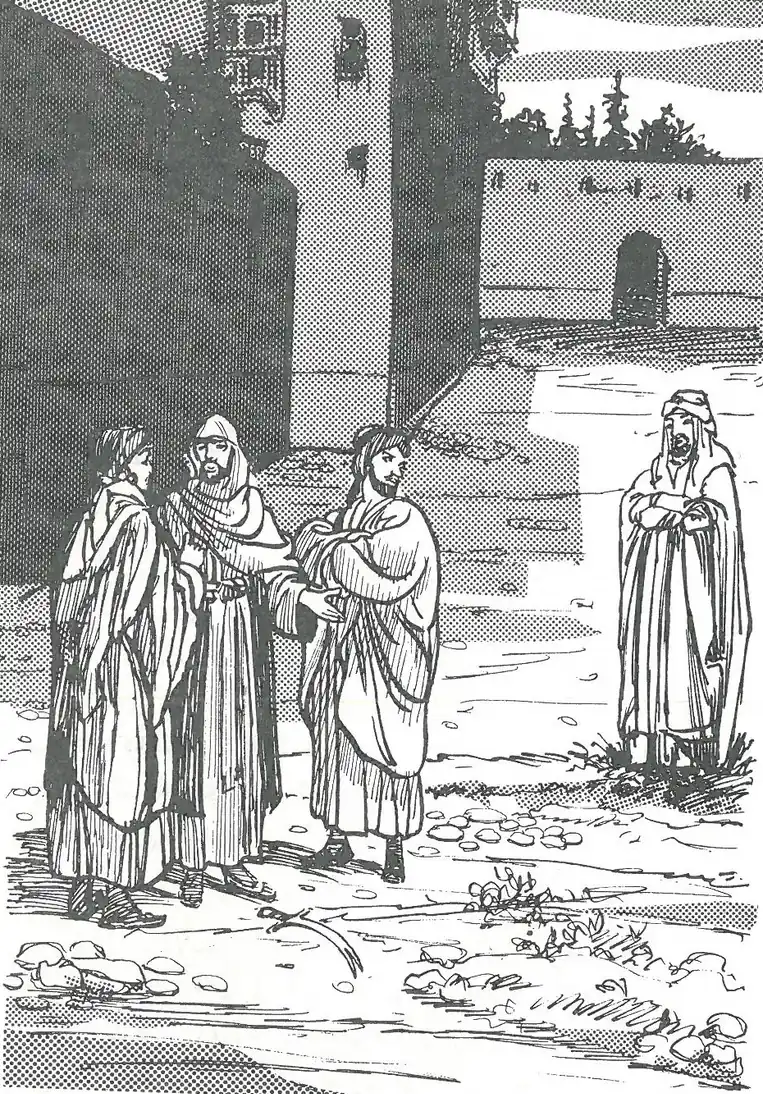
Umar ibn al‑Khattab was the second caliph of the Islamic community and had led the empire for twenty‑four years. By the day before his death the Rashidun state controlled territories from the Atlantic coast of North Africa to the Indus River, an area estimated at about 1.7 million square kilometres, and its administrative system was organized around the provinces of Syria, Iraq, Egypt and Persia with tax revenues recorded in the hundreds of millions of dirhams annually. Umar’s rule was based on a council of senior companions and a standing army that numbered roughly six hundred thousand men, all pledged to the principle that the caliph could be removed for misconduct.
On the morning of the attack Umar entered the Kaaba for the ritual prayer. While he bowed a Persian slave named Abu Luʿluʿa Firuz, who was reportedly angered by Umar’s earlier decision to ban the public display of Persian flags, thrust a dagger into Umar’s chest. The wound was fatal within minutes and the assassin was killed by other worshippers on the spot. Contemporary reports state that only three of the fifty worshippers present intervened, showing the limited capacity of the crowd to prevent the act. The immediate effect was the loss of the only living leader who had personally overseen the conquests of Damascus, Jerusalem and Ctesiphon.
Umar’s death created a power vacuum because the succession mechanism required a council decision, not hereditary inheritance. The previous day the council of senior companions, known as the Shura, had affirmed that the next caliph would be chosen by consensus, a practice established after the death of the first caliph Abu Bakr. Within two days the Shura elected Uthman ibn Affan, a wealthy merchant from the Umayyad clan, as the new caliph. This replacement altered the balance of power: Uthman’s tribal affiliation shifted the caliphate’s patronage toward the Umayyads, and his personal wealth increased the state treasury by an estimated twenty percent through new land grants.
The assassination also exposed the vulnerability of the caliph’s personal security and led to the introduction of a permanent guard detail for subsequent caliphs. This guard, drawn from the elite cavalry, cost the state an additional thirty thousand dirhams per year, a burden that later contributed to fiscal discontent. The event therefore marked the transition from a council‑led leadership to a more centralized authority under Uthman, setting the stage for the internal conflicts that would erupt a decade later.
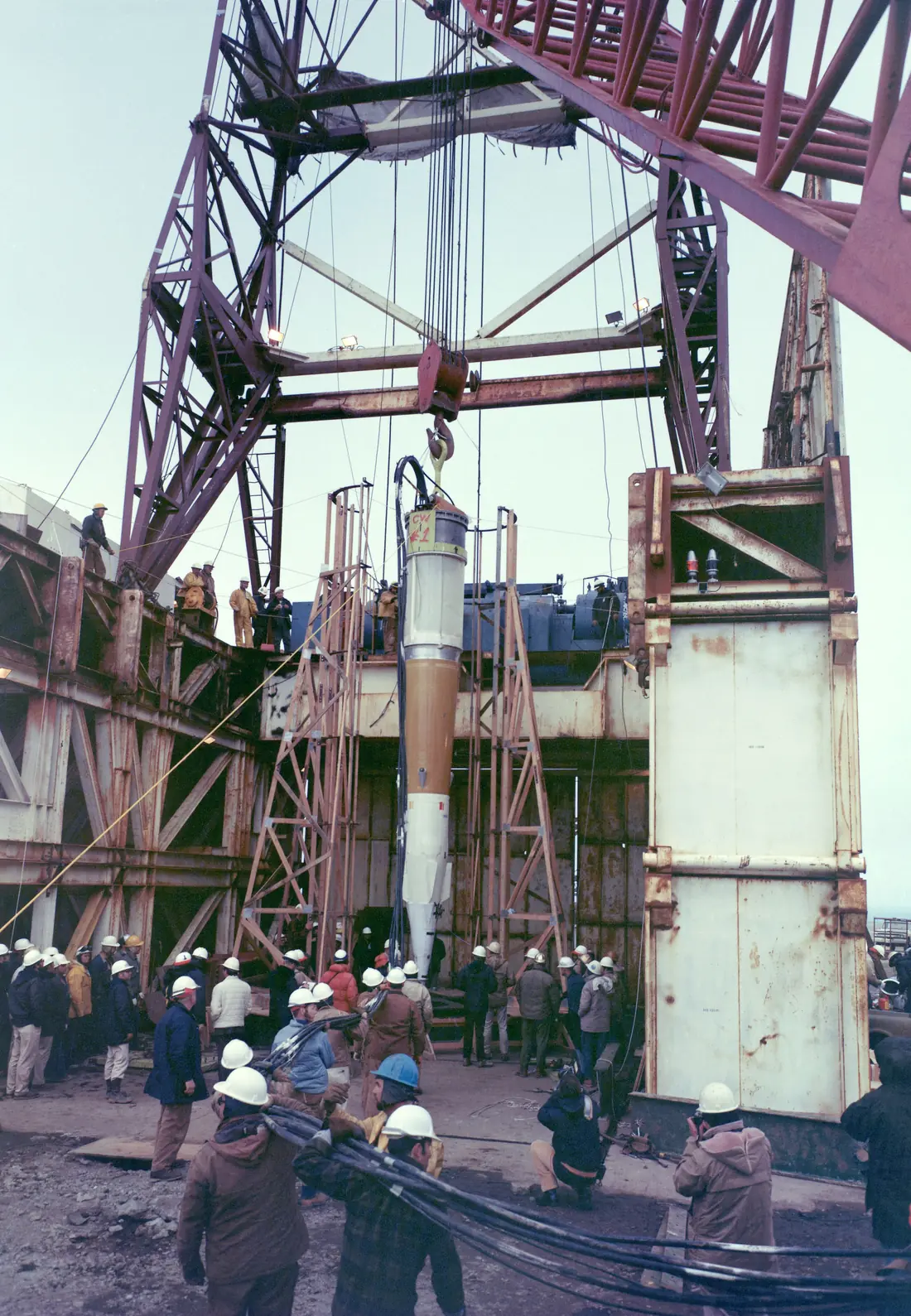
The United States detonated Cannikin, the largest underground hydrogen bomb ever tested, on Amchitka Island in Alaska. The test was part of Operation Grommet, a series of underground nuclear experiments conducted by the Atomic Energy Commission to verify the feasibility of massive thermonuclear yields in a confined environment. Cannikin used a three-stage design known as a Teller‑Ulam configuration, in which a primary fission bomb ignites a secondary fusion stage, which then drives a third, larger fusion stage. The device produced an estimated yield of 5 megatons, equivalent to five million tons of TNT, and the explosion created a cavity roughly 200 meters wide beneath the island's surface.
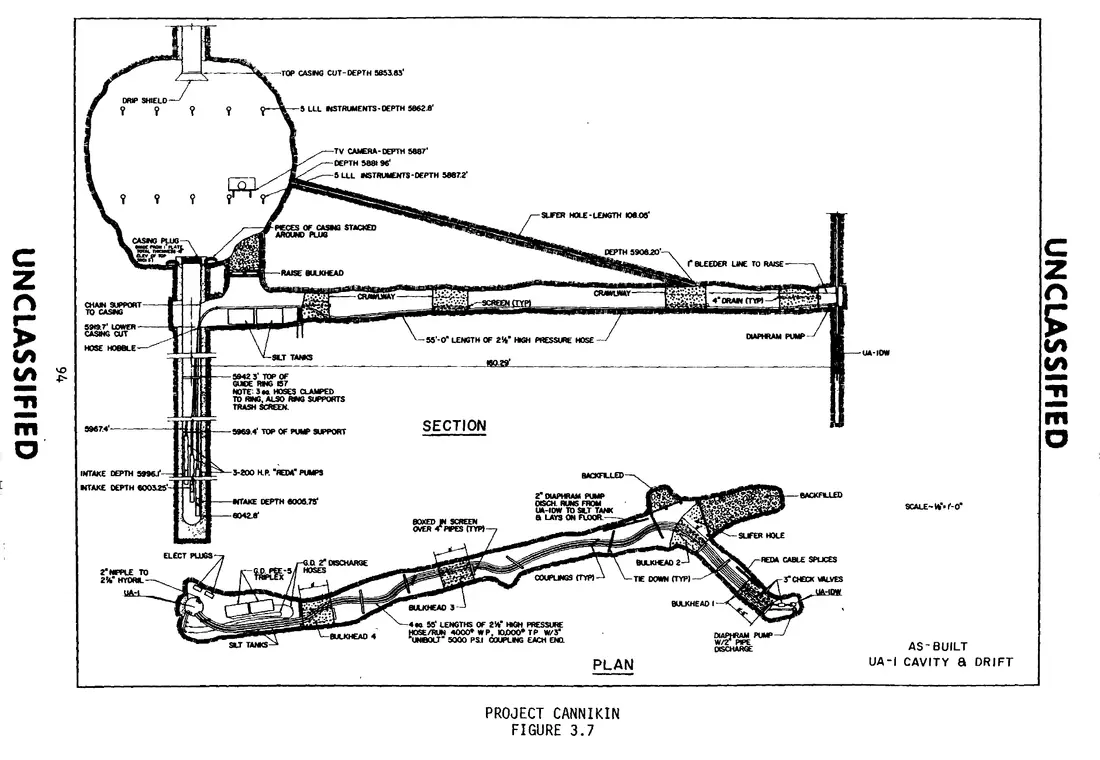
The test was authorized by Secretary of Energy James R. Schlesinger, who argued that the data were essential for the reliability of the United States strategic arsenal during the Cold War. The project was funded by a budget of approximately $30 million, and the construction of the test shaft involved drilling a 600‑meter vertical borehole and a 150‑meter horizontal tunnel to place the device at a depth of 600 meters. The engineering team was led by Dr. John C. Foster, who oversaw the placement of diagnostic instruments that recorded pressure, seismic waves, and radioactive emissions.
Environmental opposition emerged quickly. The Alaska Federation of Natives and the Sierra Club organized protests, fearing that the test could fracture the island's crust and contaminate surrounding waters. Scientific assessments at the time indicated a low probability of a venting event, but a 1971 Congressional hearing recorded testimony from geologist Dr. James H. Hegarty, who warned that a megaton‑scale underground blast could generate a surface collapse. The test proceeded on November 6, 1971 without a vent, and post‑detonation surveys measured a surface subsidence of 30 centimeters and a seismic magnitude of 6.0.
Cannikin altered the limits of underground nuclear testing. Before the test, yields above 1 megaton were considered impractical for subterranean detonation due to the risk of venting. The successful containment of a 5‑megaton explosion demonstrated that larger yields could be studied without atmospheric release, influencing later underground tests such as the 1974 Project Rulison shot. The data also informed the design of the United States' subsequent warhead miniaturization programs, allowing for more compact yet powerful weapons.
In the years after the test, the United Nations negotiated the 1976 Threshold Test Ban Treaty, which limited underground explosions to 150 kilotons. The treaty reflected a growing international consensus that even contained megaton tests posed unacceptable geological and political risks. Cannikin therefore stands as a technical milestone that directly prompted tighter global limits on nuclear testing.
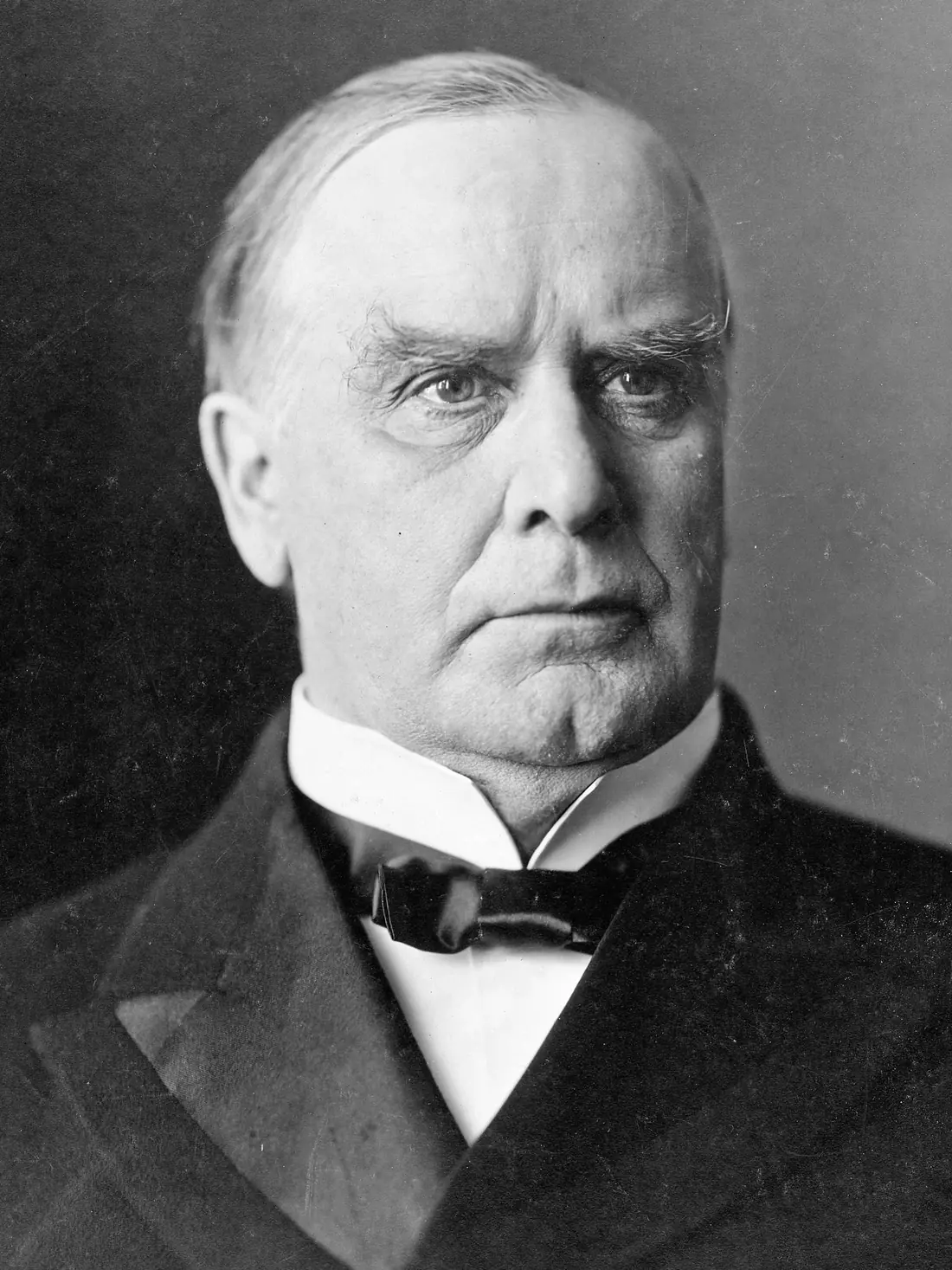
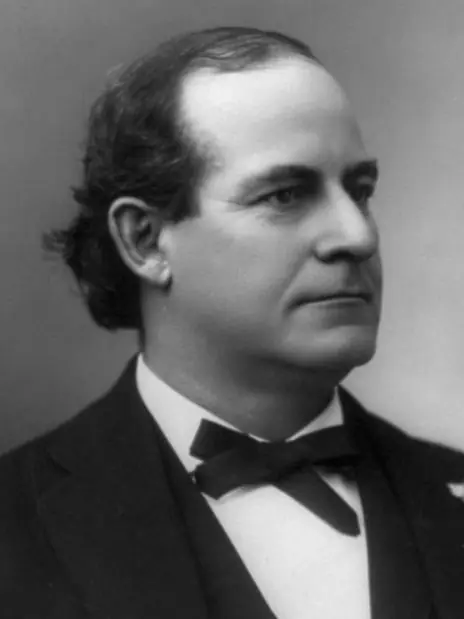
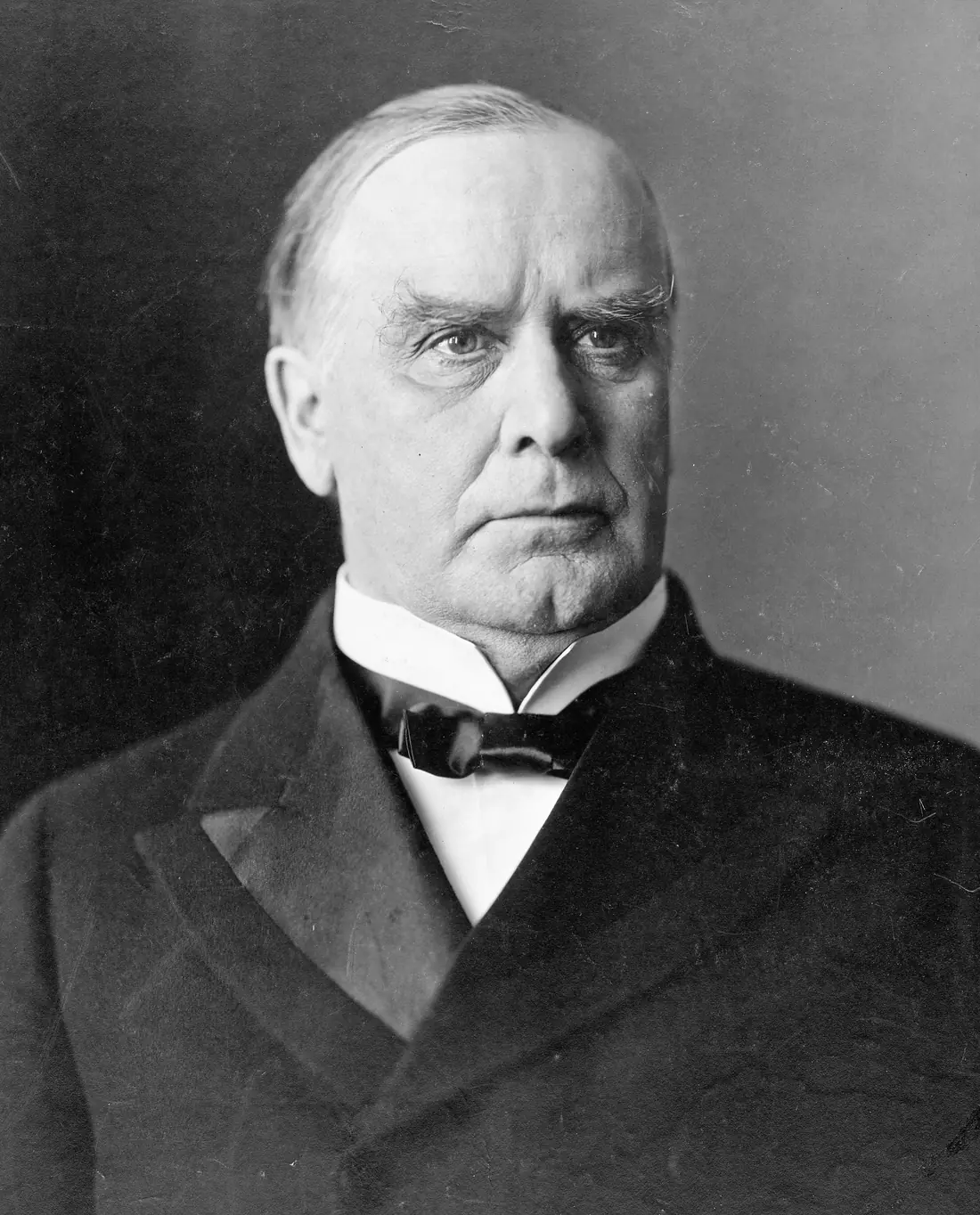
Incumbent President William McKinley won a second term in the 1900 United States presidential election with Theodore Roosevelt as his vice‑presidential running mate. The Republican ticket faced the Democratic ticket of William Jennings Bryan and his new vice‑presidential candidate, Adlai Stevenson I, after the Democrats replaced Bryan's former running mate, Arthur Sewall. McKinley entered the campaign after four years of a prosperous economy, a victory in the Spanish‑American War, and the annexation of Puerto Rico, Guam, and the Philippines, which gave the Republicans a record of territorial expansion to present to voters.
The Republican National Convention in Chicago, held June 19‑21, 1900, nominated McKinley by acclamation and selected Roosevelt, then Governor of New York, with 925 votes out of 1,039 delegates. Roosevelt’s reputation as a war hero from the Rough Riders and his advocacy for a strong navy appealed to the party’s progressive wing, while McKinley’s steady leadership satisfied the conservative establishment. The Democratic Convention in Kansas City, July 4‑6, reconvened after a split over the gold standard and nominated Bryan again, despite his loss in 1896, and paired him with Stevenson, a former vice president, to balance the ticket.
On Election Day, November 6, 1900, the official count recorded 7,184,774 votes for McKinley and 5,216,427 for Bryan, a margin of 1,968,347 votes. The Electoral College gave McKinley 292 votes and Bryan 155. Voter turnout reached 73 percent of the eligible electorate, reflecting high public interest in issues such as imperialism, the gold versus silver monetary debate, and the United States’ role in world affairs. The Republican platform emphasized continued prosperity, support for protective tariffs, and the maintenance of overseas possessions, while the Democratic platform called for the free coinage of silver and the withdrawal from the Philippines.
The election result secured Republican control of the presidency and both houses of Congress, allowing McKinley to continue his policies without legislative obstruction. Roosevelt’s presence on the ticket raised his national profile, positioning him for the vice‑presidential office that would become the springboard to the presidency after McKinley’s assassination in September 1901. The 1900 election thus reinforced the United States’ turn toward overseas expansion and set the stage for the progressive reforms associated with Roosevelt’s later administration.