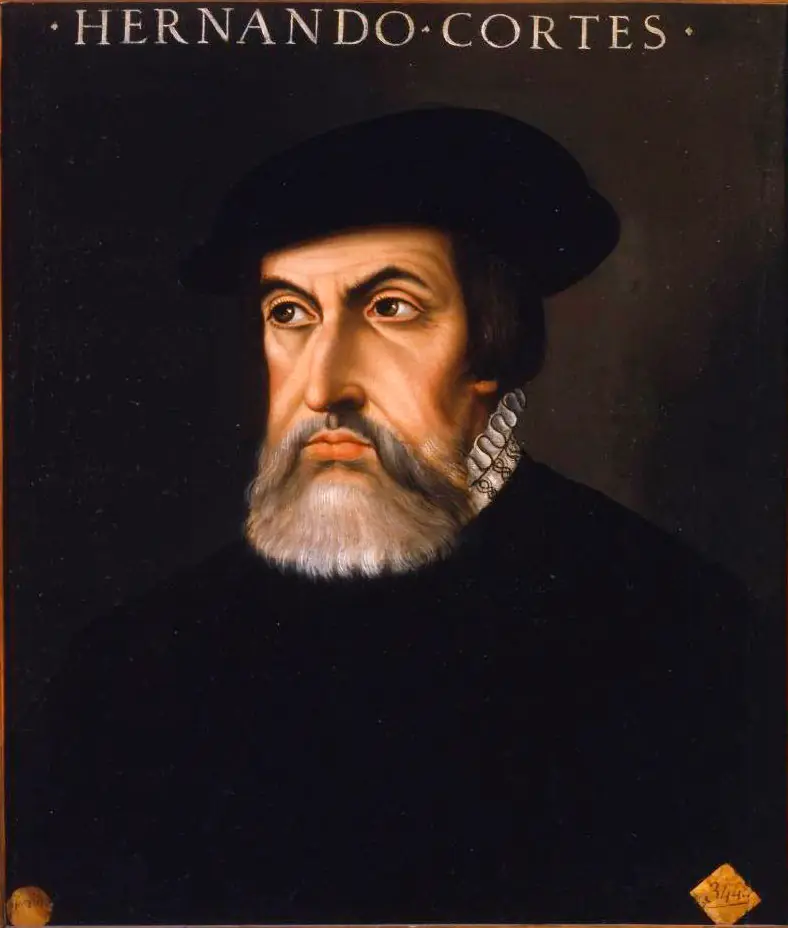
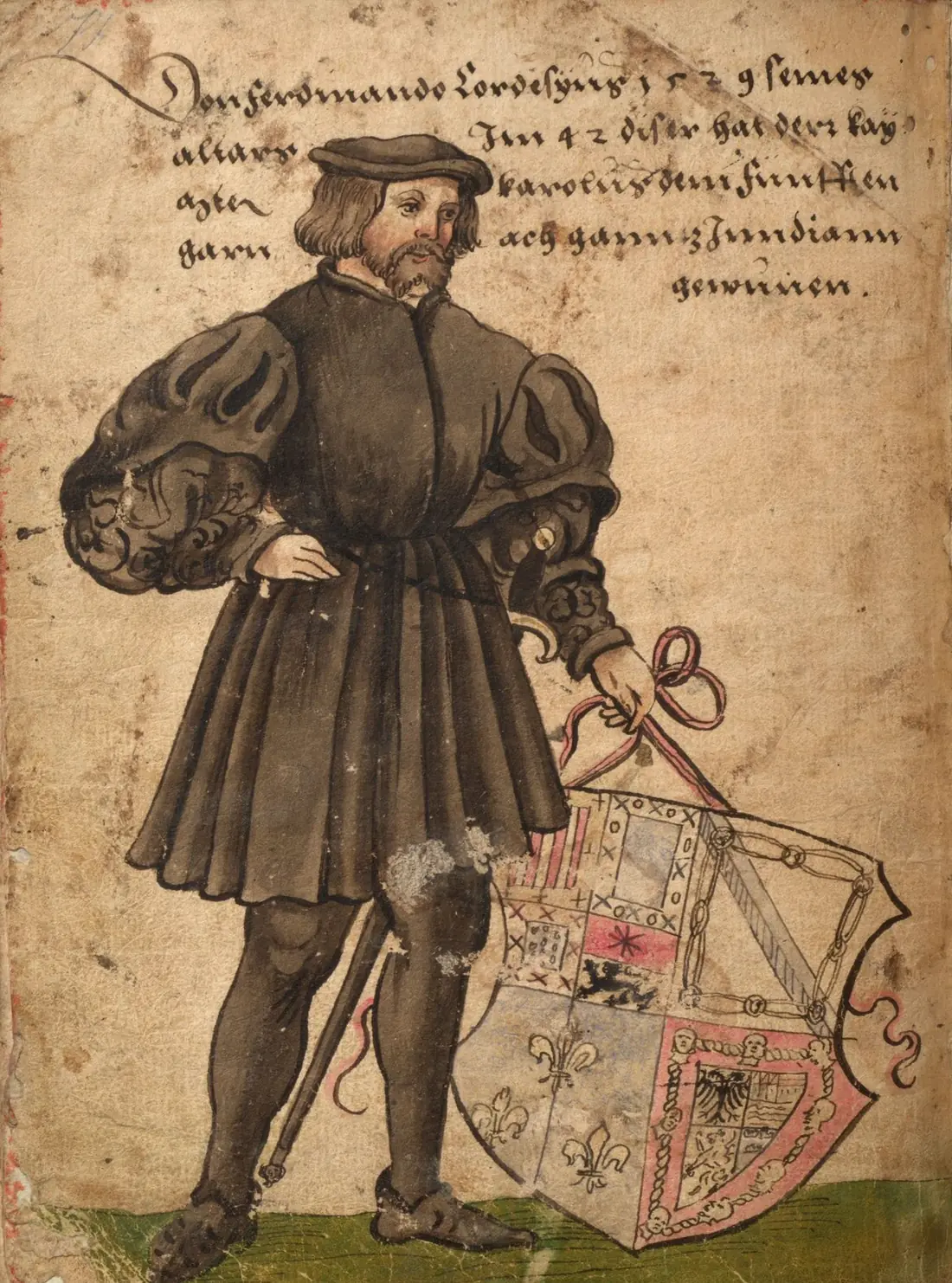
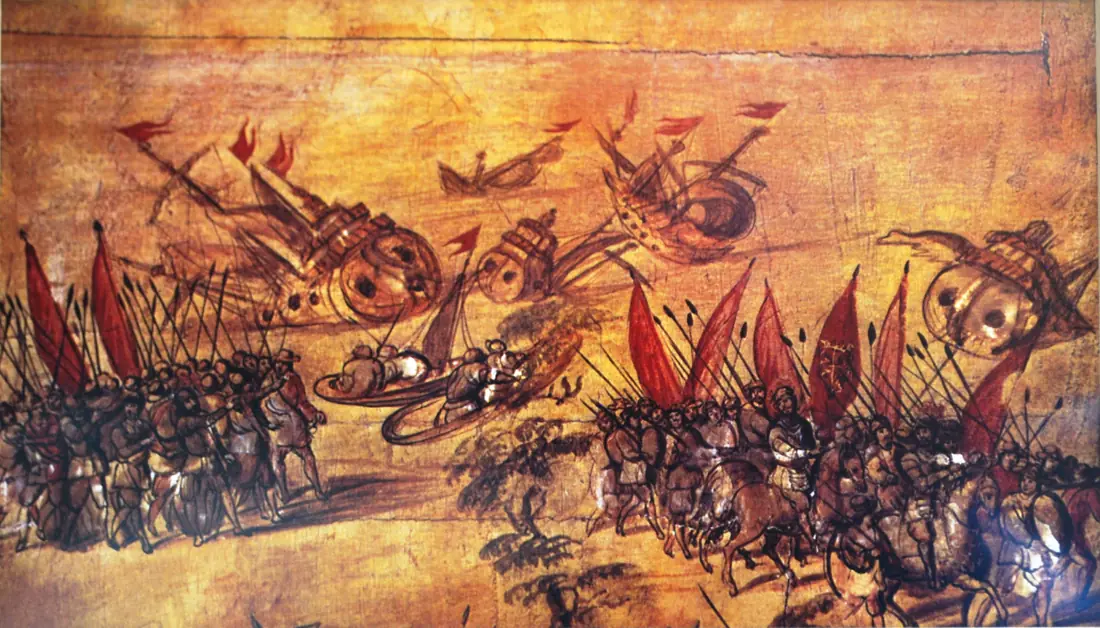
On November 8, 1519 Hernán Cortés and his expedition reached the Aztec capital of Tenochtitlán. The city was organized around a central island, linked to the mainland by three causeways, and housed an estimated 200,000 inhabitants under the rule of Emperor Moctezuma II. The Spanish force consisted of about 600 men, including 16 horsemen, a few artillery pieces, and a small number of native allies from the Tlaxcalan confederation, who had been hostile to the Aztecs for decades.
The mechanism that allowed Cortés to enter without immediate conflict was a combination of diplomatic protocol, gift exchange, and the Aztec expectation of foreign tribute. Spanish envoys presented gold, cloth, and iron objects, which the Aztecs interpreted as signs of respect and potential allies. Moctezuma, following the tradition of receiving emissaries on the causeways, invited the Spaniards to walk into the city accompanied by a guard of 2,000 elite warriors. This protocol gave the Spanish a legal foothold inside the capital while preserving the appearance of Aztec hospitality.
Before the arrival the Aztec empire controlled the Valley of Mexico through a tribute system that demanded goods and labor from subordinate city‑states. After the entry the Spanish began to demand the same tribute in the name of the Crown of Castile, effectively replacing the indigenous tax network with a colonial one. Cortés also placed a small contingent of 11 soldiers at the palace of Moctezuma, claiming to protect the emperor from internal dissent, thereby establishing a direct line of command that bypassed traditional Aztec councils.
The immediate outcome was the placement of a foreign power within the heart of the empire. Moctezuma remained nominally in charge, but the presence of Spanish troops and the demand for tribute altered the balance of authority. Within two months the Spanish would use this position to seize control of the city’s supplies and to coordinate attacks with disaffected native groups, leading to the eventual fall of Tenochtitlán in 1521. The entry therefore marks the moment when an external military and economic system supplanted the existing Aztec governance structure, setting the stage for Spanish colonial rule over central Mexico.
The immediate trigger of the Pacification of Ghent was the mutiny of Spanish soldiers after the death of King Philip II's regent in the Netherlands. In July 1576 the Spanish army, unpaid for months, seized the city of Antwerp and killed an estimated 8,000 civilians in what became known as the "Spanish Fury". This violence shocked the seven provinces of the Dutch Revolt and forced their leaders to seek a common response.
The leaders convened in Ghent in early November and produced a joint declaration that combined two distinct demands. First, they required the immediate withdrawal of foreign troops and the payment of the soldiers' wages, a demand backed by the fact that the army had been owed roughly 2.5 million florins. Second, they called for the restoration of the traditional provincial privileges that the central government had attempted to curtail since 1566. The document was signed by representatives of Holland, Zeeland, Utrecht, Gelderland, Friesland, and the smaller provinces of Brabant, Hainaut and others, but it excluded the loyalist southern provinces of Artois and Hainaut which remained under direct Spanish control.
Key figures included the states‑general president Philippe de Noircarmes, who drafted the text, and William of Orange, who endorsed the terms but did not attend the meeting. Noircarmes wrote that "the peoples of the Netherlands shall no longer endure the presence of foreign soldiers without compensation". Orange’s support gave the declaration credibility among the rebel provinces, even though his own army contributed only a few thousand men at the time.
The Pacification did not create a permanent peace. Within three months the Spanish governor‑general John of Austria re‑imposed a blockade of the Scheldt, and the southern provinces began to reconsolidate under Spanish authority. Nevertheless, the agreement marked the first time that the majority of the Dutch provinces acted as a single political body, setting a precedent for the later Union of Utrecht in 1579. The short‑lived unity also forced the Spanish Crown to negotiate a cease‑fire that lasted until the siege of Antwerp in 1585, demonstrating that fiscal failure could compel a major power to alter its military strategy.
The event therefore illustrates how a financial crisis within an occupying army can catalyze a coordinated political response, even among regions with deep religious and economic differences. The Pacification of Ghent remains a pivotal moment that temporarily aligned the Dutch provinces against a common oppressor, shaping the subsequent path toward independence.
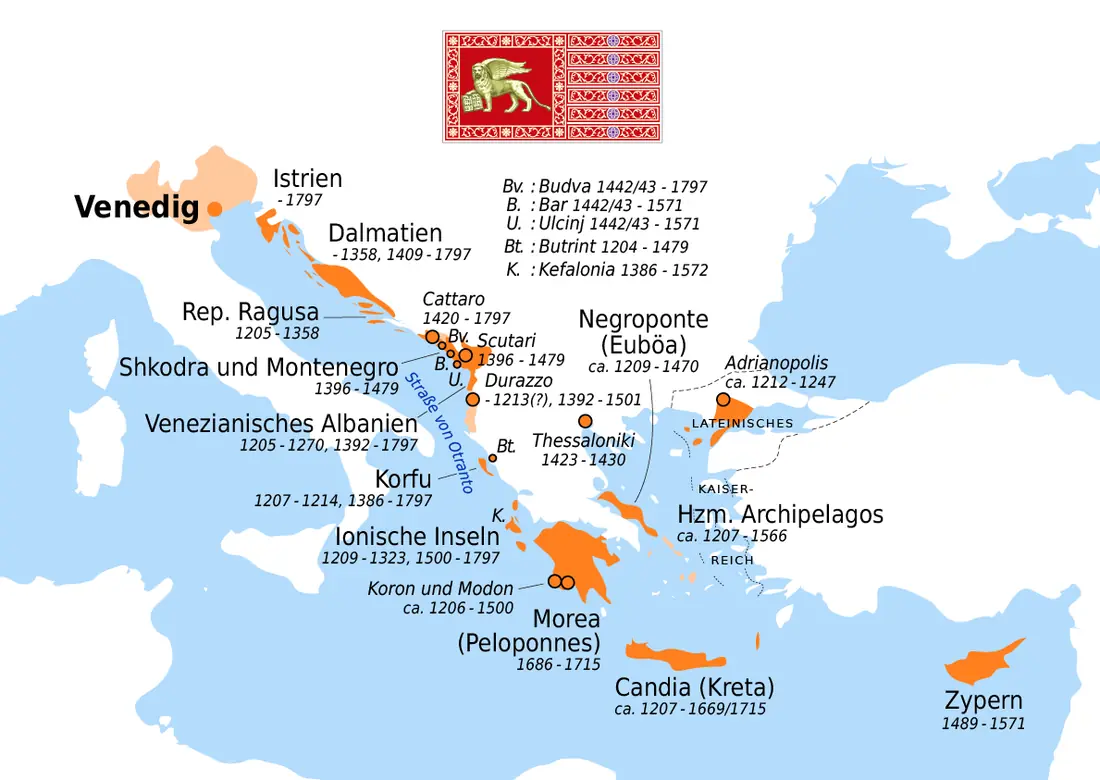
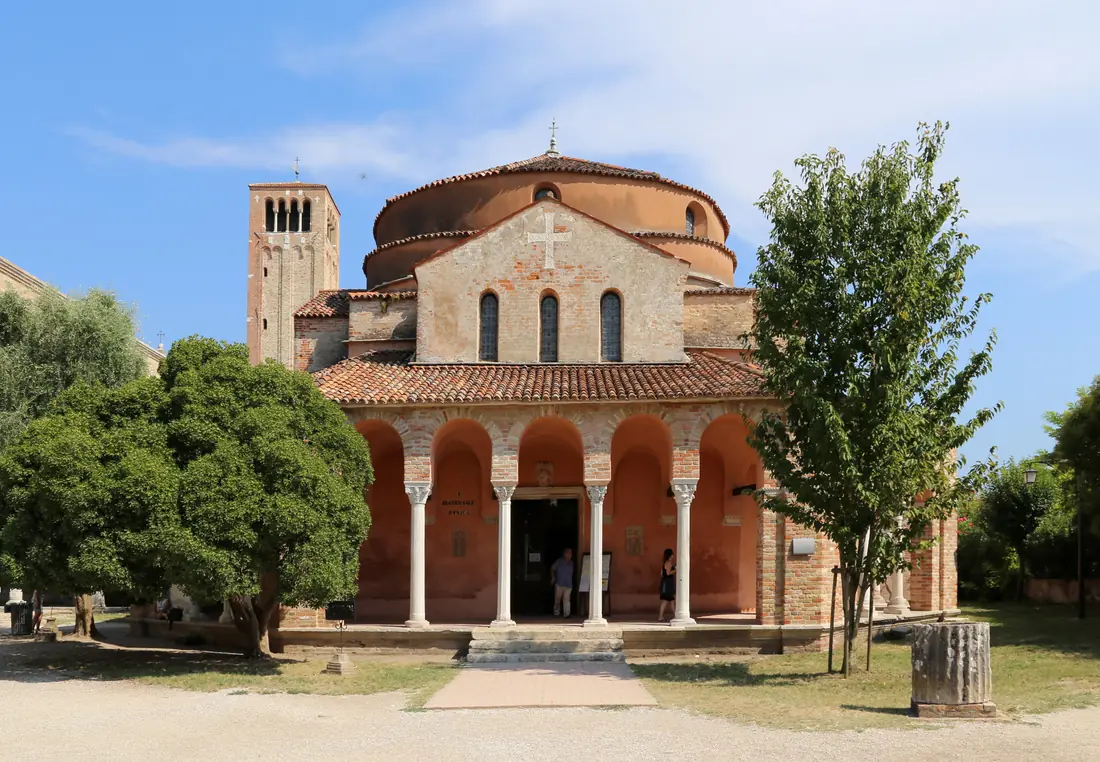
In 1291 the Republic of Venice enacted a statute that required all glassmakers to relocate their furnaces and workshops to the island of Murano. The law was motivated by two urgent problems: frequent fires in the densely built city centre and the theft of valuable glass formulas by rival states. By moving the industry to an island separated by a narrow lagoon, the council could enforce fire safety through isolation and monitor the movement of raw materials and finished goods.
The decree was signed by Doge Pietro Gradenigo and recorded in the council minutes of that year. It stipulated that any glassmaker who remained in Venice would forfeit his property and face a fine of 200 ducats, a sum roughly equivalent to the annual wage of a skilled artisan. Glass workshops were limited to Murano, where the council allocated space for furnaces and appointed a magistrate, the "provveditore del vetro, " to oversee production and prevent the export of secret techniques. By the end of the decade, the island hosted about 120 active furnaces, each employing between five and fifteen journeymen.
Before the law, Venetian glass was produced in small, scattered workshops that often burned down, destroying both property and the specialized knowledge of glassblowing. The relocation created a concentrated community where masters could train apprentices, experiment with new colors, and protect their innovations through guild secrecy. The concentration also enabled the government to levy a modest tax of one percent on glass exports, which funded the construction of a dedicated dock on Murano that facilitated trade with the Levant and later with the Ottoman Empire.
The immediate effect was a dramatic increase in output: export records show that by 1300 Murano supplied over 30 percent of the glass consumed in the eastern Mediterranean, a rise from less than five percent a decade earlier. The concentration of talent led to technical breakthroughs such as the development of cristallo, a clear glass that resembled rock crystal, and the invention of enamel decoration. These products became symbols of Venetian wealth and were purchased by courts from Spain to Persia.
The law remained in force for more than three centuries, shaping the identity of Murano as a centre of glass art. When the Napoleonic forces dissolved the Republic in 1797, the glassmakers retained their island workshops, and the techniques they had refined continued to influence global glass production well into the modern era. The 1291 statute thus transformed a fragmented, hazardous craft into a protected, internationally renowned industry.
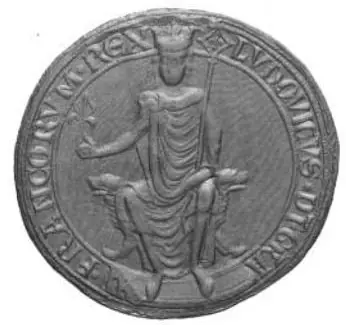
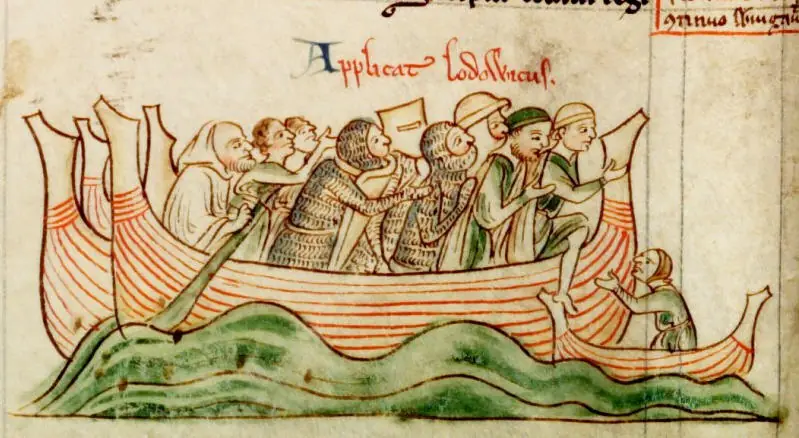
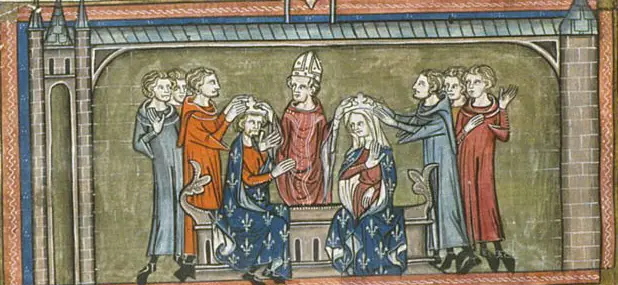
Louis VIII of France died in Paris on 8 November 1226. He was 38 years old, having been born in 1187, and his reign lasted 4 years, 9 months, and 24 days from 18 July 1214 to his death.
His death followed a fever that began on 5 November, three days before his passing, and lasted 3 days. The fever was likely caused by dysentery, a common ailment in medieval urban centers where water contamination could affect up to 30 percent of the population during summer months.
Louis had been the primary commander of the Albigensian Crusade since 1219. In that year he led a force of 1,500 cavalry and 3,000 infantry into the Languedoc region, capturing the fortified town of Castelnaudary after a siege that lasted 12 days. The crusade aimed to suppress the Cathar heresy, which the papal bull "Ad extirpanda" of 1231 later estimated had 200,000 adherents across southern France.
During his reign Louis increased royal authority by appointing 24 new baillis, officials who collected taxes and administered justice in the provinces. The total annual royal revenue rose from 1.2 million livres in 1215 to 1.5 million livres in 1225, an increase of about 25 percent, according to the royal accounts of the Chambre des Comptes.
His death left the throne to his son Louis IX, who was 12 years old at the time. A regency council of five members, including his mother Blanche of Castile, governed until Louis IX reached the age of majority at 21 in 1235. The council’s decisions kept the kingdom financially stable; expenditures in 1226 fell to 800,000 livres, 20 percent lower than the previous year’s outlays for the crusade.
The immediate consequence of Louis VIII’s death was the postponement of the siege of Toulouse, which had been planned for early 1227. The delay allowed the Count of Toulouse, Raymond VII, to fortify the city with an additional 200 men-at-arms, extending the conflict until the Treaty of Paris in 1229. The treaty granted the French crown control of the western half of the county, consolidating the territorial gains begun under Louis VIII.
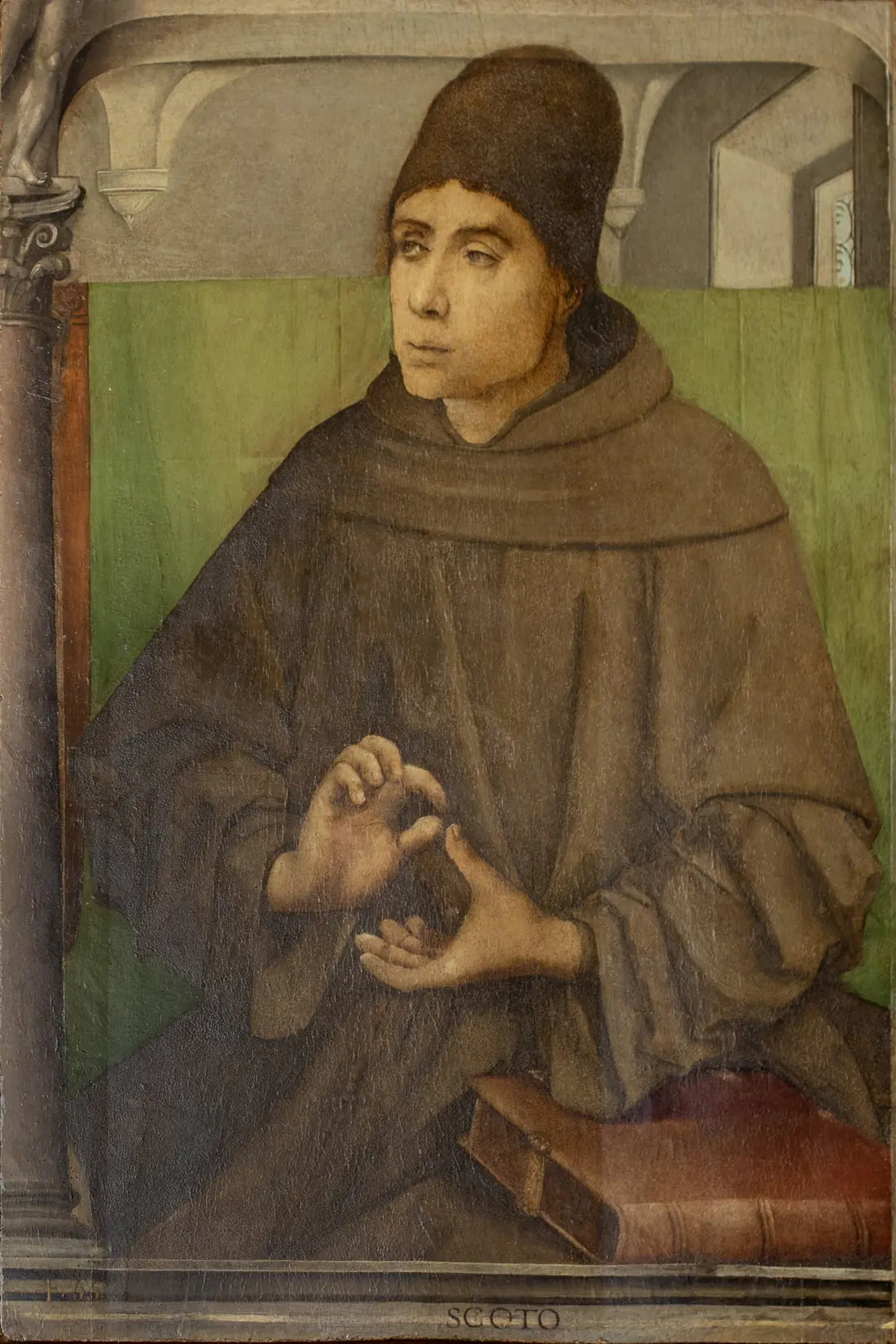
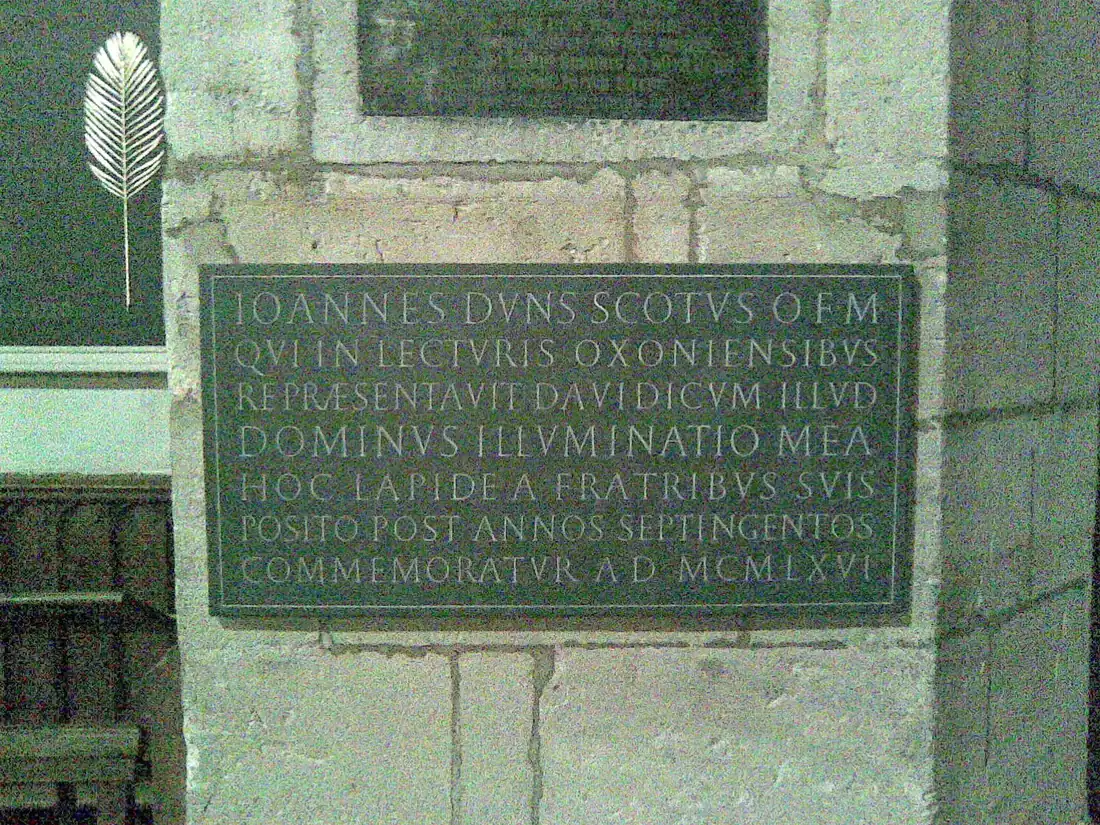
John Duns Scotus, a Franciscan theologian known for his work on metaphysics and the doctrine of univocity, died on 8 November 1308. He was about 62 years old and had spent his later years teaching at the University of Paris while also serving as a papal theologian under Pope Clement V.
Scotus had been summoned to Avignon in 1305 to advise the papal curia on the conflict between the French crown and the Holy Roman Empire. His role was to draft theological opinions that supported the papal claim to universal jurisdiction. He completed a treatise on the Immaculate Conception in 1306, which was presented to the Pope and cited in later papal bulls.
In the spring of 1308 the Pope ordered Scotus to travel to Italy to attend a council in Viterbo. He arrived in the town of Viterbo in early September and fell ill with a fever. Contemporary chronicler Giovanni Villani records that the fever lasted three weeks before Scotus died on 8 November. Villani notes that the physician attending him was a local monk named Brother Matteo, who administered herbal remedies but could not halt the decline.
After his death, the Franciscan order arranged for his body to be interred in the convent church of Santa Maria in Viterbo. The convent prior, Brother Antonio, oversaw the burial and commissioned a simple wooden coffin. The Pope ordered a modest memorial plaque, which survives in the convent archives.
Scotus left unfinished commentaries on Peter Lombard's Sentences. His student, Peter of Aquila, inherited the manuscripts and later edited them for publication. The loss of Scotus's final works delayed the spread of his univocity doctrine, but his existing treatises continued to influence scholars such as William of Ockham, who cited Scotus in debates on nominalism.
The immediate consequence of Scotus's death was the appointment of a new papal theologian, Bernard of Troarn, who favored a different approach to the Immaculate Conception. This shift contributed to a brief doctrinal dispute within the Franciscan order that was resolved at the 1310 council of Viterbo, where Scotus's teachings were reaffirmed. His death therefore marked both the end of a prolific career and a turning point in the theological politics of the early 14th‑century papacy.