NHS Established: Free Healthcare for All Britain
United Kingdom
The doors open at nine in the morning on July 5, 1948, and within hours the waiting rooms are standing-room only. A woman with a bad hip that she's been favoring for four years sits down in a chair—a real chair, in a real hospital—and says nothing to the nurse. She doesn't need to. For the first time in her life, she will be seen by a doctor without reaching for her purse. She is not special. By evening, hospitals across Britain are overwhelmed with patients who have been deferring every ailment, every ache, every reason to see someone qualified, because they couldn't afford it.
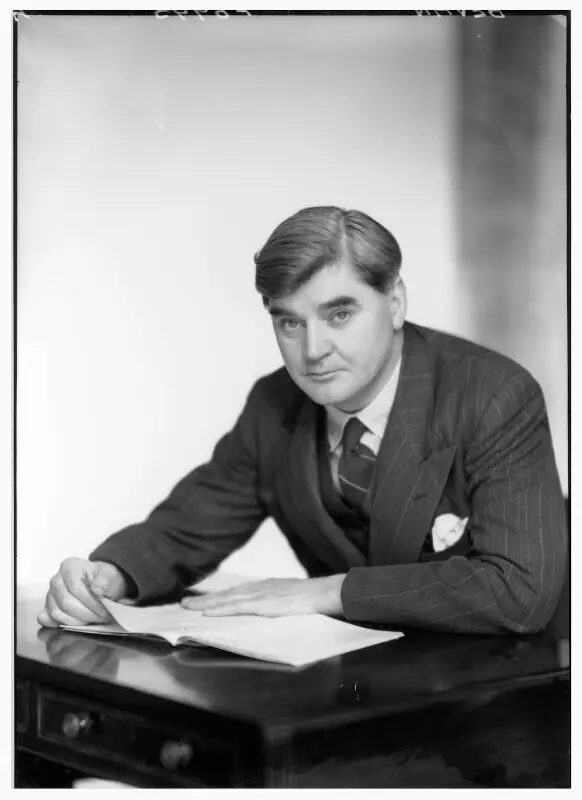
This is the moment Aneurin Bevan's NHS kicks into existence. Not with a ribbon-cutting or a ceremony, but as a switch flipped on the machinery of the modern state. At the stroke of midnight four hours earlier, every voluntary hospital in Britain—the charitable institutions that had limped along on donations and middle-class guilt—became public property. Every doctor who had agreed to participate was now an employee of the National Health Service. The patchwork of poor-law infirmaries, cottage hospitals, and fee-paying surgeries suddenly unified into a single system. Free at point of use. Universal. Radical enough that Winston Churchill had warned it would lead to doctors becoming state slaves.
Bevan, a Welsh former miner turned Labour politician, had spent two years negotiating this into being, facing down the British Medical Association, which predicted disaster. The doctors, accustomed to controlling their own fees and their own hours, resisted hard. Bevan won them over—or at least silenced them—partly through compromise and partly through the sheer force of having won an election on the promise of doing this thing. On July 5, they had no choice but to show up.
What nobody predicted was what actually happened. The demand was not merely high; it was volcanic. People materialized with complaints they'd been carrying for years. A 31-year-old could finally have his teeth fixed. A 67-year-old could finally ask about the persistent cough. Demand so vastly exceeded the planners' estimates that within weeks, the accountants were in near-panic. The budget was hemorrhaging. Prescriptions that the planners had imagined would taper off only multiplied. Bevan, defending the overspend in Parliament, offered an observation that landed with perfect simplicity: "No society legitimately calls itself civilized if a sick man is denied medical aid because he has no money."
He was not wrong. But the numbers told a different story than the planners had told themselves. What the architects of the NHS had badly underestimated was how much illness existed in Britain that had simply been invisible—people soldiering on, untreated, because treatment cost money. The moment you removed the cost, the illness materialized. The system didn't create the need; it revealed it. In the first year, the NHS filled 640 million prescriptions. The government had predicted around 60 million.
By the end of 1948, the Health Service was already in crisis. By 1950, prescription charges came back—Bevan's compromise corroding almost before it set. Today, those charges remain. But something else also remained: the principle that a person's access to a doctor should not depend on whether they could pay.
Source: en.wikipedia.org/wiki/NHS