Sir Thomas More Executed for Defying Henry VIII
London, England
The scaffold on Tower Hill was unremarkable—rough timber, a decent crowd, the kind of summer Wednesday morning that London produced without fuss. Wooden gallows were practical things; once you were done with them, you dismantled them and moved on. This one was barely worth the effort of painting. The sun would have been warm on the assembled faces. Someone was probably selling bread nearby.
On July 6, 1535, Thomas More climbed those steps.
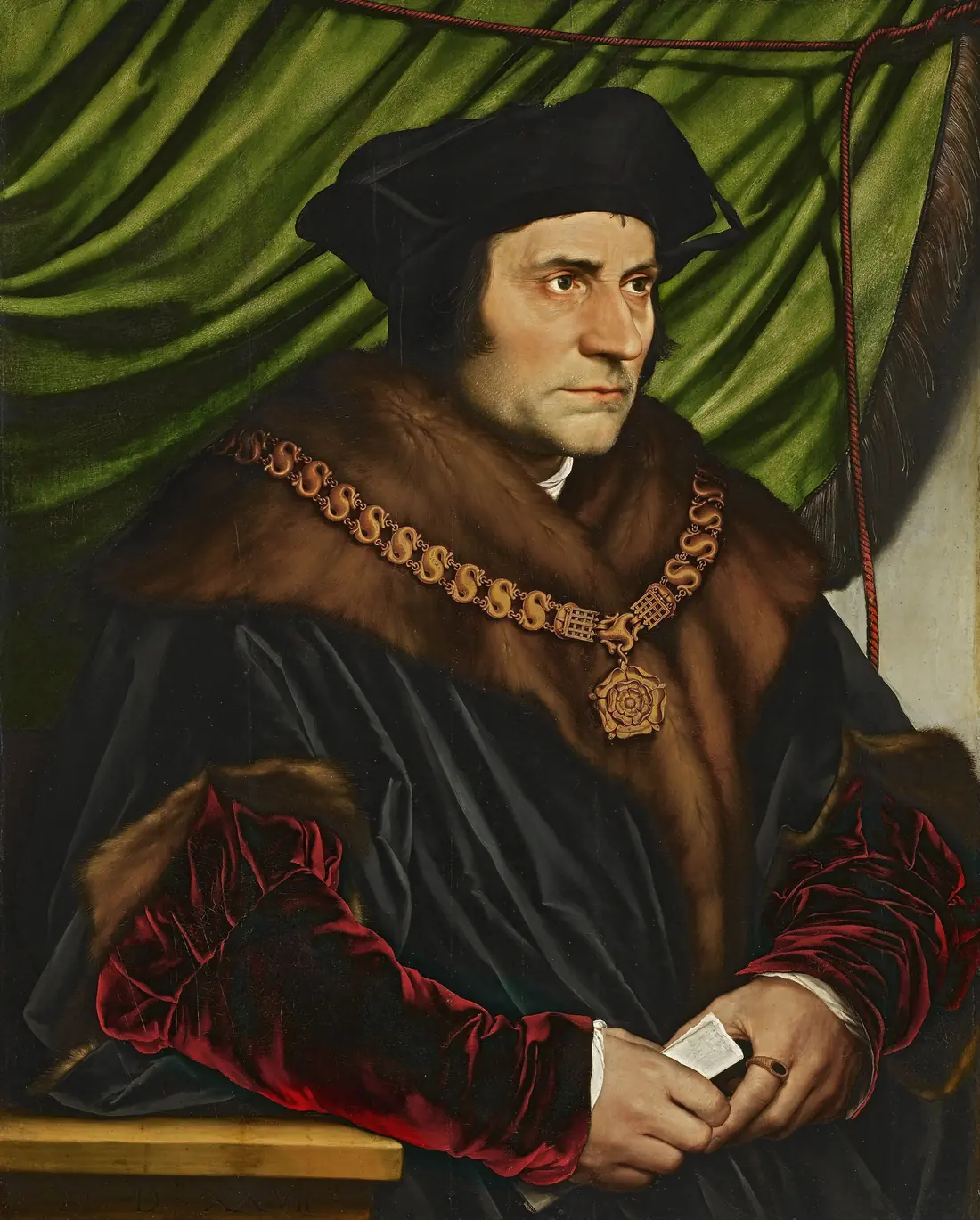
More had been Lord Chancellor of England, the second-most-powerful job in the realm. Henry VIII had loved him once, or as close as Henry could love anyone who wasn't himself. They had written theology together. Henry trusted him with the machinery of kingship. More was brilliant, careful, devout, and in an era that valued none of those things equally, he had somehow convinced a tyrant to listen.
His mistake was believing in something that wasn't the king.
The problem started simply enough. Henry wanted to marry Anne Boleyn. The Pope said no. So Henry announced that he—not the Pope—was the supreme head of the Church of England. Problem solved. Parliament passed an Act of Supremacy in 1534. Everyone signed it. The document moved through the realm like a tax collector, and almost everyone agreed, because that is what people do when a king asks them to agree about something.
Thomas More would not sign.
Not because he was mounting some grand theological rebellion against Rome. He hadn't fought Henry's marriage directly, hadn't preached against it, hadn't been a martyr waiting for his moment. His refusal was quieter than that—which made it worse. To sign the oath was to say that ultimate authority flows only from the crown, that the law the king makes is the highest law there is. More's conscience said the Church's authority came from elsewhere, somewhere a king couldn't legislate or bully or bargain with.
Henry tried everything. Negotiation. Imprisonment. Letters begging him to find some lawyer's loophole that satisfied them both. More spent thirteen months in the Tower, a cell that gave him plenty of time to contemplate what his conscience was actually worth. He was sixty-seven years old. His daughter Margaret visited and asked him to relent, to sign, to come home. He had earned retirement. He had written Utopia. He could have spent his final years with his books and his grandchildren.
He refused.
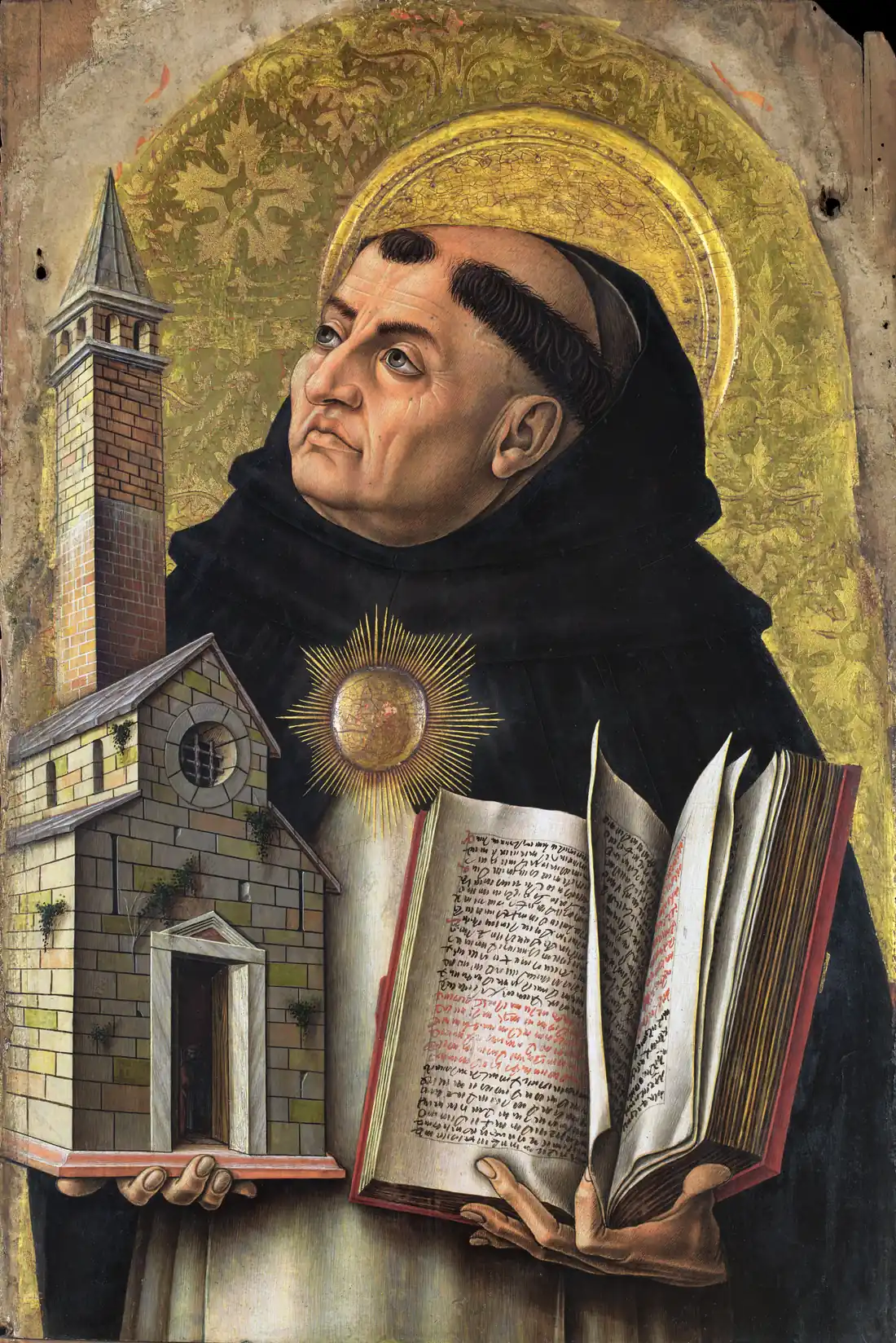
The morning of his execution, he climbed to the scaffold. The accounts say he was calm—too calm, some observers thought. There was dignity in how he moved, which must have infuriated Henry more than defiance would have. You can execute a man, but if he dies on his own terms, you've lost something you can't quite name.
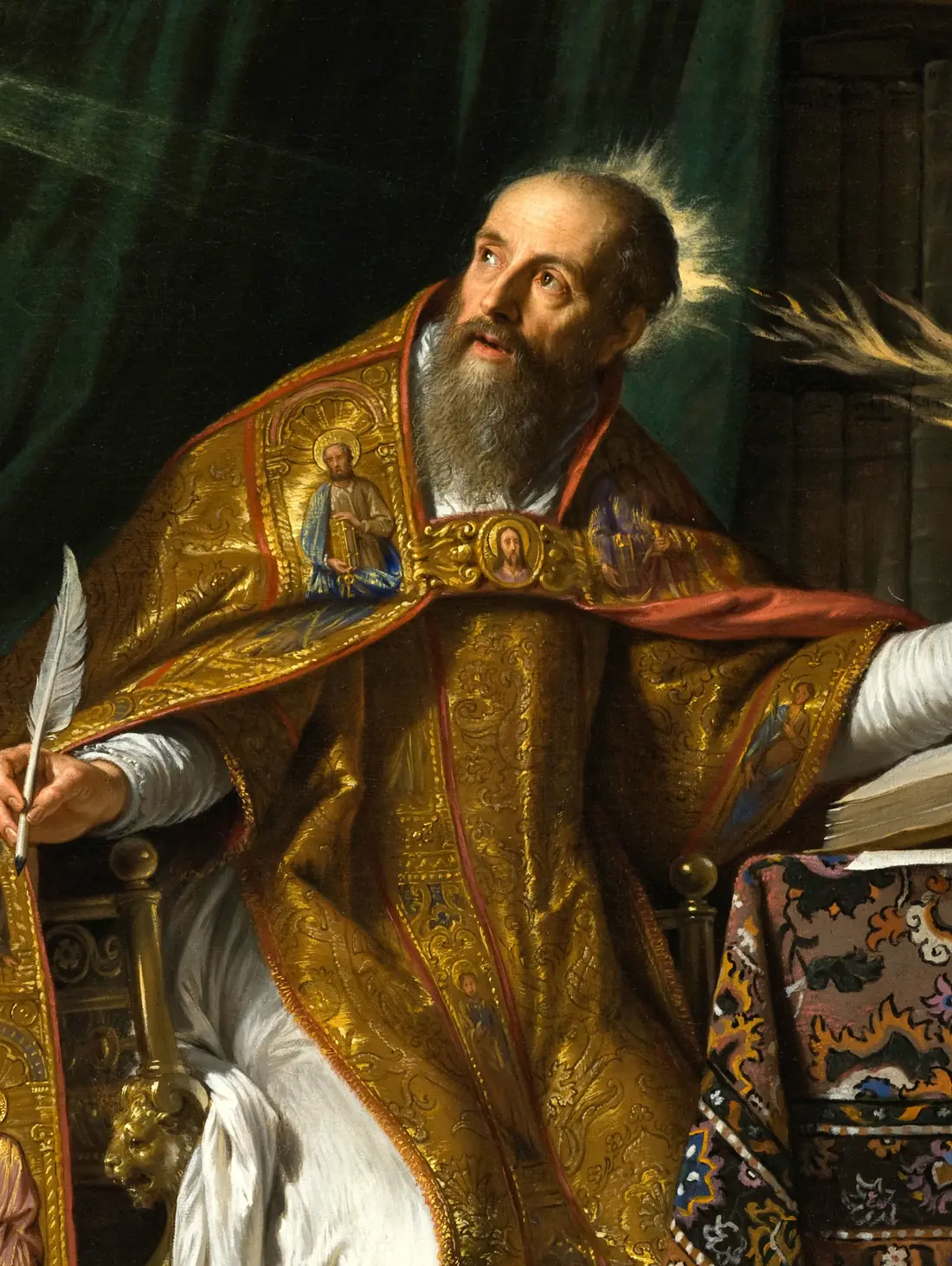
Henry went on to marry twice more. The Church became what he declared it was. His authority over the Church became fact, then law, then history. More was canonized as a saint in 1935—exactly four hundred years after his beheading, which the Vatican noticed with the kind of punctuality only God and bureaucrats manage.
He had refused to say power was everything. By dying, he proved it was the only thing that mattered—and by being made a saint for it, the world eventually pretended he had won.