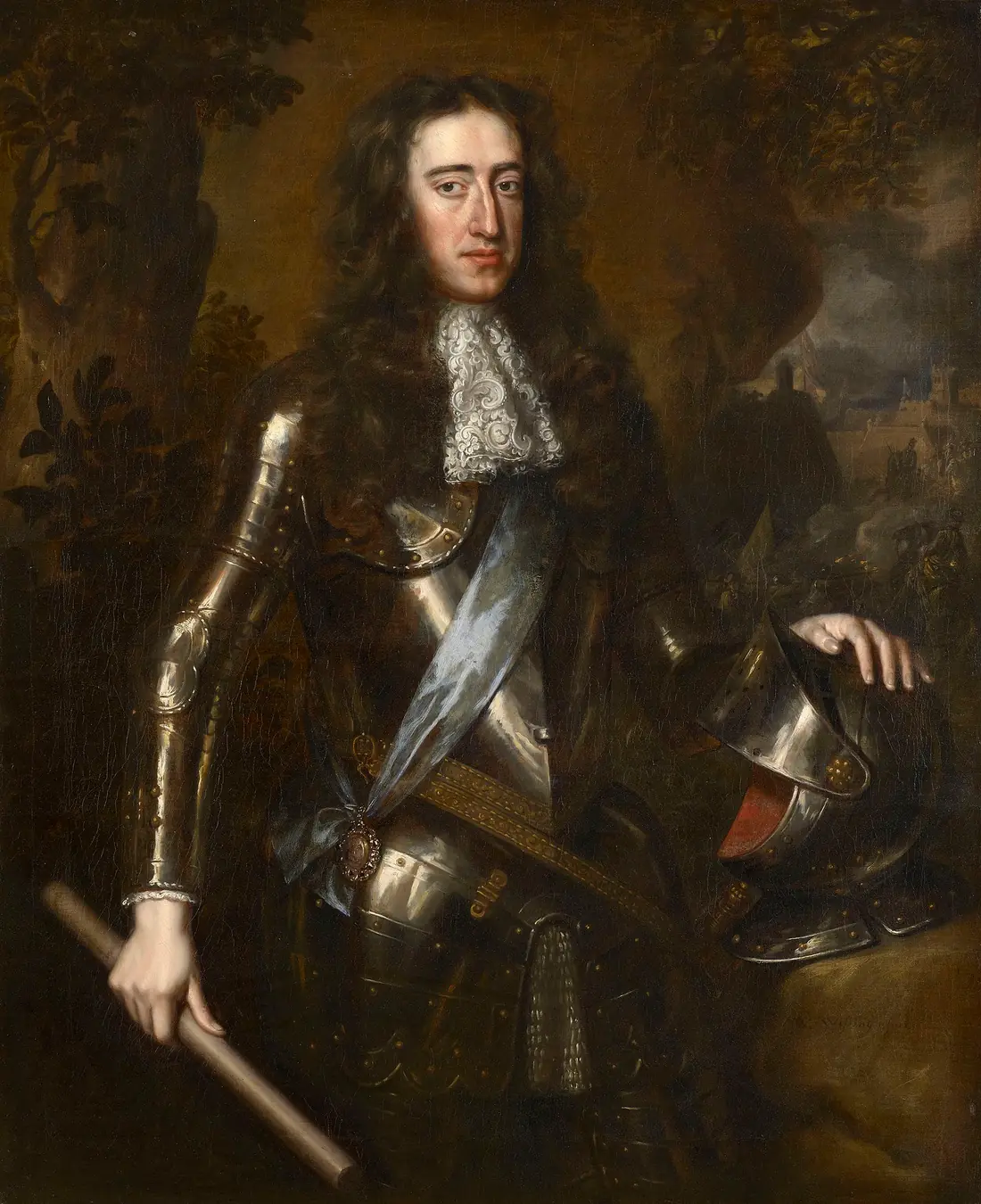
The man who defeated James II at the Boyne River in 1690 didn't particularly care about Ireland, didn't speak English as his first language, and spent most of his victory planning how to get out of the country. William III had shown up with 36,000 troops not out of devotion to Protestant supremacy, but because an Irish throne was a useful piece on his larger European chessboard—a way to secure his position against Louis XIV of France, the monarch he actually feared. For William, Ireland was a necessary detour on a longer war. Everyone since has treated the Boyne as the point of the story. It wasn't.
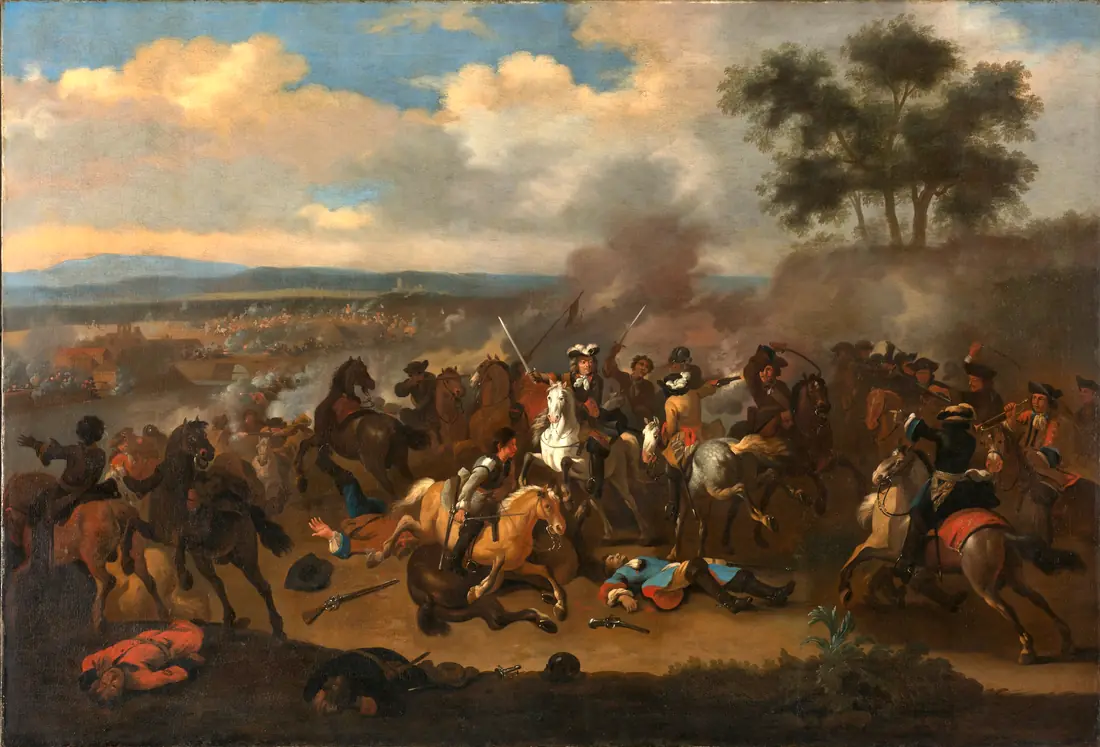
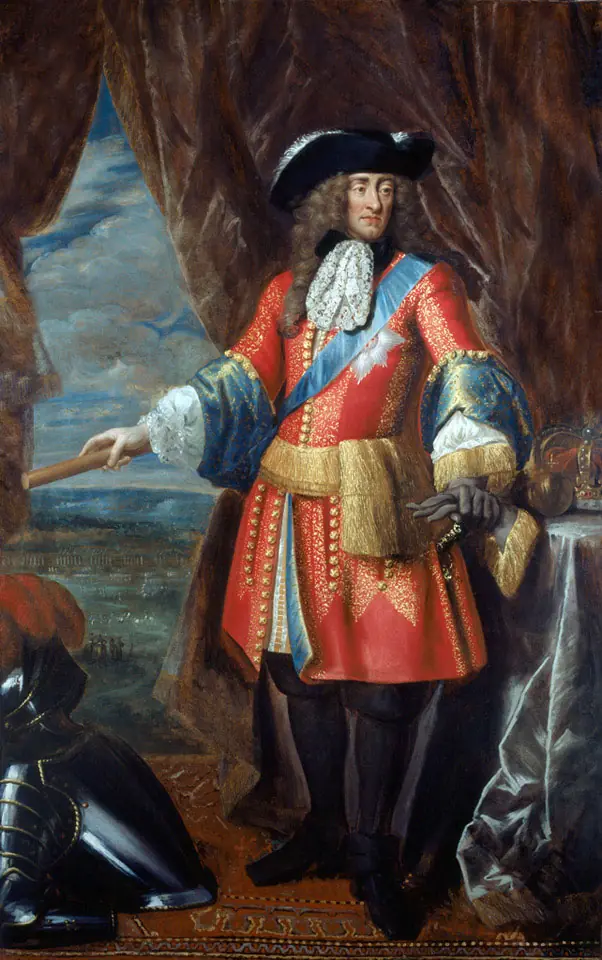
When the fighting came on July 12, 1690—or July 1 by the old calendar, which meant Protestants and Catholics couldn't even agree on when their deciding battle happened—the mechanics were straightforward. William's army needed to cross the river against James's entrenched defenders. The crossing happened. Some regiments waded the shallow water while others found fords upstream. By afternoon, James's right flank had broken. The king took one look at the rout, decided the cause was lost, and rode south toward Dublin and then a ship to France, abandoning his supporters without a serious fight. Between 1,000 and 2,000 men died. The battle lasted a few hours.
What William's victory unlocked was the actual consequence: a system of persecution so thorough it reads like something from fiction. The Penal Laws followed—layer upon layer of legislation designed not just to punish Catholics but to suffocate the possibility of their lives. Illegal to own property worth more than five pounds. Illegal to vote, to hold office, to educate children in their faith, to marry across the religious divide. Illegal to own a valuable horse; a Protestant could legally force a Catholic to sell any horse over five pounds for exactly five pounds. These weren't improvised local cruelties. These were laws, written in proper language, enforced through courts, sustained across generations.
William himself didn't linger to see it. He was back in London by September 1690, his Irish business concluded, his attention returning to the wars in Europe that he actually cared about. The Boyne had been won. From his perspective, Ireland was solved.
For Irish Catholics, the war had only begun. The battle decided who would hold power. What came after decided the terms on which the conquered were allowed to exist—terms that would hold for more than a century after William was dead and forgotten. The victory on the river mattered far less than what the victors did with it.
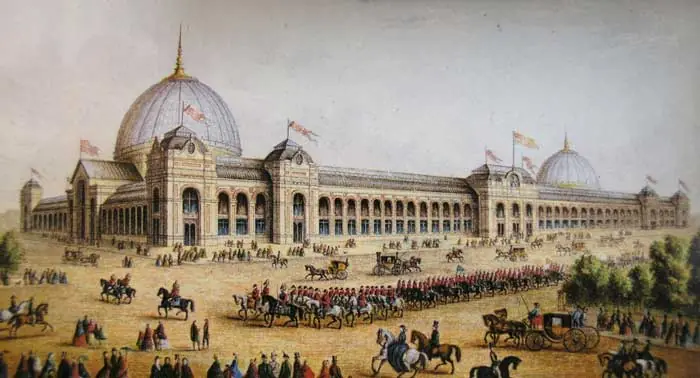
By 1862, repeating the Great Exhibition should have been easy. Eleven years earlier, the Crystal Palace had drawn six million visitors, a figure so massive that it seemed to validate everything Britain claimed to be: industrial, ingenious, hospitable, the undisputed workshop of the world. Queen Victoria had opened it. The newspapers had gushed for months. The whole machine had run flawlessly, which meant that doing it again—only larger, more ambitious, more comprehensive—appeared not just possible but inevitable.
Then they opened the South Kensington Exhibition on July 12, 1862, and learned something useful about the distance between precedent and repetition.
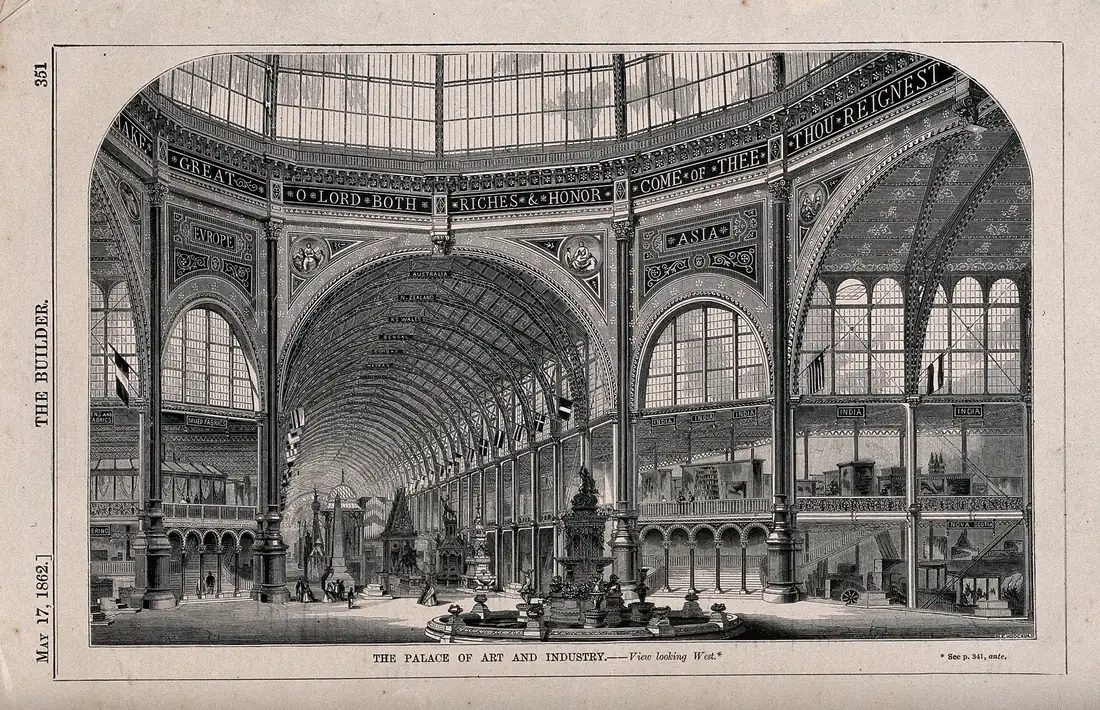
This was supposed to be the triumphant sequel. The planners had reserved twenty-four acres, assembled exhibitors from every continent, promised a display of the planet's combined industrial and cultural achievement. Queen Victoria returned for the opening ceremony. The ceremonial machinery engaged exactly as before. But the crowds that had crushed toward the Crystal Palace in 1851 did not materialize with anything like the same hunger. Attendance fell so far short of projections that the organizers panicked and extended the exhibition deep into November, adding months to the calendar in hopes that stretched time might eventually compensate for missing crowds.
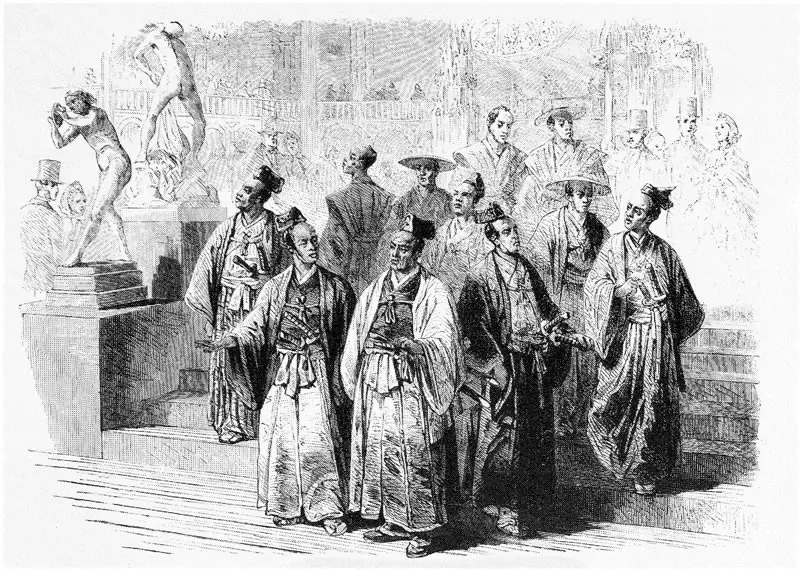
What had altered was not the exhibits themselves. British manufacturers sent their machines. Japan sent lacquerware. India sent diamonds and silks. France sent luxury goods. The technical marvels were genuinely magnificent. But magnificence, once displayed, stops being surprising. In 1851, seeing the world's industrial achievement gathered under one roof felt like witnessing something genuinely extraordinary—a vision of possibility made visible. By 1862, such achievement was simply expectation. You could read about distant manufactures in the newspapers now. You did not need to trek to South Kensington to understand that other countries made impressive things. The first exhibition had won its own victory too decisively: it had made the world seem smaller, which meant the second exhibition felt less like an event and more like a confirmation of something already known.
Yet the building's very existence created something its architects had never quite intended. The commissioners had chosen South Kensington partly because it sat in open fields, far enough from the city to be temporary, isolated, easy to demolish once the spectacle ended. Instead, the site became permanent. The Victoria and Albert Museum followed. The Natural History Museum. The Science Museum. What was meant to be a brief gathering of wonders became the foundation of one of the world's most concentrated centers of collection and learning.
So the 1862 Exhibition failed by every measure that mattered to its organizers. Fewer people came. The profits disappointed. The crowds never matched the legendary flood of 1851. But it succeeded in precisely the way nobody had planned for. The location outlasted the event. The temporary structure vanished, but South Kensington remained—not because the exhibition filled its halls with admiring crowds, but because a place devoted to showing people how the world actually worked turned out to be worth keeping around.