Spanish Capture Antwerp, Shifting European Power
Antwerp, Belgium
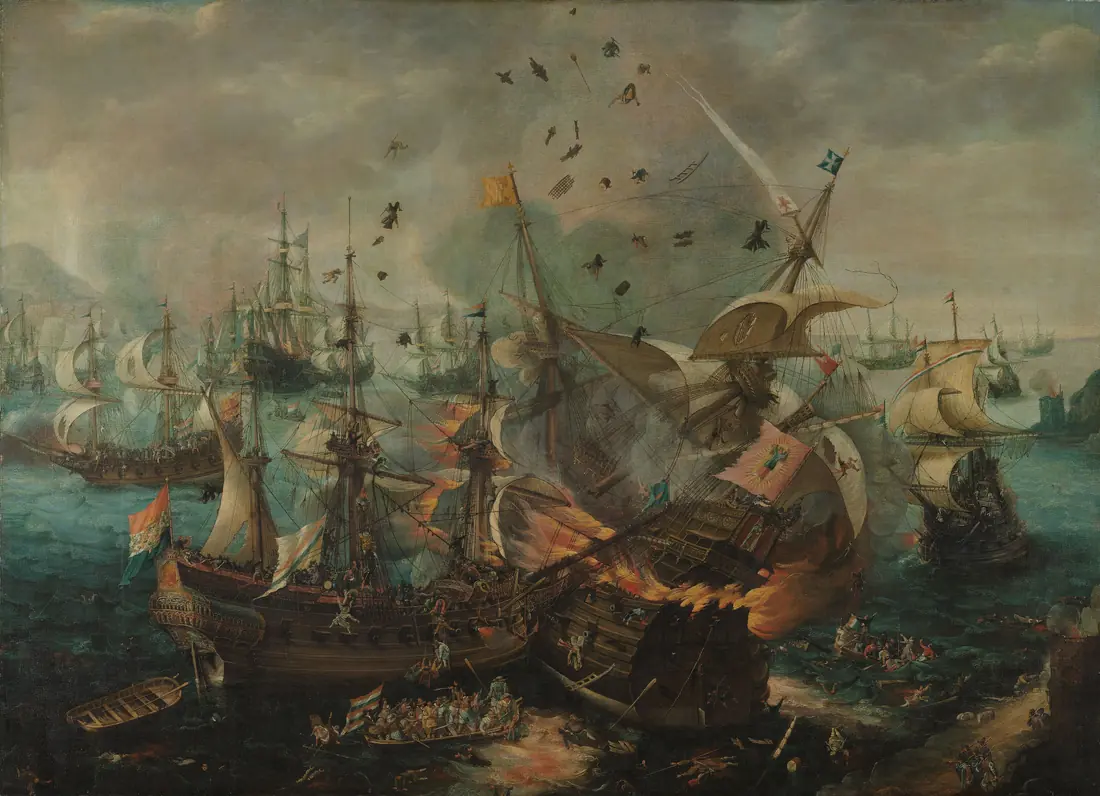
A city, once the pulsating heart of European commerce, stood on the brink. On August 17, 1585, after a brutal 13-month siege, the gates of Antwerp finally opened to Alexander Farnese’s Spanish forces. For the 80,000 souls still within its walls, the surrender brought an end to starvation and bombardment, but for many, it heralded a different, far more profound kind of war: a war against their very souls.
Antwerp, in its golden age, was a marvel. By the mid-16th century, its population had swelled to an astonishing 100,000, making it one of the largest and wealthiest cities in Northern Europe. It was the world's primary port, handling 40% of global trade and the nerve center of finance, where 5,000 merchants from across the continent struck deals that shaped empires. But this prosperity was built on a foundation of religious tolerance, a rare commodity in an age of zealous conflict. Protestants, particularly Calvinists, flourished here, contributing significantly to its economic dynamism and intellectual vibrancy.
Farnese, Duke of Parma, a general of exceptional skill, had choked the city, constructing a formidable 800-meter-long bridge across the Scheldt River, sealing Antwerp's maritime lifeline. This engineering feat, involving 32 ship-masts and 97 anchors, severed the city’s access to the sea, ensuring no supplies could enter. With food scarce and disease rampant, the city council had little choice but to capitulate. The terms were ostensibly lenient: Catholics could stay, but Protestants were given four years to either convert or leave. Most chose the latter.
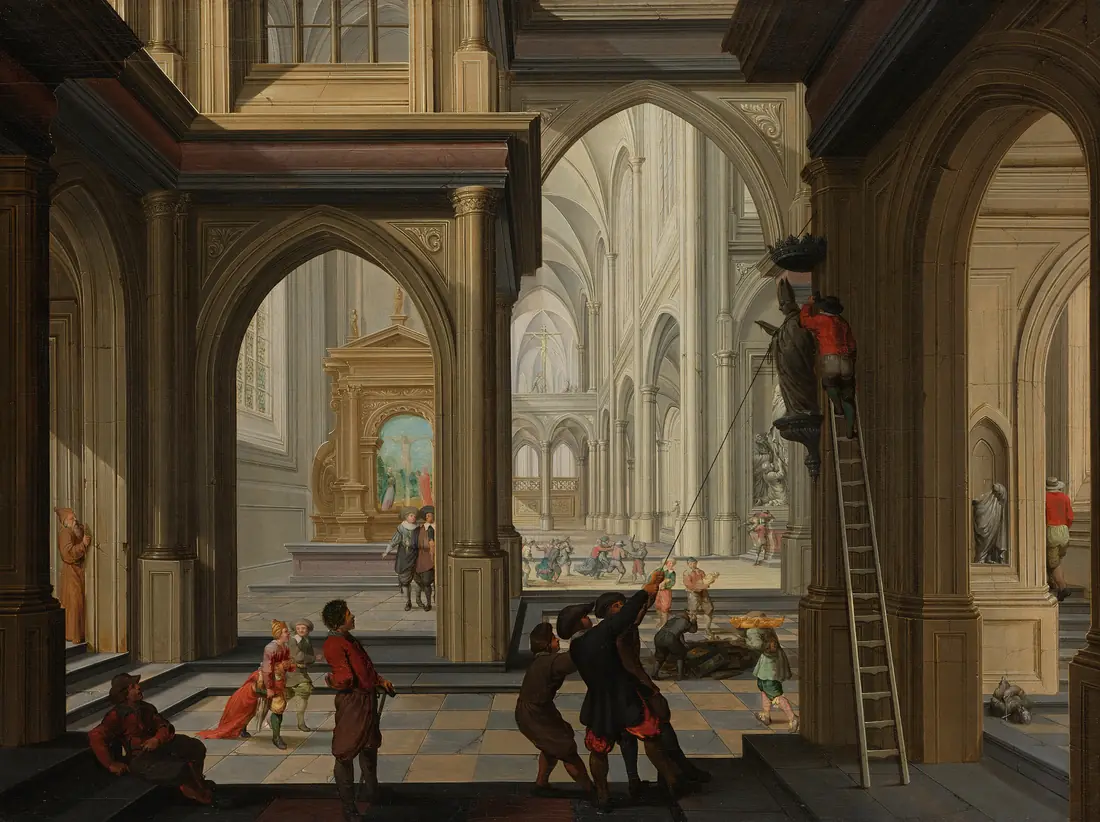
What followed was not just an exodus; it was a societal amputation. Historians estimate that between 60,000 and 100,000 people—more than half the city’s pre-siege population—packed their belongings and fled. These were not just common folk; they were the city's intellectual elite, its skilled artisans, its most innovative merchants, and its deep pockets. The Spanish, in their triumphant zeal for Catholic uniformity, had unwittingly drained the very lifeblood from their prize. The city’s tax base, once a reliable source of funds for the Spanish crown, plummeted by more than 50% in the following decades.
The human capital that departed Antwerp was not lost to Europe; it simply relocated. A staggering 3,000 of Antwerp's most prominent merchant families resettled in Amsterdam, Rotterdam, and other cities in the burgeoning Dutch Republic. They brought with them their capital, their trade networks, their entrepreneurial spirit, and their printing presses. Amsterdam, a relatively minor port city before 1585, saw its population explode from 30,000 to 100,000 by 1622, directly inheriting Antwerp's mantle as the world's financial and commercial capital. The irony was palpable: a decisive Spanish victory had, with the precision of a surgeon’s knife, transferred the economic supremacy of the Netherlands from a Spanish possession to the heart of its rebellious adversary, funding the very war that sought to suppress it.
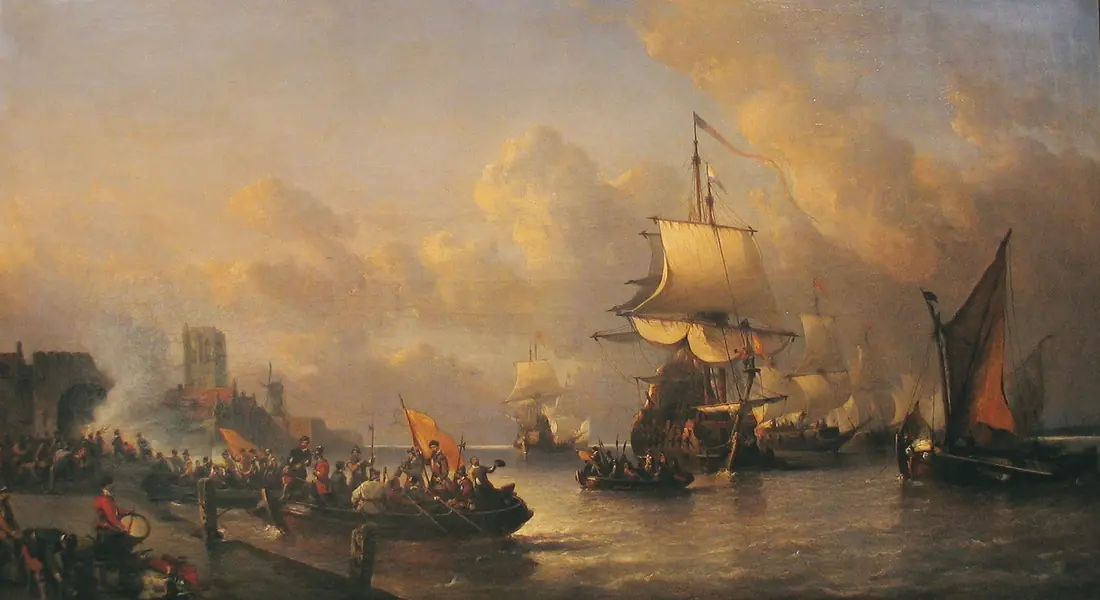
Antwerp, though still a beautiful city, never fully recovered its former glory. Its harbor, once teeming with 2,500 ships a year, saw that number dwindle to a mere fraction. The Spanish crown had won a battle, but in its quest for absolute control, it had inadvertently handed its rivals the keys to an economic kingdom, ensuring that the Eighty Years' War would stretch on for decades more, its future effectively financed by the ghost of Antwerp’s prosperity.