Daily History
Politics & state

Principality of Transylvania Established

Transylvania
Principality of Transylvania Established — Transylvania
Image: Lázár deák (Lazarus secretarius) · Public domain

The ink on the parchment, still tacky in the humid August air of Speyer, represented not just signatures, but the weary exhale of decades of conflict. For forty-four years, the crown of Hungary had been a cruel joke, a glittering prize fought over by rival dynasties, leaving the land in tatters. Since the catastrophe at Mohács in 1526, when the Ottoman Sultan Suleiman the Magnificent had not just defeated but utterly obliterated the Hungarian army, the kingdom had been carved up like a holiday roast. Most of central Hungary became an Ottoman province, the west fell under Habsburg rule, and in the east, a succession of Zápolyas clung to a sliver, styling themselves as kings.

Today, August 16, 1570, was the day the music stopped, at least for one of the players. John Sigismund Zápolya, the young man who had inherited the rather thankless job of being ‘King-elect of Hungary’ from his father, was finally putting down his scepter. One can almost picture the scene: the stifling formality of the treaty room, the heavy draperies muffling the sounds of the bustling German city outside, the clink of a glass as some dignitary took a much-needed sip of water. John Sigismund, often more interested in theology than territorial disputes, had been born into this mess, a king-in-waiting who spent his entire life under the immense shadow of the Ottoman Porte and the relentless pressure of the Habsburgs.

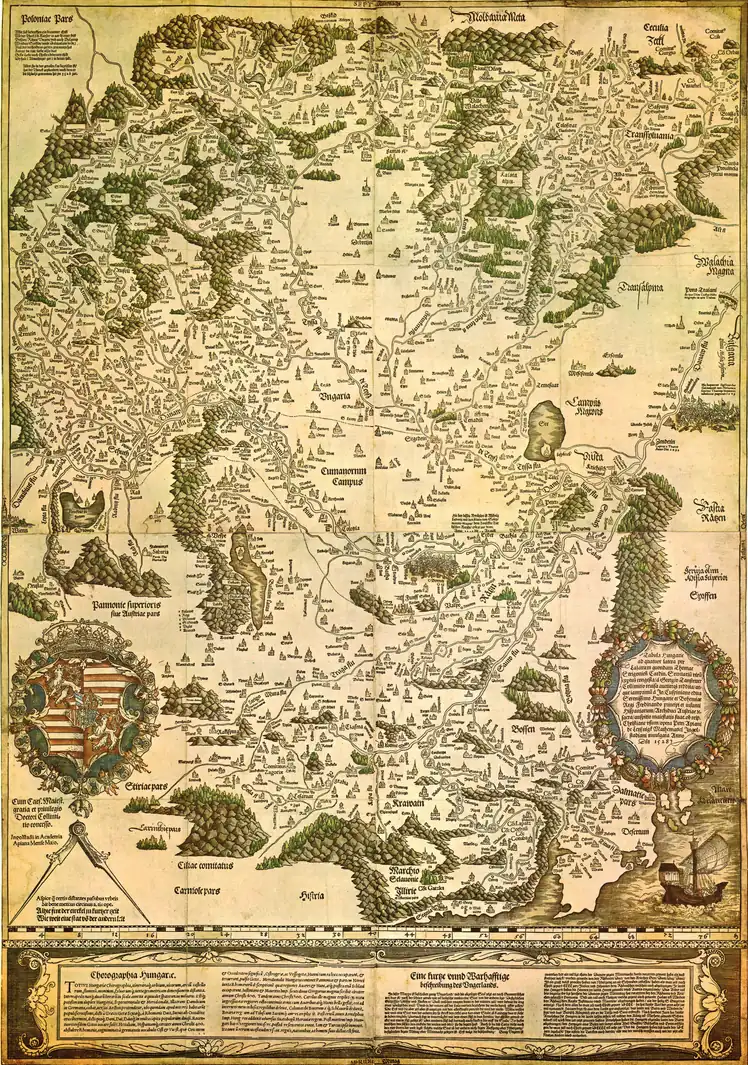
He wasn't exactly giving up a sprawling, united kingdom. His ‘kingdom’ was, in practical terms, the eastern sliver that would become Transylvania, plus a few adjacent territories known as the Partium. For generations, his family had been playing a dangerous game of diplomatic dodgeball between the two empires, pledging allegiance to whichever seemed less likely to crush them that particular Tuesday. It was an exhausting, precarious existence. Imagine living your entire life knowing your official title was disputed by literally everyone else who mattered, your borders were fluid, and your primary allegiance was to a sultan who might, on a whim, decide to replace you with a particularly loyal eunuch. John Sigismund had had enough.
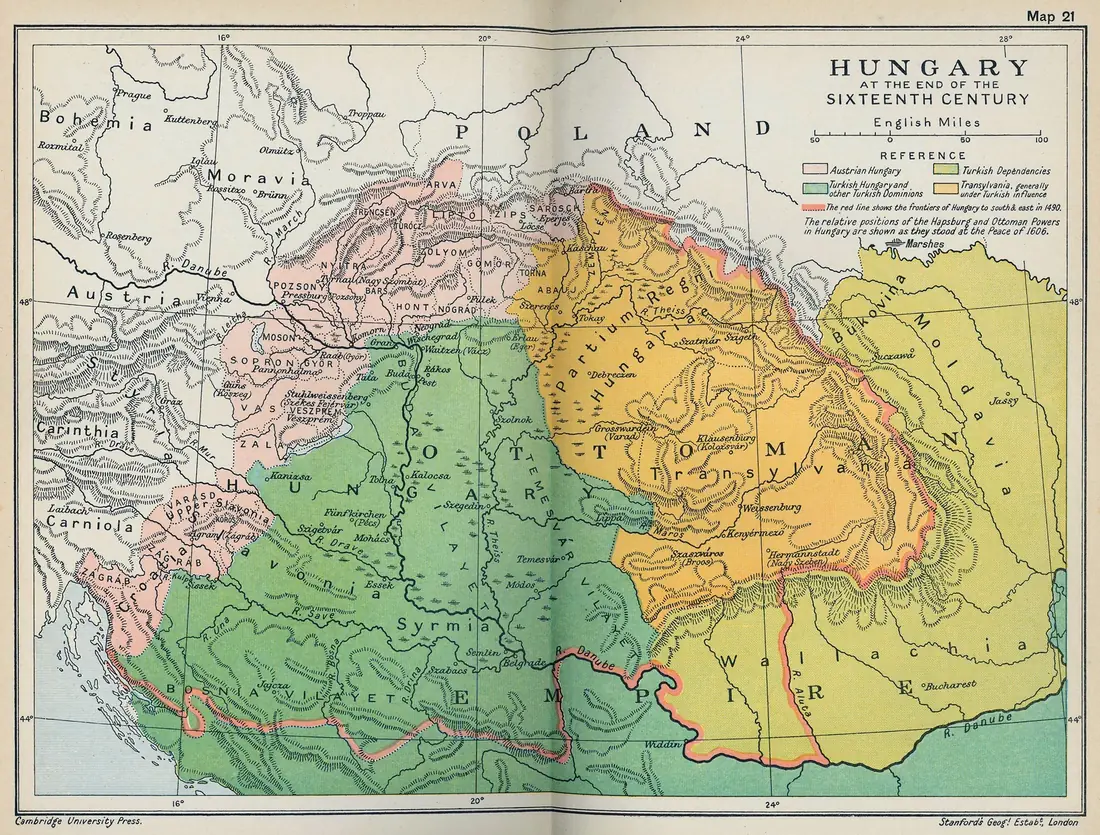
Principality of Transylvania Established — Transylvania
Image: Az atlasz szerkesztői: Sir Adolphus William Ward, G.W. Prothero, Sir Stanley Mordaunt Leathes, and E.A. Benians. · Public domain

The Treaty of Speyer was the grand bargain. He would officially renounce his claim to the Hungarian throne — a claim that, frankly, few outside his immediate circle took seriously anymore — in favor of the Habsburg Emperor Maximilian II. In return, Maximilian recognized John Sigismund as the sovereign Prince of Transylvania and Lord of the Partium. Crucially, the treaty also stipulated that should John Sigismund die without an heir (which he would, just a year later), Transylvania would revert to Habsburg rule. It was a deal designed for convenience, a temporary fix, an elegant piece of diplomatic origami that satisfied just enough parties to hold for a moment.

This wasn't some grand act of self-sacrifice; it was pragmatic survival. John Sigismund secured his local rule, granted his principality a kind of semi-autonomous status (though still under Ottoman suzerainty, a detail the Habsburgs conveniently overlooked in their PR), and, perhaps most importantly, bought himself a moment of peace. He’d spent years cultivating religious tolerance in his lands, even establishing the Edict of Torda in 1568, one of the first declarations of religious freedom in Europe, allowing Catholics, Lutherans, Calvinists, and Unitarians to coexist. A king who preferred theological debate to sword-rattling was, perhaps, uniquely suited to such a compromise.
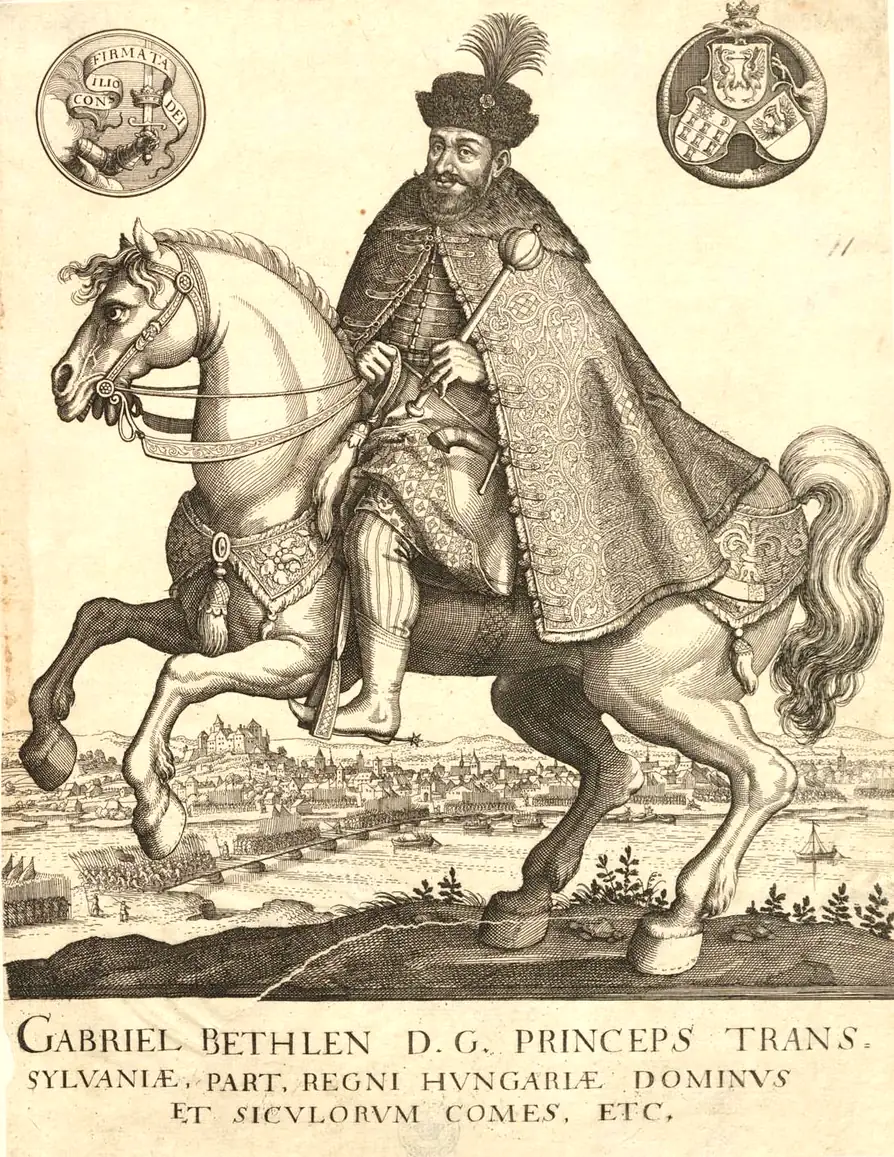
Principality of Transylvania Established — Transylvania
Image: Wikimedia Commons · Public domain

And so, the Principality of Transylvania was born, not with a bang, but with the scratching of a quill and the quiet relief of a ruler finally shedding an impossible burden. It was a small, landlocked entity, nestled in the Carpathian Mountains, whose very existence was a testament to the fractured geopolitics of the era, and whose autonomy was perpetually contingent on the whims of two vastly more powerful neighbors. It would go on to become a crucible of cultures, a haven for religious diversity, and, for a time, a surprisingly resilient political entity, all thanks to a king who decided a principality was far more sensible than a phantom crown.

Source: en.wikipedia.org/wiki/Principality of Transylvania (1570–1711)
War & conflict

Henry VIII Wins Battle of the Spurs

Guinegate, France

Henry VIII Wins Battle of the Spurs — Guinegate, France
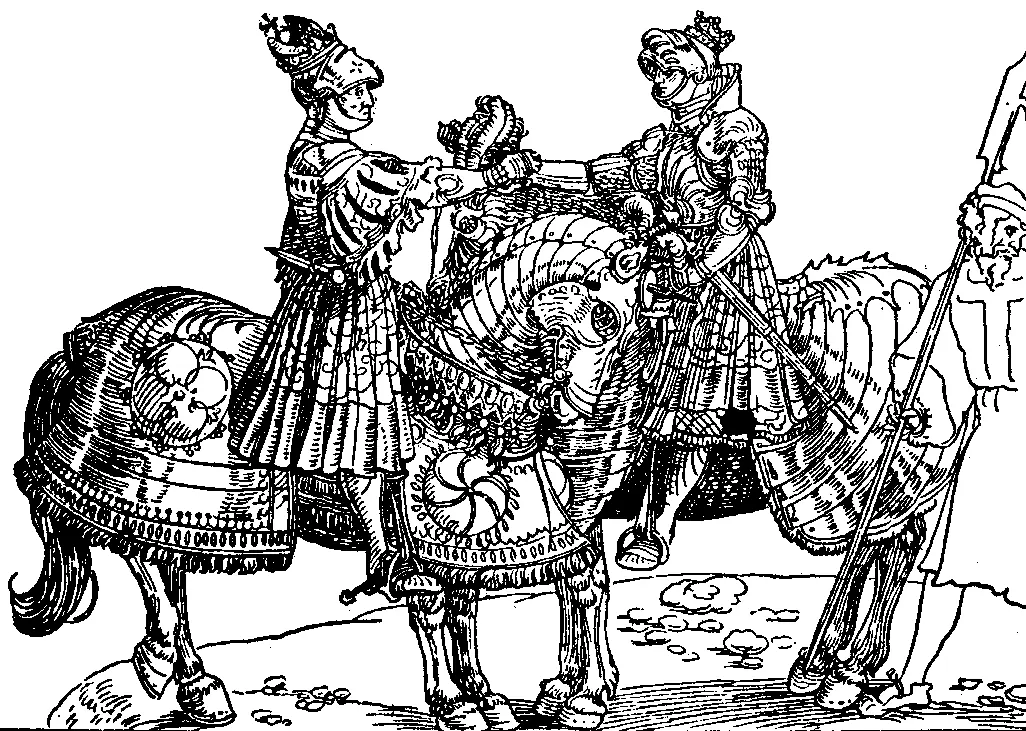
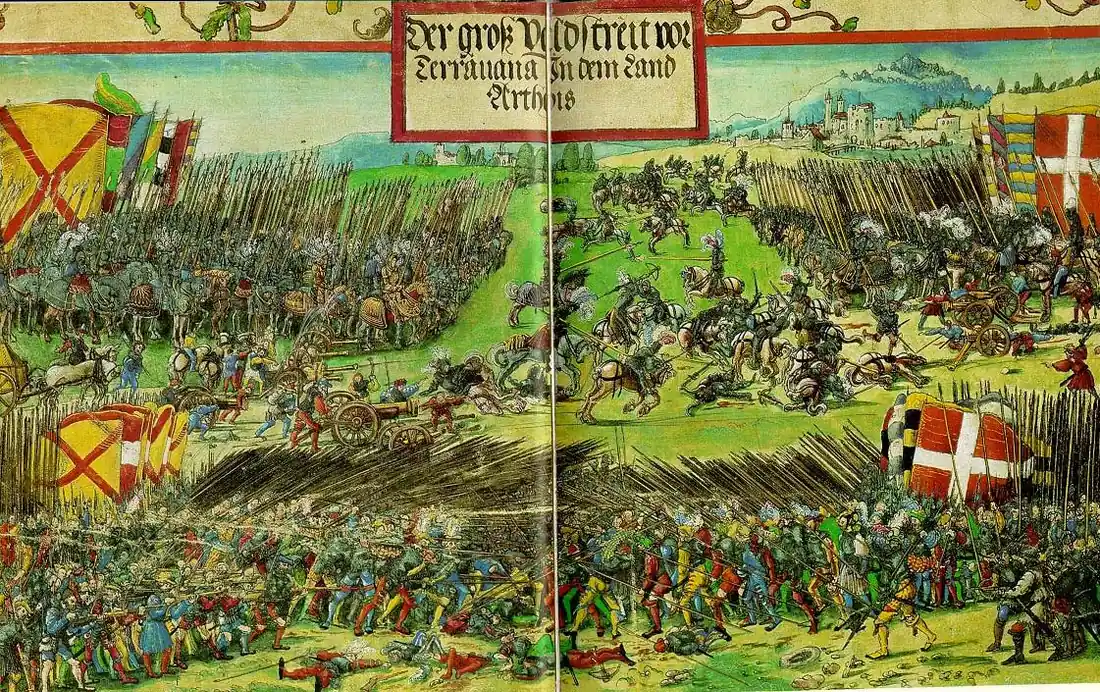
Image: Georg Lemberger · Public domain

The French knights, resplendent in their armour, were not charging for glory. Oh no. On August 16, 1513, near Guinegate, France, their horses were galloping for the horizon, their riders’ spurs digging deep, every ounce of their martial spirit converted into desperate flight. The English and Imperial forces watched, likely bemused, as the flower of French chivalry vanished into the distance, leaving behind only the sarcastic nickname for the day’s encounter: the Battle of the Spurs.

To understand this rather undignified spectacle, we first need to appreciate the context. Young Henry VIII, barely past his majority, was aching for martial glory, eager to emulate his namesake and reclaim ancestral lands in France. He’d crossed the Channel with a formidable army, laying siege to the town of Thérouanne. His ally was none other than Maximilian I, the Holy Roman Emperor, who, in a rather extraordinary arrangement, had agreed to serve under Henry, accepting a daily wage of 100 crowns and wearing the English King’s livery. Imagine the Emperor of the West, essentially a mercenary captain. It’s a detail that speaks volumes about the shifting sands of power and Henry’s burgeoning ego.

The French, meanwhile, were attempting to relieve Thérouanne. Their plan was not to engage in a full-scale battle but to deliver supplies under the cover of a cavalry diversion. Around 7,000 French horsemen, led by commanders like Jacques de La Palice and Louis d'Orléans, Duke of Longueville, approached the English and Imperial lines. They were met by the vanguard, a mix of English archers, pikemen, and Maximilian’s German *Landsknechts*—tough, professional soldiers whose reputation for discipline and ferocity preceded them.

Henry VIII Wins Battle of the Spurs — Guinegate, France
Image: Encyclopædia Britannica · Public domain

It is now, in the late afternoon, that the moment unfolds. The French cavalry, perhaps caught off guard by the strength of the enemy screen, perhaps mistaking the vanguard for the main army, makes a sudden, ill-advised charge. Their heavy horses thunder forward, but the ground is uneven, the advance uncoordinated. They encounter a wall of disciplined pikes and a hail of arrows. The English archers, still masters of their craft, unleash volleys designed to break formations and morale. The *Landsknechts* stand firm, their long pikes forming an impenetrable hedge.

The French momentum falters, then breaks. What happens next is less a retreat and more a rout. The French cavalry turns almost as one, spurred on by a sudden, overwhelming desire for self-preservation. They are not merely withdrawing; they are fleeing at full tilt, each knight urging his mount to its utmost speed. Their commanders, caught in the panicked surge, are powerless to stop it. Many are captured, including Duke Louis d'Orléans, who, after being taken, was reportedly more embarrassed than injured. The actual engagement lasted mere minutes.

Henry VIII Wins Battle of the Spurs — Guinegate, France
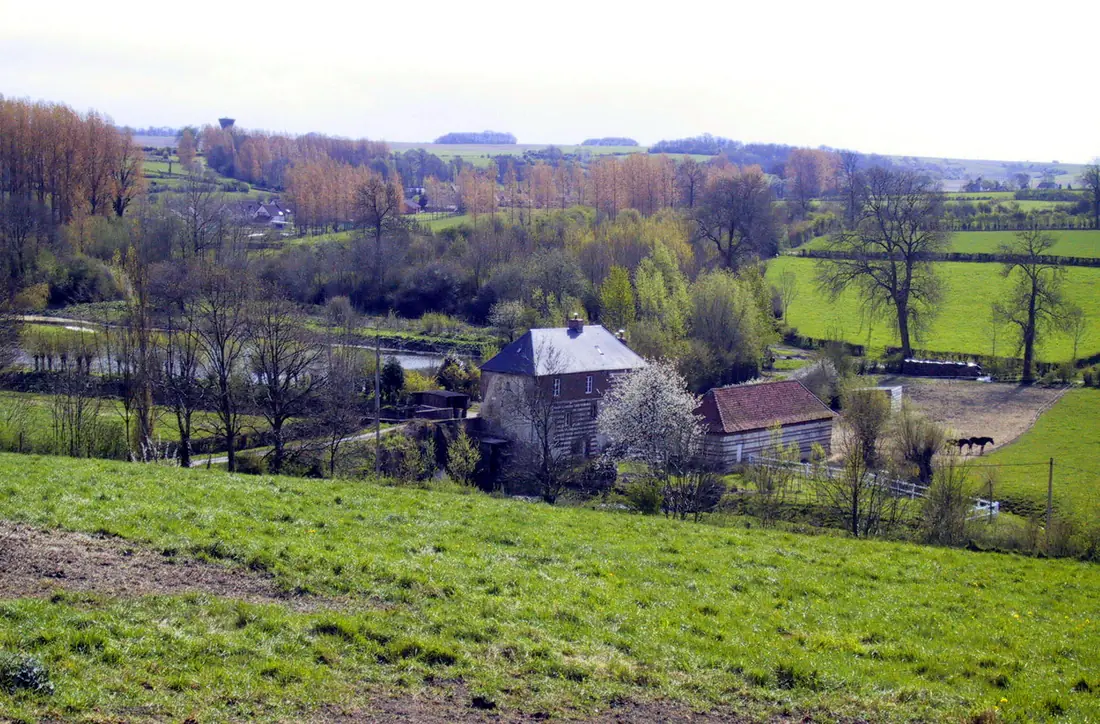
Image: No machine-readable author provided. Pir6mon assumed (based on copyright claims). · CC BY-SA 3.0

Henry VIII, observing the scene, was ecstatic. He rode onto the field, jubilantly declaring the capture of French banners. The victory, though militarily minor in the grand scheme of his campaign, was a massive boost to his personal prestige. It proved his mettle as a warrior king, or at least, as a king whose enemies ran away very quickly. The French, deeply humiliated, were left to ponder the ignominy of their cavalry—the proudest arm of their military—being outrun, not outfought. The Battle of the Spurs, a name born of mockery, became a stark reminder that even the most glittering armour offers no protection against the call of a well-used spur when the fight goes sour. It was a clear, if undignified, lesson that even the most fearsome reputation can vanish in a cloud of dust and horseflesh.

Source: en.wikipedia.org/wiki/Battle of the Spurs

Use the arrow keys to move between days

Browse the full archive →